Requesting a Call:
Online Support
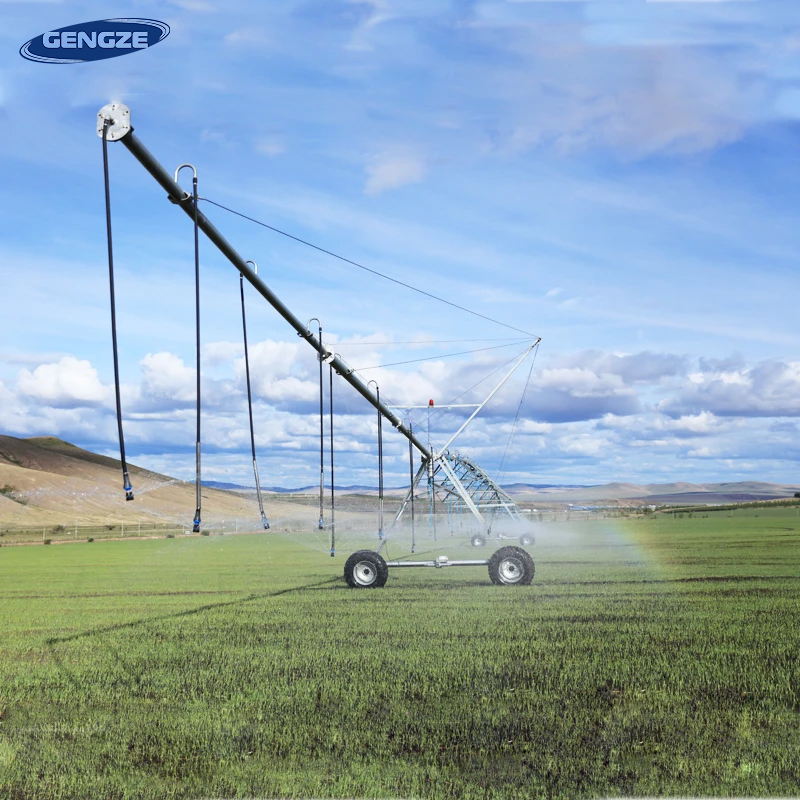
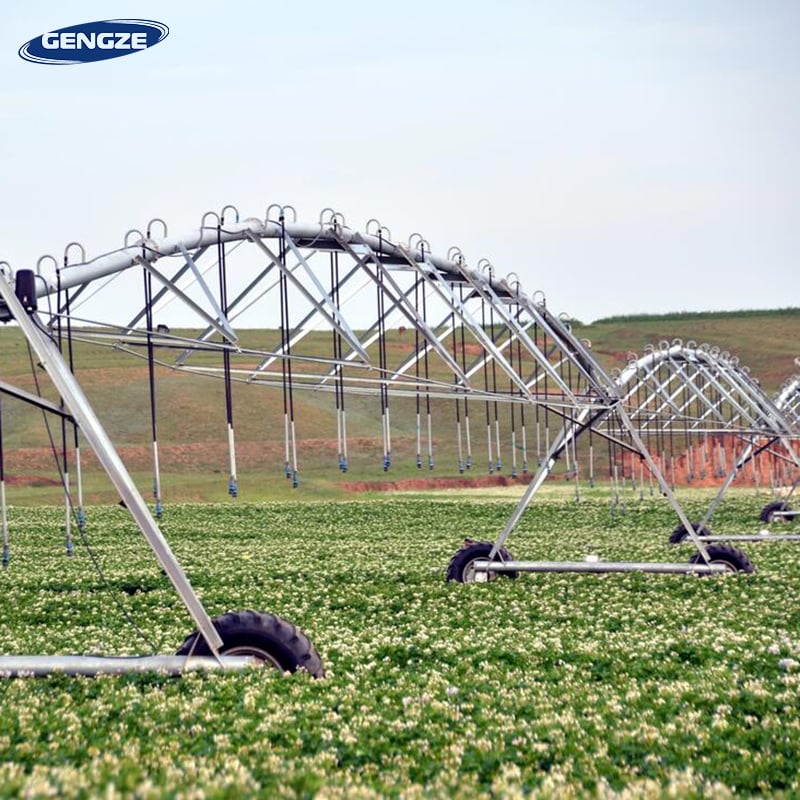
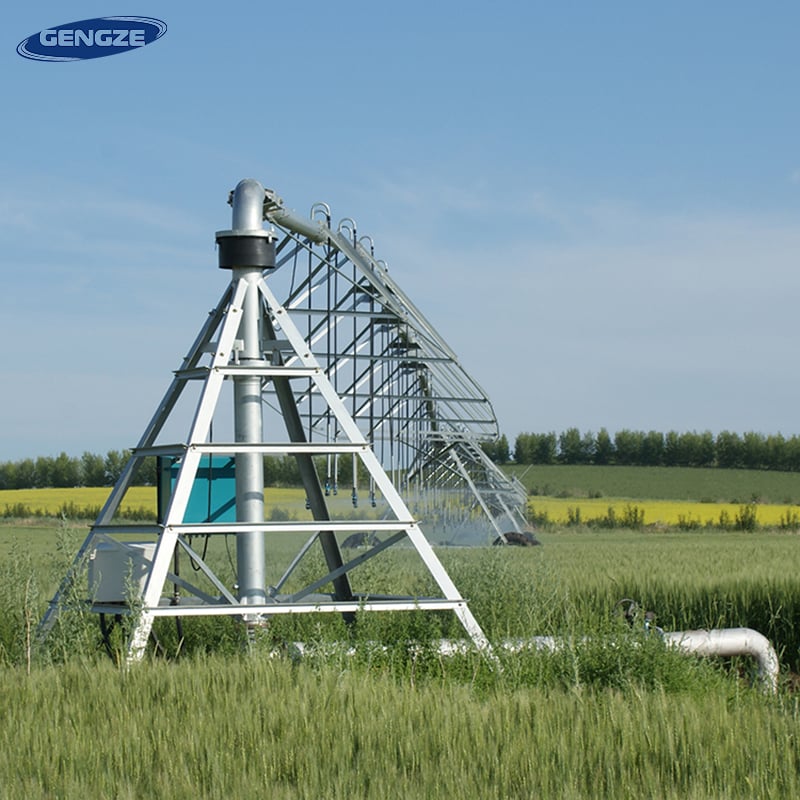
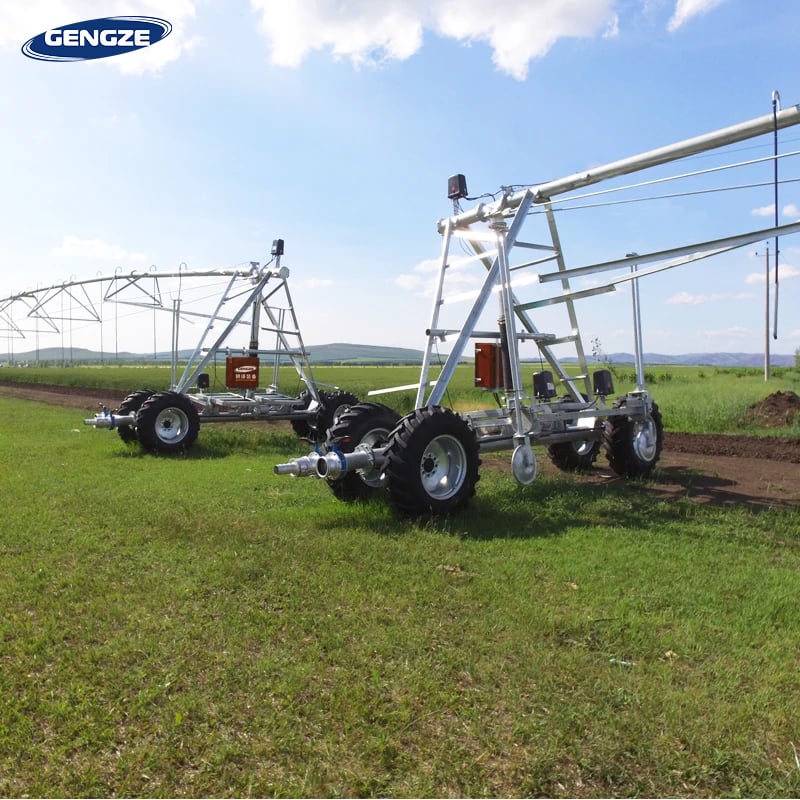
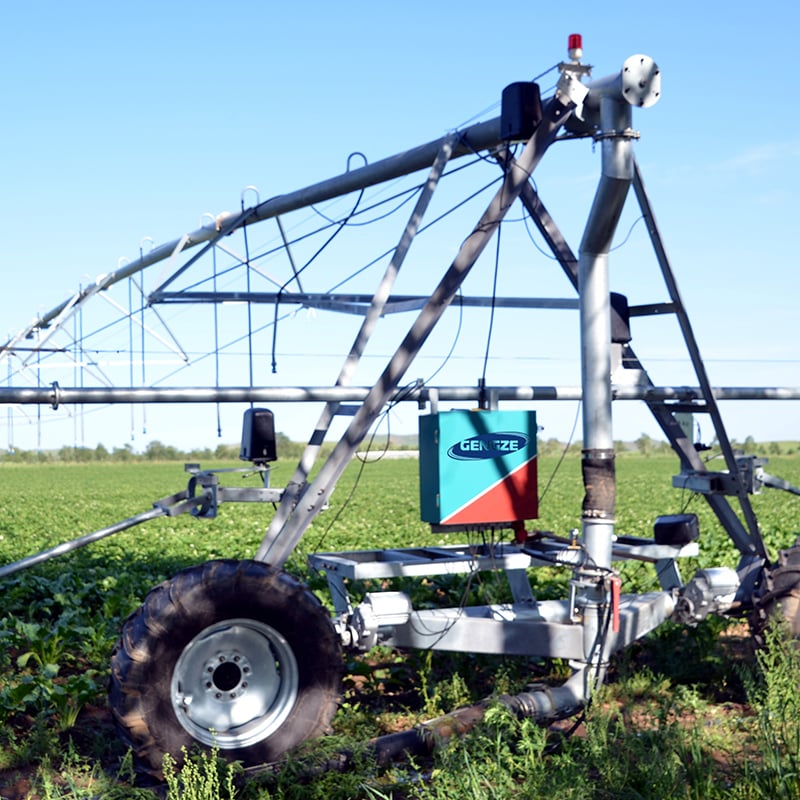
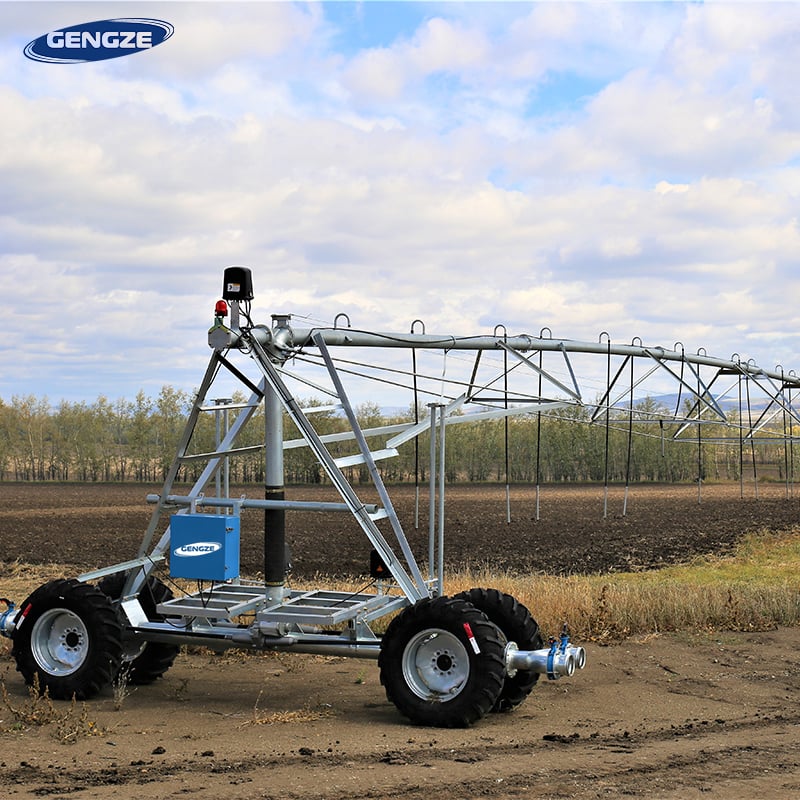
An automatic solar irrigation system is an innovative solution designed to optimize water usage in agricultural practices, utilizing solar energy to power irrigation operations. For B2B buyers, such as purchasing managers and engineers, key concerns often revolve around product efficiency, cost-effectiveness, and adaptability to specific agricultural needs. This article will guide you in understanding how to choose the right Gengze farm irrigation systems center pivot, the essential specifications to consider, the advantages of wholesale purchasing, common installation challenges, and critical features to look for in solar irrigation systems.
Selecting the appropriate automatic solar irrigation system involves assessing several factors tailored to your specific agricultural needs. First, consider the size of the area to be irrigated. Systems vary in capacity and coverage, so understanding your field’s dimensions and crop types is crucial.
Next, evaluate the water source and flow rate required for your crops. Different systems can handle varying flow rates, and selecting one that aligns with your irrigation needs can prevent under or over-watering.
You should also examine the system’s efficiency, including solar panel output and battery storage capabilities. A system with a high-efficiency rating will maximize water usage while minimizing energy costs. Finally, consider the installation and maintenance requirements. Systems that are easier to install and maintain can save time and reduce operational disruptions.
When evaluating automatic solar irrigation systems, focus on several key specifications:
Solar Panel Output: This indicates how much energy the system can generate. A higher output can support larger irrigation systems and may be essential for areas with less sunlight.
Battery Capacity: This determines how long the system can operate without sunlight. Sufficient storage ensures that irrigation continues during cloudy days or at night.
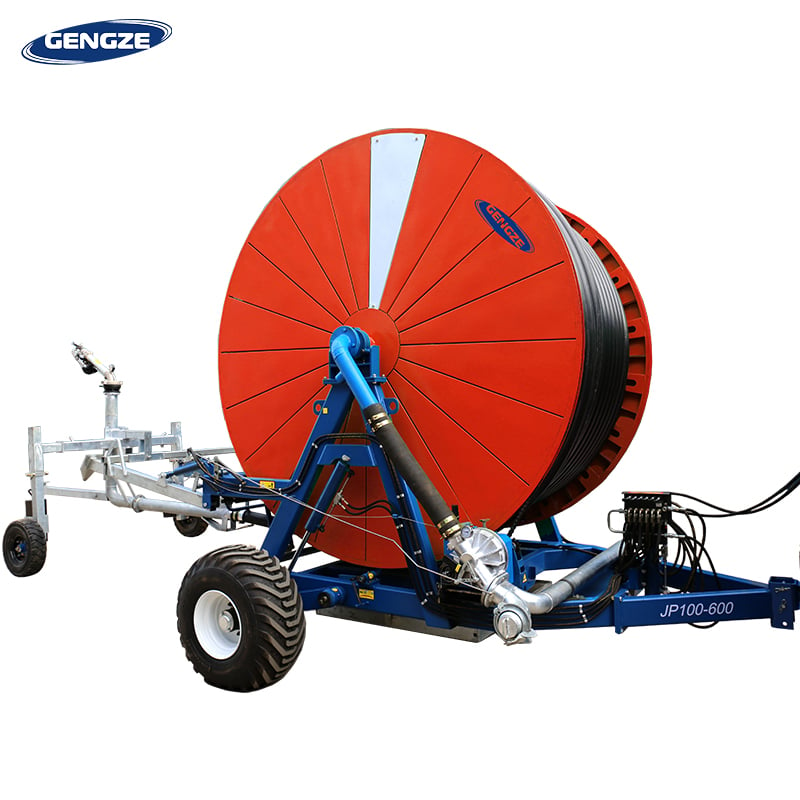
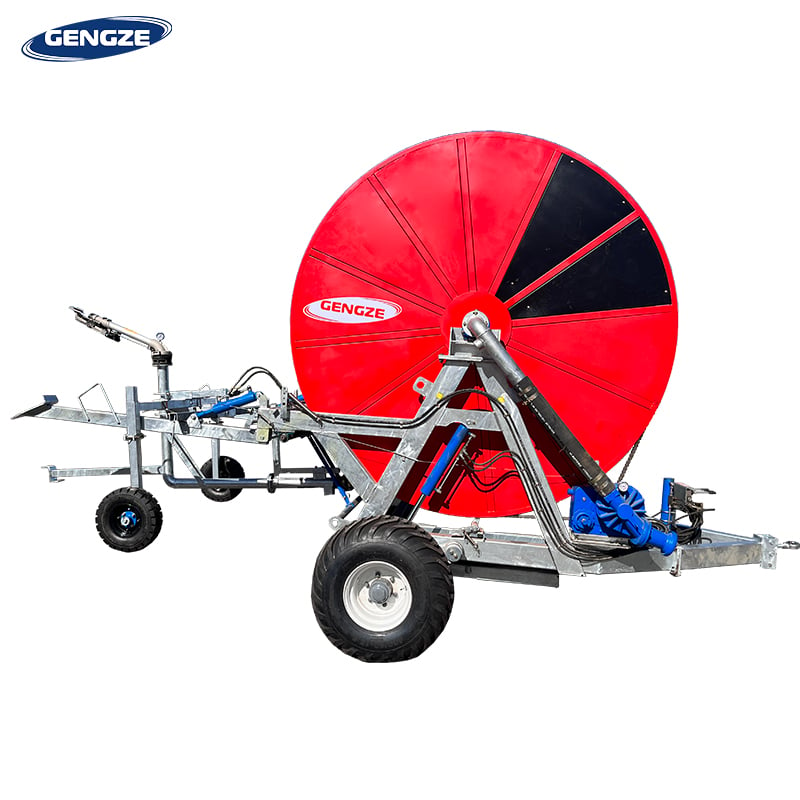
Pump Type and Capacity: Different pumps (submersible, surface) have varying capabilities. Choose a Gengze reel sprinklers irrigation that matches your water source and the required pressure for effective irrigation.
Control System: Advanced systems come with smart controllers that allow for remote monitoring and adjustments. This feature can help optimize water usage and reduce waste.
Durability and Materials: High-quality materials such as corrosion-resistant metals and UV-stabilized plastics will extend the system's lifespan, particularly in harsh environmental conditions.
Understanding these specifications will help you make informed decisions when selecting an automatic solar irrigation system that meets your agricultural requirements.
Buying automatic solar irrigation systems in bulk can offer significant cost savings and logistical advantages. Wholesale purchasing typically reduces the per-unit cost, making it financially advantageous for distributors and large-scale agricultural operations.
Moreover, bulk orders may offer improved customization options, allowing you to tailor the systems to specific operational needs, such as unique pump capacities or additional features.
Additionally, establishing a long-term relationship with a manufacturer can enhance service reliability and support. Trusted suppliers like Dalian Gengze Agricultural Equipment Manufacturing Co., Ltd can provide ongoing technical support and maintenance services, ensuring your systems operate efficiently over time.
Installation of automatic solar irrigation systems can present several challenges. Below are common problems and how to address them:
Improper Sizing: If the system is not correctly sized for the area, it may lead to insufficient coverage or over-irrigation. Always calculate the necessary flow rate and coverage area based on your crops’ requirements.
Inadequate Wiring: Poorly planned wiring can lead to inefficiencies or failures in the system. Ensure that wiring is appropriately rated for the current load and is weather-resistant, particularly in outdoor environments.
Orientation of Solar Panels: The effectiveness of the solar panels hinges on their orientation toward the sun. Installers should ensure proper alignment and angle to maximize sunlight exposure throughout the day.
Lack of Maintenance Access: Ensure that all components, including pumps and solar panels, are easily accessible for regular maintenance. This can prevent long-term issues and ensure the system operates smoothly.
Being aware of these installation issues can help buyers prepare and work effectively with installation teams to ensure a successful setup.
When choosing a solar irrigation system, focus on the following features:
Efficiency Ratings: Look for systems with high efficiency in both water and energy usage. This reduces operational costs and enhances productivity.
Smart Technology Integration: Systems equipped with smart technology can provide real-time monitoring, allowing for adjustments based on weather conditions and soil moisture levels.
Scalability: Opt for systems that can be easily expanded or modified as your agricultural needs grow. This Gengze Irrigation System flexibility can save costs in the long run.
Warranty and Support: A strong warranty and customer support from the manufacturer can provide peace of mind. Ensure that your supplier offers comprehensive support and replacement parts to mitigate downtime.
Environmental Impact: Evaluate the environmental impact of the system. Systems designed with sustainable materials and energy-efficient components can contribute to more eco-friendly agricultural practices.
By focusing on these aspects, you can ensure that the automatic solar irrigation system you select will meet your operational needs while enhancing sustainability.
Dalian Gengze Agricultural Equipment Manufacturing Co.,Ltd
Copyright © Dalian Gengze Agricultural Equipment Manufacturing Co.,Ltd All Rights Reserved | Blog | Privacy Policy
 EN