Requesting a Call:
Online Support
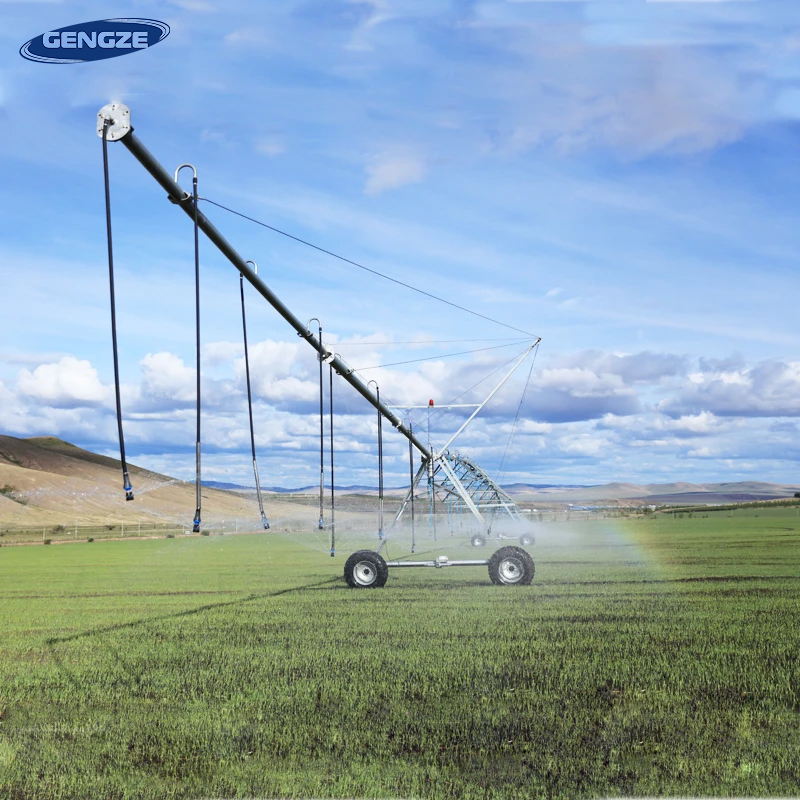
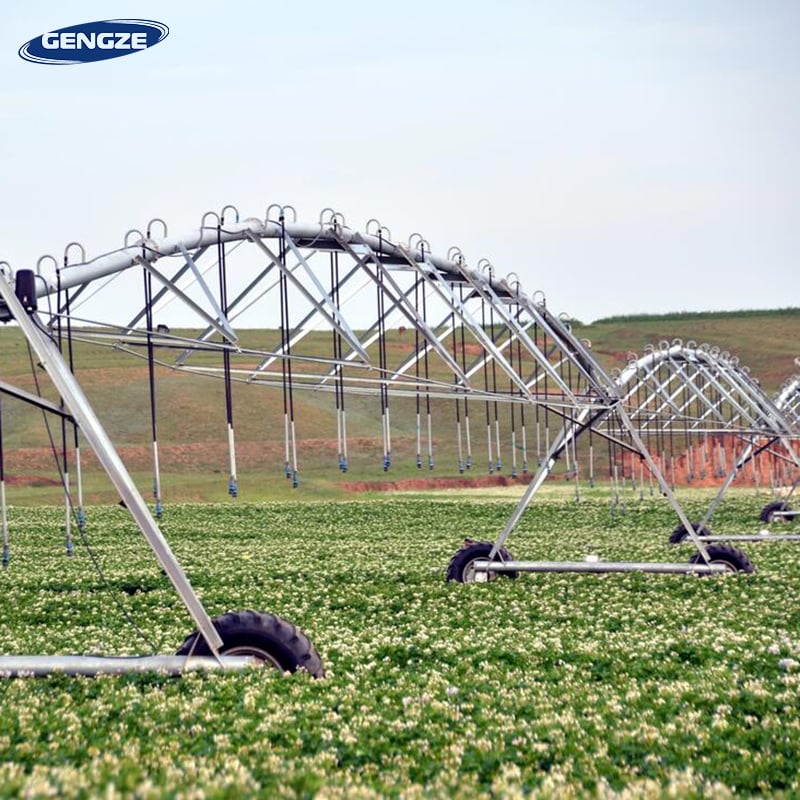
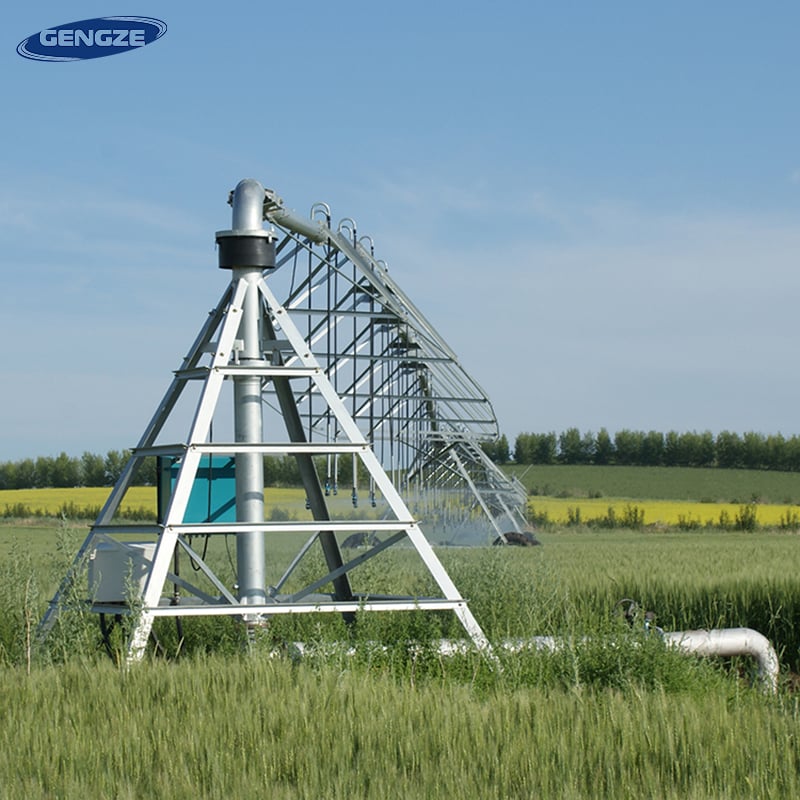
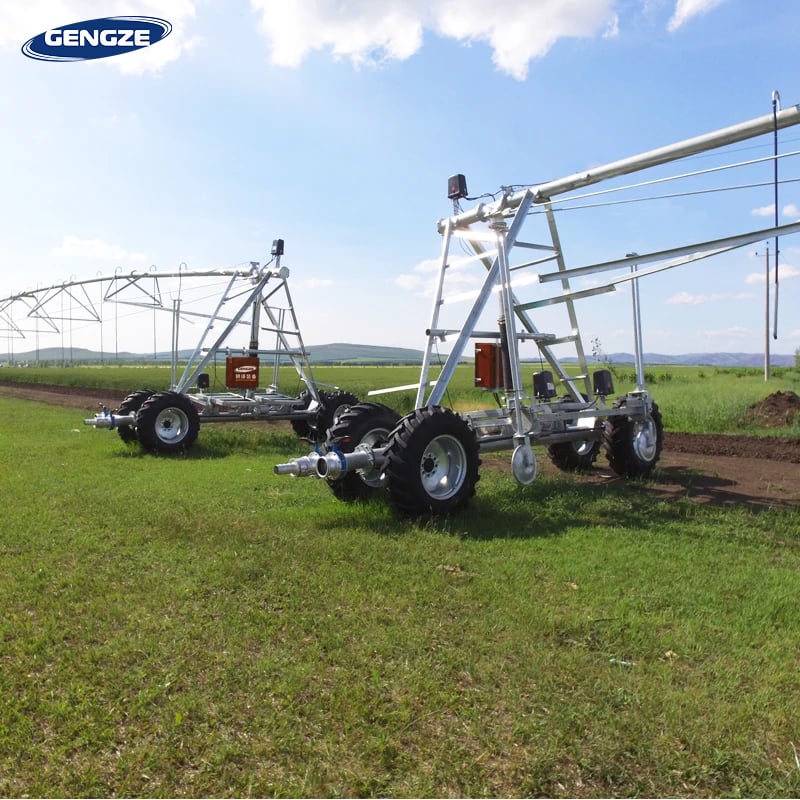
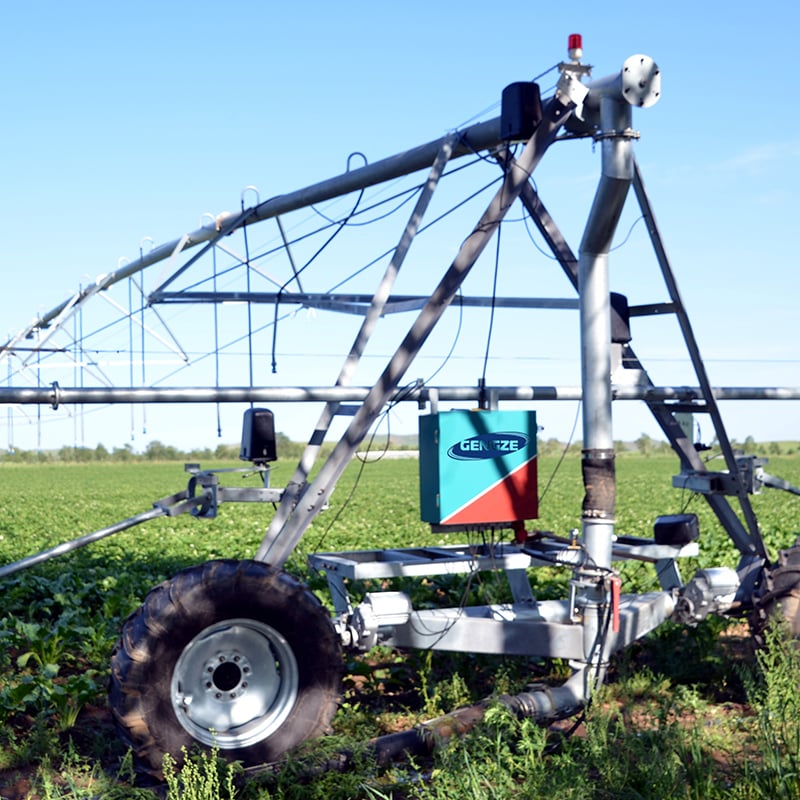
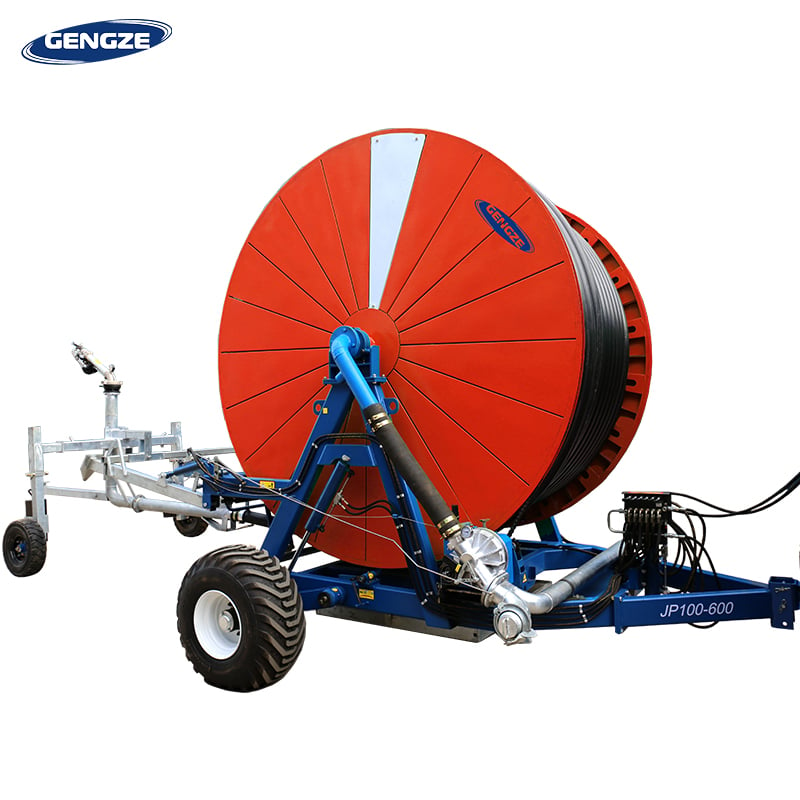
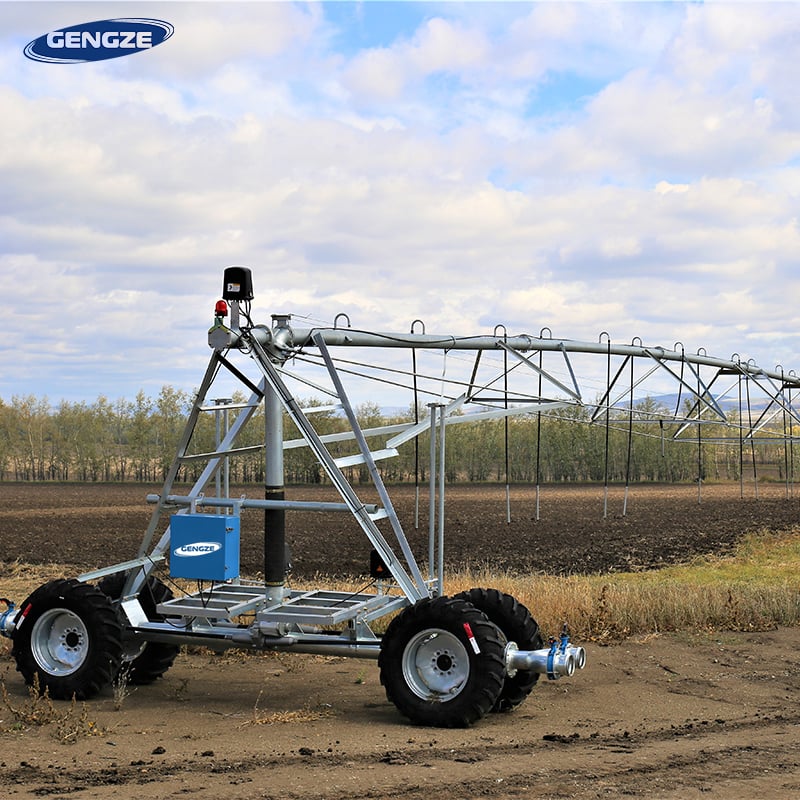
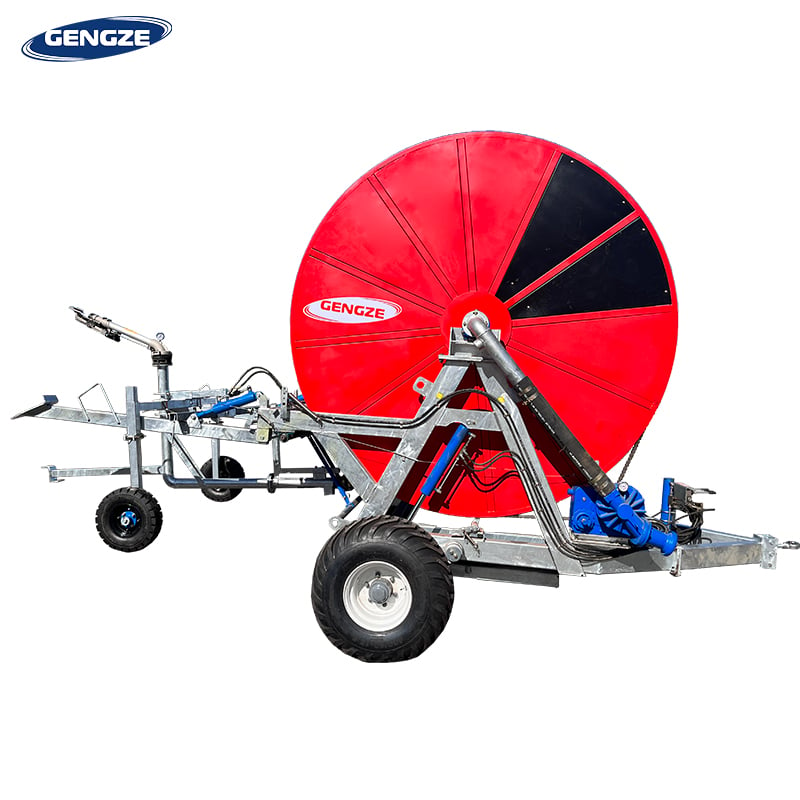
Center pivot irrigation systems are essential for modern agriculture, providing a highly effective method for watering crops over large areas. When considering the center pivot cost, buyers and distributors must assess multiple factors to ensure a worthwhile investment. This article will provide insights into key considerations for purchasing, including specifications, installation guidance, common problems and solutions, and applications across different farming scenarios
When evaluating center pivot irrigation systems, several critical factors influence a buyer's decision-making process. Firstly, the overall cost includes not just the initial purchase price but also installation, maintenance, and operational expenses. Buyers should also consider the system's efficiency in water usage, as this directly impacts both crop yield and water conservation efforts
Another important consideration is the adaptability of the system to different field shapes and sizes. Buyers should look for systems that offer customization options, tailored to their specific agricultural needs. The material quality of components such as pipes, wheels, and nozzles is essential, as it affects durability and longevity
Moreover, understanding the supplier’s manufacturing capabilities, including their experience and quality control processes, can help ensure that the product meets industry standards. Since Dalian Gengze Agricultural Equipment Manufacturing Co., Ltd has over 20 years of experience in the agricultural equipment sector, buyers can trust the quality and reliability of their Gengze brand center pivot systems
When reviewing specifications for center pivot irrigation systems, buyers should focus on several key parameters. The length of the pivot is crucial, as it determines the area covered and the efficiency of water application. Typical lengths range from 100 to 1,500 feet, and choosing the right size depends on the field's dimensions and crop type
The material of the pipeline, often made from high-density polyethylene (HDPE) or aluminum, plays a significant role in the system's durability and resistance to corrosion. Buyers should also assess the pressure ratings, as systems designed for higher pressures can deliver water more efficiently and effectively
Another critical specification is the motor type and power requirements. Electric motors are common, but some systems may use hydraulic or diesel options. Buyers should evaluate the availability of power sources and operating costs associated with each motor type
Lastly, consider the control system, which should offer automation features for ease of operation. Advanced systems may include remote monitoring capabilities, allowing users to optimize water application from anywhere
Proper installation of solar center pivot irrigation systems is essential for maximizing efficiency and minimizing long-term maintenance costs. Before installation, it is crucial to conduct a site assessment, including soil analysis and topography evaluation. This helps in determining the appropriate system configuration and identifying any potential obstacles
The installation process typically begins with staking out the pivot path, ensuring it aligns with the field's dimensions. Each section of the pivot must be leveled correctly to maintain consistent water distribution. It is advisable to work with experienced technicians or consult the manufacturer’s guidelines during this phase to avoid common pitfalls, such as misalignment or inadequate anchoring
After installation, conducting a thorough system check is essential. This includes verifying the functionality of controls, testing water pressure, and inspecting for leaks. Regular maintenance checks should follow to ensure operational efficiency and longevity
Despite their efficiency, center pivot irrigation systems can encounter several common issues. One frequent problem is uneven water distribution, often caused by incorrect pressure settings or blockages in the nozzles. To address this, regular maintenance should be performed, including cleaning nozzles and adjusting pressure settings as needed
Another common issue is mechanical failure, particularly in the drive system or wheel motors. Buyers should be proactive in monitoring these components and performing routine checks. Investing in high-quality parts and considering extended warranties from reputable manufacturers like Dalian Gengze can mitigate downtime and repair costs
Electrical issues can also arise, particularly with control systems. Ensuring that electrical connections are secure and protected from moisture is vital. In case of electrical failures, consulting the manufacturer’s support can provide specific troubleshooting steps tailored to the system in question
Center pivot irrigation systems are versatile and can be applied across various farming scenarios. They are particularly effective for large, flat fields where crops such as corn, soybeans, and wheat are grown. The ability to cover vast areas efficiently makes them ideal for commercial farms aiming to maximize yield
In addition to row crops, center pivot for sale can be adapted for use in horticulture or specialty crops, such as fruits and vegetables. However, adjustments may be necessary, including modifying nozzle sizes and application rates to suit different crop requirements. This customization capability is where manufacturers can provide significant value, tailoring systems to specific agricultural practices
Another application is in areas with limited water resources. By utilizing advanced nozzle technology and control systems, farmers can optimize water usage, reducing waste while maintaining crop health. Dalian Gengze’s expertise in manufacturing efficient irrigation systems positions them as a valuable partner for farmers looking to improve their irrigation strategies
In summary, understanding the various aspects of center pivot irrigation systems—from costs and specifications to installation and applications—empowers buyers to make informed decisions that enhance productivity and sustainability in agriculture

Dalian Gengze Agricultural Equipment Manufacturing Co.,Ltd
Copyright © Dalian Gengze Agricultural Equipment Manufacturing Co.,Ltd All Rights Reserved | Blog | Privacy Policy
 EN