Requesting a Call:
Online Support
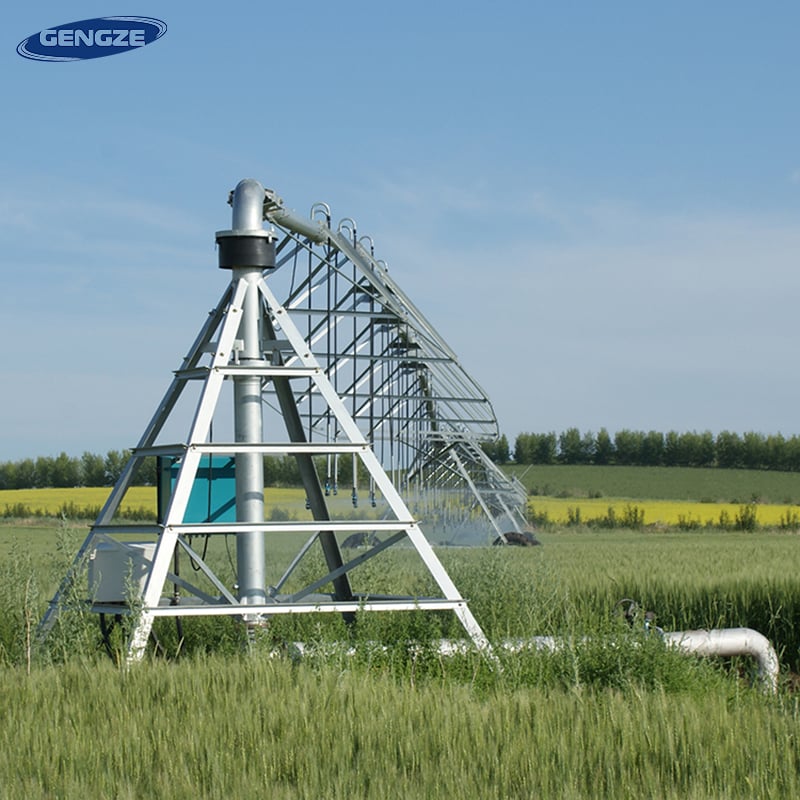
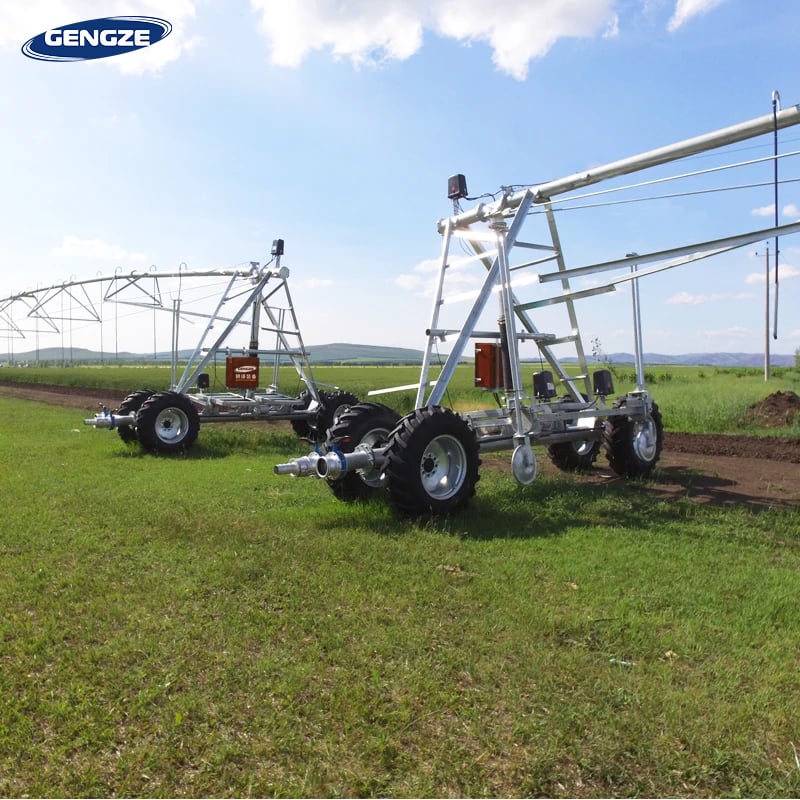
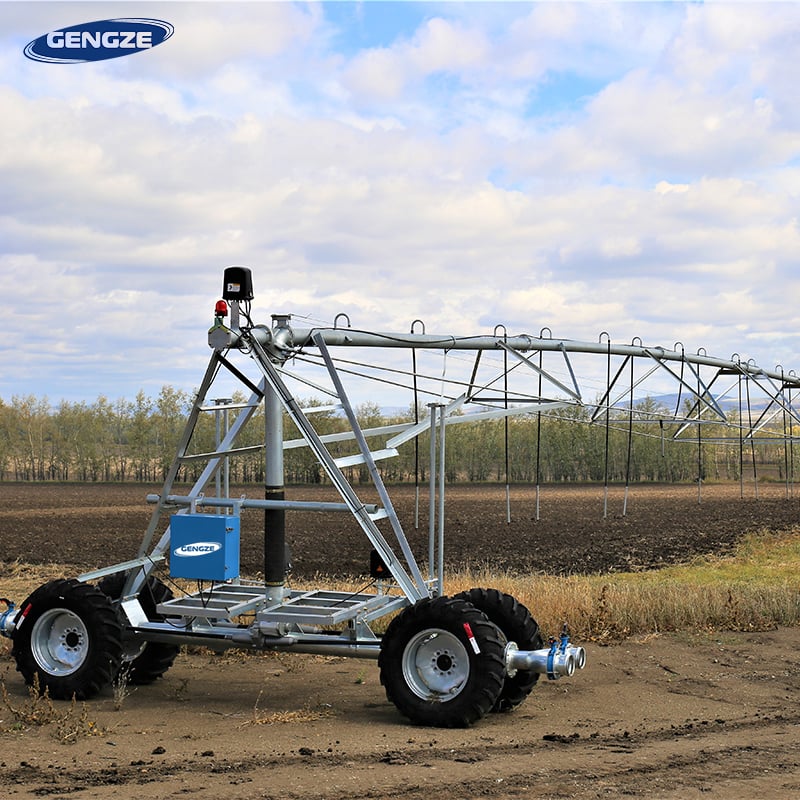
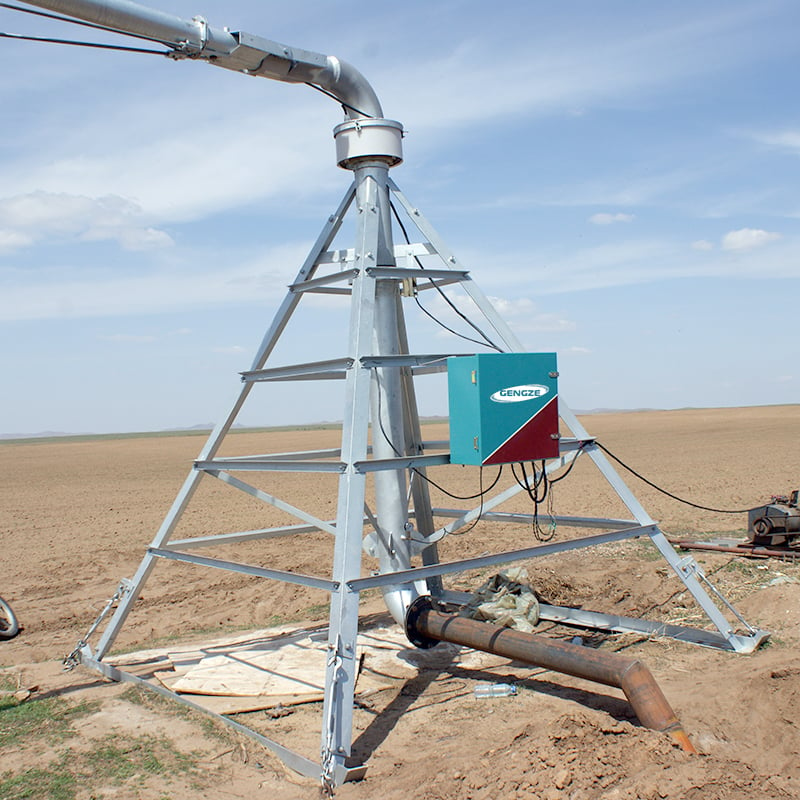
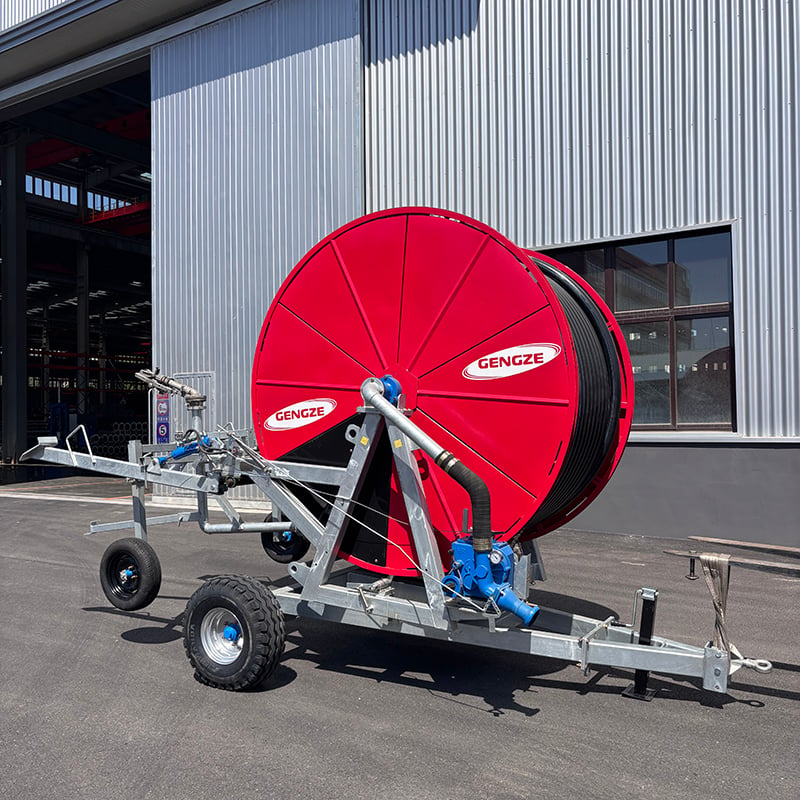
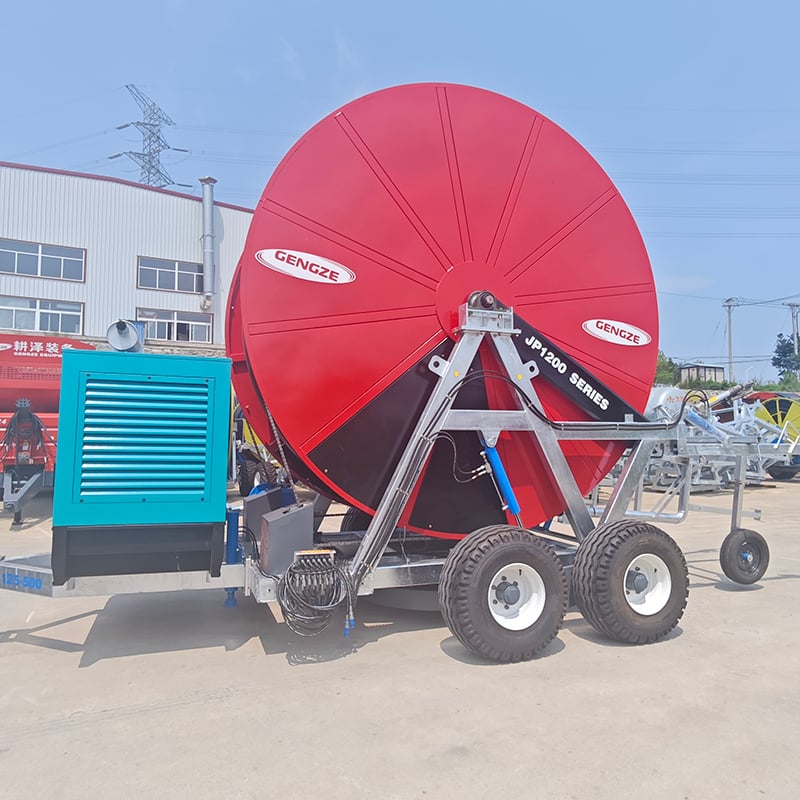
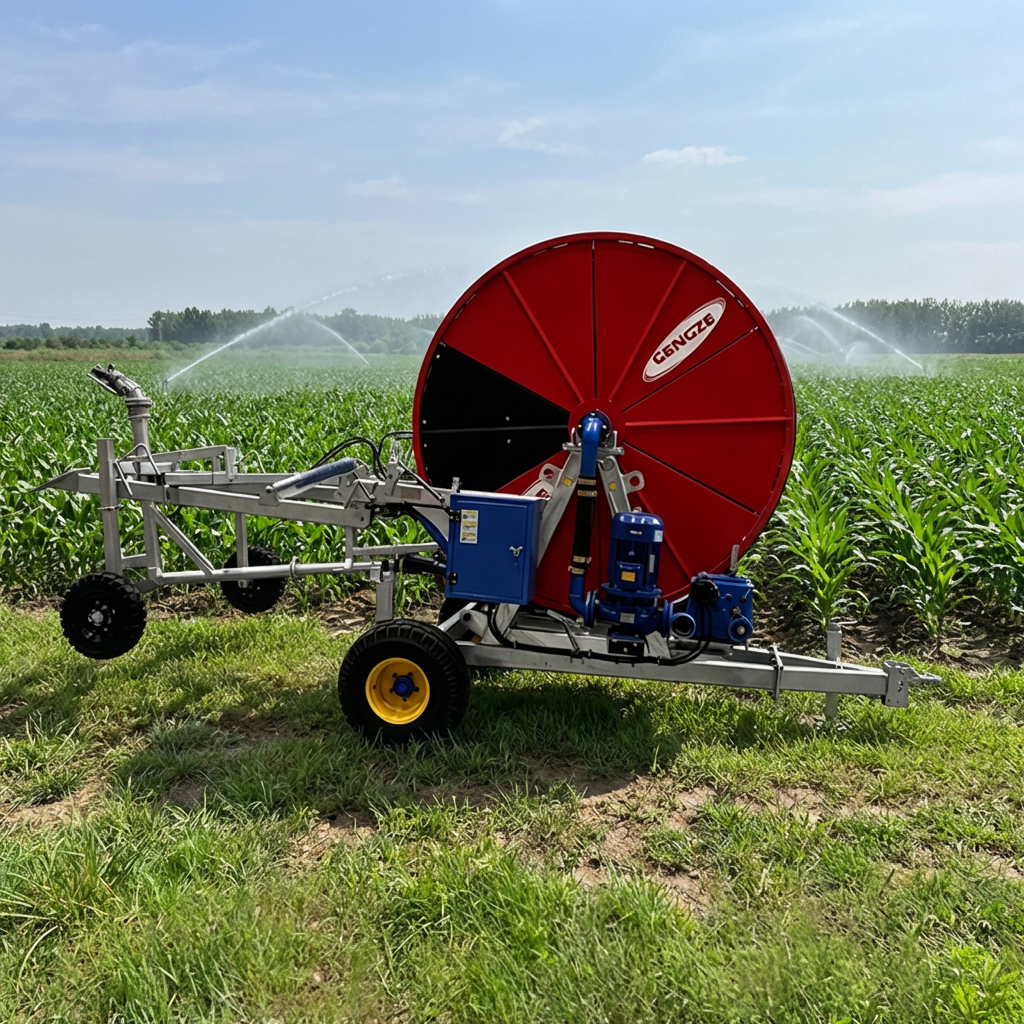
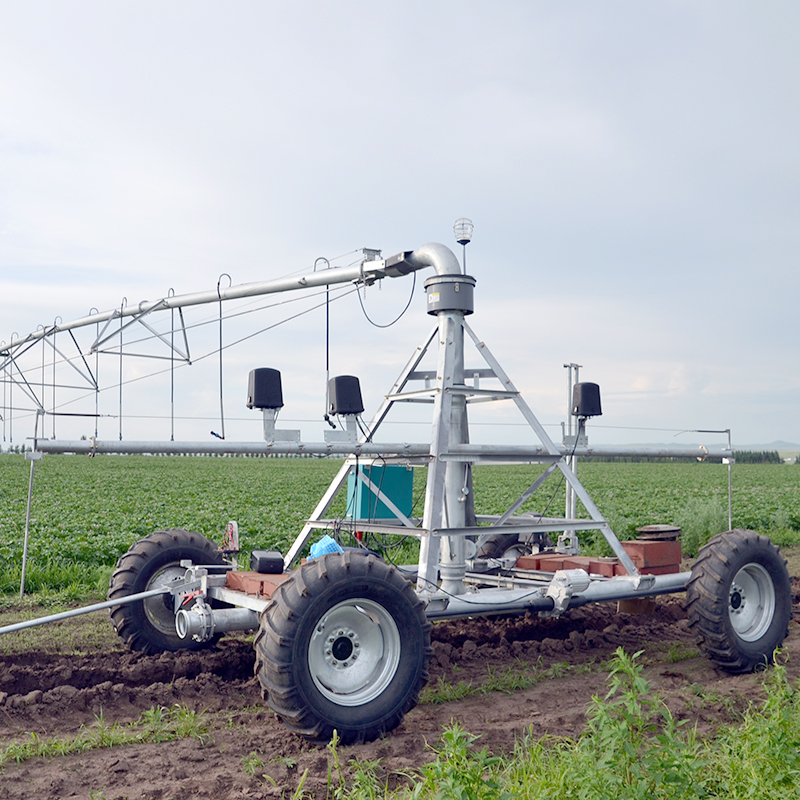
Understanding the cost of a center pivot irrigation system is vital for agricultural professionals looking to enhance their crop yield while managing resources effectively. As a B2B buyer, you may have various concerns regarding the specifications, quality, installation, and overall value of these systems. This article will help you navigate these considerations, ensuring you make informed purchasing decisions about best center pivot irrigation system.
When evaluating Gengze center pivot irrigation systems, several key specifications should be prioritized:
Span Length and Configuration: The length of the pivot spans significantly impacts the coverage area and efficiency. Standard spans range from 100 to 200 feet, but custom configurations can be designed based on field size and shape.
Water Application Rate: This is typically measured in inches per hour and should match the crop's water requirements. An appropriate rate ensures that soil absorption is optimized, preventing runoff and water wastage.
Drive System: The choice between electric, hydraulic, or mechanical drive systems can influence both cost and maintenance. Electric systems are popular for their efficiency, while hydraulic drives may offer better torque and control under certain conditions.
Materials and Durability: The materials used in the construction of the pivot system, such as galvanized steel or aluminum, affect longevity and resistance to environmental factors. High-quality materials can mitigate corrosion and wear over time.
Control Systems: Modern center pivot systems often feature advanced control technologies that can automate watering schedules and monitor system performance. A reliable control system can enhance operational efficiency and reduce labor costs.
Understanding these specifications will help you assess whether a particular system meets your operational needs and budget constraints.
Quality is paramount when selecting a Gengze center pivot irrigation system. Here are critical quality factors to consider:
Manufacturing Standards: Check if the manufacturer adheres to quality standards such as ISO certifications. This indicates a commitment to producing reliable and safe equipment.
Component Quality: Investigate the quality of components like wheels, gearboxes, and hoses. High-quality components enhance system performance and reduce downtime due to repairs.
Warranty and Support: A robust warranty and responsive customer support can significantly affect the total cost of ownership. Ensure the manufacturer provides adequate service and parts availability.
User Reviews and Case Studies: Researching user experiences can provide insight into the long-term performance of the irrigation systems. Successful case studies in similar agricultural settings can also offer valuable benchmarks.
Testing and Certification: Verify if the systems have undergone testing for performance and durability, especially under varying operational conditions. Certifications from recognized agricultural bodies can also serve as a quality assurance indicator.
By focusing on these quality factors, you can better ensure that the center point irrigation system will meet your farming needs over the long term.
Installation can be a critical phase where problems may arise, impacting the overall effectiveness of the irrigation system. Some common installation issues include:
Inadequate Field Preparation: Failing to adequately prepare the field can lead to uneven pivot operation and water distribution. Proper land leveling is crucial for optimal system performance.
Incorrect Alignment: Misalignment of the pivot structure can cause uneven watering patterns. It’s essential to follow the manufacturer’s guidelines for alignment during installation.
Power Supply Issues: Ensuring that the power supply is adequate for electric or hydraulic systems is vital. Insufficient power can lead to operational failures.
Water Source Compatibility: Verify that the water source can sustain the system's demands. Inadequate or inconsistent water supply can affect the irrigation effectiveness.
Soil Conditions: The type of soil can influence the performance of the irrigation system. Understanding soil absorption rates and drainage capabilities can help in planning the layout and function of the system.
Addressing these common installation problems upfront can save time and costs while ensuring effective utilization of the irrigation system.
Understanding the cost structure of Gengze center pivot irrigation systems is essential for budgeting. Key factors influencing pricing include:
System Size: Larger systems typically come with higher costs due to increased materials and complexity. Assess your field size to determine the most cost-effective system configuration.
Technology Features: Advanced features such as GPS tracking, remote monitoring, and automated controls can increase initial costs but may lead to long-term savings through improved efficiency.
Customization Requirements: Custom-built systems tailored to specific field conditions or crop types can lead to higher costs. However, they often provide better performance and efficiency.
Installation Costs: Installation can account for a significant portion of the total cost. It’s important to factor in labor and any additional equipment required during the installation phase.
Maintenance and Operating Costs: Consider the long-term maintenance and operational costs associated with the system. Higher-quality systems may have lower maintenance needs, impacting overall budget assessments.
By comprehensively evaluating these cost factors, you can better align your budget with the right irrigation system for your agricultural needs.
Center pivot irrigation systems have diverse applications across various agricultural settings:
Row Crop Farming: These systems are widely used in row crop farming, including corn, soybeans, and vegetables. They provide uniform water distribution, which is crucial for maximizing yields.
Permanent Crops: For orchards and vineyards, center pivot systems can efficiently manage water without disrupting plant roots, ensuring healthy growth and fruit quality.
Pasture and Hay Production: Livestock farmers utilize center pivot systems to irrigate pastures and hay fields, promoting better forage growth and sustainability in livestock management.
Research and Experimental Farms: Many agricultural research institutions employ center pivot irrigation for controlled studies on crop performance under varying water regimes.
Greenhouse and Nursery Operations: In controlled environments, these lateral move irrigation system can be adapted to meet the precise water needs of plants, ensuring optimal growth conditions.
Understanding the applications of center pivot irrigation systems can help you determine how they fit into your specific agricultural practices.

Dalian Gengze Agricultural Equipment Manufacturing Co.,Ltd
Copyright © Dalian Gengze Agricultural Equipment Manufacturing Co.,Ltd All Rights Reserved | Blog | Privacy Policy
 EN