Requesting a Call:
Online Support
Center pivot irrigation systems are essential tools for modern agriculture, providing efficient water distribution across vast fields. If you’re in the market for a center pivot irrigation system for sale, understanding the various specifications, quality evaluations, and application suitability is crucial. This article addresses common concerns for B2B buyers, such as product selection, quality assurance, cost factors, and practical applications, ensuring you have the necessary insights to make informed purchasing decisions
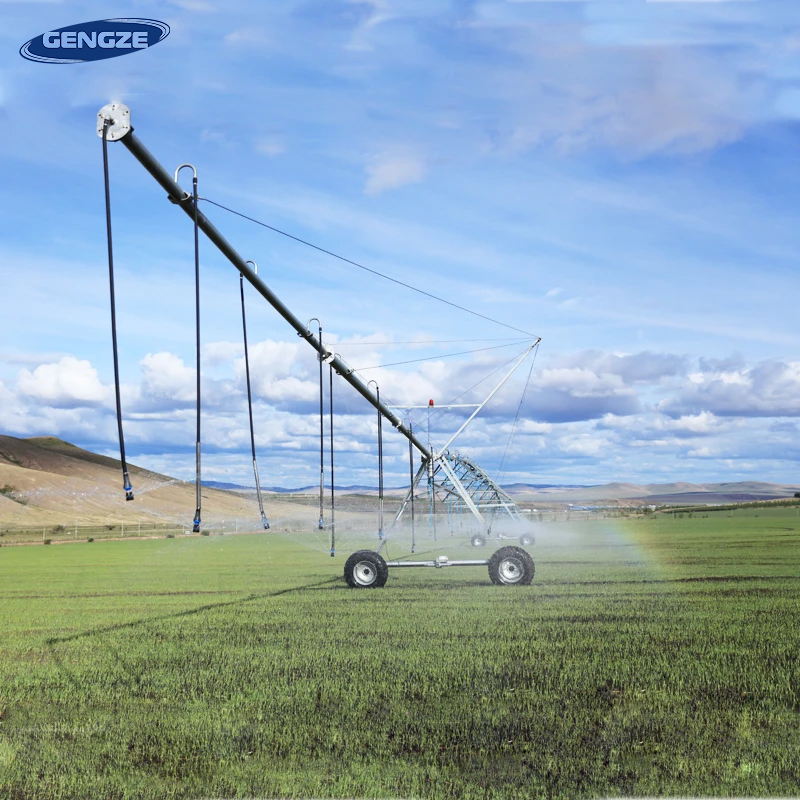
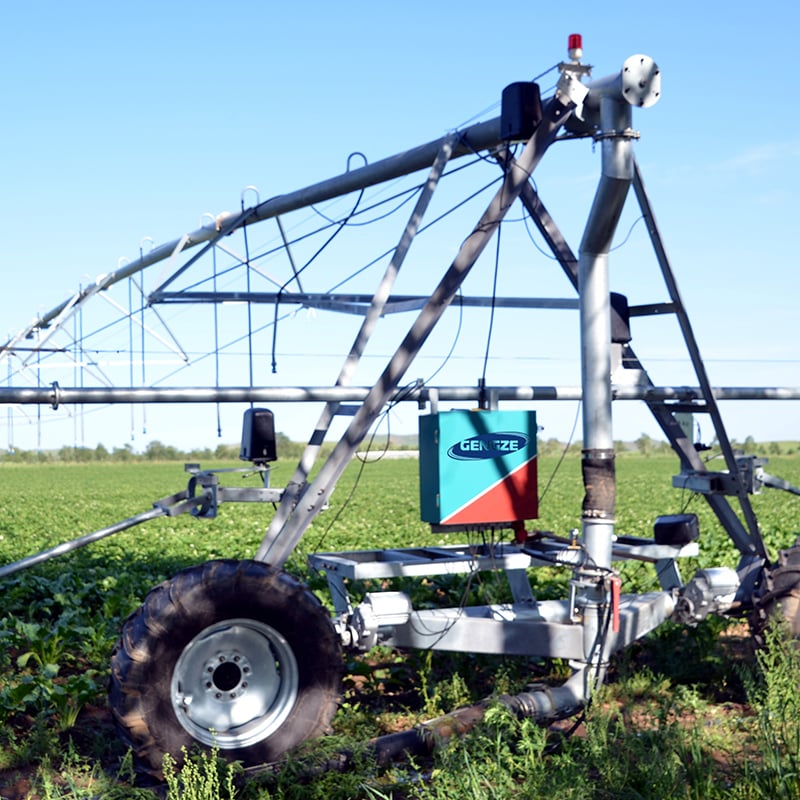
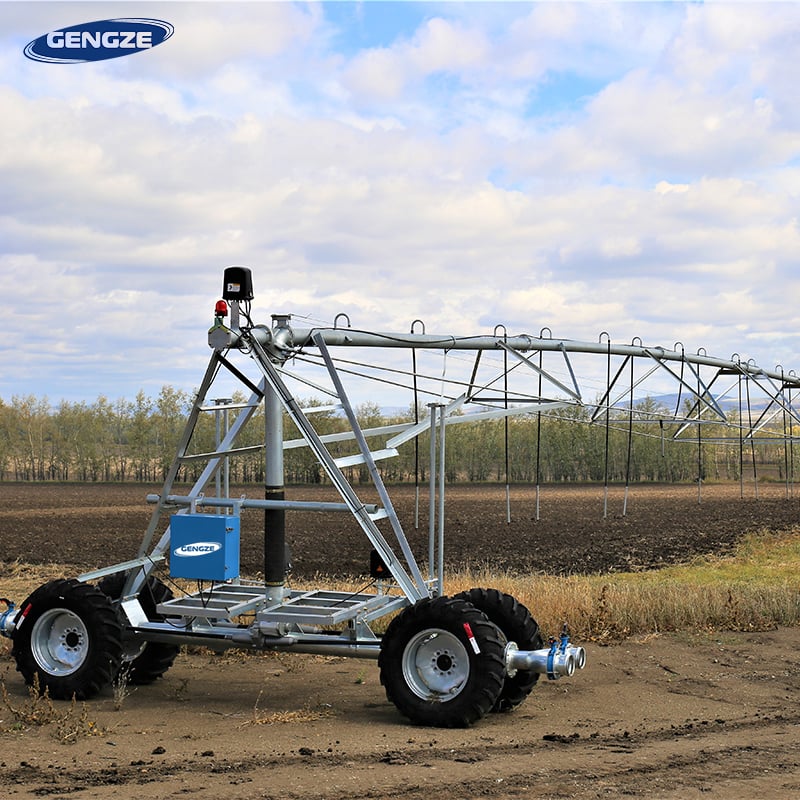
When evaluating a center pivot and linear move irrigation system, several key specifications deserve your attention. These include the length of the pivot, which can range typically from 100 to 1,500 feet, depending on the field size and shape. The system’s width is crucial for ensuring adequate coverage, with standard widths varying between 30 and 70 feet
Another critical specification is the water application rate, generally measured in inches per hour. This rate should match the crop water requirements and soil absorption capabilities to prevent runoff or waterlogging. Additionally, consider the materials used in construction—high-quality aluminum or galvanized steel ensures durability against environmental stressors
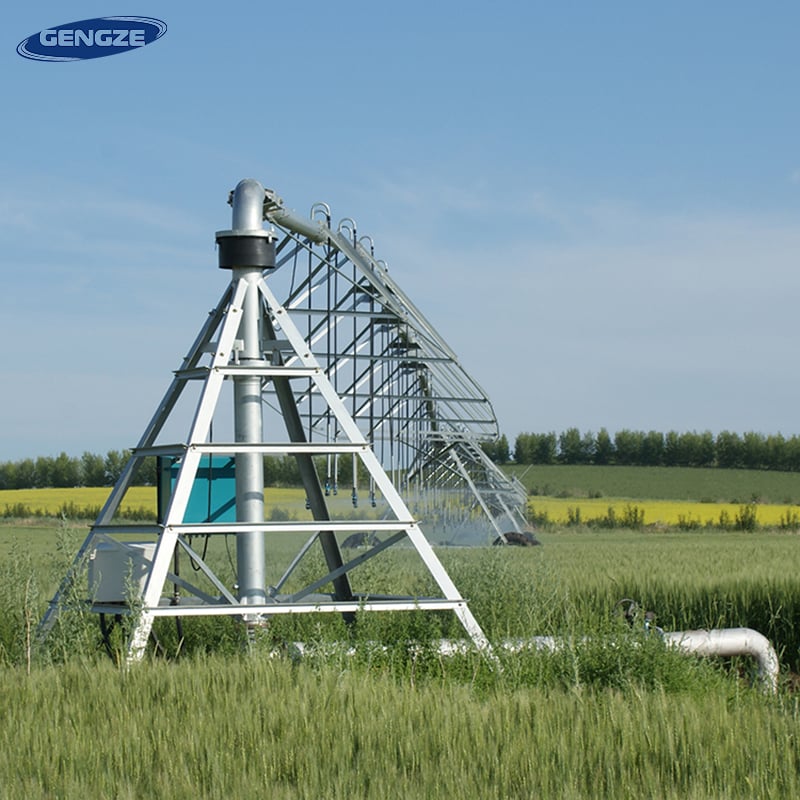
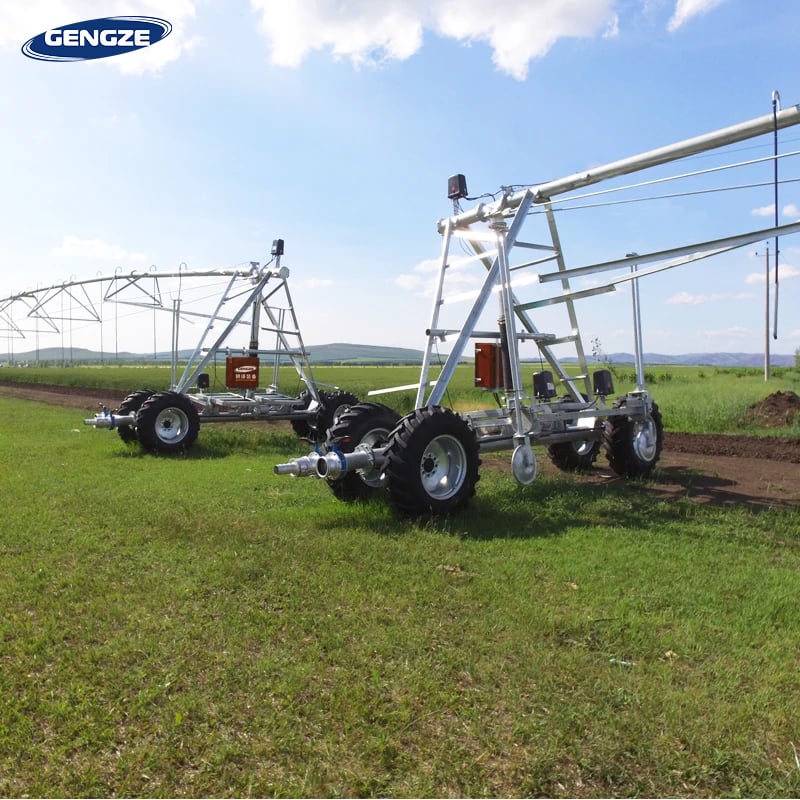
The drive system, usually either electric or hydraulic, affects both the efficiency and maintenance of the system. Electric drive systems are often favored for their lower operational costs, while hydraulic systems can provide greater torque, making them suitable for uneven terrain. Lastly, an advanced control system, which may incorporate GPS technology, is essential for optimizing water usage and reducing waste
Quality assurance is critical when purchasing center pivot irrigation systems in bulk. First, inspect the manufacturer’s certifications and quality control processes. A reliable manufacturer, such as Dalian Gengze Agricultural Equipment Manufacturing Co., Ltd, typically follows rigorous quality standards, including ISO certifications, which ensure that products meet international performance and safety specifications
Before placing a bulk order, it’s advisable to evaluate sample units thoroughly. Look for features like the robustness of joints and connectors, as these are common failure points. Additionally, assess the operational ease—how simple is it to set up and adjust the system
Finally, consider the manufacturer's reputation and their after-sales support. A trustworthy manufacturer will provide comprehensive service agreements and readily available parts for maintenance, which can significantly reduce long-term operational hurdles
Sourcing reliable center pivot irrigation machine systems requires careful consideration of suppliers. Start by identifying manufacturers known for their reputation in the agricultural equipment industry. A company with over 20 years of experience, like Dalian Gengze Agricultural Equipment Manufacturing, often has established a solid track record in producing durable and efficient systems
Consider reaching out to suppliers that offer customization options. The ability to tailor specifications to fit unique field conditions can enhance the overall effectiveness of the irrigation system. Moreover, evaluate their logistics capabilities—ensure they can deliver to your location and provide timely shipment to minimize project delays
Attending agricultural exhibitions or trade shows can also provide valuable insights into potential suppliers. Engaging with manufacturers face-to-face allows for detailed discussions regarding product specifications and quality assurance processes
Several factors influence the cost of center pivot irrigation systems. The first consideration is the system's size and complexity; larger systems with advanced technologies will typically incur higher costs. Material choices also play a significant role—aluminum systems are lighter and more resistant to corrosion but may come at a premium compared to galvanized steel
Another critical factor is the inclusion of automation features. Systems equipped with advanced control systems, such as remote monitoring and GPS capabilities, generally cost more upfront but can lead to long-term savings through improved water efficiency
Additionally, buyers should account for installation costs. Depending on the field’s terrain and the system’s complexity, installation may require specialized labor, which can impact the overall budget. It’s also wise to consider ongoing maintenance expenses, as more sophisticated systems often require more frequent servicing
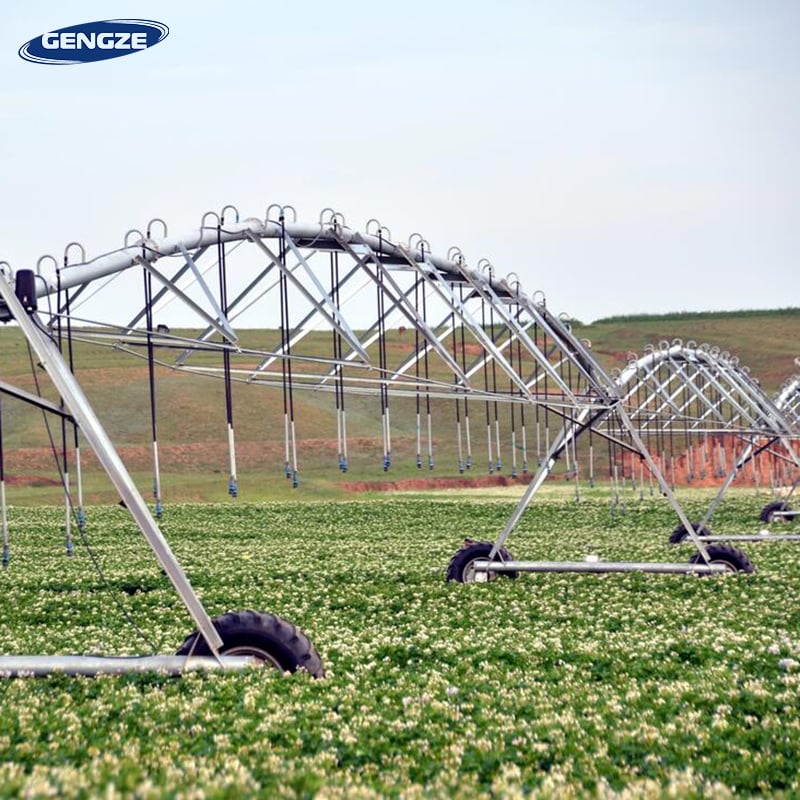
Center pivot irrigation systems are versatile and can be adapted for various agricultural applications. Primarily, they are used for irrigating row crops such as corn, soybeans, and wheat, where uniform water distribution is critical for maximizing yield
These systems are also increasingly being used for specialty crops, including fruits and vegetables, where precision irrigation can enhance growth and reduce water waste. In areas with limited water resources, utilizing a center pivot system with efficient water application rates can significantly improve crop productivity while conserving water
Additionally, the flexibility of center pivot systems allows for their use in various terrains, making them suitable for both flat and uneven fields. The ability to customize the design and layout further enhances their suitability for diverse agricultural practices
By understanding these applications, buyers can better assess their specific needs and how a center pivot sprinklers for sale irrigation system can optimize their agricultural operations
In summary, purchasing a center pivot irrigation system involves a careful evaluation of specifications, quality assurance, sourcing, cost factors, and applications. By following these guidelines, B2B buyers can make informed decisions that enhance productivity and efficiency in their agricultural practices

Dalian Gengze Agricultural Equipment Manufacturing Co.,Ltd
Copyright © Dalian Gengze Agricultural Equipment Manufacturing Co.,Ltd All Rights Reserved | Blog | Privacy Policy
 EN