Requesting a Call:
Online Support
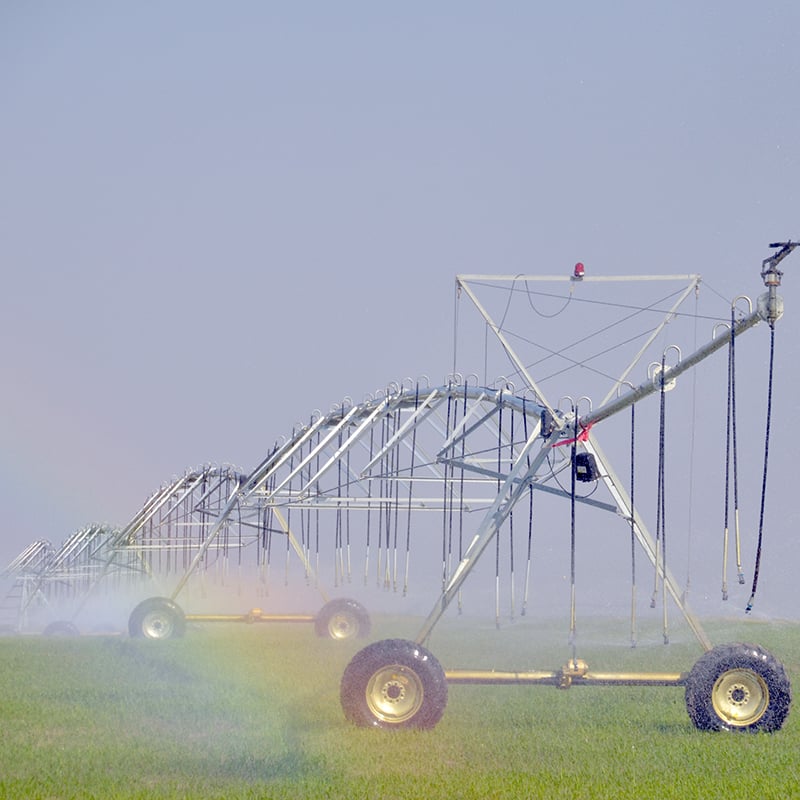
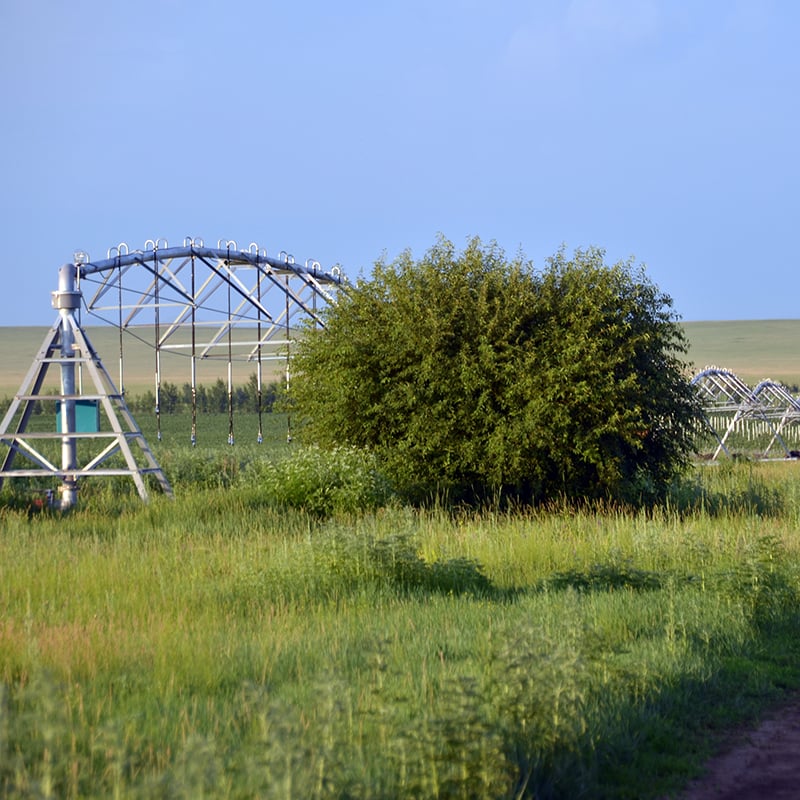
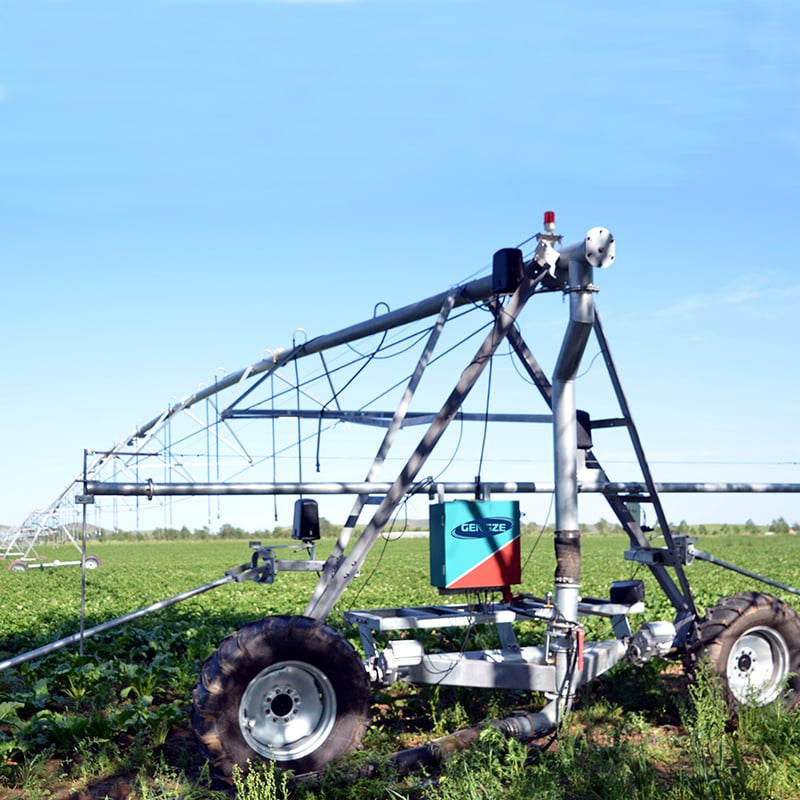
Investing in a center pivot irrigation system is a strategic move for any agricultural operation aiming to optimize water efficiency and crop yield. The installation of these systems can significantly impact both resource management and operational costs. This article will cover essential factors to consider, common installation challenges, and key insights for buyers looking to implement center pivot irrigation system installation effectively.
When selecting a center pivot irrigation system, several specifications are critical to ensuring optimal performance and compatibility with your agricultural needs.
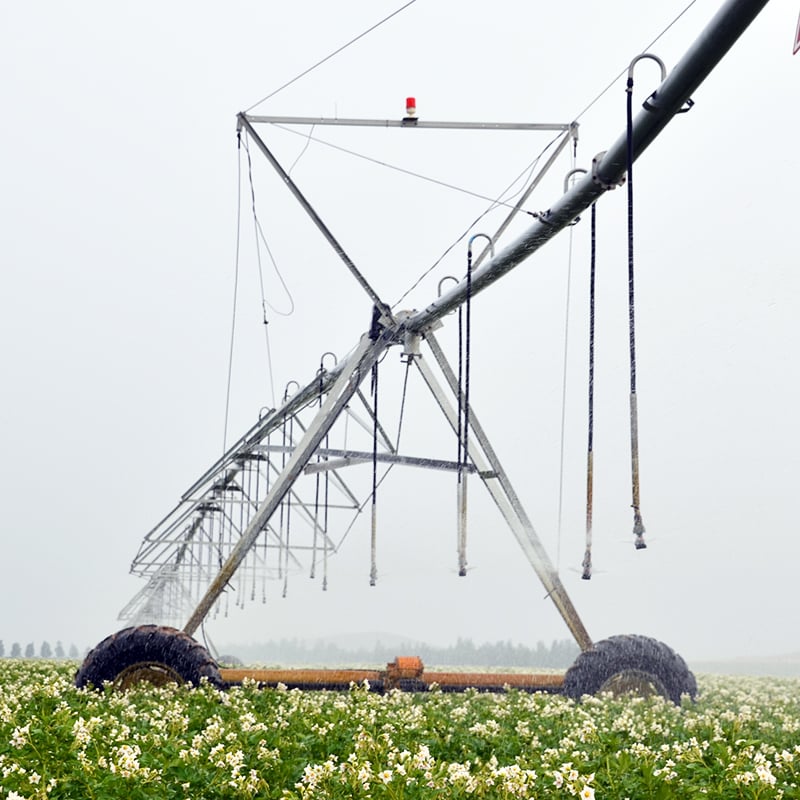
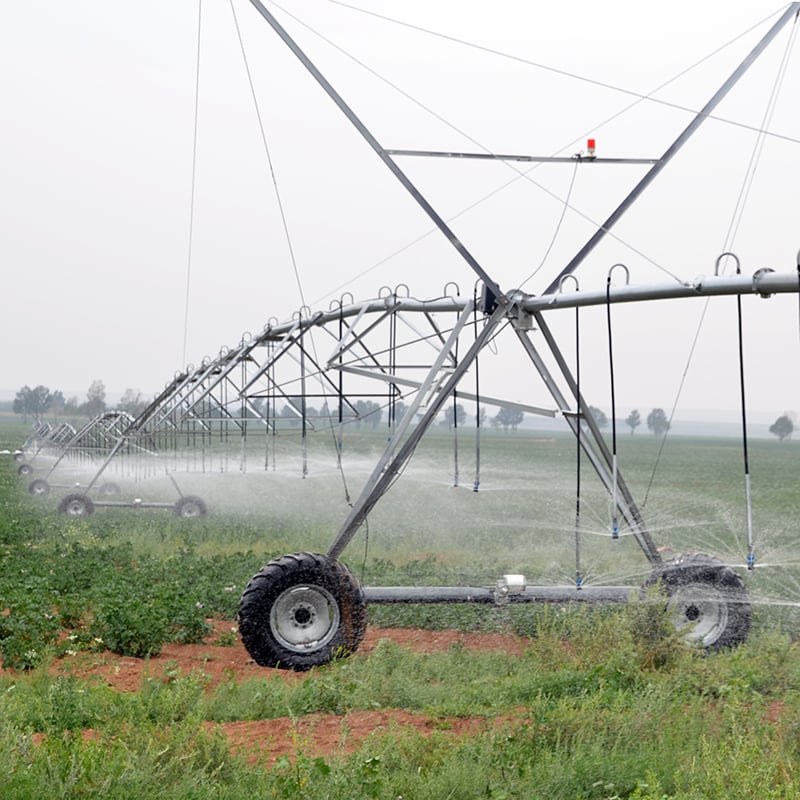
Span Length and Configuration: The span length determines the coverage area. Longer spans can cover larger fields but may require more powerful motors and robust structures. Understand the layout of your fields to choose the right configuration.
Material Quality: The materials used in constructing the pivot system, such as galvanized steel or aluminum, impact durability and resistance to environmental factors. Galvanized steel offers enhanced rust protection, which is crucial for longevity in wet conditions.
Control Systems: Modern center pivots come equipped with advanced control systems, allowing for variable rate irrigation. Evaluate the features of the control system, including remote monitoring and automation capabilities, which can enhance efficiency and reduce labor costs.
Drive Mechanism: The choice between hydraulic and electric drive systems affects maintenance, energy consumption, and installation costs. Hydraulic systems often provide more torque and are suitable for uneven terrain, while electric drives are generally more efficient and easier to maintain.
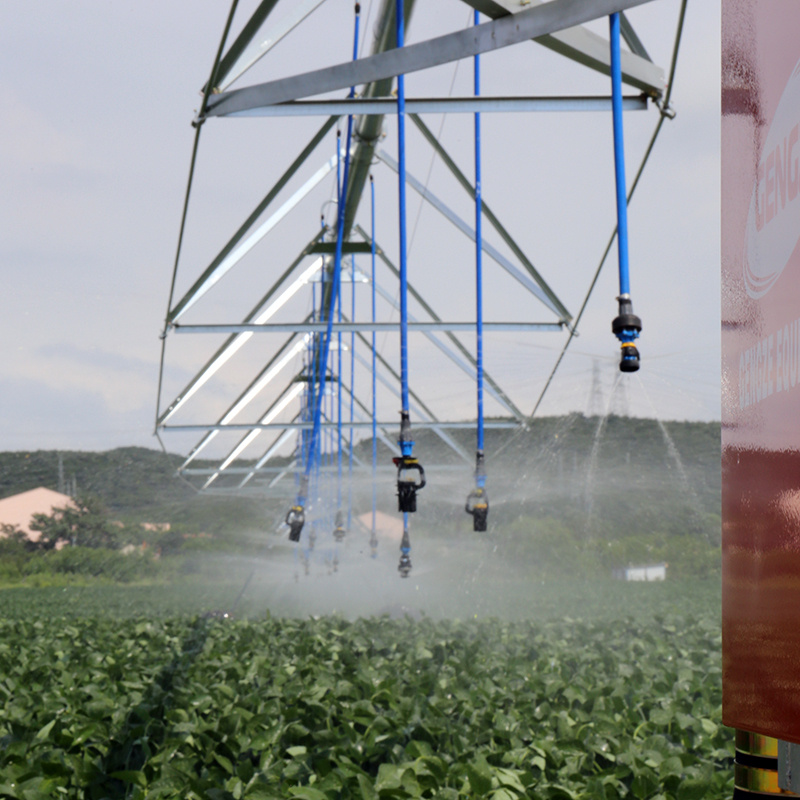
Water Application Rates: The system should align with the crop's water requirements. Assess the nozzle sizes and distribution patterns to ensure proper irrigation without water wastage.
Understanding these specifications will help you choose a center pivot irrigation system that meets your operational needs and enhances agricultural productivity.
Finding reputable suppliers for center pivot irrigation equipment can be challenging. Here are several approaches to identify reliable manufacturers:
Industry Trade Shows: Attending agricultural trade shows is an effective way to meet manufacturers and see their products firsthand. This also allows you to discuss customization options and gather insights on the latest innovations in irrigation technology.
Online Directories and Reviews: Utilize online platforms that specialize in agricultural equipment. Websites like ThomasNet or industry-specific forums can provide listings of manufacturers along with customer reviews, helping you gauge reliability and product quality.
Manufacturer Certifications: Look for suppliers with certifications such as ISO 9001, which indicates a commitment to quality management systems. This can be a good indicator of a manufacturer’s reliability and adherence to industry standards.
Local Agricultural Associations: Engaging with local farming or agricultural associations can provide references to trusted suppliers. Members often share their experiences and recommendations based on their own installations.
By exploring these avenues, you can identify suppliers that are trustworthy and capable of meeting your needs for center pivot irrigation system installation.
Installing a center pivot irrigation system requires careful planning and execution. Here’s a step-by-step approach to ensure a successful installation:
Site Assessment: Begin with a thorough assessment of the site. Analyze soil types, topography, and water sources to determine the right configuration for the system.
Design and Planning: Work with the manufacturer to create a custom design that fits your field layout and crop types. Consider factors like the water source, power supply, and accessibility for maintenance.
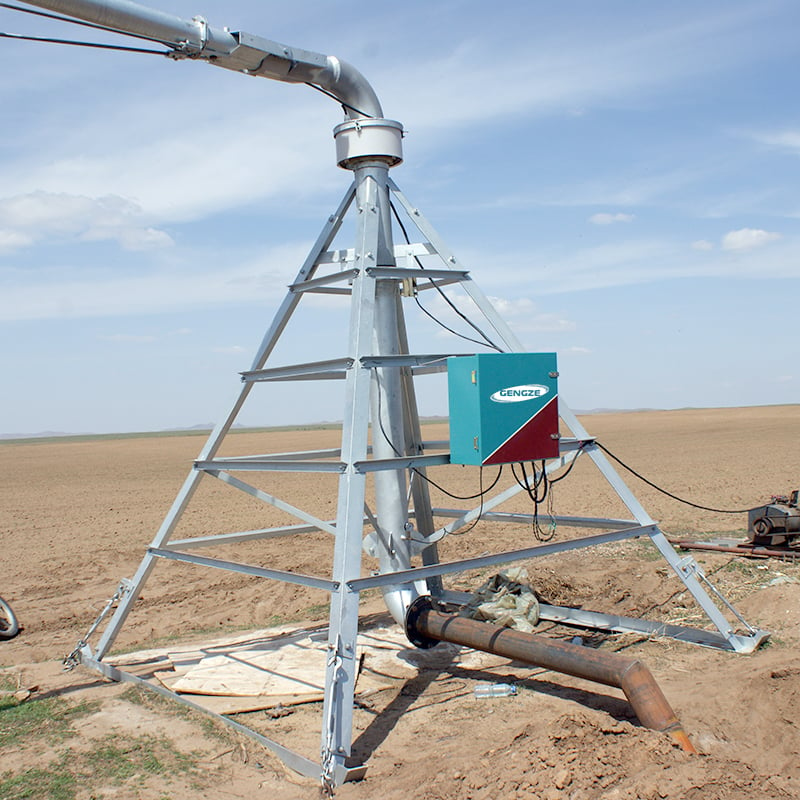
Foundation Preparation: Before installation, prepare a solid foundation. This might include leveling the ground and ensuring proper drainage to prevent water accumulation around the pivot structure.
Equipment Assembly: Follow the manufacturer’s guidelines to assemble the components. This typically involves erecting the main pivot structure, attaching spans, and installing the control systems.
Testing and Calibration: Once installed, conduct a thorough test of the system to ensure it operates as intended. Check for leaks, calibrate the control system, and adjust the nozzle settings to ensure optimal water distribution.
Training and Maintenance: Finally, provide training for the personnel responsible for operating the system. Regular maintenance checks should be scheduled to ensure long-term functionality.
Following this structured approach will minimize installation issues and enhance the efficiency of your center pivot irrigation machine.
Center pivot irrigation systems can encounter several common issues during installation and operation. Here are potential problems and recommended solutions:
Uneven Water Distribution: This can occur due to incorrect nozzle sizes or misalignment. Regularly check and adjust the nozzles and ensure proper calibration of the control system to maintain uniform distribution.
Mechanical Failures: Components like gearboxes and motors may fail due to wear or improper maintenance. Implement a routine maintenance schedule to inspect and lubricate mechanical parts, replacing any worn components promptly.
Soil Compaction: Heavy machinery used during installation can lead to soil compaction, affecting crop yield. To mitigate this, consider using narrower tires on the pivot or employing a no-till farming approach.
Power Supply Issues: Fluctuations in power can disrupt operations. Ensure that the electrical supply is stable and consider backup generators for critical periods, particularly during peak irrigation times.
By being aware of these common problems and their solutions, you can better prepare for the challenges associated with center pivot irrigation systems.
Before finalizing your purchase of a center pivot irrigation system, there are several key factors that buyers should evaluate:
Cost Considerations: Understand the total cost of ownership, which includes not only the initial purchase price but also installation, maintenance, and operational costs. Request detailed quotations from suppliers that outline all components and services.
Customization Options: Discuss customization capabilities with potential suppliers. This may include adjustments to the pivot length, control systems, or additional features that can enhance efficiency for your specific agricultural practices.
Lead Times and Delivery: Inquire about lead times for production and delivery. Factors such as order size and customization can affect these timelines, so it’s essential to plan your purchase well ahead of the planting season.
After-Sales Support: Evaluate the level of after-sales support offered by the supplier. Access to technical support, spare parts, and maintenance services can significantly impact the long-term success of your solar center pivot irrigation system.
Installation Experience: Ensure that the supplier has a proven track record in installing center pivot irrigation systems. Request references or case studies to verify their experience and expertise.
By considering these factors, buyers can make more informed decisions and select the right center pivot irrigation system that meets their operational needs.

Dalian Gengze Agricultural Equipment Manufacturing Co.,Ltd
Copyright © Dalian Gengze Agricultural Equipment Manufacturing Co.,Ltd All Rights Reserved | Blog | Privacy Policy
 EN