Requesting a Call:
Online Support
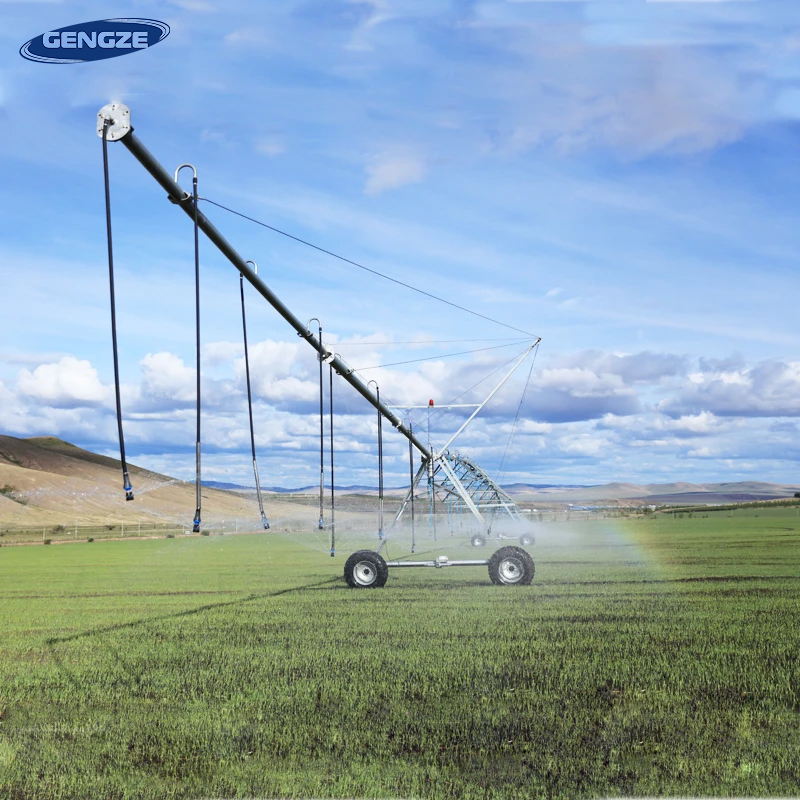
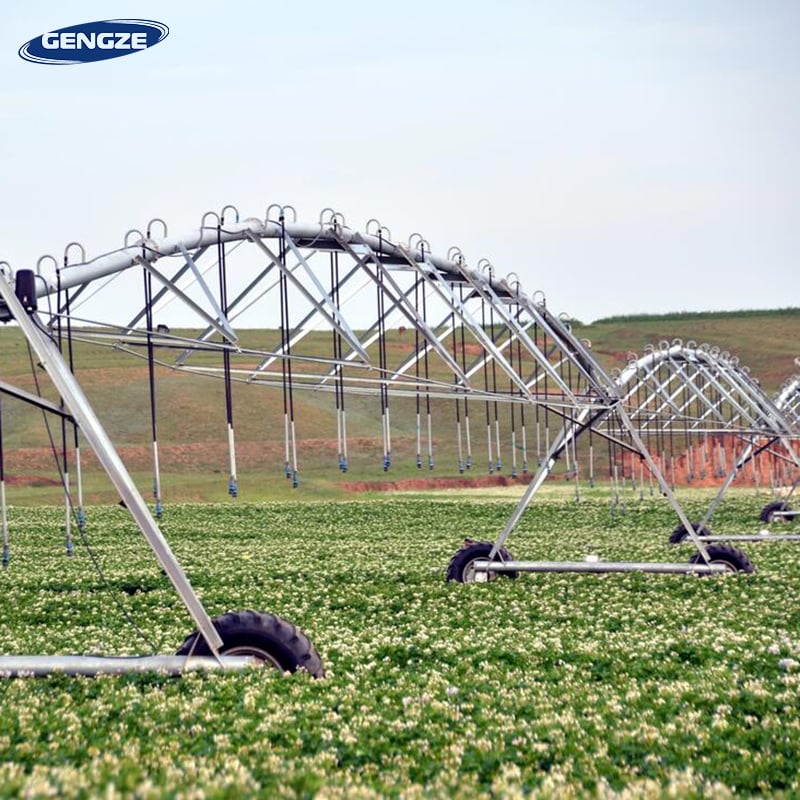
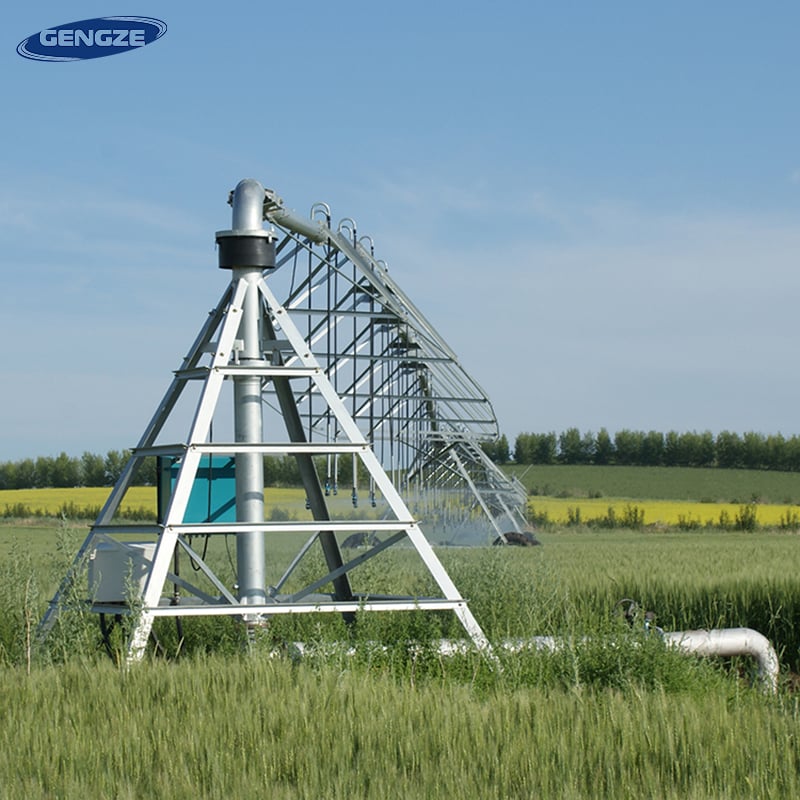
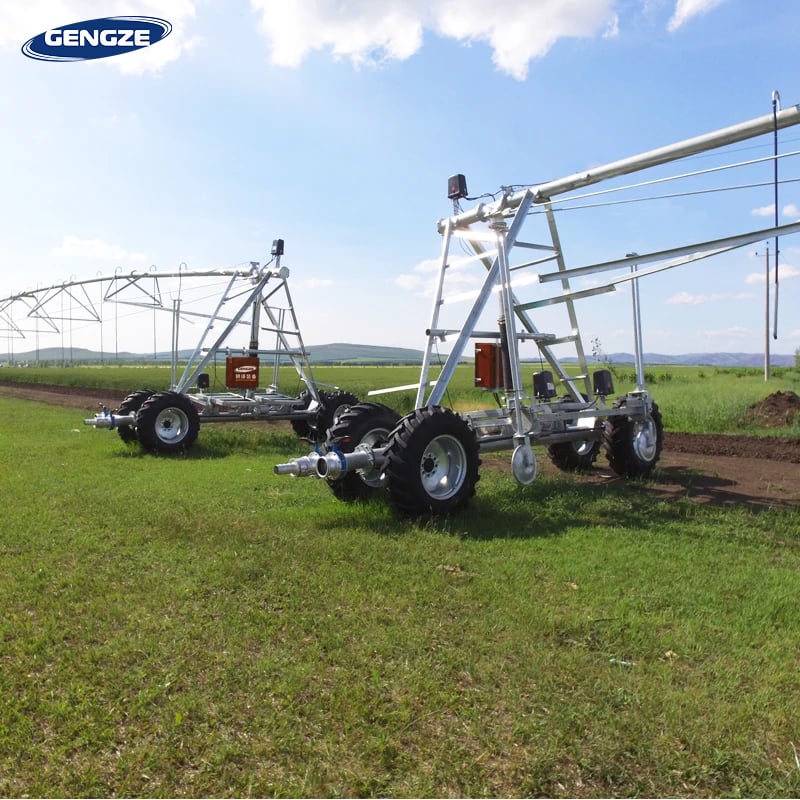
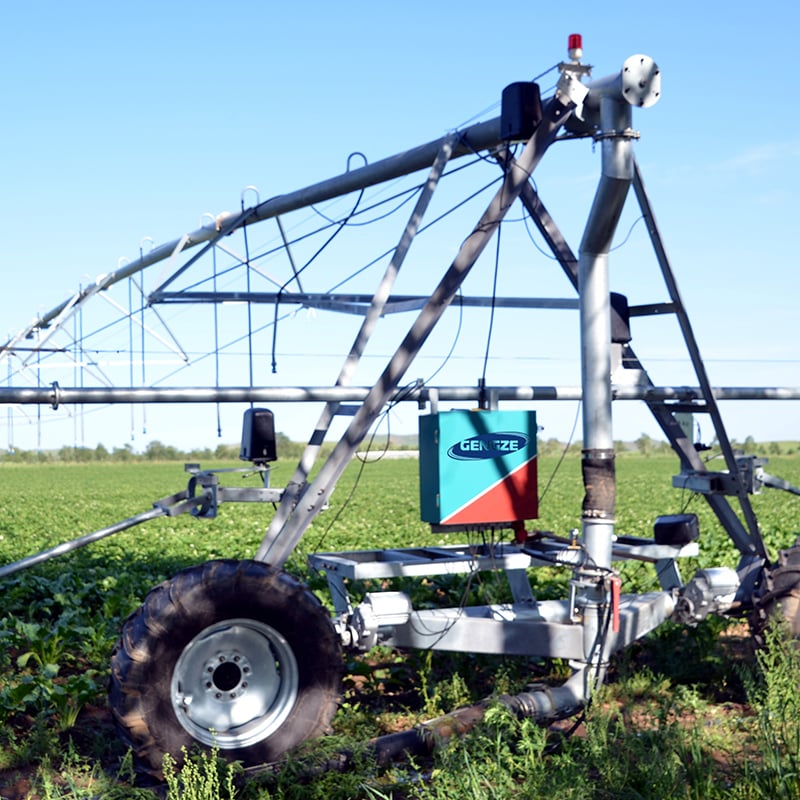
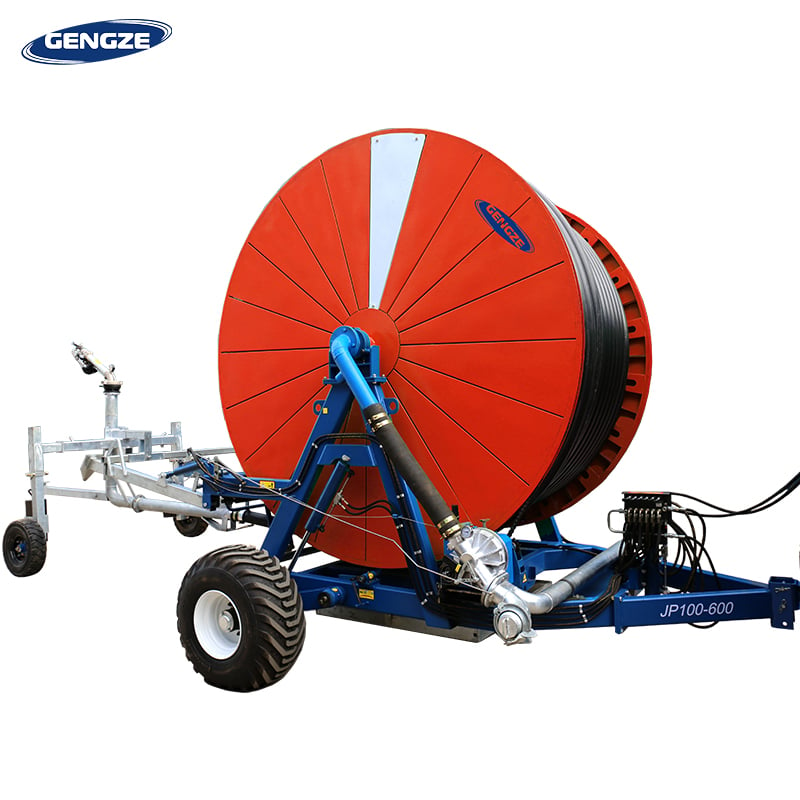
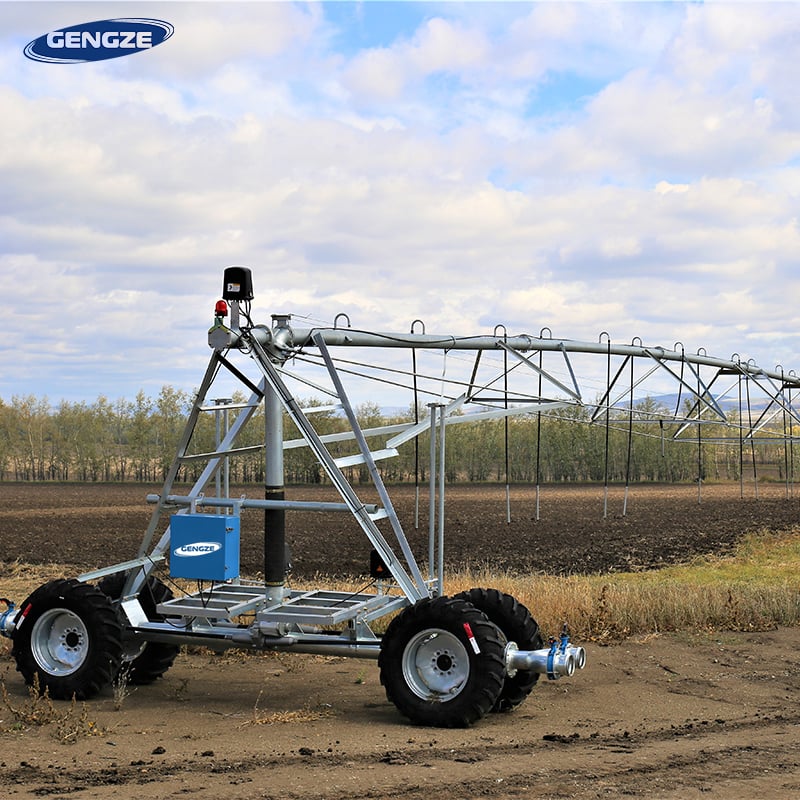
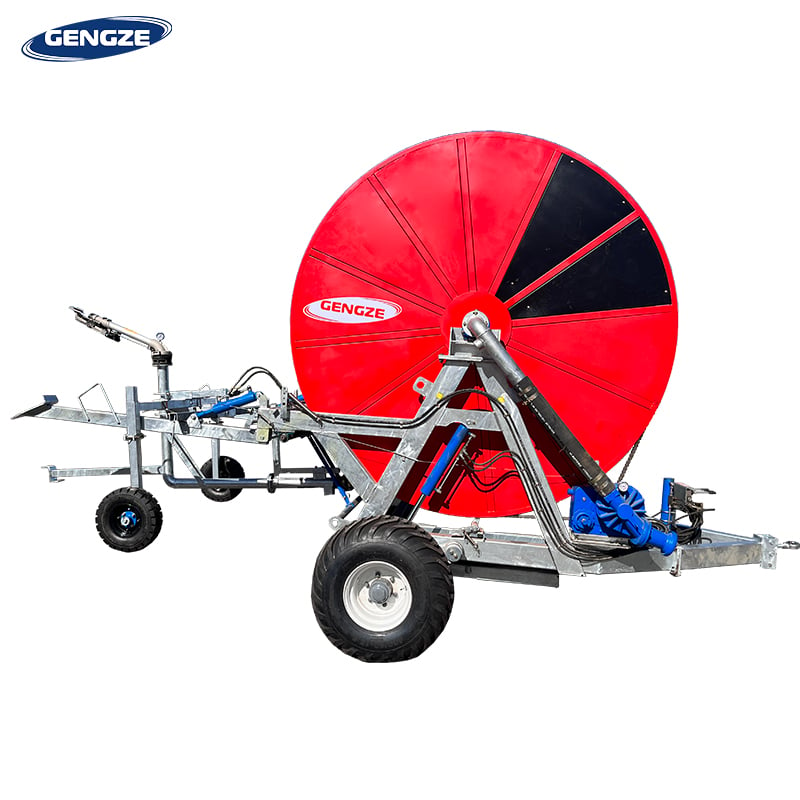
Center pivot irrigation systems are essential tools in modern agriculture, designed to optimize water usage and enhance crop yields. As a B2B buyer, you may have concerns about the efficiency, reliability, and adaptability of these systems to your specific agricultural needs. This article will guide you through key specifications to consider when selecting center pivot irrigation systems, purchasing advice for wholesale, and tips for sourcing reliable manufacturers. Additionally, we will address common issues that arise with these Gengze center pivot and linear move irrigation and provide insights on maximizing their efficiency.
When considering center pivot irrigation systems, several specifications are crucial for ensuring performance and compatibility with your agricultural operations:
Span Length and Coverage Area: The span length determines how far the system can reach, directly impacting the area covered. Consider your field size and shape to select an appropriate span length.
Drive Mechanism: Options include electric, hydraulic, or gear-driven systems. Each has its advantages; for example, electric systems offer ease of maintenance and control, while hydraulic systems provide robust performance in varied terrain.
Water Application Rate: This specification is vital to prevent over or under-irrigation. Understand the crop requirements and the soil's absorption capacity to choose a system that matches these criteria.
Material and Durability: Look for systems made from high-quality materials such as galvanized steel or high-density polyethylene, which resist corrosion and wear over time. This factor influences the system's lifespan and maintenance needs.
Control Systems: Advanced control technologies allow for precise water management, including remote monitoring and scheduling. Evaluate whether the system can integrate with existing farm management software.
Customization Options: Depending on your specific agricultural needs, you may require customized features such as variable speed drives or specialized nozzle configurations for different crops.
Understanding these specifications will enable you to assess which center pivot irrigation system aligns best with your operational needs.
Purchasing center pivot irrigation systems wholesale involves several key considerations to ensure you make informed decisions:
Requesting Quotes: When reaching out to manufacturers, provide detailed information about your requirements including field size, desired specifications, and any customization needs. This enables suppliers to offer tailored solutions.
Minimum Order Quantities (MOQ): Be aware of MOQs which can vary between manufacturers. Understanding this will help you plan your procurement budget effectively.
Lead Times: Inquire about production lead times and delivery schedules. Factors such as manufacturing capacity and shipping logistics can impact when you receive your systems.
Payment Terms: Clarify payment terms with suppliers. Establishing favorable terms can enhance cash flow and make large purchases more manageable.
Warranty and Support: Confirm warranty details and the level of after-sales support provided. Reliable manufacturers should offer comprehensive support for installation and maintenance.
Bulk Pricing: Discuss bulk pricing options. Many manufacturers provide discounts for larger orders, which can significantly reduce costs.
By following this guide, you can navigate the wholesale purchasing process with greater confidence, ensuring that you secure the best value for your investment.
Sourcing dependable center pivot irrigation system suppliers is vital for maintaining your agricultural operations. Here are effective strategies to identify reputable manufacturers:
Industry Associations: Investigate memberships in industry associations or certifications, which often indicate a manufacturer's commitment to quality and industry standards.
Trade Shows and Expos: Attending agricultural trade shows provides firsthand opportunities to meet suppliers, see their products, and understand their capabilities.
Online Marketplaces and Directories: Utilize online B2B marketplaces and industry-specific directories to find manufacturers. Look for those Gengze centre pivot irrigation with positive reviews and a proven track record in the industry.
Referrals and Recommendations: Seek referrals from other agricultural professionals or industry peers who have experience with specific suppliers. Their insights can guide you toward reliable options.
Supplier Audits: Consider conducting supplier audits to assess manufacturing capabilities, quality control processes, and production equipment. This step helps ensure you partner with a capable manufacturer.
By utilizing these strategies, you can build a list of potential suppliers who meet your quality and service expectations.
While center pivot irrigation systems are designed for efficiency, several common problems may arise during operation. Here are some issues and their solutions:
Uneven Water Distribution: This can occur due to clogged nozzles or improper calibration. Regular maintenance and cleaning of nozzles, as well as periodic checks on the system’s programming, can help ensure uniform distribution.
Mechanical Failures: Components such as gearboxes or motors may fail due to wear and tear. Implementing a routine maintenance schedule and investing in quality components can minimize these occurrences.
Soil Compaction: The weight of the system can lead to soil compaction, impacting crop growth. Consider using lighter materials or adjusting the system's design to reduce its weight on the soil.
Wind Damage: High winds can cause pivot systems to sway or topple. Installing windbreaks or designing the system layout to reduce exposure to wind can mitigate this risk.
Water Source Issues: If the water supply is inconsistent, it can affect irrigation efficiency. Regular monitoring of your water source and ensuring adequate supply can prevent this issue.
Proactively addressing these common problems can enhance the longevity and effectiveness of your center pivot irrigation system.
To achieve optimal performance from your center pivot irrigation systems, consider the following strategies:
Utilize Smart Technology: Implementing smart irrigation technology allows for real-time monitoring and adjustments based on weather conditions and soil moisture levels. This can significantly enhance water efficiency.
Regular Maintenance: Establish a routine maintenance program to check components such as motors, pumps, and nozzles. Preventative maintenance can extend the lifespan of your Gengze best center pivot irrigation system and reduce downtime.
Precision Agriculture Practices: Integrating precision agriculture techniques, such as soil moisture sensors and variable rate irrigation, can help tailor water application to specific crop needs, reducing waste and improving yield.
Upgrade Components: Consider upgrading to more efficient components, such as low-pressure nozzles or variable-speed drives, which can improve the system's overall performance and water conservation.
Training and Education: Ensure that your team is trained in the optimal operation of the irrigation system. Understanding how to utilize the technology effectively can lead to better results and reduced operational issues.
By implementing these strategies, you can significantly enhance the efficiency of your center pivot irrigation systems, leading to better crop yields and resource management.

Dalian Gengze Agricultural Equipment Manufacturing Co.,Ltd
Copyright © Dalian Gengze Agricultural Equipment Manufacturing Co.,Ltd All Rights Reserved | Blog | Privacy Policy
 EN