Requesting a Call:
Online Support
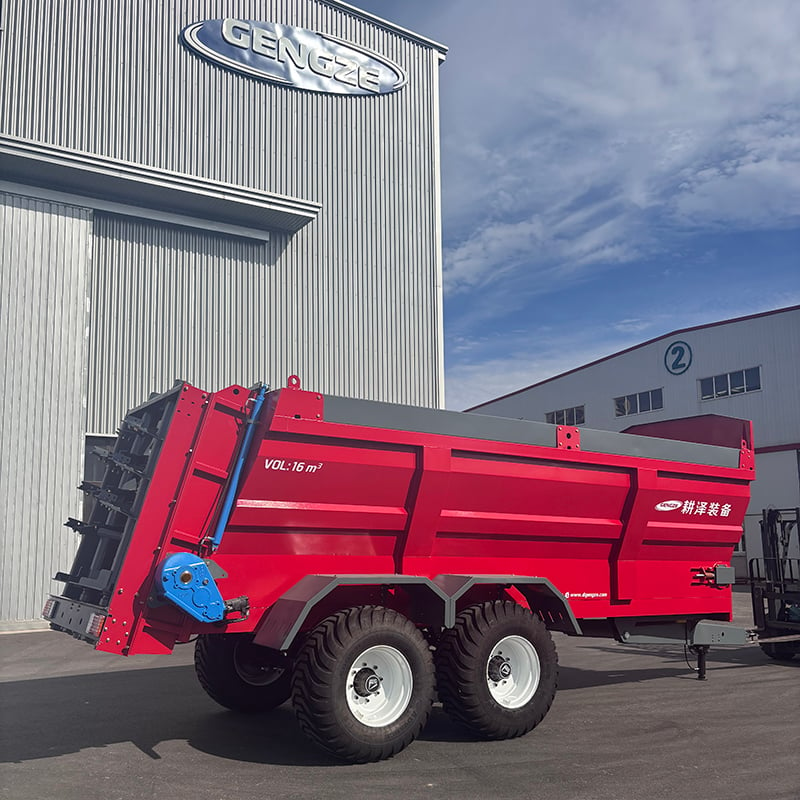
Understanding the specific needs and functionalities of manure spreaders is crucial for B2B buyers in agriculture. As a leading manure spreader manufacturer, Dalian Gengze Agricultural Equipment Manufacturing Co., Ltd. offers a range of liquid manure spreader designed to enhance efficiency and productivity in farming operations. This article aims to address key buyer concerns, including product specifications, cost considerations, common issues, material advantages, and the various applications of manure spreaders in agriculture. By gaining insights into these areas, purchasing managers and other industry professionals can make informed decisions.
When evaluating manure spreaders for bulk orders, buyers should focus on several critical specifications. First, the capacity of the spreader, usually measured in cubic yards or tons, directly influences the volume of material that can be handled. A spreader that’s too small may lead to operational delays, while one that’s excessively large may be unnecessary and costly.
Another vital specification is the type of spreader—trailer-mounted, truck-mounted, or self-propelled. Each type has distinct advantages, depending on the operation’s scale and the terrain. Additionally, consider the spread width, which can affect how efficiently the manure is applied across the field. A wider spread can cover more ground but may require more precise calibration to avoid uneven application.
It's also essential to review the construction material and design features. A durable spreader made from high-strength steel or corrosion-resistant materials will generally last longer and require less maintenance, impacting the total cost of ownership. Buyers should verify these specifications against their operational needs and confirm any customization options available with the manufacturer.
The cost of manure spreaders can vary significantly based on multiple factors. First, the base price is influenced by the type of spreader and its specifications. For instance, a high-capacity, heavy-duty spreader will typically cost more than a smaller, lighter model.
Additional costs include shipping, which can depend on the delivery distance and the specific logistics involved. Customization options, such as specific attachments or features tailored to unique operational requirements, can also increase the overall price. Furthermore, buyers should consider the long-term costs associated with maintenance and repairs, which can vary depending on the quality of materials used and the design of the spreader.
Financing options may also be available, allowing buyers to manage costs over time, making it important to discuss payment terms with the manufacturer. Ultimately, understanding these cost factors will help buyers budget effectively and ensure they select a manure spreader that meets both their operational needs and financial constraints.
Even the most reliable manure spreaders can experience issues. One common problem is clogging, which usually occurs when the manure is too wet or contains large debris. To mitigate this, buyers should ensure that the Gengze manure spreader truck has adequate agitation features and that operators are trained to maintain optimal material consistency.
Another issue is uneven distribution, which can lead to inefficient application rates. This can often be resolved by adjusting the spreader’s settings or ensuring that the calibration is correct before operation. Regular maintenance checks can also help identify potential problems before they escalate.
Wear and tear on components like chains and gears is another concern. Establishing a routine maintenance schedule can help prolong the life of the spreader and reduce unexpected downtime. Buyers should also look for manufacturers that provide comprehensive user manuals and support, as this can be invaluable for troubleshooting common issues.
The material used in the construction of manure spreaders has a significant impact on their performance and longevity. High-quality materials, such as galvanized steel or high-strength alloy, not only enhance durability but also resist corrosion, which is particularly important given the acidic nature of manure.
Investing in a spreader made from superior materials can reduce maintenance costs and extend the machine's operational lifespan. Additionally, well-engineered designs that incorporate these materials often allow for better performance in challenging conditions, such as muddy or uneven terrain.
Furthermore, using high-quality materials can improve safety. For instance, robust frame construction can prevent structural failures, which can pose risks during operation. Overall, choosing a manure spreader constructed with high-quality materials ensures reliability and efficiency, ultimately providing better value over time.
Manure spreaders are versatile machines used in various agricultural applications. They are primarily utilized for the efficient distribution of manure across fields, enhancing soil health and crop yield. However, their application can extend beyond traditional farming.
In organic farming, for example, manure spreaders help in recycling organic waste, promoting sustainability. In larger commercial operations, they can be used for the application of compost and other organic fertilizers, making them essential for maintaining soil fertility.
Moreover, different types of spreaders may be better suited for specific applications. For instance, slurry spreaders are typically used for liquid manure, while tub grinders can prepare organic matter for easier application. Buyers should assess their specific farming needs and consider how different types of Gengze spreader manure can best serve those requirements.
understanding the specifications, cost factors, common problems, material advantages, and applications of manure spreaders can significantly enhance decision-making for B2B buyers in agriculture. By focusing on these areas, purchasing managers can ensure they choose the right equipment to optimize their operations and improve agricultural productivity.

Dalian Gengze Agricultural Equipment Manufacturing Co.,Ltd
Copyright © Dalian Gengze Agricultural Equipment Manufacturing Co.,Ltd All Rights Reserved | Blog | Privacy Policy
 EN