Requesting a Call:
Online Support
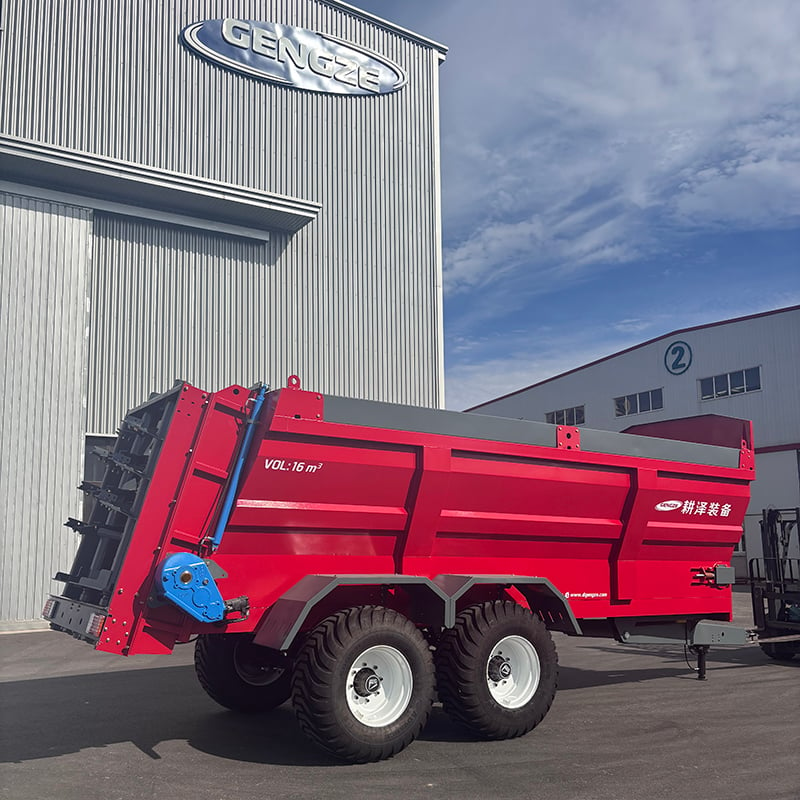
Manure spreading equipment plays a crucial role in modern agriculture, enabling farmers to efficiently distribute organic fertilizers across their fields. For purchasing managers and agricultural operators, understanding the various types of manure spreaders, their specifications, and the manufacturing quality can significantly impact productivity and cost-efficiency. This article will explore essential considerations for buyers, including quality control processes, cost factors, installation guidance, common issues, and how to make bulk orders for manure spreading equipment.
Quality control in the manufacturing of manure spreading equipment is vital to ensure the machinery operates effectively and lasts through demanding agricultural conditions. At Dalian Gengze Agricultural Equipment Manufacturing Co., Ltd, quality begins with selecting superior raw materials, such as high-strength steel, which is essential for the durability of spreaders.
During production, several quality checks are performed, including dimensional inspections, weld integrity tests, and functional testing of hydraulic systems. These processes help identify any defects early, ensuring that the final product meets operational expectations. Additionally, products typically undergo performance testing under simulated working conditions before they are shipped, helping to confirm their suitability for various agricultural applications.
For buyers, it’s crucial to inquire about a manufacturer’s quality control protocol. Understanding the testing and inspection stages can provide insights into the reliability of the equipment and the overall production capability of the supplier.
When evaluating manure spreading equipment, several cost factors should be taken into account beyond the initial purchase price. These include:
Material Quality: Higher quality materials may come at a premium but can lead to lower maintenance costs and longer equipment life.
Customization Options: Tailoring equipment to specific agricultural needs may increase upfront costs but can enhance operational efficiency.
Operating Costs: Consider fuel efficiency, maintenance requirements, and potential downtime. Equipment that requires frequent repairs can lead to higher long-term expenses.
Production Capacity: Assessing the spreader's capacity in relation to the size of your operations can help ensure that you are investing in equipment that meets your productivity needs without overspending.
Logistics and Shipping: Importing equipment may incur additional costs related to shipping and tariffs. It’s advisable to get a comprehensive quote that outlines all potential expenses.
By understanding these factors, buyers can make informed decisions that align with their budgetary constraints while ensuring they are investing in equipment that will provide good value over time.
Proper installation of manure spreaders is essential for optimal performance and longevity. Manufacturers typically provide installation guidelines, which should be followed carefully. Here are key steps to consider:
Site Preparation: Ensure the installation location is level and stable to prevent operational issues.
Calibration: Many manure spreaders require calibration to ensure accurate application rates. This may involve adjusting the spread width and quantity based on the specific type of manure being used.
Hydraulic Connections: Ensure all hydraulic connections are secure and functioning correctly to prevent leaks and ensure smooth operation.
User Training: Operators should receive thorough training on the equipment’s controls and settings to maximize efficiency and safety during operation.
Buyers should confirm with the manufacturer about the support they offer during the installation process. Some manufacturers, like Dalian Gengze, may provide on-site assistance or detailed operational manuals to facilitate a smooth setup.
Even the best manure spreaders can encounter issues. Recognizing common problems can help buyers troubleshoot effectively:
Clogging: This can occur due to improper material consistency or design flaws. Regular cleaning and maintenance can prevent this, and operators should be trained to recognize early signs of clogging.
Uneven Application: This may result from improper calibration or mechanical faults. Regular checks and recalibration before use can mitigate this issue.
Hydraulic Failures: Hydraulic systems are critical for the operation of spreaders. Regular inspection of hydraulic lines and connections can help catch leaks or wear before they lead to operational failures.
Tire Wear and Damage: Poor terrain can lead to faster tire wear. Using equipment suited for the terrain and performing regular maintenance checks can prolong tire life.
Buyers should consider warranties and after-sales support from the manufacturer to address these common issues effectively.
When planning to make bulk orders for manure spreading equipment, buyers should follow these key steps:
Define Specifications: Clearly outline the specifications needed, including model types, capacities, and any customization requirements. This clarity will help the manufacturer provide an accurate quotation.
Request Quotes: Approach multiple manufacturers to compare pricing and terms. Ensure each quote includes all costs, including shipping and any applicable tariffs.
Check Lead Times: Understand the manufacturer’s production capacity and lead times for bulk orders. This information is crucial for planning your operations effectively.
Negotiate Terms: Discuss payment terms, delivery schedules, and warranties. Establishing favorable terms can lead to significant savings and improved operational efficiency.
Review Sample Products: If possible, request samples or visit the manufacturing facility to inspect the quality of the equipment before finalizing the order.
By following these steps, buyers can ensure that their bulk orders of manure spreading equipment meet their agricultural needs while maintaining budgetary considerations.
In summary, understanding the nuances of manure spreading equipment—from quality control to cost factors and installation—empowers agricultural professionals to make informed purchasing decisions that can enhance productivity and efficiency on the farm.

Dalian Gengze Agricultural Equipment Manufacturing Co.,Ltd
Copyright © Dalian Gengze Agricultural Equipment Manufacturing Co.,Ltd All Rights Reserved | Blog | Privacy Policy
 EN