Requesting a Call:
Online Support
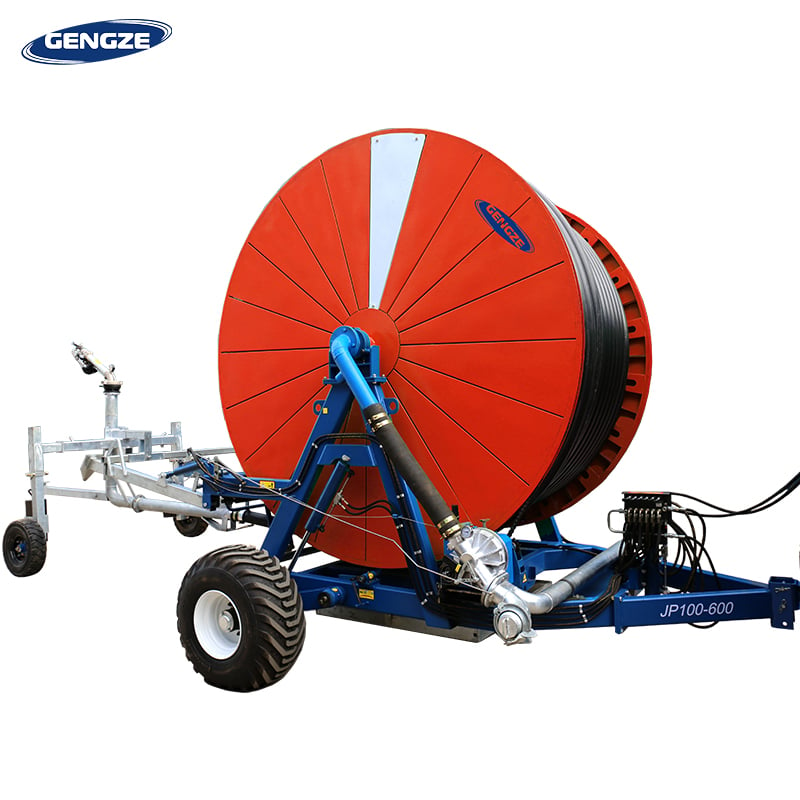
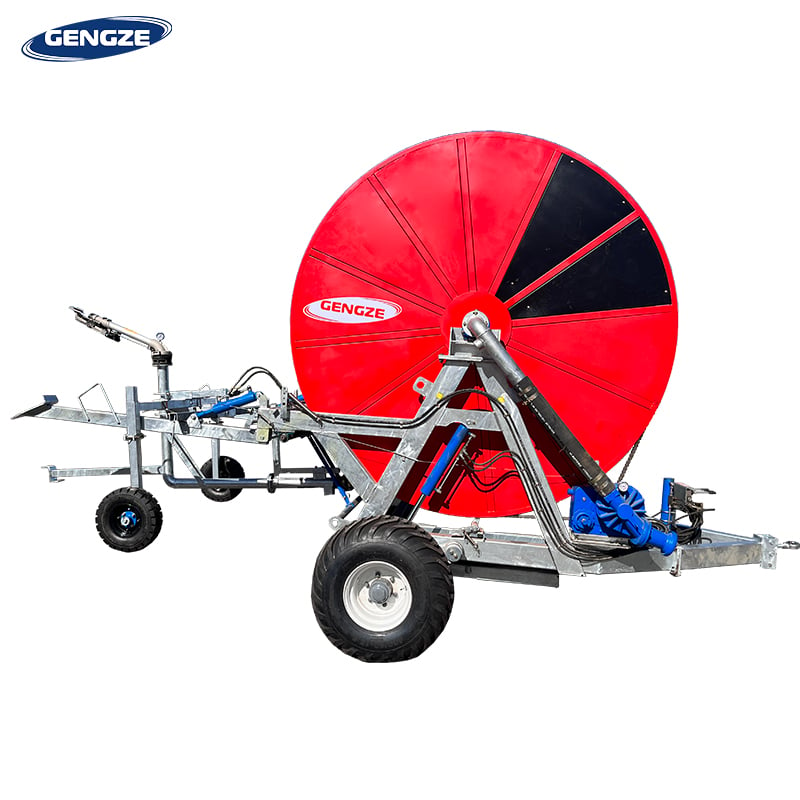
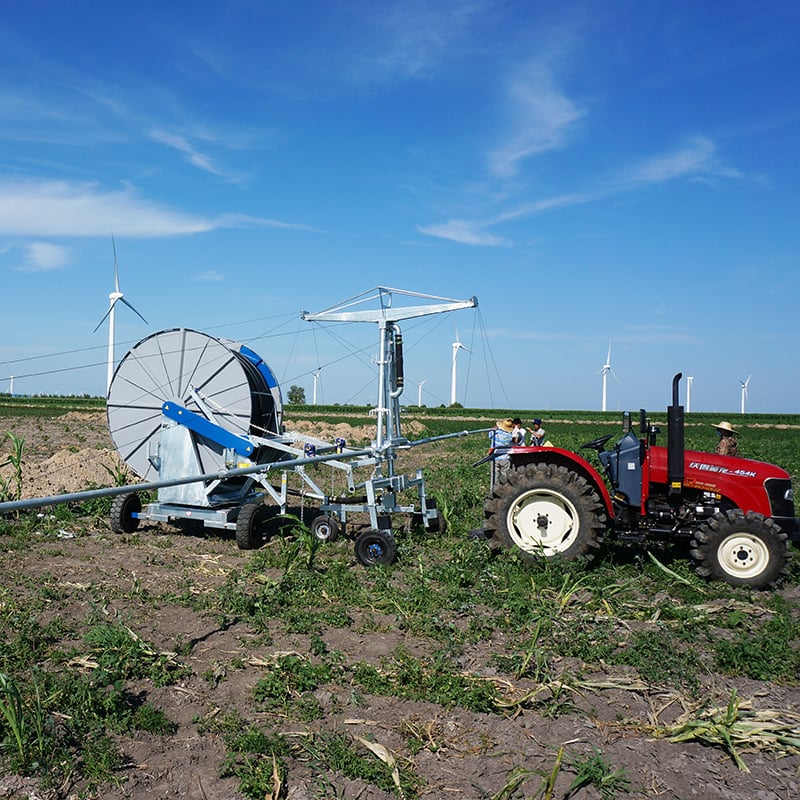
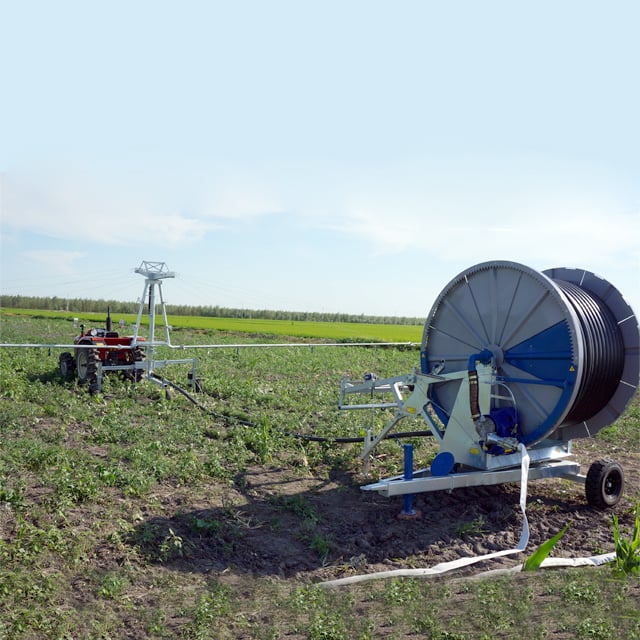
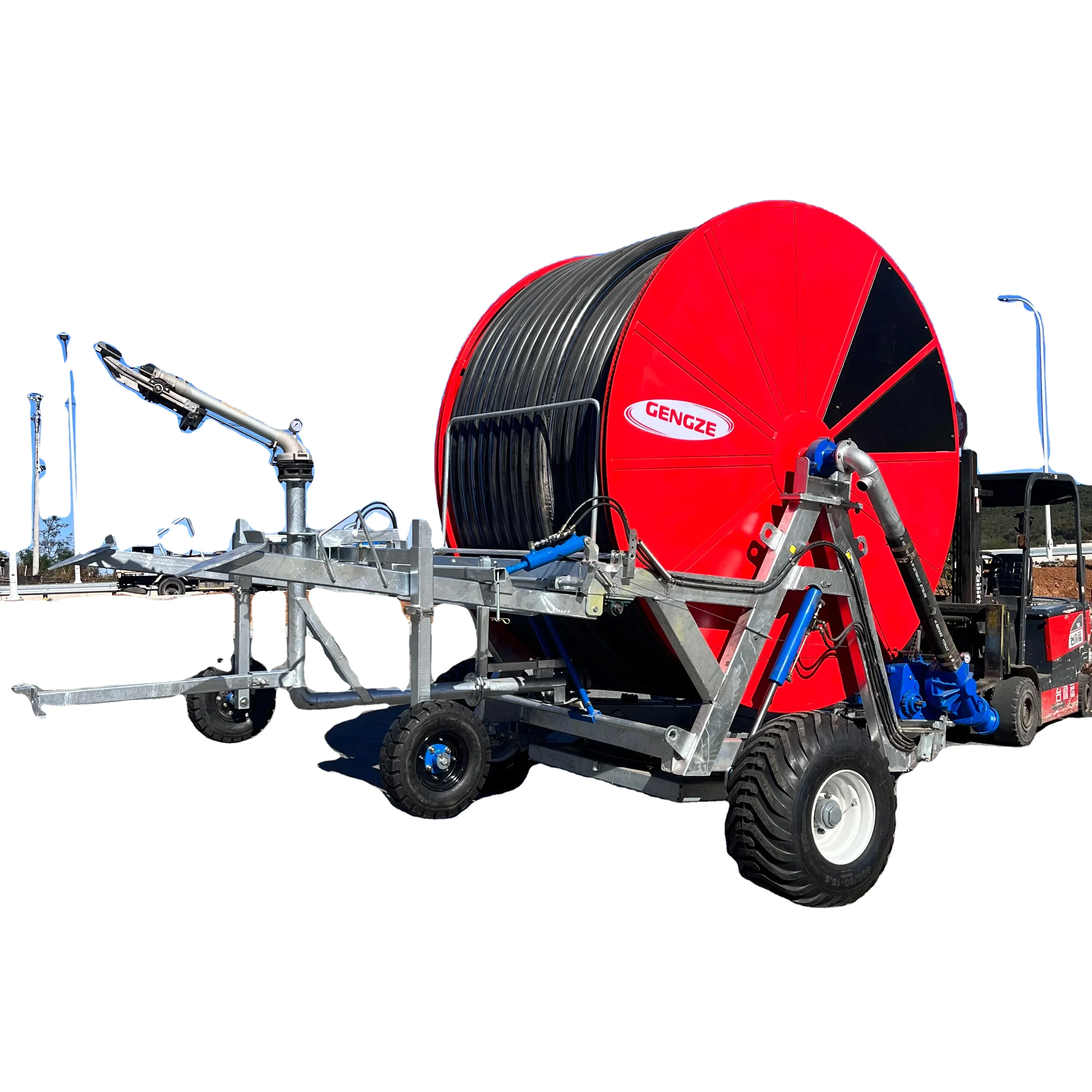
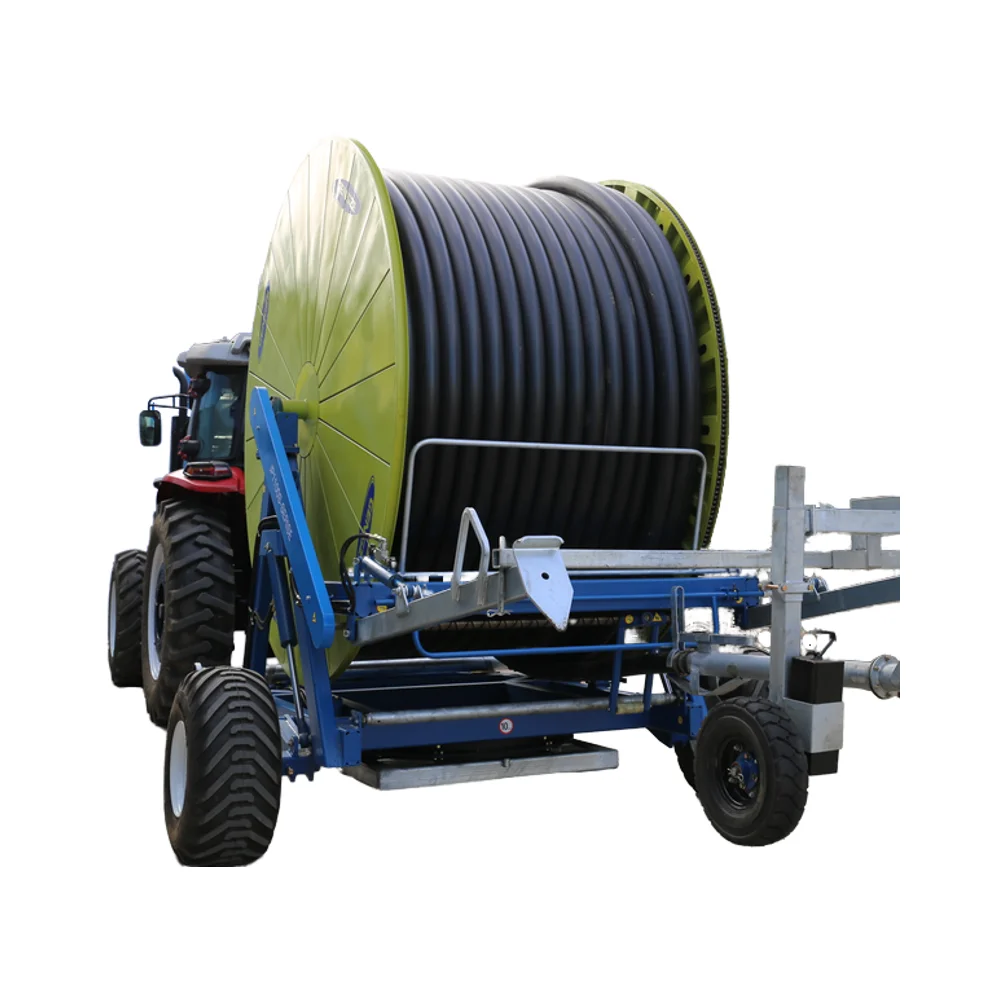
Mobile hose reel irrigation systems are essential for efficient water management in agricultural settings. Designed for transporting and deploying hoses across large areas, these systems help farmers irrigate crops effectively while minimizing water waste. Key concerns for B2B buyers typically include product efficiency, durability, installation processes, and cost-effectiveness. This article will guide you through essential considerations when selecting a mobile hose reel irrigation system, helping you make informed purchasing decisions.
When selecting a mobile hose reel irrigation system, it's crucial to consider your specific agricultural needs. Factors such as field size, crop type, and irrigation method play a significant role in your decision. For instance, larger fields may require high-capacity reels that can hold longer hoses for extended reach. Conversely, smaller farms might benefit more from compact models that are easier to transport and maneuver.
Additionally, evaluate the type of crops you’re irrigating. Different crops might have varying water requirements, which will affect the type and size of the reel you choose. Compatibility with existing irrigation infrastructure is another key aspect; ensure that the mobile hose reel irrigation can integrate seamlessly with your current system.
Several specifications are critical to ensure the effectiveness and longevity of a mobile hose reel irrigation system:
Hose Length and Diameter: The hose length determines how far water can be distributed, while the diameter impacts the flow rate. Ensure that both are suitable for your field size and water pressure needs.
Reel Construction Material: High-quality materials such as galvanized steel or aluminum provide durability and resistance to corrosion, ensuring longevity, especially in harsh agricultural environments.
Capacity: The capacity of the hose reel, typically measured in liters or gallons, influences how much water can be dispensed in a single operation. This is essential for reducing downtime during irrigation.
Mobility Features: Look for models with robust wheels and an ergonomic design for ease of transport across diverse terrains. Some models may also include features such as brakes to secure the reel during use.
Automation Capabilities: Advanced systems may offer automation features that allow for programmable watering schedules, reducing labor costs and improving efficiency.
Understanding the cost structure of mobile hose reel irrigation system is vital for budgeting and financial planning. Key factors influencing costs include:
Initial Purchase Price: The initial cost of the reel itself can vary significantly based on size, materials, and features. Higher-quality models often come with a higher price tag but may offer better long-term value through durability and efficiency.
Installation Costs: Depending on the complexity of the system, installation may require professional services. This is particularly true for automated systems that integrate with existing irrigation infrastructure.
Maintenance and Repair: Regular maintenance is essential for ensuring the longevity of your system. Factor in potential repair costs and the availability of replacement parts when evaluating total cost of ownership.
Operational Costs: Consider the water and energy costs associated with running the irrigation system, which can vary based on local rates and the efficiency of the system.
Installing a mobile hose reel irrigation system can come with its challenges. Common issues include:
Improper Placement: Positioning the reel too close to obstacles can hinder mobility and hose deployment. Ensure the installation site allows for clear movement and accessibility.
Hose Kinks and Twists: A poorly aligned hose can lead to kinks that restrict water flow. During installation, ensure the hose is laid out correctly and free of twists.
Water Pressure Compatibility: Inadequate water pressure can affect system performance. Verify that your water source meets the pressure requirements specified by the manufacturer.
Electrical Connections for Automation: If your system features automation, ensuring proper electrical connections is crucial. This may require professional assistance, particularly in compliance with local regulations.
Mobile hose reel irrigation systems are versatile and can be applied across various agricultural settings:
Row Crops: Ideal for irrigating row crops like corn and soybeans, where efficient, targeted watering can enhance yields.
Pastures: Used for watering livestock and maintaining pasture health, preventing overgrazing in specific areas.
Orchards and Vineyards: These systems can effectively manage water distribution in orchards and vineyards, where consistent moisture levels are crucial for fruit quality.
Sports Fields and Gardens: Beyond agriculture, these systems are also applicable in landscaping, maintaining sports fields, and garden irrigation, providing efficient water application with minimal waste.
In summary, selecting the right mobile hose reel irrigation equipment involves evaluating your specific needs, understanding key specifications, and being aware of cost factors and installation challenges. By considering these elements, you can enhance your irrigation practices and contribute to more sustainable agricultural production.
Dalian Gengze Agricultural Equipment Manufacturing Co.,Ltd
Copyright © Dalian Gengze Agricultural Equipment Manufacturing Co.,Ltd All Rights Reserved | Blog | Privacy Policy
 EN