Requesting a Call:
Online Support
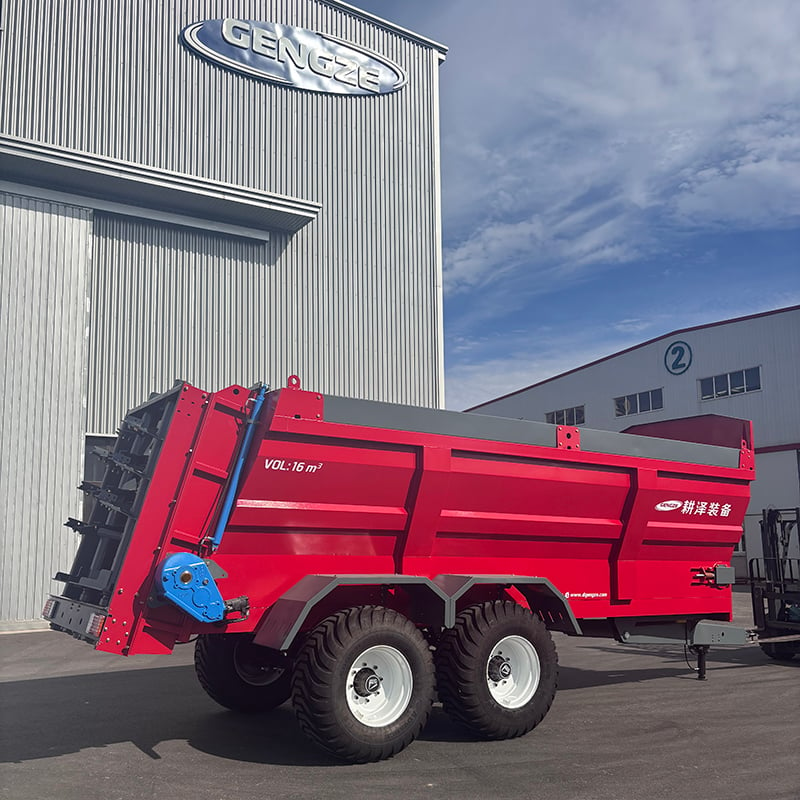
An organic fertilizer spreader is an essential tool for agricultural businesses looking to efficiently distribute organic fertilizers across their fields. This equipment not only enhances soil health and crop yield but also caters to the growing demand for sustainable farming practices. For purchasing managers and agricultural engineers, selecting the right spreader involves understanding key specifications, cost factors, and installation requirements. This article aims to provide insights into what to consider when evaluating organic fertilizer spreaders, addressing common concerns and practical solutions for effective use.
When selecting an organic fertilizer spreader, it’s crucial to consider a few key factors to ensure it meets your operational requirements.
Next, consider the spreader’s capacity, which should align with the scale of your operations. For larger farms, a trailer-mounted spreader may provide the efficiency needed for extensive land coverage, while smaller operations might benefit from a handheld or tow-behind model.
Additionally, look for features such as adjustable spread widths and application rates, which can enhance versatility in various field conditions. Compatibility with existing machinery is also a key factor; ensure that the spreader can be easily integrated into your current fleet for seamless operation.
Understanding critical specifications can significantly impact the performance and longevity of your organic fertilizer spreader. Here are some essential parameters to evaluate:
Material Construction: The material of the spreader frame and body impacts durability and resistance to corrosion. Stainless steel and high-strength polymer are common choices for their longevity and ability to withstand harsh chemicals.
Spreading Mechanism: Different spreaders utilize various mechanisms, such as centrifugal or drop spreading. Centrifugal spreaders are ideal for wide coverage, while drop spreaders provide precision application, which is vital when working near sensitive areas.
Capacity and Dimensions: The hopper capacity should match your operational needs. While larger capacities reduce the need for frequent refills, smaller units can be more manageable for tighter spaces. Dimensions also affect maneuverability in the field.
Adjustment Features: Look for spreaders that offer easy adjustments for application rates and spread width. This flexibility allows for precise control over fertilizer distribution, crucial for optimizing crop health while minimizing waste.
When planning to purchase organic fertilizer spreaders in bulk, several cost factors come into play beyond the initial purchase price.
Volume Discounts: Many manufacturers, including Dalian Gengze Agricultural Equipment, may offer discounts for bulk orders, which can significantly reduce the overall cost per unit.
Transportation Costs: Consider shipping expenses, especially if ordering from international suppliers. It's wise to calculate these costs when assessing your total expenditure.
Customization Options: Custom features may incur additional costs. Understanding your specific requirements ahead of time can help streamline the ordering process and avoid unexpected expenses.
Maintenance and Parts Replacement: Factor in the long-term costs of maintenance and any necessary replacement parts. Investing in quality equipment that minimizes downtime will ultimately save money.
Warranty and Support: Look for manufacturers that offer warranties and customer support. A good warranty can protect your investment and reduce costs related to repairs and replacements.
Proper installation and setup of your organic fertilizer spreader are critical to ensuring efficient operation. Here are some guidelines:
User Manual: Always start by reviewing the manufacturer’s user manual. This document provides vital information on assembly, calibration, and best practices for using the spreader.
Calibration: Before first use, calibrate the spreader according to the fertilizer type and application rate. This step is essential to avoid over-application or under-application, which can affect crop health and soil quality.
Field Tests: Conduct field tests to verify the spread pattern and adjust settings as necessary. This practical evaluation will help ensure that the fertilizer is applied evenly across your fields.
Safety Precautions: When installing and operating the spreader, always adhere to safety guidelines. Proper personal protective equipment (PPE) should be worn, and machinery should be operated according to safety protocols.
Organic fertilizer spreaders can encounter several common issues during operation. Here are some typical problems and their solutions:
Clogging: Clogging can occur, especially when using moist or lumpy fertilizers. To mitigate this issue, ensure that the material is well-aerated and dry before use. Regularly inspect and clean the spreader to maintain optimal flow.
Uneven Distribution: If you notice uneven fertilizer distribution, check the calibration settings and inspect the spreading mechanism for wear or damage. Adjustments may be needed to ensure consistent application rates.
Mechanical Failures: Regular maintenance is key to preventing mechanical failures. Inspect components such as gearboxes and belts for wear, and replace them as necessary to avoid breakdowns during critical application periods.
Compatibility Issues: Ensure that the spreader is compatible with your towing equipment. Mismatched connections can lead to operational difficulties. Always verify compatibility before use.
By considering these factors, agricultural professionals can make informed decisions when selecting and using organic fertilizer spreaders. Investing in the right equipment not only enhances operational efficiency but also supports sustainable farming practices.

Dalian Gengze Agricultural Equipment Manufacturing Co.,Ltd
Copyright © Dalian Gengze Agricultural Equipment Manufacturing Co.,Ltd All Rights Reserved | Blog | Privacy Policy
 EN