Requesting a Call:
Online Support
Understanding pivot irrigation cost is crucial for agricultural businesses seeking to optimize water usage and improve crop yields. As a B2B buyer, you may have concerns about selecting the right system, ensuring cost-effectiveness, and addressing potential issues with irrigation systems. This article will provide insights into choosing a pivot irrigation system, key considerations before purchasing, and factors influencing pricing, as well as common problems and their solutions
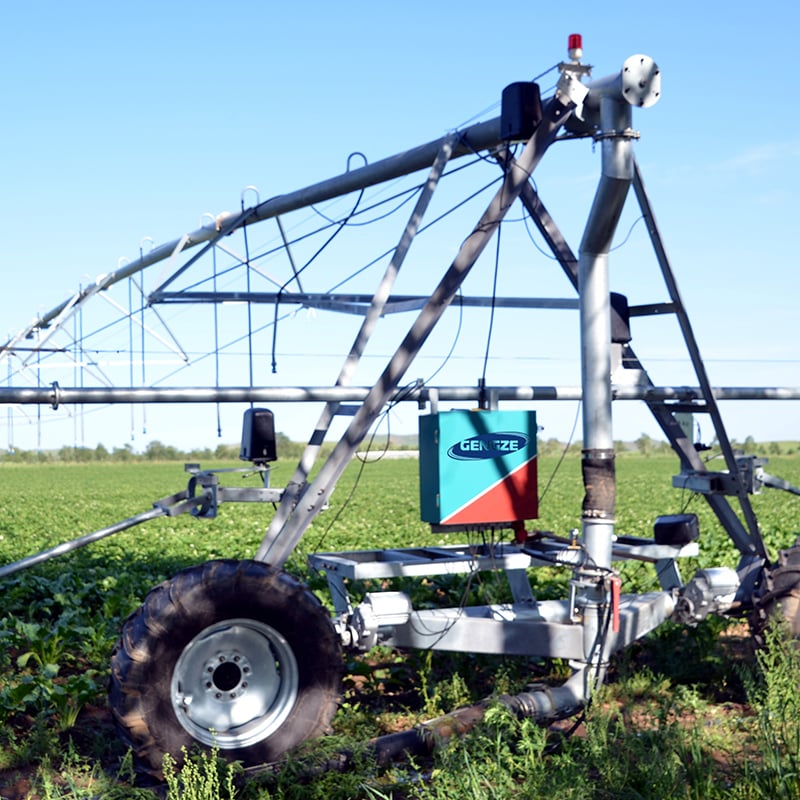
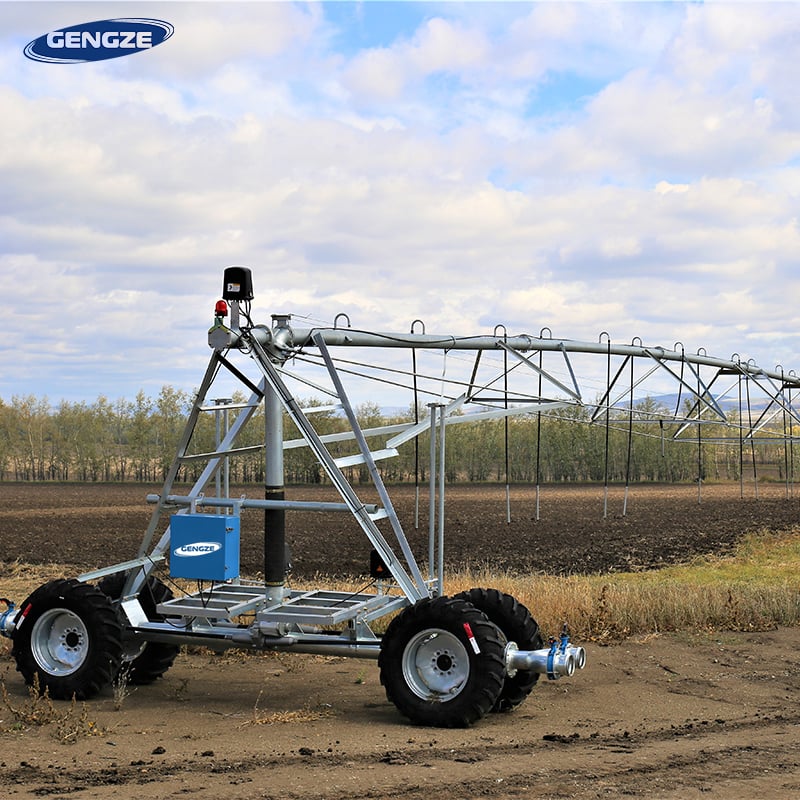
Selecting the ideal Towable center pivot irrigation system involves evaluating several factors tailored to your specific agricultural requirements. Consider the size of your field, the types of crops you will be irrigating, and the water source availability
The first step is to determine the field layout and size. Long, narrow fields may benefit from linear systems, while circular fields are best suited for traditional pivot systems. Additionally, the soil type and drainage capabilities will influence the choice of system, as different systems deliver varying water volumes and distribution patterns
Next, assess the crop types and their water requirements. Some crops are more tolerant of dry conditions, while others need consistent moisture. Understanding these needs helps in selecting an irrigation system that can deliver the appropriate amount of water efficiently
Finally, evaluate the technological features of the irrigation system. Modern pivot systems come equipped with advanced controls for automation, which can save labor and enhance water efficiency. Consider systems with remote monitoring capabilities, as they allow for real-time adjustments and data tracking
Before purchasing a pivot irrigation system, it’s essential to analyze several factors that will impact your investment. Start by establishing a clear budget, taking into account not just the initial cost of the system but also installation, maintenance, and operational expenses
Another critical consideration is the quality and specifications of the materials used in the system. Durable components, such as high-grade steel and corrosion-resistant fittings, can significantly extend the lifespan of your irrigation system and reduce long-term costs. It’s advisable to inquire about the manufacturer’s quality control processes to ensure you’re getting a reliable product
Additionally, consider the customization capabilities of the system. Every farm is unique, and being able to tailor the system to fit specific needs can enhance its effectiveness. Discuss options for modifications with the manufacturer, such as adjustable nozzle sizes and varying pivot lengths
Lastly, evaluate the support and service offered by the manufacturer. A company that provides thorough training and ongoing technical support can help you maximize the efficiency of your pivot irrigation system
When preparing to buy a largest center pivot irrigation system, gather the following information to facilitate discussions with suppliers
Field Specifications: Provide dimensions, layout, and topography of your field
Water Source: Specify the type of water source available, such as wells, rivers, or reservoirs
Crop Information: Share details about the crops being grown, including their specific water requirements
Desired Features: List any advanced features you want, such as automation, remote monitoring, or mobile compatibility
Budget: Have a clear budget range that includes installation and maintenance costs
Requesting a quotation based on this information will help suppliers provide a tailored solution that meets your needs. Be prepared to ask about lead times and delivery options, as these can vary significantly between manufacturers
Several factors influence the cost of pivot irrigation systems, making it essential for buyers to understand what contributes to pricing. The primary determinant is the size and type of the pivot system. Larger systems or those with advanced technology will generally come at a higher price point
Materials used in construction also play a significant role in pricing. High-quality materials like galvanized steel or stainless steel increase durability but also raise costs. While it may be tempting to opt for lower-priced options, investing in quality can lead to fewer repairs and replacements down the line
The complexity of the system is another cost factor. Systems with advanced features, such as GPS-guided control or automated scheduling, may have higher upfront costs but can result in significant water savings and labor efficiency over time
Finally, geographical location can affect pricing due to shipping costs, local regulations, and market demand. When evaluating quotes, consider all these factors to ensure you’re making a well-informed decision
Pivot irrigation systems can encounter several common issues that may affect their performance. Understanding these problems and their solutions will help you maintain efficiency and minimize downtime
One frequent problem is uneven water distribution, which can lead to some areas being Overwatered while others remain dry. This often results from clogged nozzles or improper system calibration. Regular maintenance, including cleaning filters and checking nozzle sizes, is crucial to ensuring even distribution
Another issue is mechanical failures, such as gear or motor malfunctions. Investing in a reliable manufacturer with a strong service support system can help mitigate these risks. Regular inspections and proactive maintenance can help catch issues before they escalate into costly repairs
Weather-related damage, such as wind or hail, can also pose a risk. Utilizing protective measures, like retractable booms or protective covers, can reduce the risk of damage. Additionally, consider a system that can be adjusted for extreme weather conditions to protect your investment
By addressing these potential problems early and ensuring you have a reliable support system, you can maintain the efficiency of your pivot irrigation system and protect your crops effectively
Understanding pivot irrigation system price cost and making informed decisions about the systems you choose can significantly impact your agricultural success. By evaluating your needs, considering key factors before purchasing, and being aware of potential issues, you can optimize your investment for improved efficiency and productivity
Dalian Gengze Agricultural Equipment Manufacturing Co.,Ltd
Copyright © Dalian Gengze Agricultural Equipment Manufacturing Co.,Ltd All Rights Reserved | Blog | Privacy Policy
 EN