Requesting a Call:
Online Support
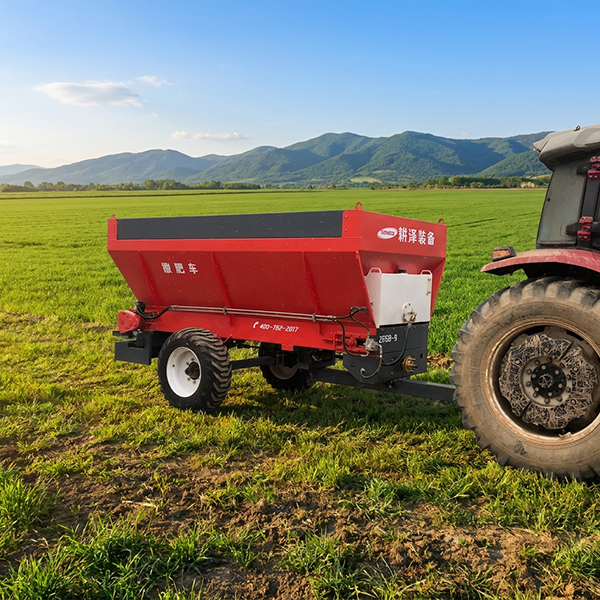
The PTO driven fertilizer spreader is an essential agricultural tool designed to efficiently distribute fertilizer across fields, enhancing crop yield and soil health. For B2B buyers—such as purchasing managers and agricultural distributors—key concerns often include product reliability, compatibility with existing machinery, and overall cost-effectiveness. This article will delve into sourcing reliable suppliers, addressing common issues, providing installation guidance, and offering a comprehensive buyer’s guide to ensure informed purchasing decisions.
When sourcing PTO driven fertilizer spreaders, it's crucial to identify manufacturers with a strong reputation and proven track record in agricultural equipment. Look for companies like Dalian Gengze Agricultural Equipment Manufacturing Co., Ltd, which boasts over 20 years in the industry and offers OEM services for respected brands. Here are some key considerations when evaluating potential suppliers:
Experience and Reputation: Select suppliers with extensive industry experience, as this often correlates with product quality and reliability.
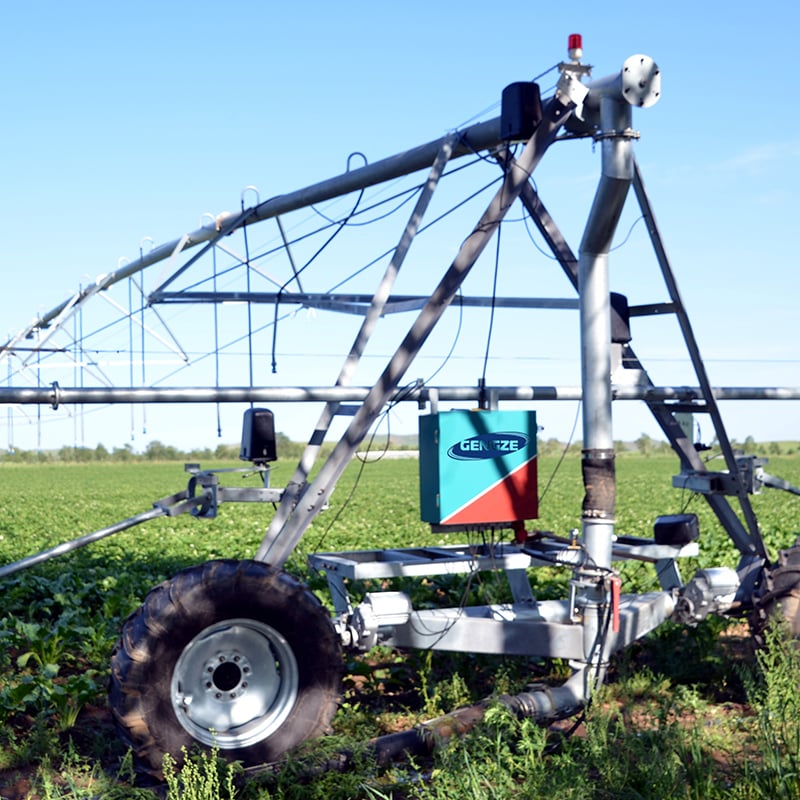
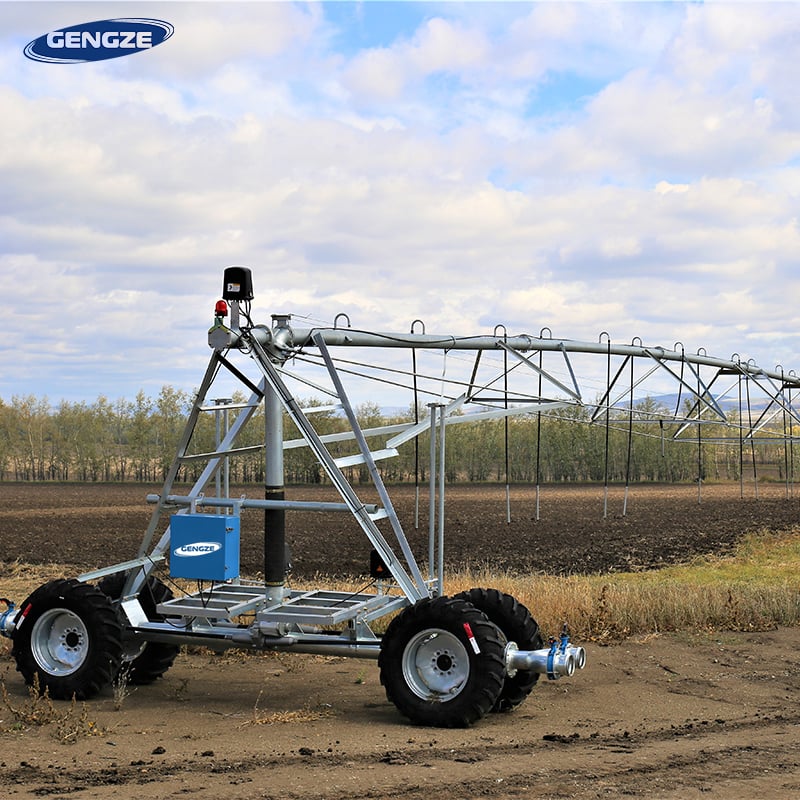
Product Range: Ensure the supplier offers a variety of models to meet different agricultural needs. best center pivot irrigation system flexibility can be vital for customization based on specific farming practices.
Certifications: Check for relevant industry certifications that indicate adherence to quality standards, which can assure buyers of the product’s reliability.
Customer Support: A responsive customer service team can help address any queries about the product, installation, or troubleshooting.
Export Experience: Suppliers with international experience can better navigate shipping and regulatory requirements, ensuring timely delivery.
Understanding potential issues can help buyers mitigate risks. Here are some common problems associated with PTO driven fertilizer spreaders and their solutions:
Inconsistent Spreading Pattern: This can result from improper calibration or worn-out components. Regular maintenance and calibration checks can ensure consistent performance.
Mechanical Failures: Parts may wear out over time, leading to breakdowns. A proactive maintenance schedule, including routine inspections and timely replacements, can minimize downtime.
Compatibility Issues: Ensure that the spreader is compatible with the tractor's PTO specifications. Buyers should confirm the PTO size and horsepower requirements before purchase.
Poor Material Quality: Subpar materials can lead to corrosion and reduced lifespan. Opt for spreaders made from high-quality, weather-resistant materials to enhance durability.
Proper installation is critical for optimal performance. Here’s a step-by-step guide to help with the installation of a PTO driven fertilizer spreader:
Preparation: Before installation, review the manufacturer’s manual for specific instructions and safety precautions. Ensure that all necessary tools are available.
Connecting the PTO Shaft: Align the PTO shaft with the tractor’s output shaft and secure it in place. Ensure fertilizer tankers is properly locked to prevent disconnection during operation.
Mounting the Spreader: Secure the spreader to the tractor using the mounting brackets. Adjust the height to ensure the spreader is level for accurate fertilizer distribution.
Calibrating the Spreader: After installation, calibrate the spreader according to the manufacturer’s recommendations to achieve the desired application rate.
Safety Checks: Conduct a safety check before the first use, ensuring that all components are secure, and perform a test run at low speed to confirm the spread pattern.
When preparing to purchase a PTO driven fertilizer spreader, consider the following essentials to streamline the process:
Specifications and Features: Determine the required size, capacity, and features, such as variable rate controls or additional attachments that may enhance functionality.
Material Requirements: Identify the type of materials best suited for your operational environment, including corrosion-resistant options for wet conditions.
Performance Criteria: Establish performance benchmarks based on your farming practices, such as spreading width and application rates.
Customization Options: Discuss any specific customization needs with potential suppliers, as many manufacturers offer tailored solutions to fit unique requirements.
Budget Constraints: Set a budget that includes not just the purchase price, but also anticipated maintenance costs and potential operational expenses.
Navigating the purchase of a PTO driven fertilizer spreader requires careful consideration of multiple factors. Here’s a comprehensive buyer’s guide:
Product Types: Understand the different types of PTO driven fertilizer spreaders available, such as pull-behind or mounted models, to select the best fit for your equipment.
Quality Control Processes: Inquire about the manufacturer’s quality control measures, including testing protocols and warranty offerings. A robust quality assurance process can significantly reduce the risk of defects.
Lead Time: Discuss lead times with suppliers to ensure that the spreader can be delivered when needed. Consider potential delays due to customization or shipping.
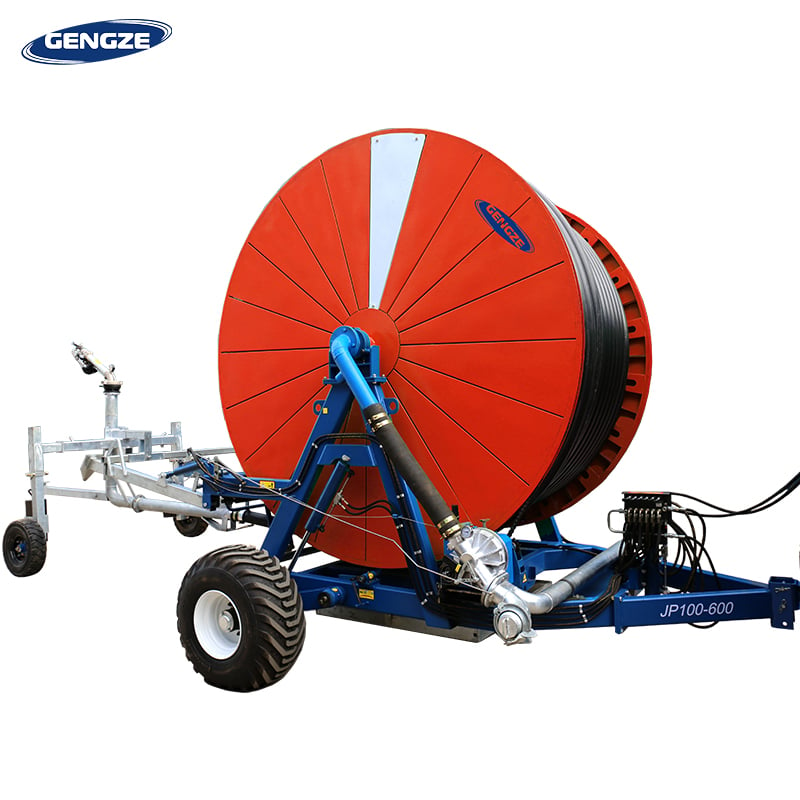
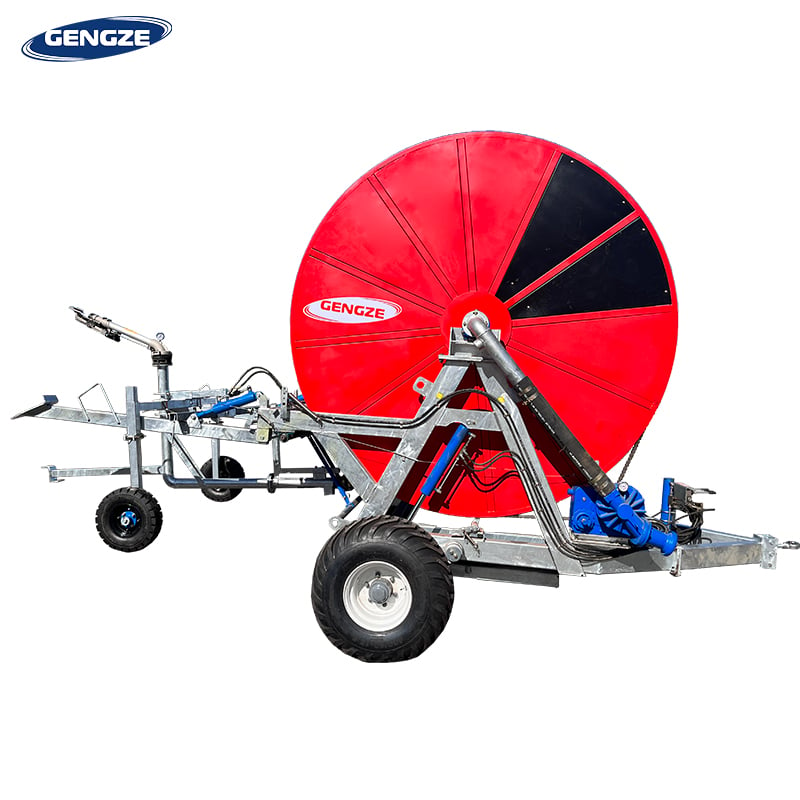
Minimum Order Quantity (MOQ): Verify the MOQ requirements, especially if you are considering bulk purchases. hose reel irrigation system can impact your overall budget and purchasing strategy.
Post-Purchase Support: Evaluate the level of after-sales support offered, including spare parts availability and technical assistance for maintenance.
By taking these factors into account, buyers can make informed decisions that align with their agricultural needs, ensuring the successful integration of PTO driven fertilizer spreaders into their operations.

Dalian Gengze Agricultural Equipment Manufacturing Co.,Ltd
Copyright © Dalian Gengze Agricultural Equipment Manufacturing Co.,Ltd All Rights Reserved | Blog | Privacy Policy
 EN