Requesting a Call:
Online Support
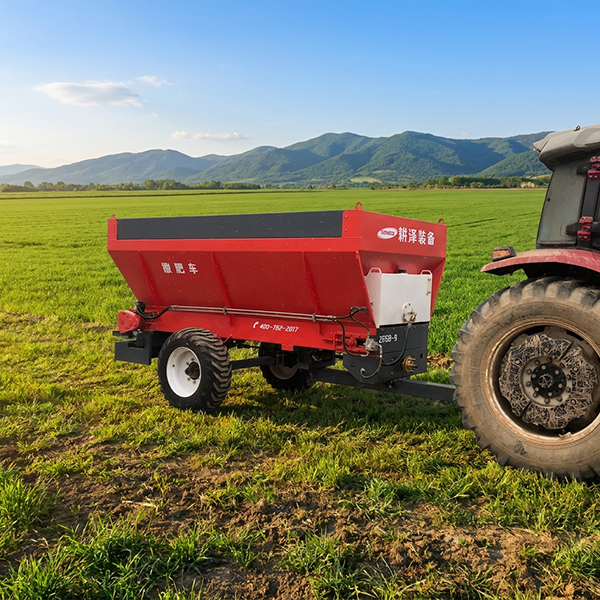
A PTO (Power Take-Off) fertilizer spreader is a crucial piece of equipment for farmers and agricultural professionals looking to efficiently distribute fertilizers across their fields. This article will address the essential considerations when selecting a PTO fertilizer spreader, helping you navigate key specifications, supplier options, installation processes, and common issues that may arise. By understanding these factors, you will be better equipped to make informed purchasing decisions that directly impact your agricultural productivity.
Selecting the right PTO fertilizer spreader begins with understanding your specific agricultural requirements and the type of fertilizer you plan to use. Consider the size of the land you need to cover, the type of crops, and the spreading pattern you require. For larger fields, a high-capacity spreader will enhance efficiency and reduce the time spent on application.
Next, factor in the compatibility of the spreader with your existing equipment. The PTO spreader must align with your tractor's specifications, including horsepower and PTO shaft size. Ensure that the spreader can handle the weight and type of fertilizer you intend to apply, as this affects performance and durability.
Also, consider whether you need a broadcast spreader for wide coverage or a drop spreader for precise application. Each type has its advantages, and the choice depends on your operational needs. Finally, look for features that enhance usability, such as easy calibration settings and adjustable spread patterns, to maximize effectiveness.
When sourcing PTO fertilizer spreaders, several key specifications are vital to ensure optimal performance. First, evaluate the working width, which dictates how much area can be covered in a single pass. A wider working width increases efficiency but may require additional tractor power.
The hopper capacity is another crucial specification. A larger hopper allows for more fertilizer to be carried, reducing the frequency of refills. However, be mindful of the total weight, as heavier loads require more horsepower from your tractor.
Material quality is essential for durability and longevity. Look for spreaders made from high-strength steel or corrosion-resistant materials to withstand the rigors of agricultural use. Additionally, check the quality of the spreader’s components, including the spinner and gearbox, as these parts are crucial for reliability.
Lastly, consider the spread pattern and application rate capabilities. A good spreader should allow for adjustable settings to meet different crop needs and fertilizer types. liquid fertilizer tanker flexibility can substantially enhance your application efficiency and crop yield.
Finding a trustworthy supplier for PTO fertilizer spreaders is critical to ensuring you receive a quality product that meets your needs. Start by researching manufacturers with a solid reputation in agricultural equipment. fertilizer tankers like Dalian Gengze Agricultural Equipment Manufacturing Co., Ltd, with over 20 years of experience, are known for producing reliable and efficient machinery.
When evaluating suppliers, inquire about their production capabilities and quality control processes. A manufacturer that emphasizes stringent quality checks and offers certifications can provide greater assurance of product reliability. Additionally, consider their customization capabilities if you have specific requirements that standard models do not meet.
Requesting customer references or reviews can provide further insights into a supplier's reliability and service quality. Ensure they offer good post-purchase support, including maintenance services and parts availability, as ongoing support is vital for keeping your equipment operational.
Proper installation of your PTO fertilizer spreader is essential for optimal performance and safety. Begin by carefully reading the manufacturer’s installation manual, which will provide specific instructions tailored to your model.
Before installation, ensure your tractor is compatible with the spreader. Attach the PTO shaft securely, making sure it is aligned correctly to avoid damage during operation. Check that all connections, including hydraulic and electrical systems (if applicable), are secure.
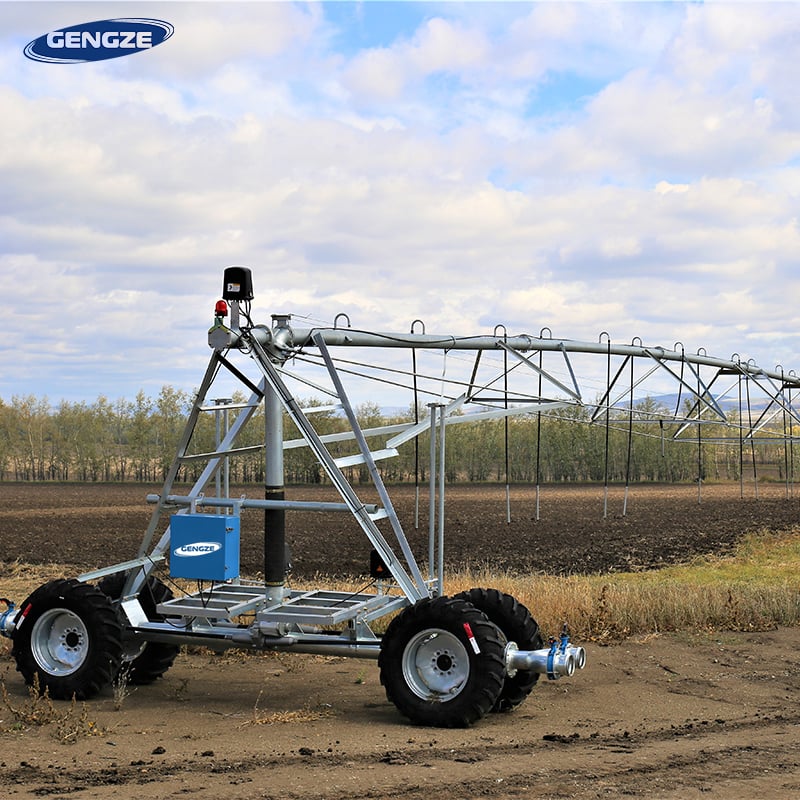
Once installed, calibrate the spreader according to the type of fertilizer being used. It’s crucial to set the correct application rate to avoid over- or under-fertilization, which can harm crops and waste resources. Test the best center pivot irrigation system on a small area first to ensure proper operation before proceeding with larger fields.
Regularly inspect the installation for any signs of wear or misalignment, and address any issues immediately to maintain optimal performance.
Even the best PTO fertilizer spreaders can encounter issues during operation. One common problem is uneven spreading, which can lead to inconsistent fertilizer application. This can often be resolved by checking the calibration settings and ensuring that the spreader is level during operation.
Another issue may be clogging, particularly with wet or clumpy fertilizers. Regularly clean the spreader and ensure that the fertilizer is stored properly to maintain its quality. Adjusting the flow rate and using a different type of fertilizer may also help alleviate this problem.
Maintenance is crucial for preventing common mechanical failures. Regularly inspect components such as the gearbox, bearings, and PTO shaft for wear and tear. Performing routine maintenance and addressing minor issues promptly can extend the lifespan of your spreader.
Lastly, if you experience persistent issues, consult the manufacturer or a qualified technician to diagnose deeper mechanical problems that may require professional attention.

Dalian Gengze Agricultural Equipment Manufacturing Co.,Ltd
Copyright © Dalian Gengze Agricultural Equipment Manufacturing Co.,Ltd All Rights Reserved | Blog | Privacy Policy
 EN