Requesting a Call:
Online Support
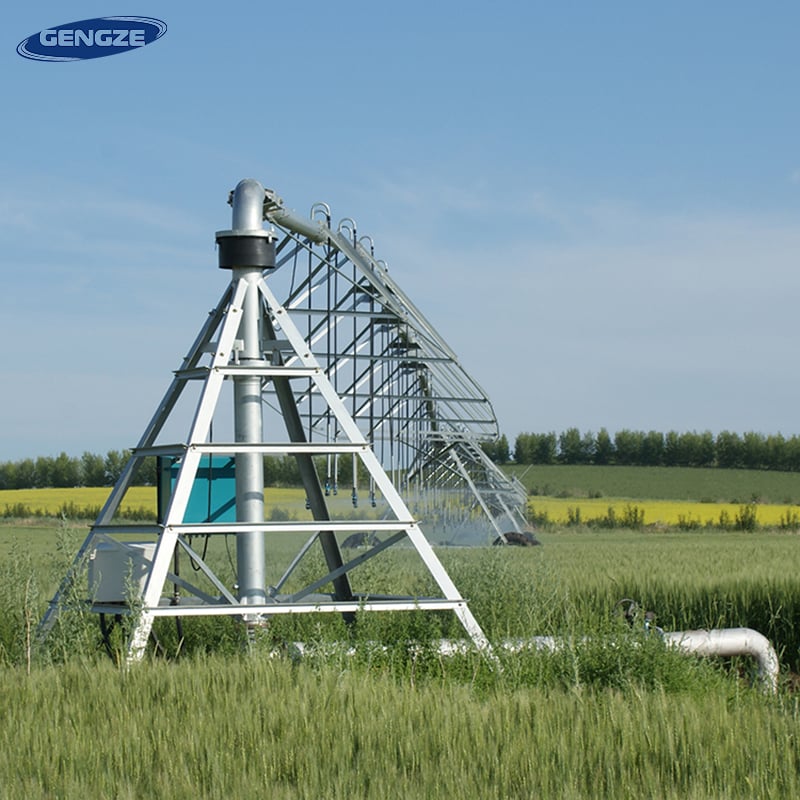
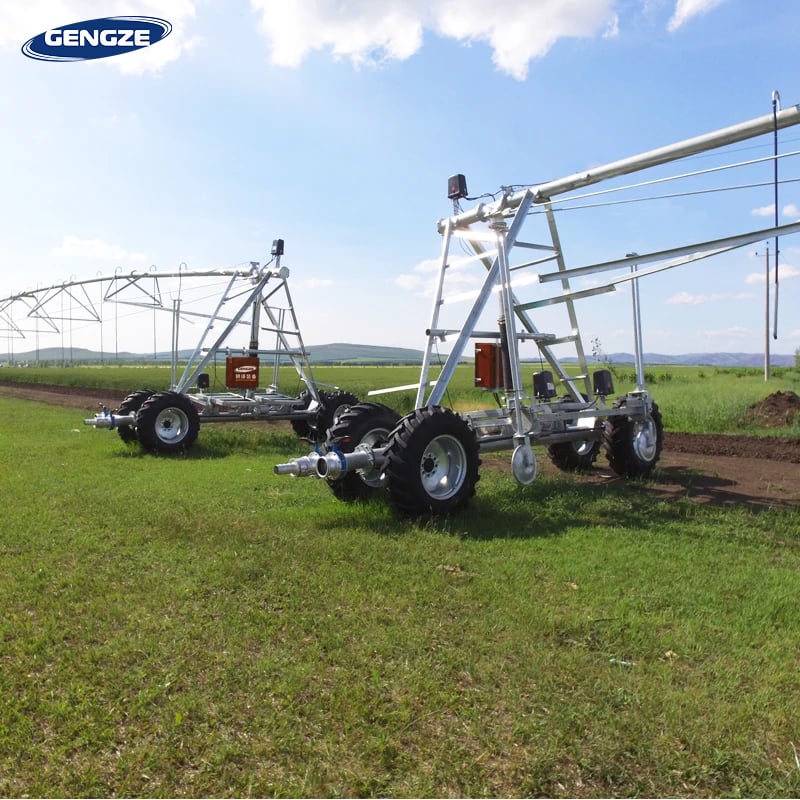
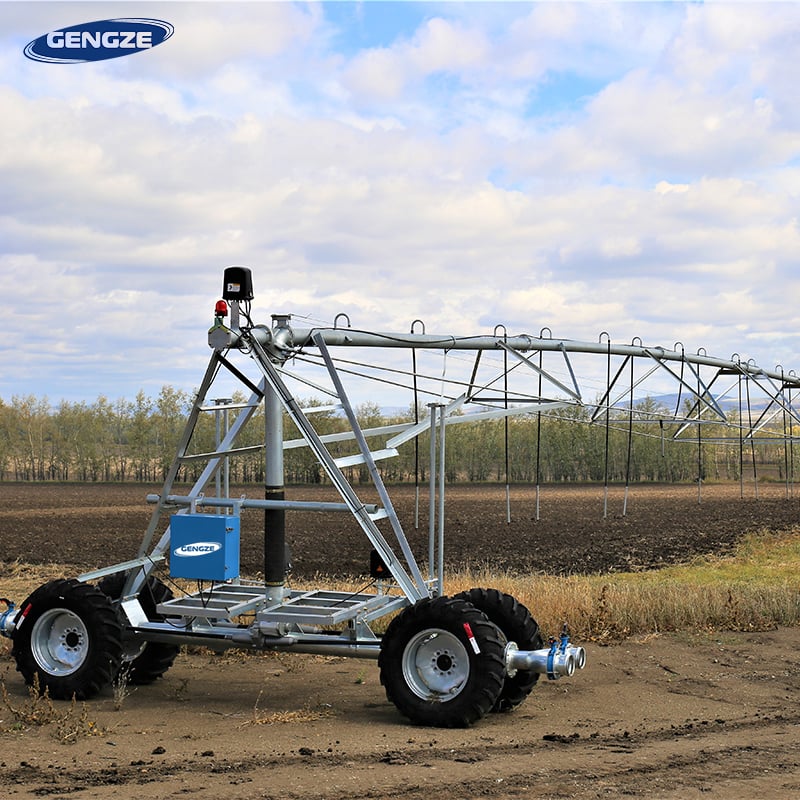
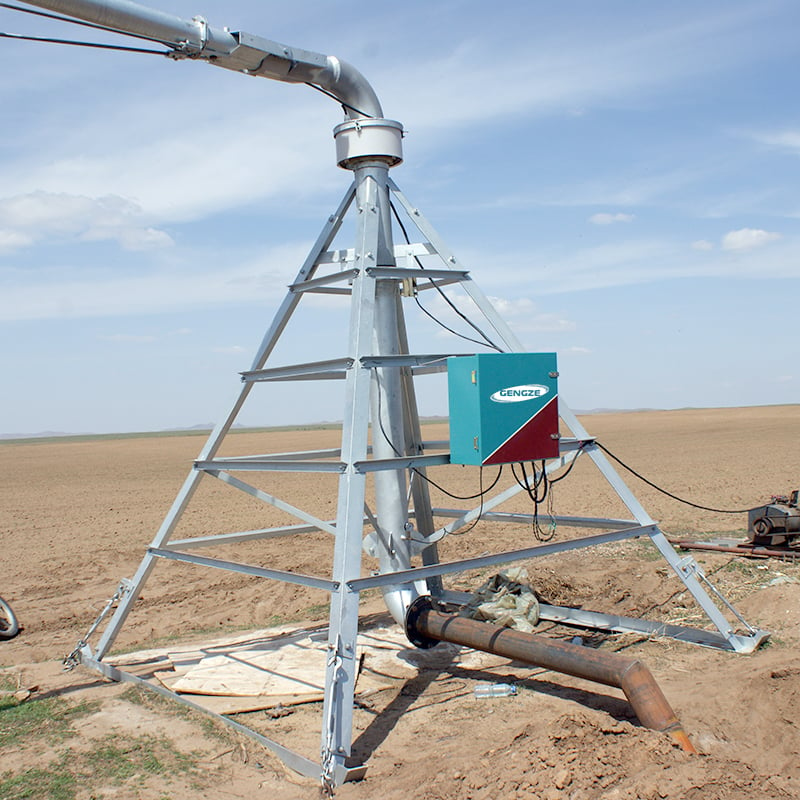
Solar panel irrigation systems offer an innovative solution for farmers seeking efficient and sustainable ways to manage water resources. These systems harness solar energy to power pumps, providing an eco-friendly method of irrigation that can reduce operational costs and enhance productivity. As a purchasing manager or agricultural engineer, understanding the key specifications, installation requirements, and cost factors of lateral irrigation systems is crucial for making informed decisions. This article will guide you through essential considerations when evaluating Gengze's systems for agricultural applications.
When assessing solar panel irrigation systems, several key specifications are paramount:
Solar Panel Efficiency: This refers to the percentage of sunlight converted into usable electricity. Higher efficiency panels (typically above 18%) can generate more power in limited space, making them ideal for small farms or areas with shading.
Pump Capacity: Depending on the size of the area to be irrigated, you will need to consider the flow rate (measured in gallons per minute or liters per second) and the total dynamic head (the height to which water must be pumped). Ensure the pump's specifications match your irrigation requirements.
Battery Storage: To maintain irrigation during non-sunny periods, evaluate the size and type of battery storage included with the system. Lithium-ion batteries tend to offer longer lifespans and faster charging times compared to traditional lead-acid batteries.
Durability and Material Quality: Look for panels and components made from high-quality materials that can withstand the elements. This includes corrosion-resistant metals and UV-stabilized plastics, which are crucial for longevity in outdoor applications.
System Monitoring Features: Advanced systems may include remote monitoring capabilities that allow for performance tracking and diagnostics. This can be invaluable for maintaining optimal operation and addressing issues promptly.
Focusing on these specifications will ensure that the solar pivot irrigation system you choose meets the specific needs of your agricultural operations.
Purchasing solar panel irrigation systems wholesale requires careful planning and clear communication with suppliers. Here are essential steps to ensure a successful procurement process:
Determine Your Needs: Before reaching out to suppliers, outline your operational requirements, including the size of the area to be irrigated, water source availability, and expected output. This will help suppliers provide accurate quotes.
Request Detailed Quotations: When asking for quotes, specify the desired system components, including solar panel wattage, pump type, and any additional features such as monitoring systems or battery storage. Include your expected order quantity to receive bulk pricing.
Evaluate Supplier Credentials: Look for manufacturers like Gengze with a proven track record in agricultural equipment. Gengze, for instance, has over 20 years of experience in the industry, providing quality machinery globally.
Check for Certifications: Ensure that the supplier’s products meet relevant industry standards and certifications. This not only ensures compliance but also guarantees a certain level of quality in the products.
Discuss Lead Times and Shipping: Confirm lead times for production and shipping, as these can vary significantly based on order size and the supplier's capacity. Understanding these factors will help you plan your irrigation schedule accordingly.
By following these guidelines, you can streamline the purchasing process, ensuring that you select the right supplier and equipment for your agricultural needs.
Proper installation of solar panel irrigation systems is crucial for optimal performance. Here are some practical tips to consider:
Site Assessment: Conduct a thorough assessment of the installation site to determine sunlight exposure, land topography, and proximity to water sources. Avoid areas with significant shading from trees or buildings.
Orientation and Angle: Position solar panels to maximize sunlight exposure. Ideally, panels should face south (in the northern hemisphere) and be tilted at an angle close to the latitude of the installation site to capture the most sunlight throughout the year.
Secure Mounting: Ensure that panels are securely mounted using durable brackets that can withstand wind and weather conditions. This is particularly important in areas prone to harsh weather.
Electrical Connections: Follow all electrical codes and standards during installation. Ensure that connections are waterproof and that cables are properly insulated to prevent damage from moisture and UV exposure.
Testing the System: Once installed, conduct thorough testing of the irrigation system. Check for leaks, ensure that the pump operates effectively, and monitor the system’s performance under various conditions to confirm reliability.
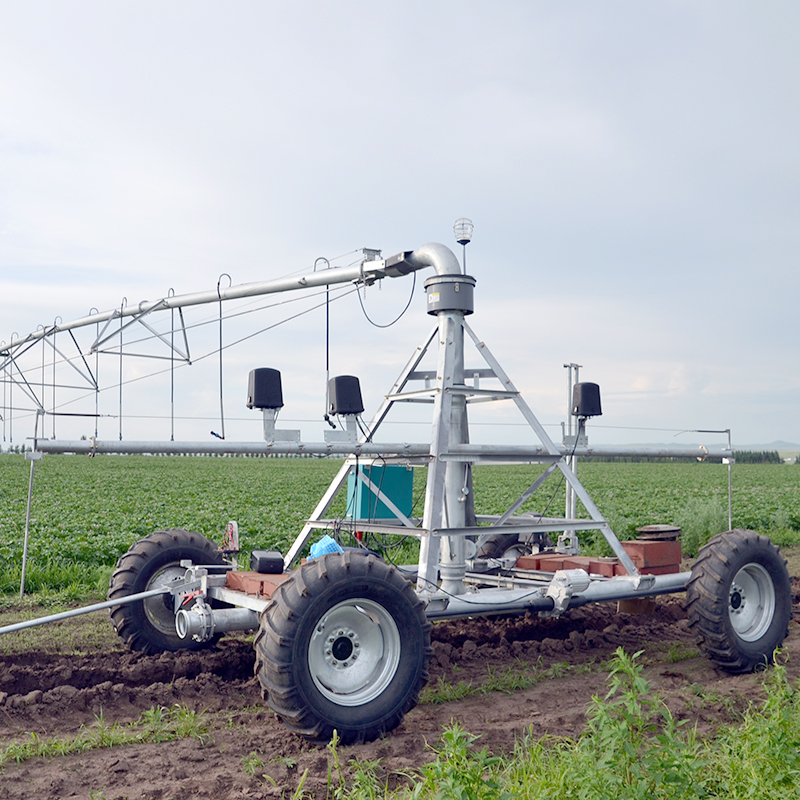
By adhering to these installation tips, you can enhance the efficiency and longevity of your center pivot irrigation system.
Understanding the cost factors associated with solar panel irrigation systems is essential for budgeting and financial planning. The following aspects should be considered:
Initial Investment: The upfront cost includes the price of solar panels, pumps, batteries, and installation services. Prices can vary widely based on system size and specifications.
Operating Costs: While solar energy significantly reduces electricity costs, maintenance and repair expenses should be factored in. Regular cleaning of solar panels and monitoring of system components can help maintain efficiency.
Incentives and Rebates: Investigate available government incentives or rebates for renewable energy systems. These can substantially lower the initial investment and improve return on investment (ROI).
Financing Options: Explore different financing options, such as loans or leasing arrangements, which can help spread the cost over time while still allowing you to benefit from immediate energy savings.
Long-Term Savings: Consider the long-term savings on energy costs and potential increases in yield due to improved irrigation efficiency. Calculating ROI can help justify the initial investment.
By thoroughly evaluating these cost factors, you can make a more informed decision regarding the purchase and implementation of solar panel irrigation systems.
When comparing different solar panel irrigation systems, focus on several critical performance indicators:
Efficiency Ratings: Compare the efficiency ratings of solar panels and pumps. Higher efficiency often means better performance, especially in environments with limited sunlight.
Water Delivery Performance: Assess the flow rate and pressure capabilities of different pumps. Ensure that the system can meet your irrigation demands, especially during peak usage periods.
System Compatibility: Ensure the solar panel irrigation system is compatible with existing infrastructure, such as current irrigation systems or water sources. Compatibility can affect installation time and overall system efficiency.
Warranty and Support: Look for systems at Gengze that come with robust warranties and reliable customer support. This can provide peace of mind and support in case of any operational issues.
User Reviews and Case Studies: Research user reviews and seek out case studies from similar agricultural operations. Hearing about real-world performance can provide valuable insights that specifications alone may not reveal.
By carefully comparing these factors, buyers can identify solar panel irrigation systems that will deliver optimal performance tailored to their specific agricultural needs.

Dalian Gengze Agricultural Equipment Manufacturing Co.,Ltd
Copyright © Dalian Gengze Agricultural Equipment Manufacturing Co.,Ltd All Rights Reserved | Blog | Privacy Policy
 EN