Requesting a Call:
Online Support
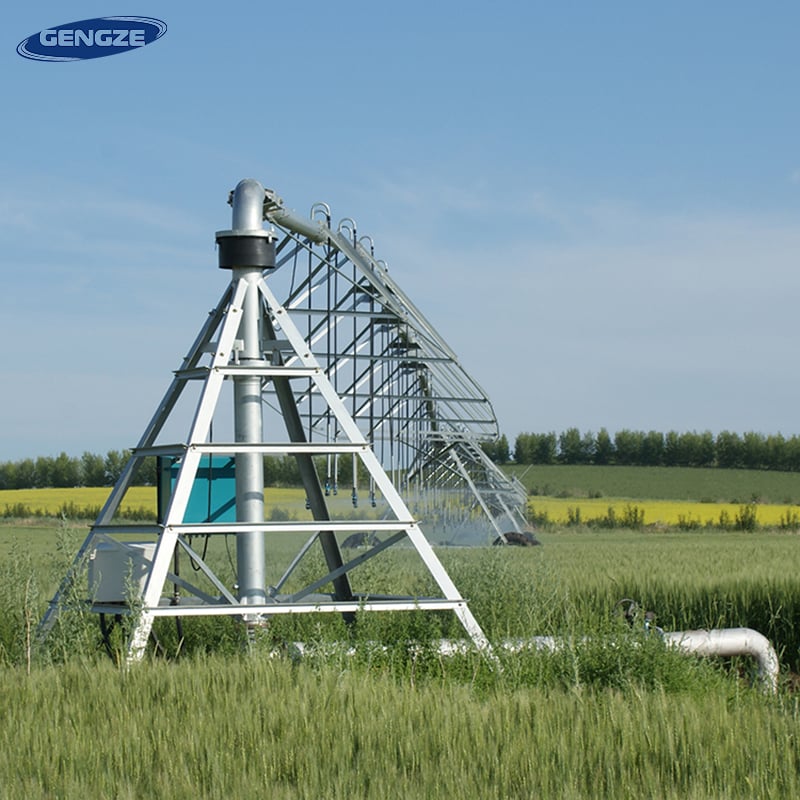
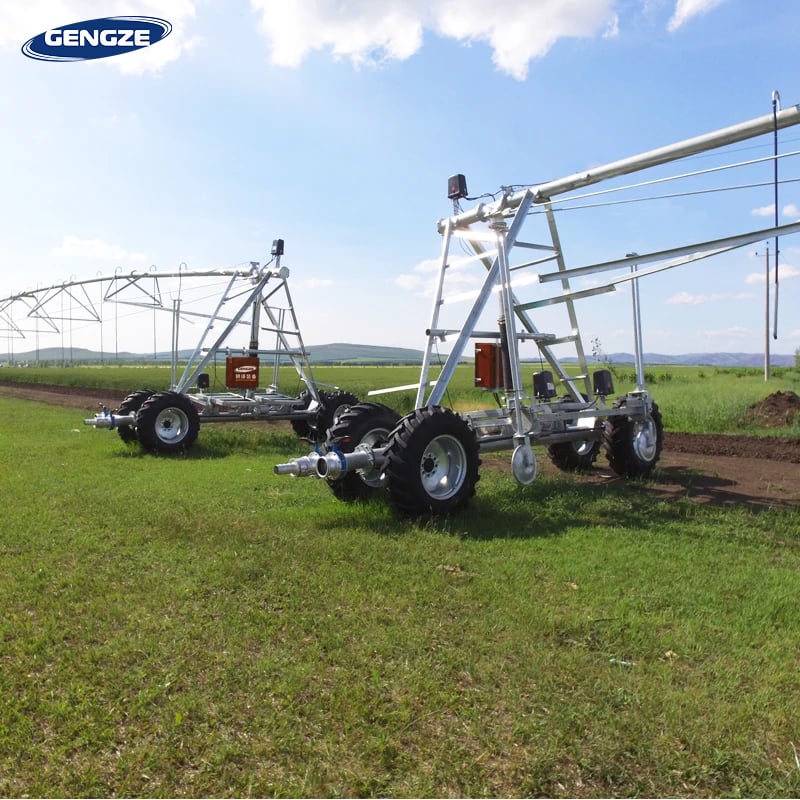
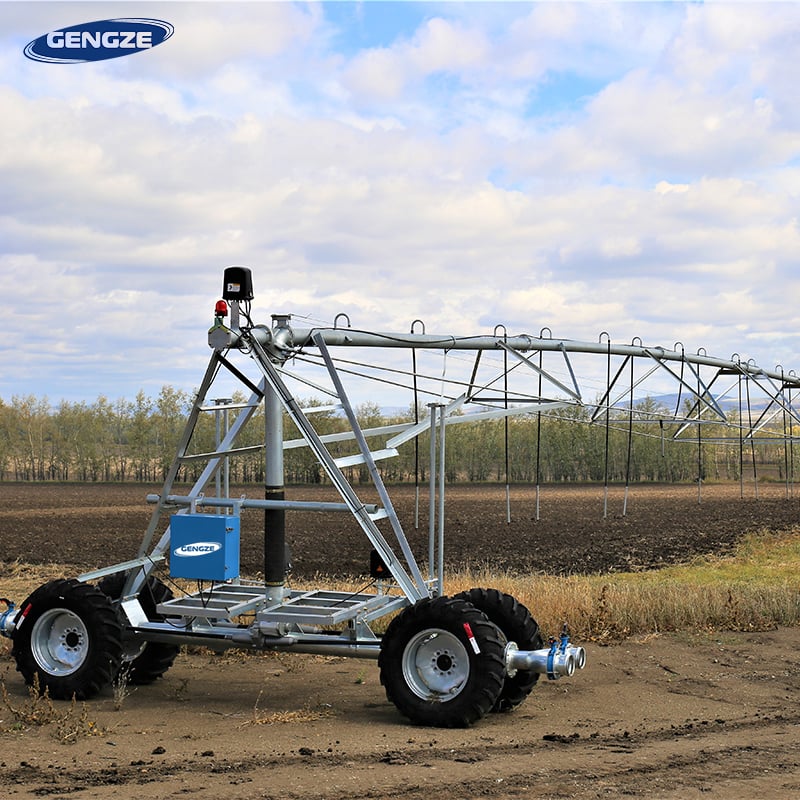
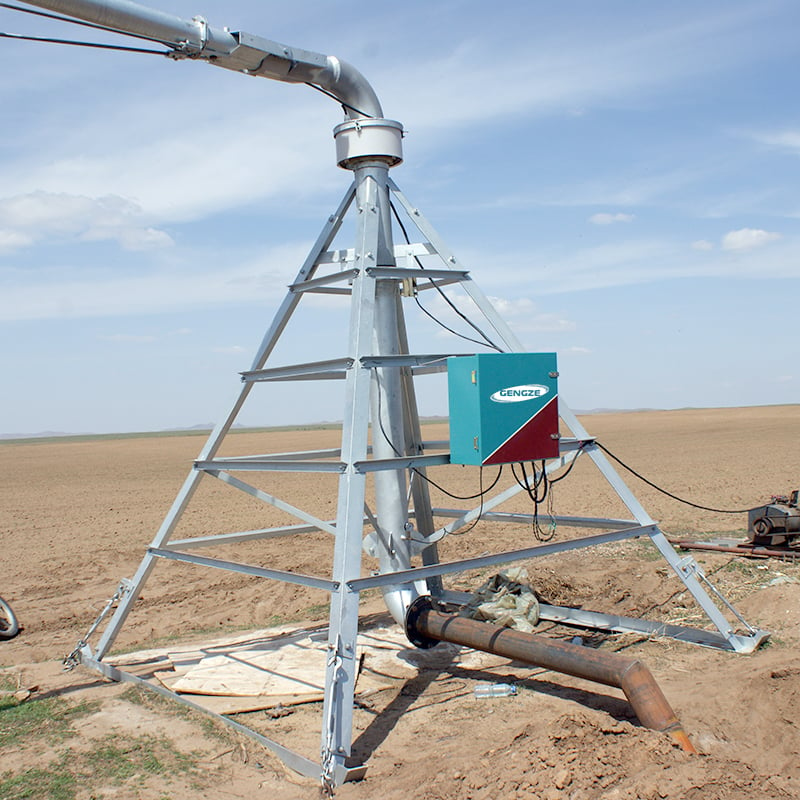
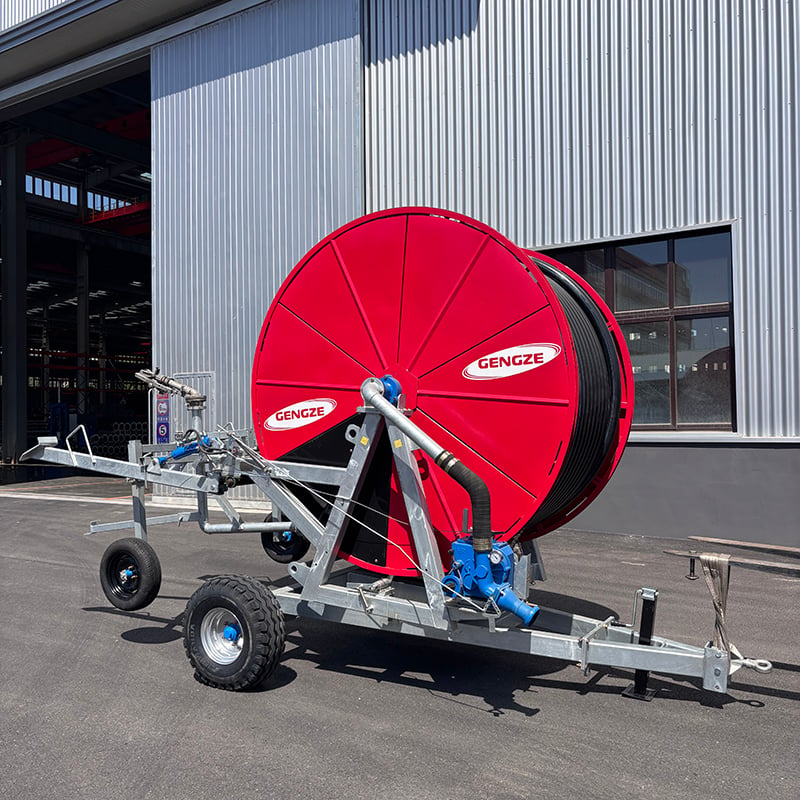
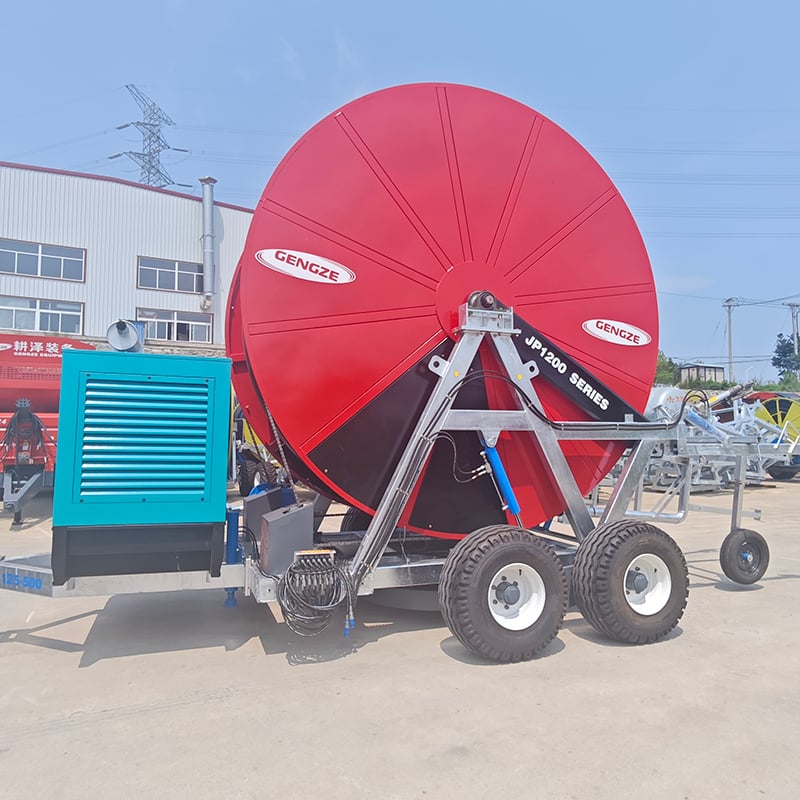
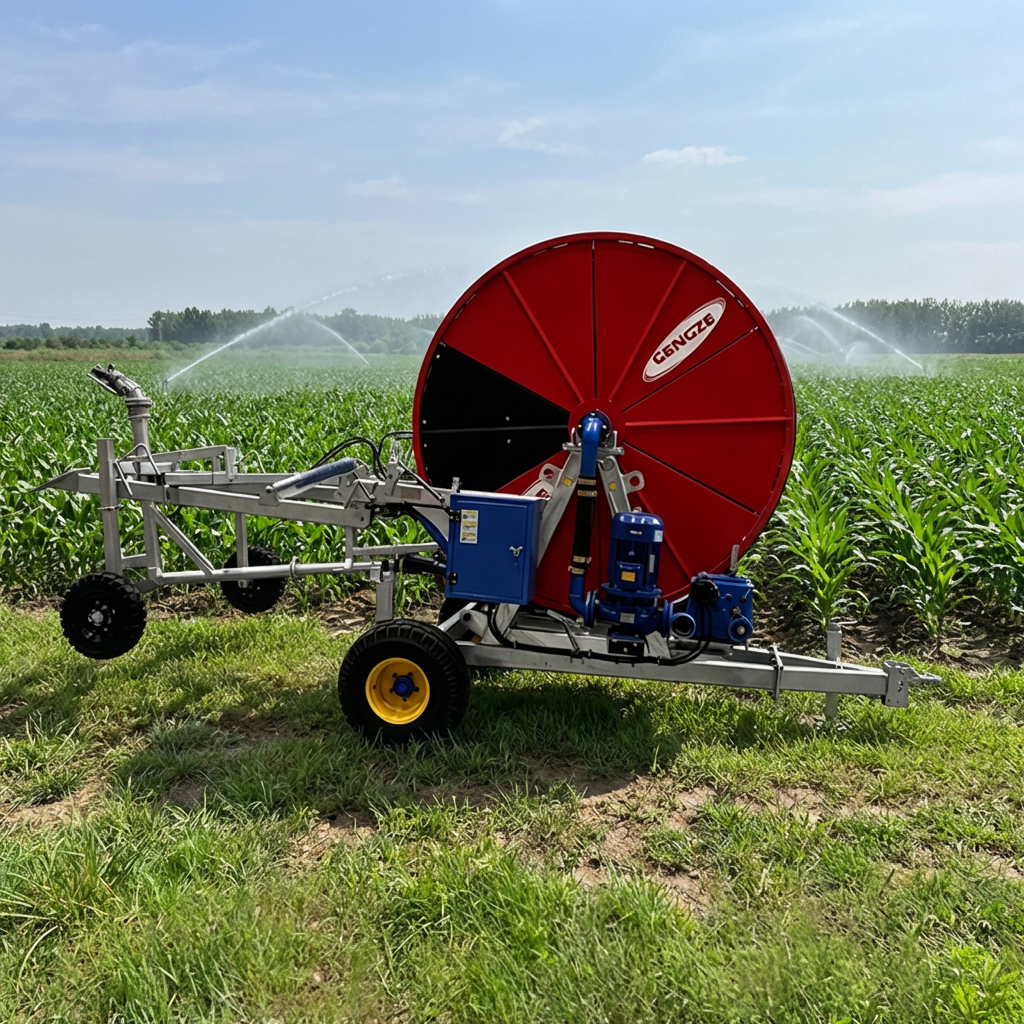
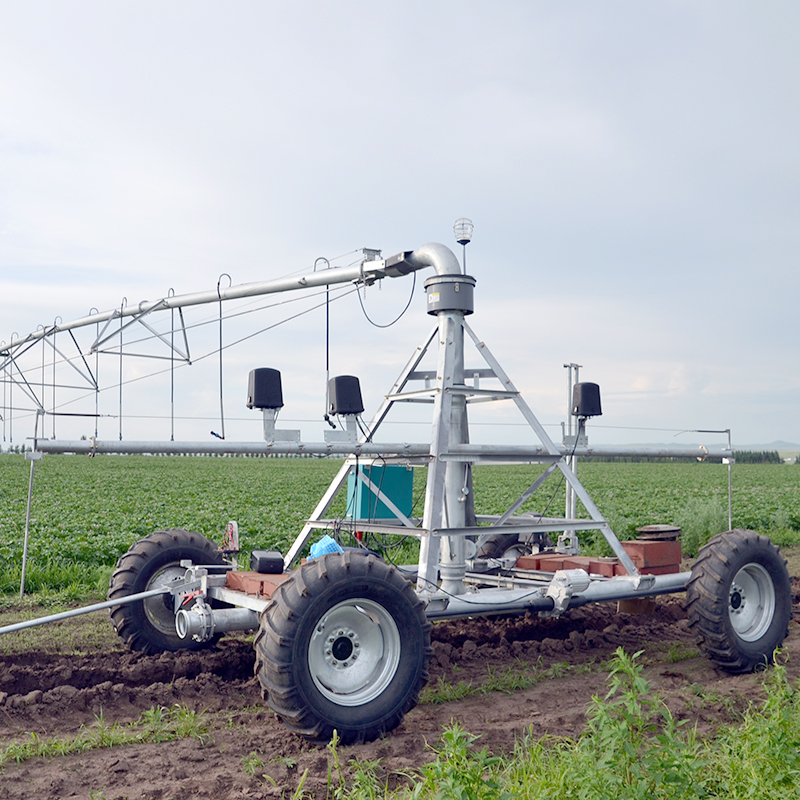
Solar powered water irrigation systems are innovative solutions designed to provide efficient irrigation for agricultural applications without relying on conventional energy sources. These systems use solar energy to power pumps and other components, making them an eco-friendly choice for farmers and agricultural businesses looking to reduce operational costs and carbon footprints, we will explore key aspects of sourcing, specifications, installation, and common challenges associated with center point irrigation system, equipping potential buyers with the knowledge needed to make informed purchasing decisions.
When sourcing solar powered water irrigation systems, it's essential to identify reputable manufacturers and suppliers that specialize in agricultural equipment. Start by researching companies with a strong track record in the industry, like Dalian Gengze Agricultural Equipment Manufacturing Co., Ltd, which has over 20 years of experience in producing high-efficiency agricultural machinery. Look for suppliers who offer comprehensive product lines, including solar pumps, controllers, and installation accessories.
Consider factors such as manufacturing capabilities, product certifications, and customer service reputation. Request product catalogs and technical specifications to assess the range of systems available. It’s also beneficial to inquire about minimum order quantities (MOQ) and customization options to ensure the products meet your specific irrigation needs.
Understanding the key specifications of solar powered water irrigation systems is crucial for selecting the right solution. Key specifications include:
Power Output: Measured in Watts, this indicates the system’s ability to convert solar energy into usable power. Buyers should consider their irrigation requirements to ensure the system can deliver adequate power.
Pump Type: Different applications require different pump types, such as submersible or surface pumps. Each type has distinct advantages based on installation depth and water source.
Flow Rate: This is measured in liters per minute (L/min) and indicates how much water the system can deliver. Ensure the flow rate matches your irrigation needs.
Solar Panel Efficiency: The efficiency rating of solar panels affects overall system performance. Higher efficiency panels convert more sunlight into energy, ensuring reliable operation even in low-light conditions.
Controller Features: Advanced controllers can optimize performance by regulating pump operation based on water levels and solar energy availability. Look for systems with smart controllers for enhanced efficiency.
Understanding these specifications helps buyers evaluate product suitability and performance, ensuring the selected system meets their agricultural demands.
Several cost factors influence the total price of solar powered water irrigation systems:
Initial Investment: The initial cost includes the solar panels, pump, controller, and installation materials. While these systems may have higher upfront costs compared to traditional systems, they typically offer lower operational costs over time.
Installation Expenses: Professional installation may be necessary, especially for complex systems. Costs can vary based on the system size and location.
Maintenance Costs: Regular maintenance is essential for system longevity. Consider the availability of spare parts and the manufacturer's support when estimating ongoing expenses.
Energy Savings: Solar powered systems can significantly reduce electricity bills, offering long-term savings that offset initial costs. Calculate potential savings based on local energy prices and expected hose reel irrigation system performance.
By understanding these cost factors, buyers can better assess budget requirements and make informed purchasing decisions.
Proper installation of Gengze solar powered water irrigation systems is critical for optimal performance. Here are essential steps to consider:
Site Assessment: Evaluate the installation site to ensure adequate sunlight exposure and determine the best location for solar panels and pumps. Avoid shaded areas that can limit solar energy capture.
Component Layout: Plan the layout of the system components, including the orientation of solar panels for maximum sun exposure and the placement of the pump relative to the water source and irrigation lines.
Mounting: Securely mount solar panels on a stable structure, ensuring they are positioned at an appropriate angle to capture sunlight. Use weather-resistant materials to ensure durability.
Electrical Connections: Follow manufacturer guidelines for wiring connections. Ensure proper insulation and protection to prevent electrical hazards and optimize performance.
Testing: After installation, conduct thorough testing to ensure the system operates correctly. Check flow rates, power output, and controller functionality to confirm the system meets operational expectations.
By following these guidelines, buyers can maximize the efficiency and reliability of their solar powered water irrigation systems.
While Gengze solar powered water irrigation systems offer many benefits, users may encounter common challenges. Being aware of these issues and their solutions can enhance system performance:
Insufficient Power Generation: Inadequate sunlight can lead to reduced system performance. To mitigate this, ensure solar panels are clean and unobstructed. Consider upgrading to higher-efficiency panels for better performance in low-light conditions.
Pump Failure: Mechanical failures can occur due to wear and tear. Regular maintenance checks are essential. Keep spare parts on hand for quick replacements, and ensure the pump is suitable for the application.
Controller Malfunctions: If the irrigation system doesn’t operate as expected, the controller may need recalibration or replacement. Regularly check the controller settings and functionality to ensure optimal system operation.
Water Quality Issues: Sediment or debris can clog filters and pumps, leading to reduced efficiency. Implement pre-filtration systems to maintain water quality and protect the equipment.
By proactively addressing these common problems, buyers can ensure their mobile sprinkler irrigation system operate efficiently and effectively throughout their lifespan.

Dalian Gengze Agricultural Equipment Manufacturing Co.,Ltd
Copyright © Dalian Gengze Agricultural Equipment Manufacturing Co.,Ltd All Rights Reserved | Blog | Privacy Policy
 EN