Requesting a Call:
Online Support
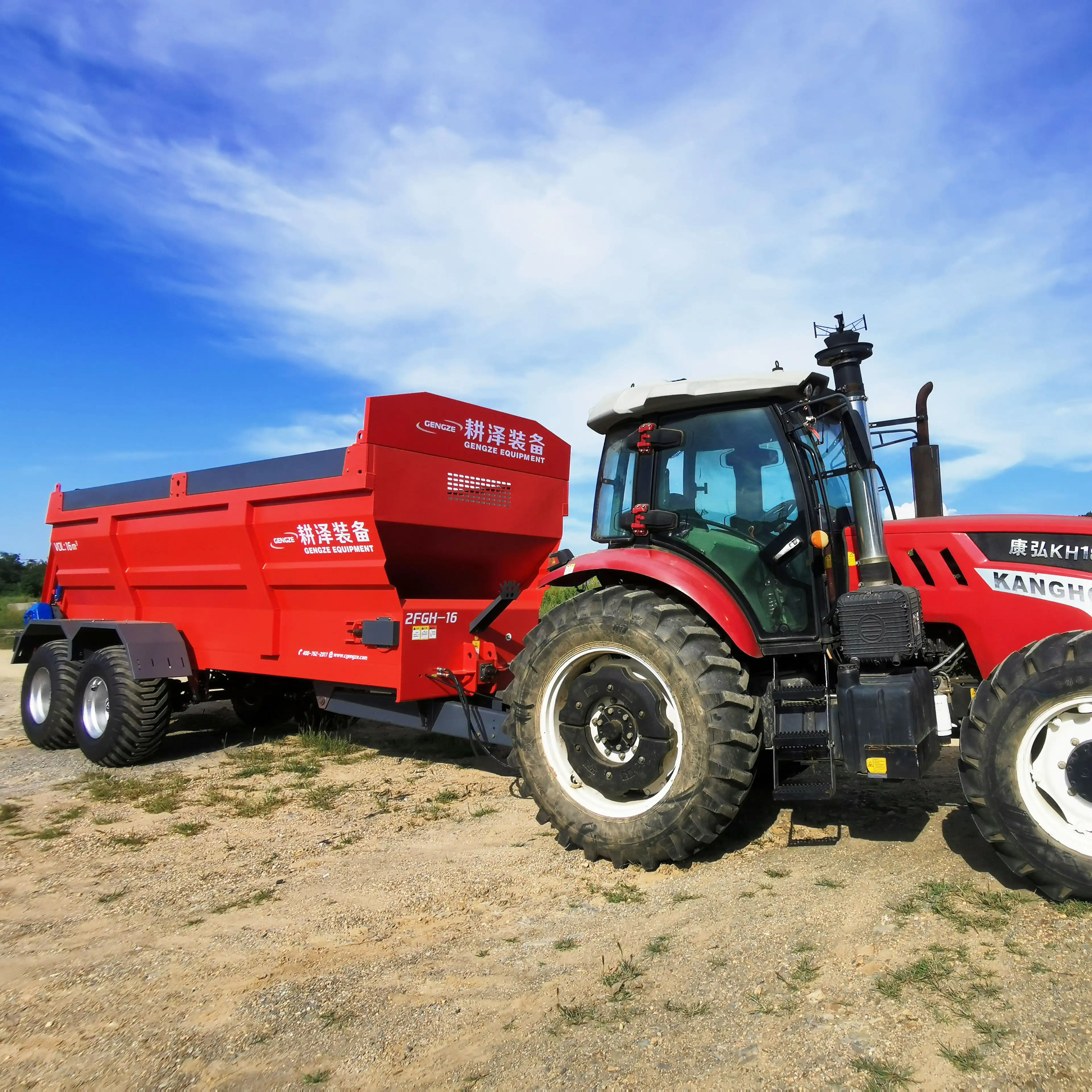
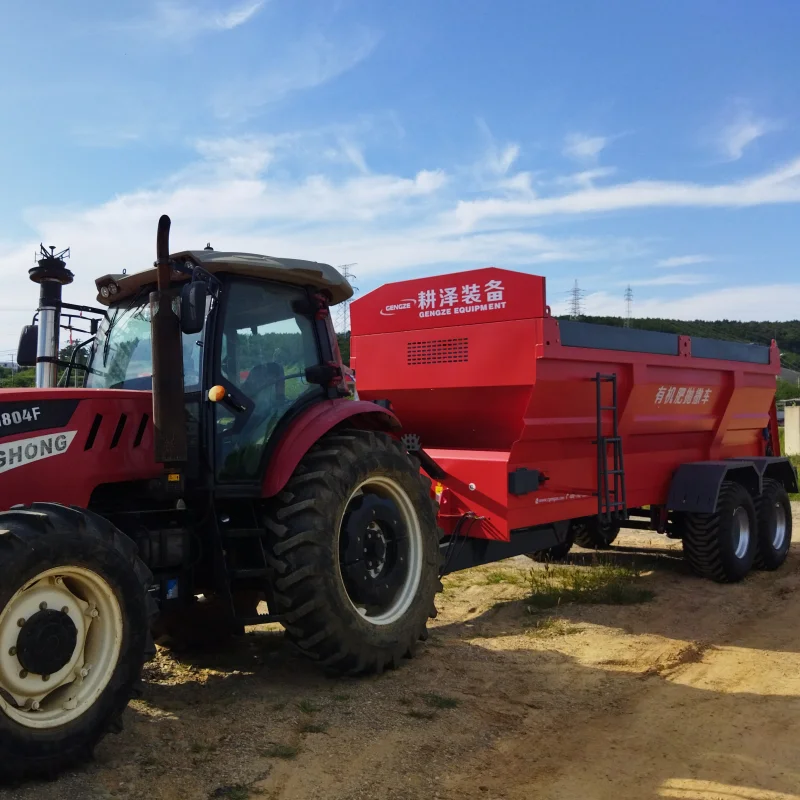
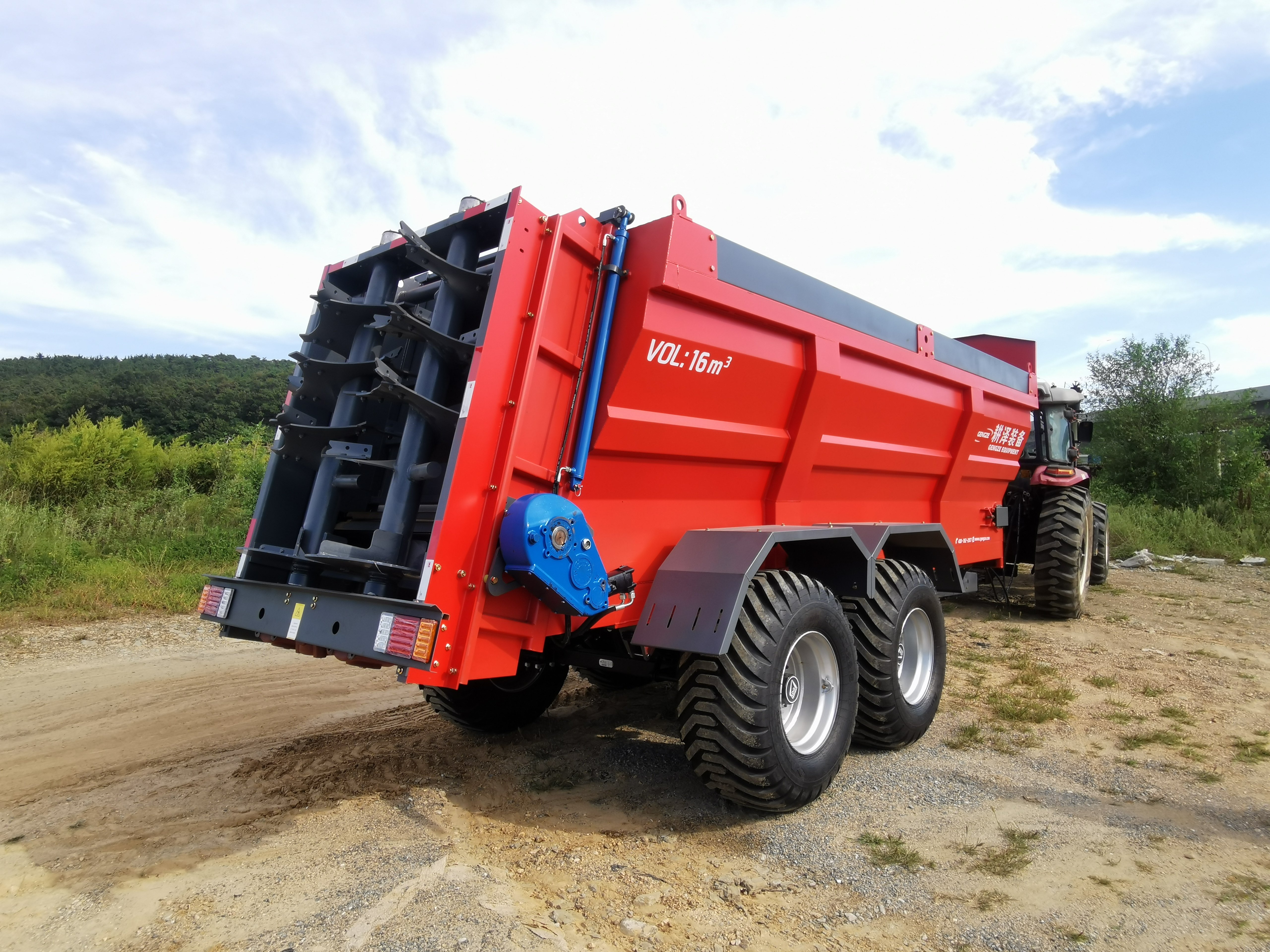
Tractor fertilizer spreaders are essential agricultural equipment used to evenly distribute fertilizers across fields, promoting healthy crop growth and maximizing yields. For purchasing managers and agricultural professionals, understanding the specifications, cost factors, potential problems, installation guidance, and applications of these machines is crucial. This article aims to provide practical insights that will help you make informed decisions when sourcing tractor fertilizer spreaders.
When evaluating tractor fertilizer spreaders, several key specifications should be considered. These include:
Capacity: The volume of fertilizer that the spreader can hold is critical for efficiency. Common capacities range from 1,000 to 4,000 liters, depending on the model. A larger capacity can reduce the number of trips needed across the field, saving time and fuel.
Material Construction: Most spreaders are made from high-strength steel or polyethylene. Steel offers durability and resistance to wear, while polyethylene is lighter and corrosion-resistant. Buyers should consider the operating environment; for instance, if the spreader will be used in areas with high moisture or corrosive fertilizers, a corrosion-resistant material might be preferable.
Adjustment Mechanisms: Many modern spreaders feature adjustable spread widths and rate control systems. This allows operators to customize the application based on crop needs and field conditions. Look for models that offer easy adjustments to enhance operational flexibility.
Compatibility with Tractors: Ensure the spreader is compatible with your tractor’s horsepower and hitch specifications. Most spreaders have specific horsepower requirements that should be matched to the fertilizer spreader for tractor to ensure optimal performance.
Drive Mechanism: Spreaders can be PTO-driven or electric. PTO-driven models typically offer more power and are suitable for larger applications, while electric models may be more suitable for smaller farms.
Understanding these specifications will help you select a tractor fertilizer spreader that meets your operational needs effectively.
Pricing for tractor fertilizer spreaders can vary widely based on multiple factors:
Specifications and Features: As outlined previously, the capacity, materials, and features directly impact the cost. Higher capacity and advanced features like variable rate control typically come at a premium.
Brand Reputation: Established brands like Gengze may command higher prices due to their reputation for quality and reliability. Buyers should weigh the value of brand trust against budget constraints.
Customization Options: Custom features tailored to specific agricultural needs can increase costs. While customization may enhance performance, it’s important to assess whether these modifications are necessary for your operations.
Shipping and Handling: Consider the logistics of transporting the spreader to your location. Shipping costs can vary based on distance and weight, and it’s wise to factor this into the overall budget.
Warranty and Support: A good warranty can add value to your purchase. Consider the length and coverage of the warranty, as well as the availability of customer support and service options.
By evaluating these cost factors, purchasing managers can better align their budgets with the right manure spreader for tractor spreader for their needs.
Like any machinery, tractor fertilizer spreaders can encounter issues that may disrupt operations. Common problems include:
Uneven Distribution: This can occur due to clogged spreader holes or incorrect calibration. Regular maintenance, including cleaning and checking the calibration settings before use, can prevent uneven application.
Mechanical Failures: Issues such as broken belts or malfunctioning motors can halt operations. Conducting routine inspections, especially before peak seasons, can help identify wear and prevent breakdowns.
Incompatibility with Tractors: Misalignment or insufficient power can lead to operational difficulties. Ensuring compatibility through thorough checks before purchasing can save time and frustration.
Material Degradation: Exposure to corrosive materials can shorten the lifespan of spreaders. Selecting the appropriate material for the intended use, such as corrosion-resistant coatings, can mitigate this risk.
By being aware of these common issues and implementing preventive measures, operations can run smoothly and efficiently.
Proper installation and setup of tractor fertilizer spreaders are vital for optimal performance:
Mounting: Ensure the spreader is mounted securely to the tractor. Follow the manufacturer's instructions for hitching and check for any loose connections before use.
Calibration: Before the first application, calibrate the spreader according to the fertilizer type and desired application rate. This step is essential to ensure even distribution and avoid over or under-fertilization.
Testing: Conduct a test run in a small area to verify the spread pattern and application rate. This allows for adjustments before applying to the entire field.
Safety Checks: Check all safety features, such as guards and shields, before operation. Ensure that all operators are trained in safe handling and operation to minimize risks.
By following these installation guidelines, users can maximize the effectiveness of their tractor compost spreader spreaders and ensure safe operation.
Tractor fertilizer spreaders have diverse applications in modern agriculture:
Crop Fertilization: Spreaders are primarily used for applying granular fertilizers to crops, ensuring that nutrients are evenly distributed for optimal growth.
Soil Amendments: In addition to fertilizers, these machines can apply lime or other soil amendments to adjust pH levels and improve soil health.
Cover Crop Establishment: Some models can be adapted for spreading seeds, making them versatile tools for cover crop establishment, which helps in soil conservation and fertility.
Compost and Organic Material Application: Modern spreaders can also handle compost or organic fertilizers, supporting sustainable agricultural practices.
Considering these applications, tractor fertilizer spreaders serve as valuable tools for enhancing agricultural productivity, promoting sustainable practices, and improving crop yields. By understanding the specifications, cost factors, potential problems, installation guidance, and applications of tractor fertilizer spreaders, B2B buyers can make informed decisions that align with their operational needs and agricultural goals.

Dalian Gengze Agricultural Equipment Manufacturing Co.,Ltd
Copyright © Dalian Gengze Agricultural Equipment Manufacturing Co.,Ltd All Rights Reserved | Blog | Privacy Policy
 EN