Requesting a Call:
Online Support
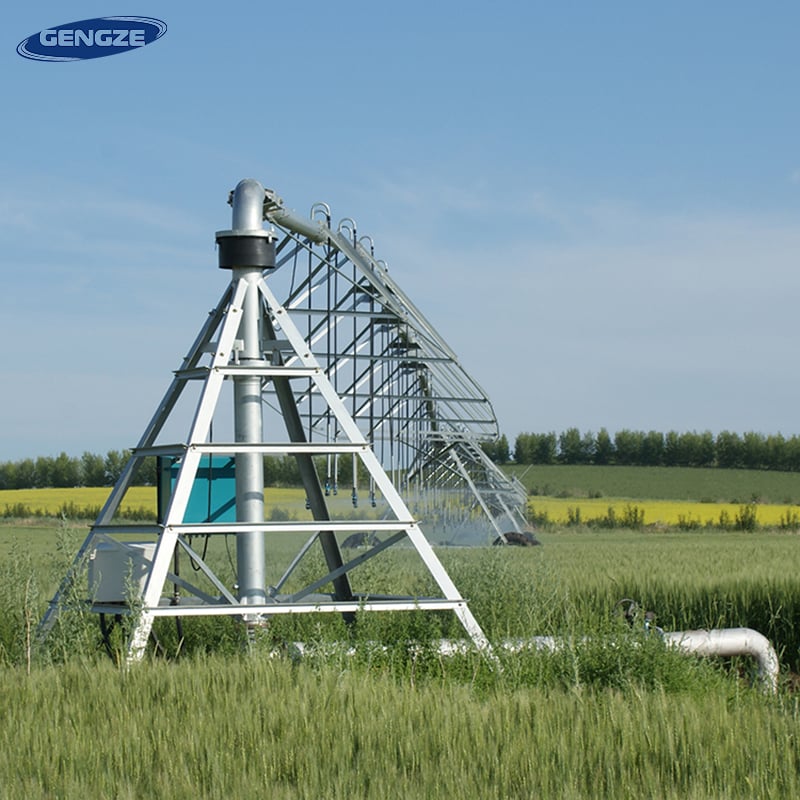
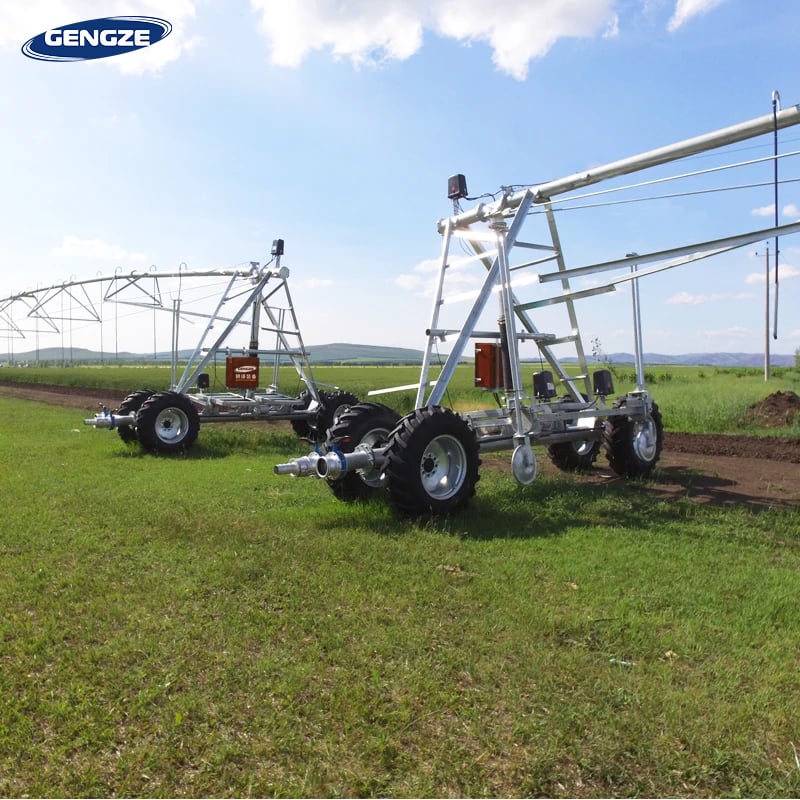
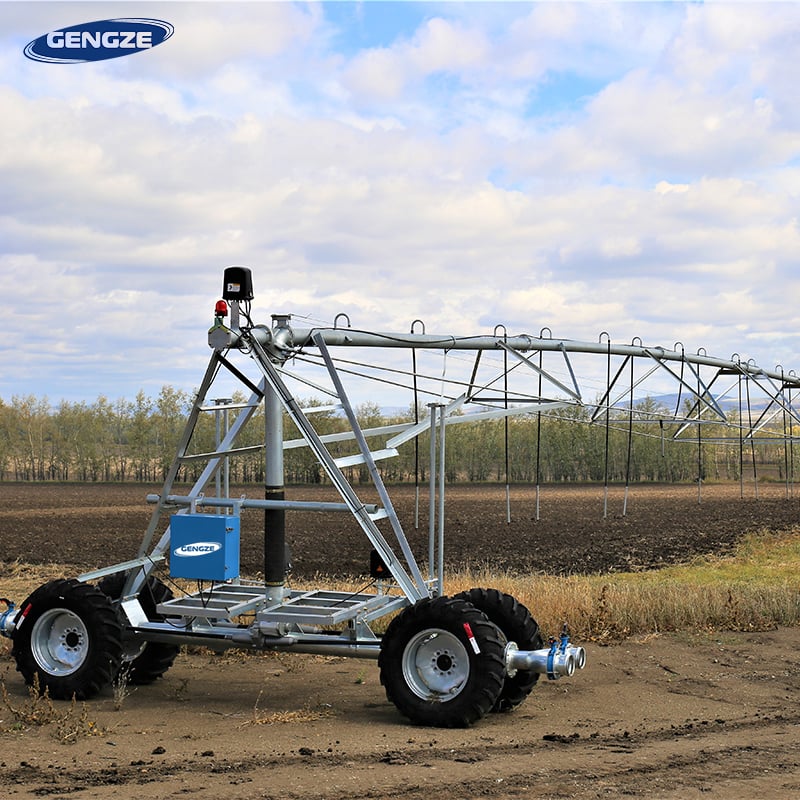
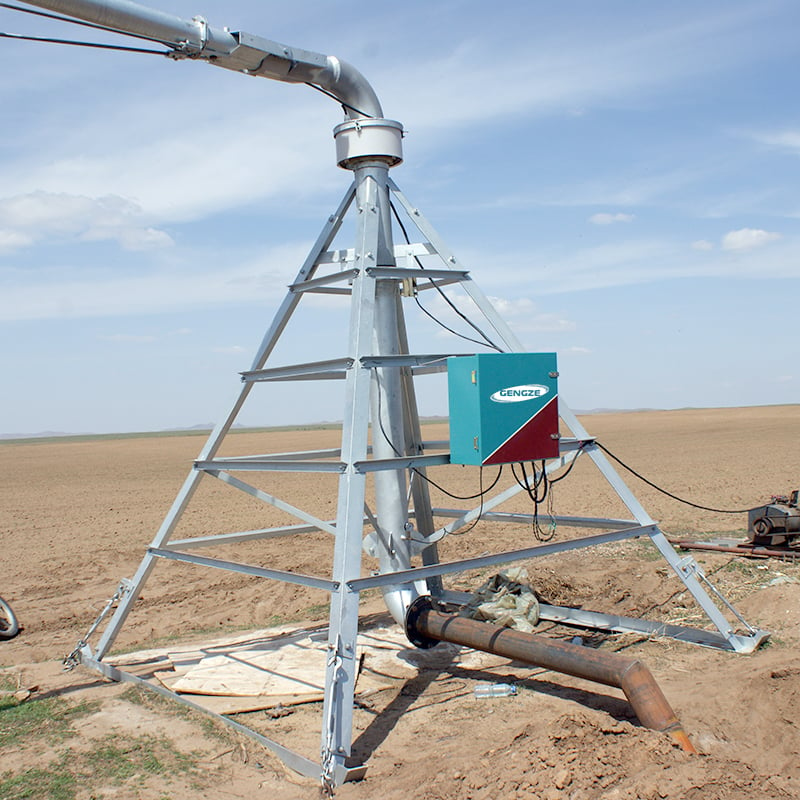
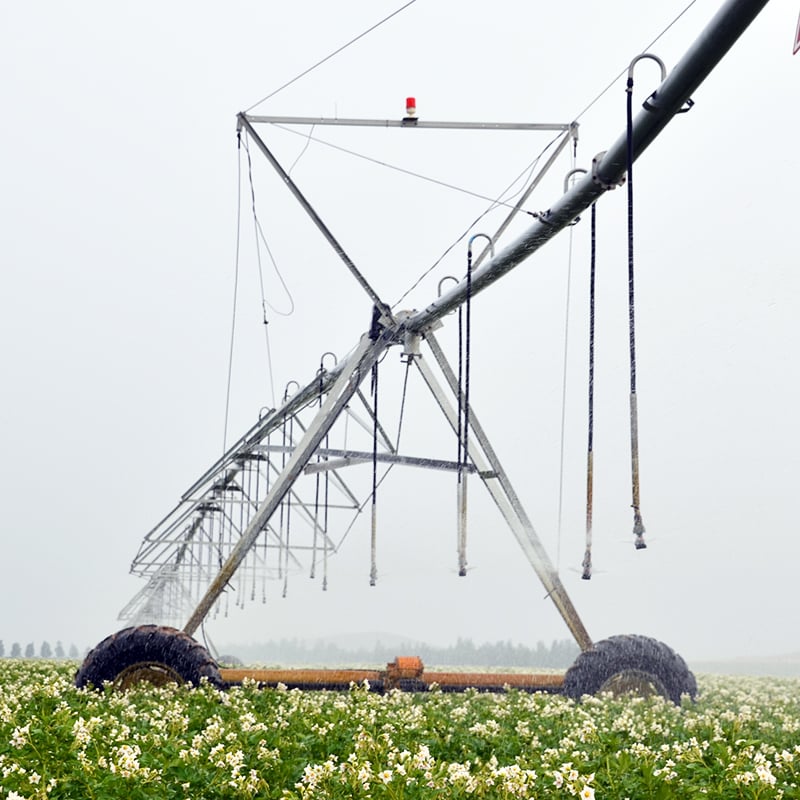
Water pivot irrigation systems are advanced agricultural tools designed to optimize water usage in crop production. These systems are particularly beneficial for large-scale farming operations, enabling efficient water delivery across extensive fields. For B2B buyers, particularly purchasing managers and distributors, key concerns often revolve around system efficiency, cost-effectiveness, and reliability. This article will explore the benefits of water pivot irrigation systems, criteria for selection, essential specifications to consider, quality evaluation methods, and sourcing options.
Water pivot irrigation systems offer numerous advantages that appeal to wholesale buyers, particularly in terms of efficiency and productivity. One of the primary benefits is their capability to cover large areas uniformly, ensuring all crops receive adequate water. This uniformity leads to improved crop yields, as water distribution is consistent, minimizing dry spots that could adversely affect growth.
Furthermore, these irrigation system are designed to minimize water waste through precise application, which is critical in regions facing water scarcity. They can be programmed for optimal watering schedules, allowing farmers to irrigate during early morning or late evening hours, reducing evaporation loss. As a result, buyers can expect not only higher crop productivity but also a reduction in water costs, thereby improving the overall return on investment.
Additionally, modern water pivot systems often come equipped with technology that allows for remote monitoring and control, offering buyers enhanced operational efficiency. This technology integration can lead to easier management of irrigation schedules and potential integration with other farm management software.
Selecting the right water pivot irrigation system involves a thorough understanding of your specific agricultural needs and operational capabilities. First, assess the size and shape of the field you intend to irrigate. Different systems have varying coverage capabilities, and choosing one that matches your field dimensions can prevent overlaps and gaps in irrigation.
Next, consider the source of water and its quality. The choice of system may depend on whether the water is sourced from a well, river, or reservoir, and its mineral content can affect system compatibility. For example, high sediment content may require more robust filtration systems to prevent clogging.
Additionally, take into account the local climate and crop types. Different crops have varying water requirements, and understanding these needs can help you select a system that utilizes water efficiently while promoting optimal growth. Finally, evaluating the available budget is crucial; while more advanced systems may provide better efficiency, their initial costs can be higher.
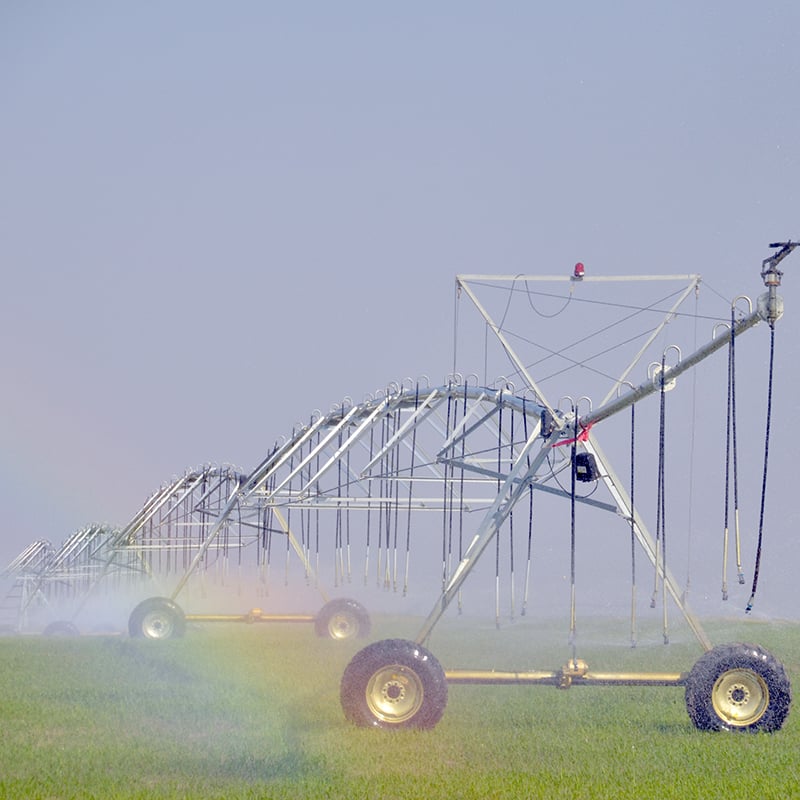
When evaluating water pivot irrigation systems, several key specifications should not be overlooked. One critical factor is the pivot length, which directly affects the area covered. Systems typically range from 100 to 1,200 feet in length, and selecting the appropriate size is essential for maximizing irrigation efficiency.
Another important specification is the drive mechanism. Choose between electric and hydraulic drives based on availability and operational preferences. Electric drives are often favored for their lower maintenance requirements, while hydraulic systems may offer better power for larger setups.
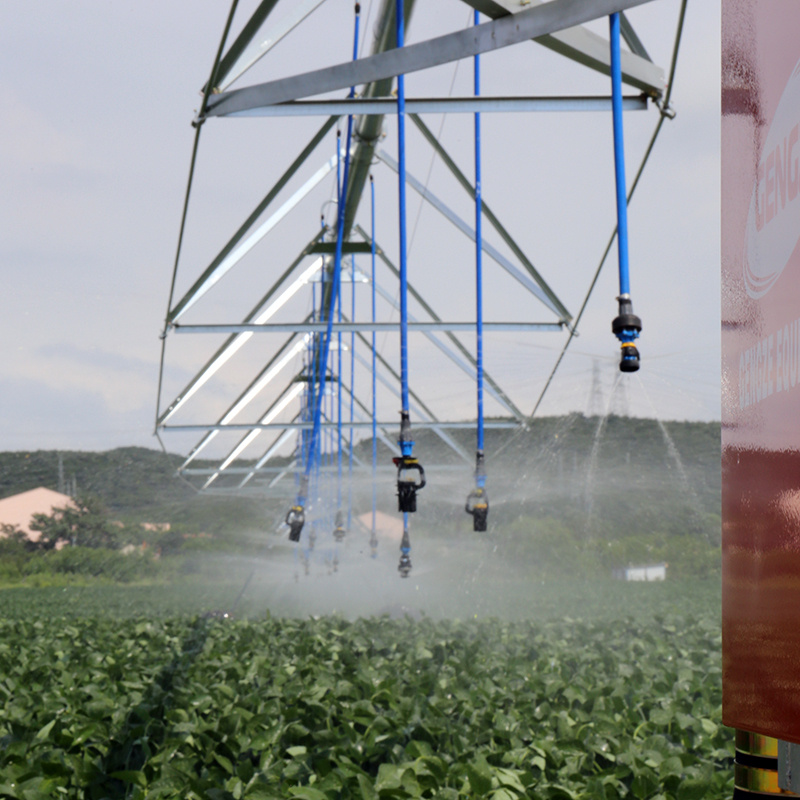
Sprinkler type and spacing are also vital considerations. The nozzle size and the spacing between them will determine the water distribution pattern and pressure, impacting crop health. Buyers should ensure that the selected nozzles can accommodate the specific water flow rates required for their crops.
Lastly, consider the control systems available. Advanced systems offer automated scheduling and remote access, which can enhance ease of use and operational efficiency. Ensure that the chosen system has the right compatibility with existing farm management tools.
Quality evaluation is paramount when purchasing water pivot irrigation systems. Buyers should first request detailed specifications and performance data from manufacturers. This information can provide insights into the system's durability, efficiency, and suitability for specific applications.
Conducting field tests or seeking out existing user reviews can also provide practical insights into the system's performance. Buyers should consider the manufacturer's reputation in the industry. A company like Dalian Gengze Agricultural Equipment Manufacturing Co., Ltd, with over two decades of experience in agricultural equipment manufacturing, brings reliability and proven performance to the table.
Attention should also be paid to the materials used in the system's construction. High-quality materials, such as galvanized steel or UV-resistant plastics, will enhance the system's longevity and reduce maintenance costs over time. Additionally, inquire about the quality control processes implemented during manufacturing to ensure that the systems meet industry standards.
Sourcing reliable solar center pivot irrigation system requires careful consideration of potential suppliers. Start by identifying manufacturers with a solid track record in agricultural equipment, like Dalian Gengze Agricultural Equipment Manufacturing Co., Ltd, known for its commitment to quality and efficiency.
Trade shows and industry exhibitions provide an excellent opportunity to connect with suppliers and evaluate their products firsthand. Here, buyers can engage directly with manufacturers, asking pertinent questions about the specifications, performance, and warranty options.
Online platforms and industry-specific directories can also be valuable resources for identifying potential suppliers. Look for companies with good reviews and testimonials, as well as those offering comprehensive customer support.
Before finalizing a purchase, ensure to request detailed quotations that encompass pricing, lead times, minimum order quantities (MOQ), and shipping options. This information will help you make informed decisions and negotiate effectively with suppliers, ensuring that you secure the best possible deal for your water pivot irrigation system.

Dalian Gengze Agricultural Equipment Manufacturing Co.,Ltd
Copyright © Dalian Gengze Agricultural Equipment Manufacturing Co.,Ltd All Rights Reserved | Blog | Privacy Policy
 EN