Requesting a Call:
Online Support
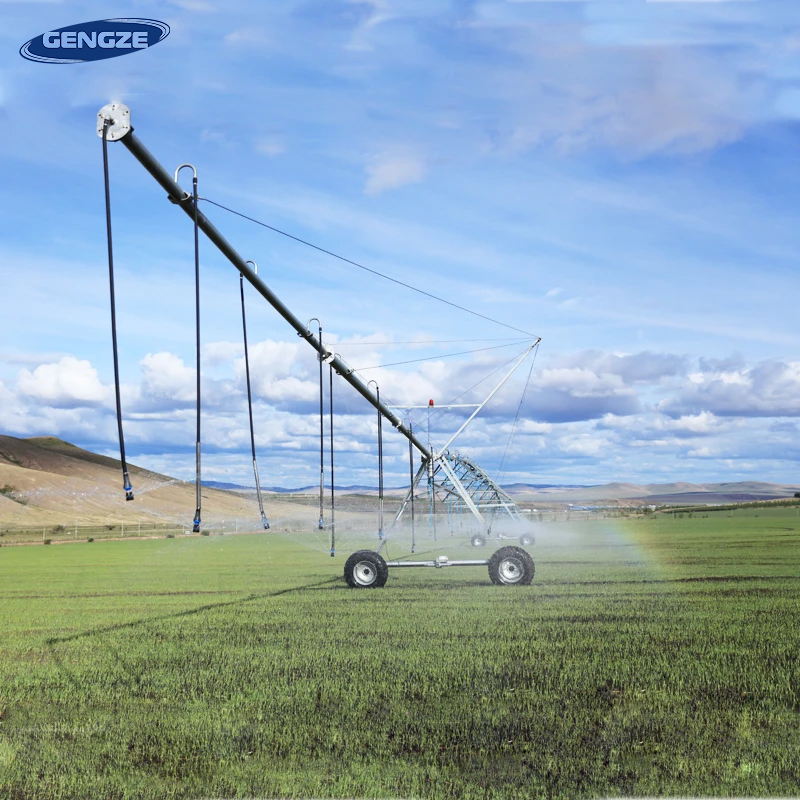
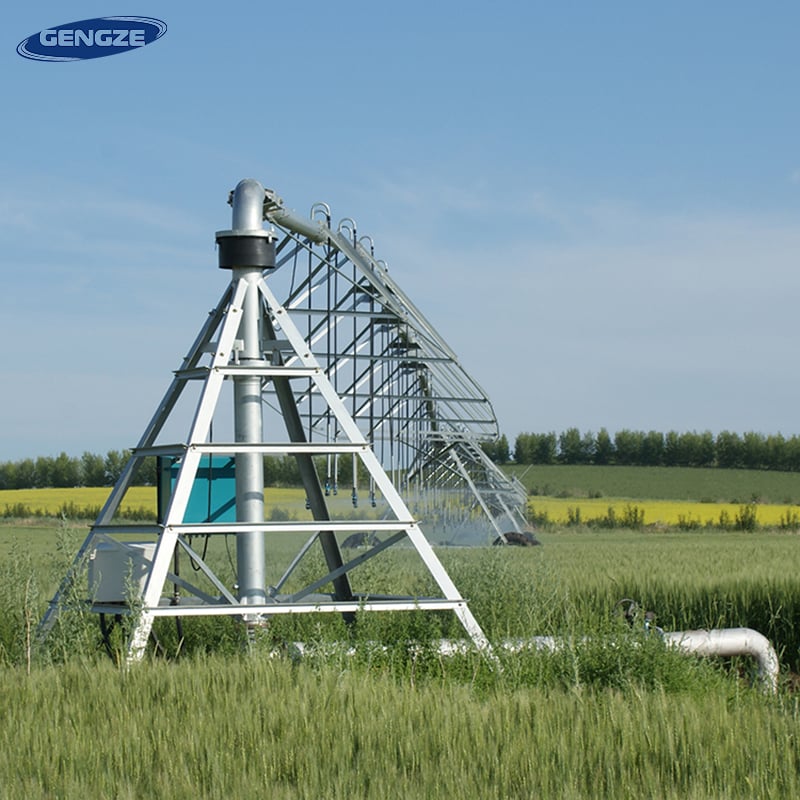
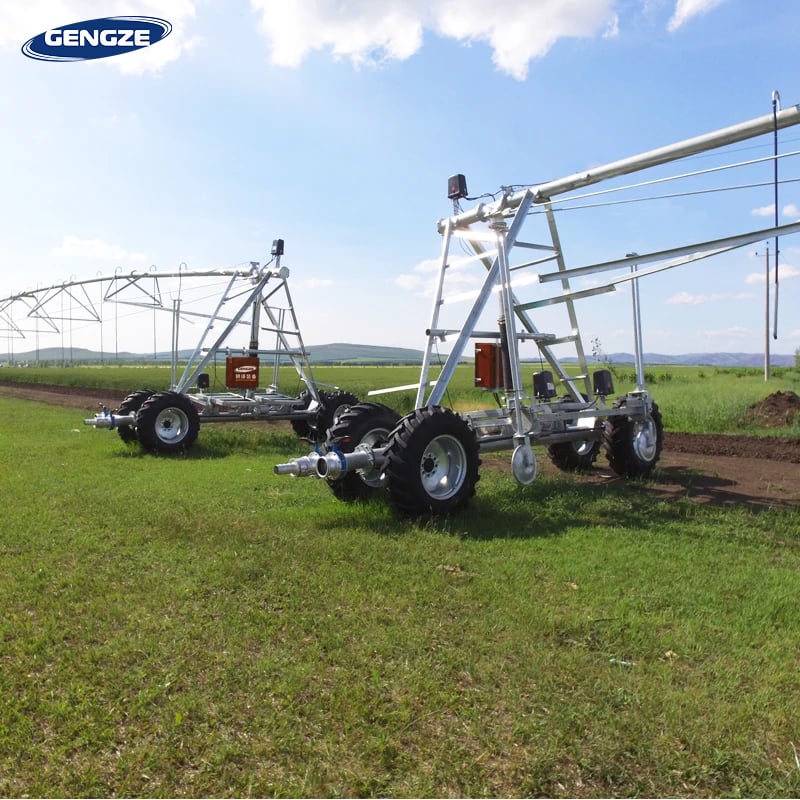
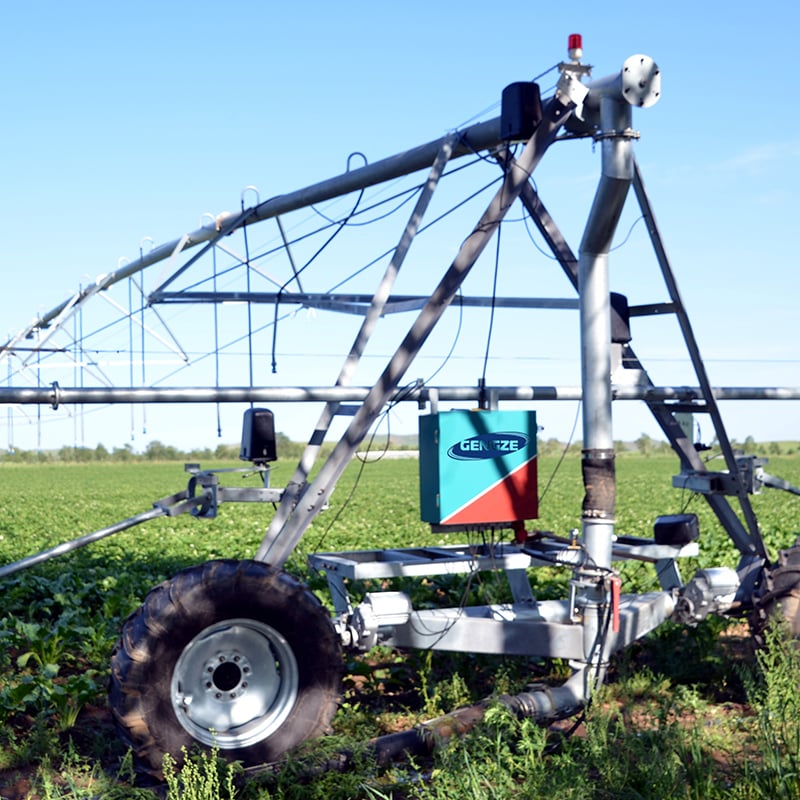
Choosing the right agricultural center pivot supplier is crucial for optimizing irrigation efficiency and maximizing crop yields. As a purchasing manager, you want to ensure that the supplier can meet your specific operational needs while providing cost-effective and reliable solutions. This article will guide you through the essential considerations for selecting a supplier, key specifications for solar center pivot equipment, evaluation methods, installation guidance, and common issues with center pivot irrigation systems.
When selecting an agricultural center pivot supplier, consider their experience and reputation in the industry. A supplier like Dalian Gengze Agricultural Equipment Manufacturing Co., Ltd, with over 20 years of experience, has a proven track record of delivering high-quality irrigation solutions. Look for a supplier that has a robust manufacturing capability, a history of successful projects, and positive customer testimonials.
Additionally, consider the supplier's product range, focusing on whether they offer various equipment types and custom solutions to fit your specific agricultural practices. Ensure they have a clear understanding of your local climate and soil conditions, as these factors significantly impact irrigation design and execution.
Finally, communication is vital. A responsive supplier who can provide expert advice and support throughout the purchasing process will help mitigate potential issues and foster a long-term partnership.
When sourcing center pivot equipment, it’s essential to evaluate specific technical specifications that will affect the system's performance and adaptability to your agricultural needs:
Span Length and Coverage Area: The span length determines the area that the small center pivot irrigation system can irrigate. Choose a length that suits your field dimensions and crop layout.
Material Quality: Look for equipment made from durable materials, such as galvanized steel or high-grade aluminum, to withstand environmental stresses. The choice of materials affects longevity and maintenance needs.
Drive System: The type of drive system (electric or hydraulic) can impact operational efficiency. Electric drives are typically more energy-efficient, while hydraulic systems may offer more power for larger spans.
Control Systems: Advanced control systems allow for automated operation and monitoring. Ensure the system can integrate with your existing irrigation management software for optimal performance.
Water Application Rates: Different crops have varying water requirements. Make sure to specify the application rates needed for your crops to avoid under or over-irrigation.
Customization Options: Look for suppliers offering customization capabilities to tailor pivot systems to your specific agricultural practices and challenges.
Evaluating different Gengze agricultural center pivot options involves comparing multiple suppliers and their offerings. Start by requesting detailed quotations that include specifications, pricing, lead times, and warranty terms. Here are several steps to guide you:
Conduct a Feature Comparison: Create a comparison table that outlines key features of each system, such as span length, material, drive type, and control options. This visual representation can help you make informed decisions.
Seek Customer Reviews and Case Studies: Investigate the experiences of other customers who have purchased similar equipment. Look for case studies that demonstrate how the equipment performed in real-world conditions.
Request Demonstrations: If possible, arrange for a demo of the center pivot irrigation system. Seeing the equipment in action will give you insights into its operational capabilities and ease of use.
Evaluate Post-Sale Support: Inquire about the supplier's support services, including installation assistance, training for your team, and ongoing maintenance options. A supplier who offers comprehensive support can save you time and resources down the line.
Proper installation of agricultural center pivot systems is critical for ensuring their effectiveness and longevity. Here are steps to facilitate a successful installation:
Site Preparation: Ensure the field is adequately leveled and cleared of obstructions. This will facilitate smoother operation and reduce wear on equipment.
Follow Manufacturer Guidelines: Always adhere to the specific installation instructions provided by the supplier. These guidelines are tailored to the equipment and will help optimize performance.
Utilize Professional Installers: If you lack experience with such installations, consider hiring professionals. Experienced technicians can ensure that the system is installed correctly and configured for your specific needs.
Testing the System: After installation, conduct thorough testing to check for leaks, water distribution uniformity, and control system functionality. This step is crucial to address any issues before the system begins operation.
Despite the effectiveness of Gengze center pivot irrigation systems, users may encounter common issues. Here are some problems and their potential solutions:
Uneven Water Distribution: This can occur due to clogged nozzles or incorrect pressure settings. Regular maintenance, including cleaning nozzles and checking pressure gauges, can help maintain uniform distribution.
Mechanical Failures: Wear and tear on components such as gears and bearings can lead to mechanical failures. Implement a scheduled maintenance program to inspect and replace worn parts proactively.
Electrical Issues: Problems with the control system can disrupt operation. Ensure that all electrical connections are secure and that the control system is compatible with your irrigation management software.
Soil Compaction: Heavy equipment can lead to soil compaction, affecting water infiltration. To mitigate this, consider rotating your irrigation equipment or using lighter materials where feasible.
Environmental Factors: Weather conditions such as high winds or heavy rainfall can disrupt operations. Implementing a monitoring system that can adjust irrigation schedules based on real-time weather data can enhance the system's adaptability.
By understanding these common problems and their solutions, you can ensure that your center pivot irrigation remote control operates efficiently and effectively throughout its lifecycle.
Selecting the right agricultural center pivot supplier, understanding the relevant specifications, and evaluating equipment options are key steps in optimizing your irrigation practices. With the insights provided, you can make informed decisions that enhance productivity and sustainability in your agricultural operations.

Dalian Gengze Agricultural Equipment Manufacturing Co.,Ltd
Copyright © Dalian Gengze Agricultural Equipment Manufacturing Co.,Ltd All Rights Reserved | Blog | Privacy Policy
 EN