Requesting a Call:
Online Support
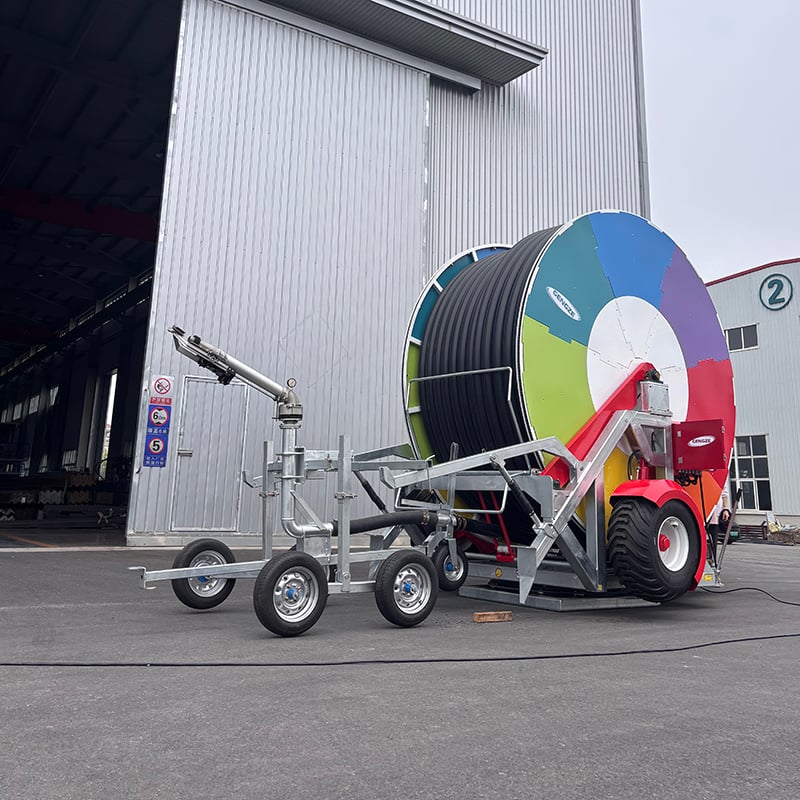
Agricultural pivot irrigation systems are essential tools for modern farming, designed to optimize water usage and enhance crop yields. When considering agricultural pivot irrigation for sale, buyers often focus on efficiency, durability, and cost-effectiveness. This irrigation hose reel for sale article will guide you through key considerations, specifications, sourcing suppliers, evaluating quality, and installation guidance to help you make informed purchasing decisions.
When selecting an agricultural pivot irrigation system, several factors should be evaluated to ensure optimal performance for your specific application. Firstly, hose reel irrigator consider the size of the area to be irrigated. The system's reach and capacity should align with your field dimensions to ensure adequate coverage. Additionally, assess the local water supply characteristics, including availability and quality, as these play a crucial role in system efficiency.
Another important aspect is the type of crops being irrigated. Different crops have varying water requirements, which can influence the choice of irrigation system design, such as the nozzle type and spacing. Furthermore, consider the terrain of your fields; hilly or uneven landscapes may require specialized systems to maintain consistent water distribution.
Lastly, evaluate the technological features of the system. Advanced options like automated controls, remote monitoring, and integration with weather data can significantly enhance irrigation efficiency and reduce labor costs.
High-quality pivot irrigation systems are characterized by several key specifications that directly impact their performance and longevity. Material selection is paramount; look for systems made from corrosion-resistant materials, such as galvanized steel or high-density polyethylene, which can withstand environmental stresses and reduce maintenance needs. The irrigation hose reel motor and drive components should also be of high quality, as they are crucial for reliable operation. Look for systems that include powerful, efficient electric motors and robust gear drives. Performance specifications, such as the flow rate and pressure range, should be suited to your specific irrigation needs, ensuring that water is distributed evenly across the field.
Additionally, the structural integrity of the pivot arm and wheels is vital. A well-engineered pivot arm should have appropriate load ratings to handle the stresses of operation, while the wheel design should allow for smooth movement across various terrains without damaging the crops.
Sourcing reliable suppliers for agricultural pivot irrigation systems can be a critical step in ensuring quality and service. Start by researching manufacturers with a proven track record in the industry. Companies with over 20 years of experience, like Dalian Gengze Agricultural Equipment Manufacturing Co., Ltd, which has been an OEM for a leading U.S. brand since 2000, are typically more reliable due to their extensive knowledge and established production processes.
Check for customer reviews and case studies that illustrate the supplier's performance and reliability. Industry certifications can also indicate a supplier's commitment to quality and standards. Attend agricultural trade shows and exhibitions to meet suppliers in person, which can provide insights into the latest technologies and innovations in pivot irrigation.
Finally, lateral move irrigation consider suppliers that offer comprehensive support, including installation, training, and after-sales service, which are essential for ensuring the longevity and proper functioning of your irrigation system.
Evaluating the quality of pivot irrigation systems requires a thorough assessment of both the product itself and the supplier's practices. Begin by requesting detailed specifications and technical data sheets for the systems you are considering. This documentation should include information on materials used, performance ratings, and design features.
Inspect samples where possible. A physical examination can reveal the craftsmanship and durability of the system. Pay attention to welds, fittings, and the quality of moving parts, as these are often indicators of overall quality.
Quality control processes at the manufacturer’s facility are another critical consideration. Inquire about their testing procedures, including any stress tests or performance evaluations that products undergo before delivery. A reputable supplier will be transparent about their quality assurance practices and may even provide certifications from independent testing organizations.
Proper installation is crucial for maximizing the efficiency of agricultural pivot irrigation systems. Begin by carefully following the manufacturer's guidelines, which typically include site preparation, assembly instructions, and setup procedures. The installation site should be leveled and free from obstructions to ensure smooth operation.
Ensure that all components are properly aligned and secured during installation. Misalignment can lead to uneven water distribution and reduce system efficiency. It may be beneficial to engage with professional installers who have experience with pivot irrigation systems to avoid common pitfalls that could lead to operational issues.
Furthermore, consider the integration of automation technology during installation. Installing sensors for soil moisture levels and weather conditions can enhance the system's efficiency and help optimize water usage.
Regular maintenance checks and adjustments post-installation will also contribute to the system's long-term performance. Scheduling periodic inspections can help identify potential issues before they affect crop yields, making it an essential part of the installation process.
By considering these factors when looking for agricultural pivot irrigation for sale, you can ensure that you select a system that meets your operational needs, enhances crop productivity, and provides a reliable return on investment.

Dalian Gengze Agricultural Equipment Manufacturing Co.,Ltd
Copyright © Dalian Gengze Agricultural Equipment Manufacturing Co.,Ltd All Rights Reserved | Blog | Privacy Policy
 EN