Requesting a Call:
Online Support
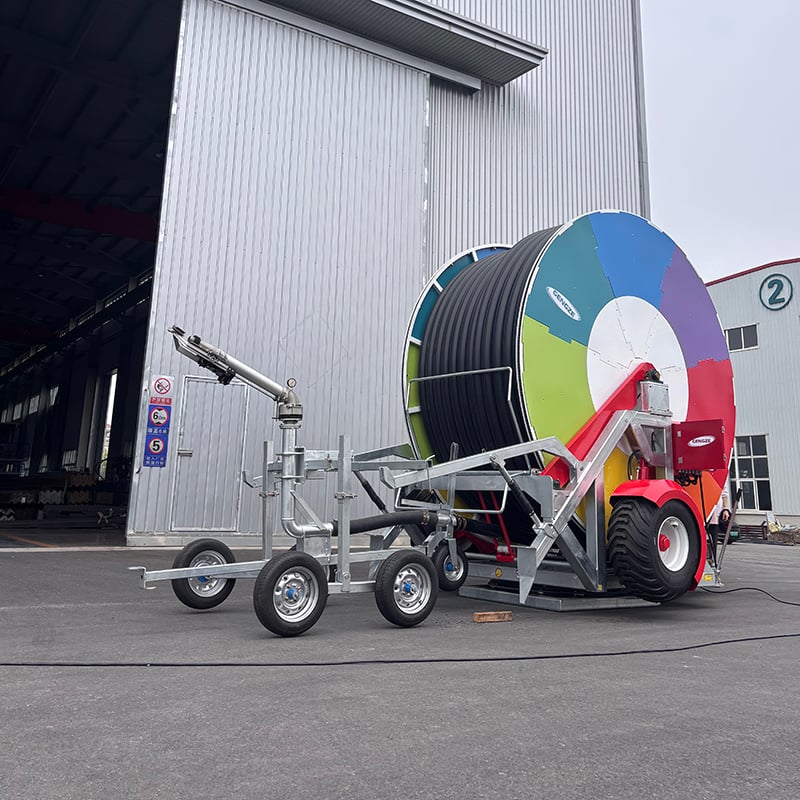
An automatic circle irrigation system is an advanced agricultural solution designed to optimize water usage while ensuring uniform irrigation across circular fields. As agricultural demands increase, purchasing managers, distributors, and engineers are keen on finding efficient, cost-effective systems that meet their operational needs. This irrigation hose reel for sale article will provide insights into how to select the right automatic circle irrigation system, key specifications to consider, potential suppliers, a wholesale purchasing guide, and its applications in modern agriculture.
Selecting the appropriate automatic circle irrigation system involves understanding your specific agricultural requirements and operational constraints. Key considerations include the size of the area to be irrigated, the type of crops being cultivated, and the local climate conditions. Additionally, reel sprinklers irrigation assess your water source and quality, as these factors can impact system performance and maintenance needs.
It's also vital to consider the system's adaptability to various terrains and its capacity for customization. An effective system should allow for adjustments in water application rates, ensuring optimal hydration for different crops. Engage with suppliers to evaluate options that provide flexibility and scalability, allowing you to expand or modify the setup as your agricultural operations grow.
When evaluating automatic circle irrigation systems, several key specifications should be prioritized:
Irrigation Radius: The traveling hose reel sprinkler effective radius of the system affects the coverage area. Systems typically range from 300 to 800 feet, and the choice should align with your field size.
Flow Rate: Measured in gallons per minute (GPM), this specification determines the volume of water delivered to the crops. Ensure that the flow rate matches the needs of your crops and that your water source can sustain it.
Pump Type: The choice of pump—whether centrifugal or positive displacement—affects efficiency and durability. Understand the operational costs associated with different pump types, as well as their maintenance requirements.
Control Systems: Look for systems equipped with advanced control technology that allows for programmable settings and real-time monitoring, enhancing water management efficiency.
Material Durability: Systems made from corrosion-resistant materials, such as high-density polyethylene (HDPE) or galvanized steel, can provide longevity and reduce maintenance costs.
Prioritize these specifications based on your specific operational demands and consult with manufacturers about how their systems align with these requirements.
Finding trustworthy suppliers is crucial for sourcing high-quality automatic circle irrigation systems. Start by researching manufacturers with a proven track record in agricultural equipment. Dalian Gengze Agricultural Equipment Manufacturing Co., Ltd, with over 20 years of experience in the field, offers reliable solutions and has established a reputation for quality in irrigation.
Consider the following sources for suppliers:
Industry Trade Shows: Attend agricultural trade shows where manufacturers showcase their latest technologies. This provides opportunities for direct interaction and product demonstrations.
Online Marketplaces: Platforms that specialize in agricultural equipment can provide a range of options. Look for customer reviews and ratings to gauge supplier reliability.
Agricultural Associations: Membership in agricultural organizations can provide access to a network of suppliers known for quality products and services.
Referrals: Seek recommendations from other agricultural professionals in your area. Their experiences can guide you to reputable suppliers.
When planning a wholesale purchase of automatic circle irrigation systems, consider the following steps to streamline the process:
Define Your Needs: Before reaching out to suppliers, clearly outline your requirements, including the number of systems, specifications, and any customization needs.
Request Quotes: Contact multiple suppliers to obtain quotes. Ensure that each quote includes detailed specifications, pricing, lead times, and shipping information to facilitate comparison.
Minimum Order Quantity (MOQ): Be aware of the MOQ that suppliers enforce. This can vary significantly, so confirm this detail upfront to avoid surprises.
Inspect Samples: If possible, request samples or arrange for a demo. This allows you to assess product quality and functionality before committing to a bulk order.
Quality Assurance: Discuss the quality control processes that suppliers have in place. Reliable suppliers should have stringent testing procedures to ensure the systems meet industry standards.
Negotiate Terms: Don’t hesitate to negotiate pricing, delivery terms, and payment options. Establish clear agreements to avoid misunderstandings later.
Following these guidelines will enhance your purchasing experience and ensure you invest in systems that meet your operational objectives.
Automatic circle irrigation systems play a vital role in enhancing agricultural productivity across various applications. Key uses include:
Row Crops: These systems effectively irrigate row crops such as corn, soybeans, and cotton, providing consistent moisture levels that are crucial for crop health and yield.
Pasture Irrigation: In livestock operations, these systems help maintain healthy pastures, ensuring adequate water supply for grazing animals, which can lead to improved weight gain and milk production.
Horticulture: For specialty crops, such as fruits and vegetables, precise irrigation helps manage water use efficiently, reducing waste and enabling better quality produce.
Research and Development: Agricultural research institutions utilize these systems to test crop responses to varying moisture levels, aiding in the development of more resilient crop varieties.
The versatility and efficiency of automatic circle irrigation systems make them a cornerstone of modern farming practices. By investing in such technology, farmers can optimize water usage, increase crop yields, and ultimately enhance their profitability.
understanding the nuances of automatic circle irrigation systems can significantly impact purchasing decisions and operational efficiency. By evaluating key specifications, identifying reliable suppliers, and recognizing applications in agriculture, professionals can make informed choices that lead to successful outcomes.

Dalian Gengze Agricultural Equipment Manufacturing Co.,Ltd
Copyright © Dalian Gengze Agricultural Equipment Manufacturing Co.,Ltd All Rights Reserved | Blog | Privacy Policy
 EN