Requesting a Call:
Online Support
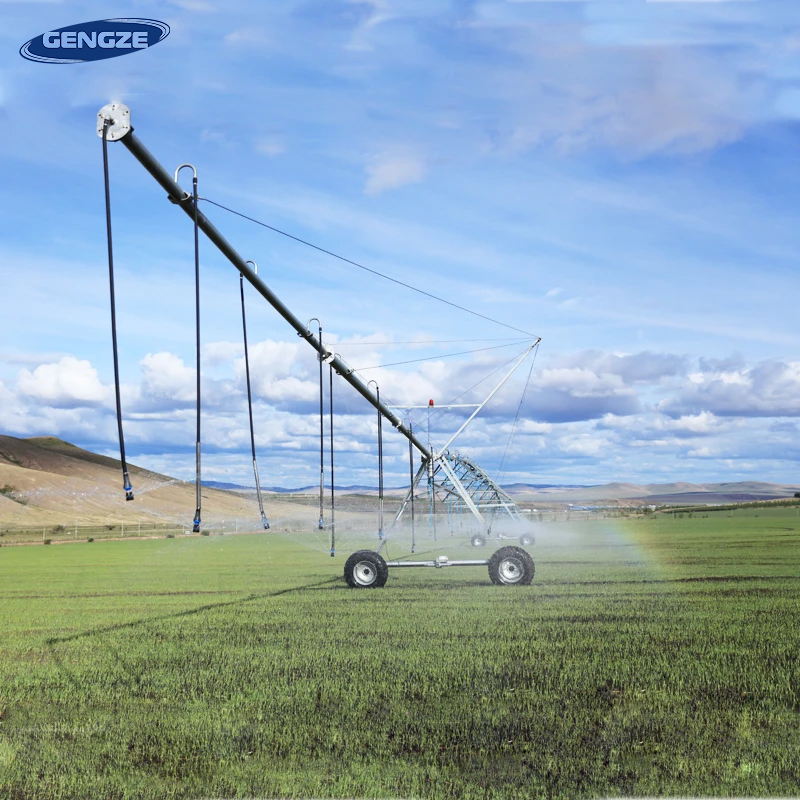
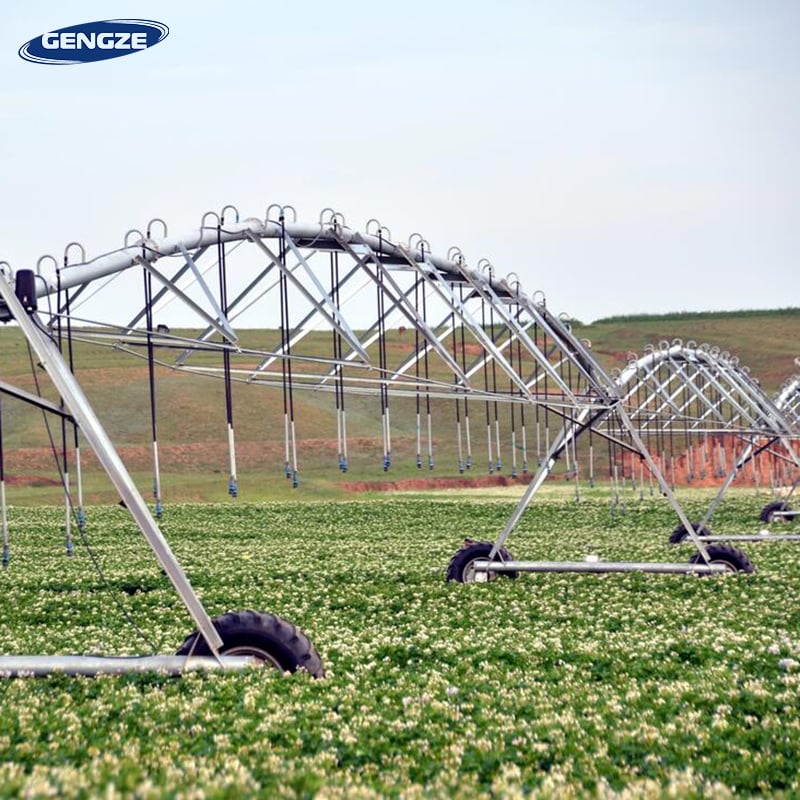
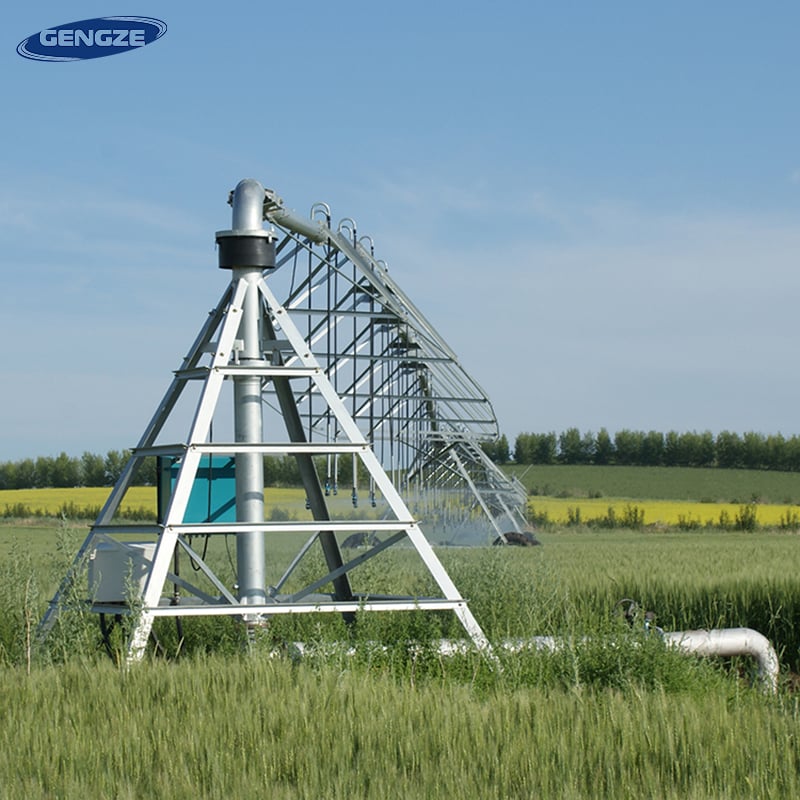
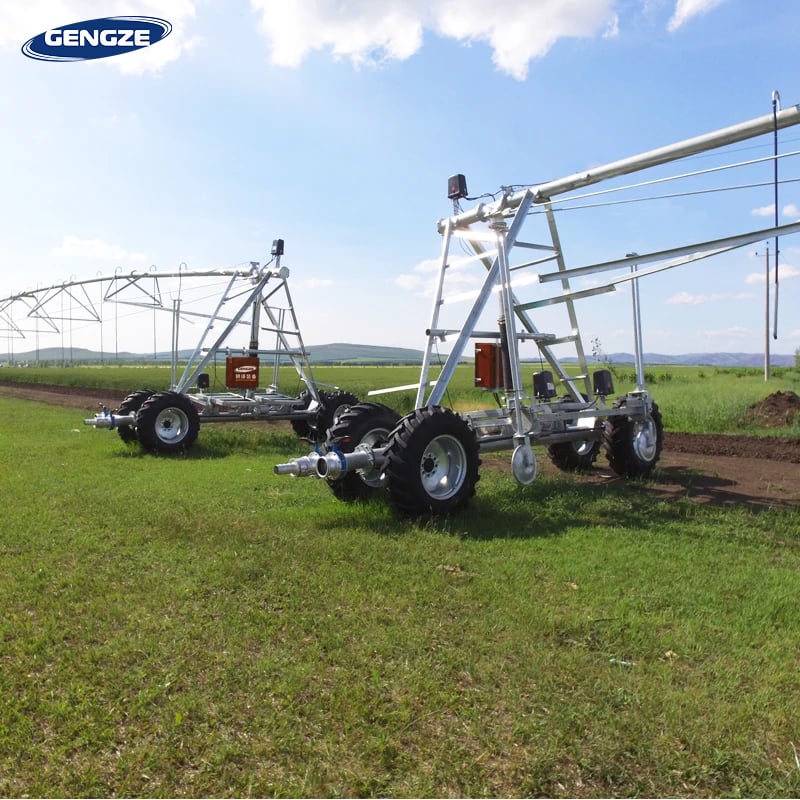
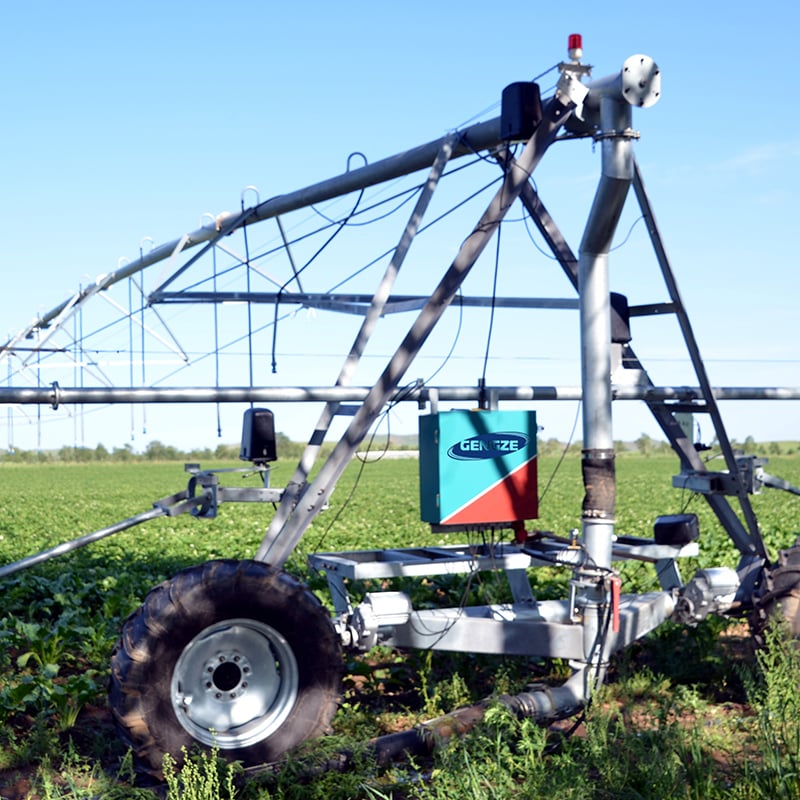
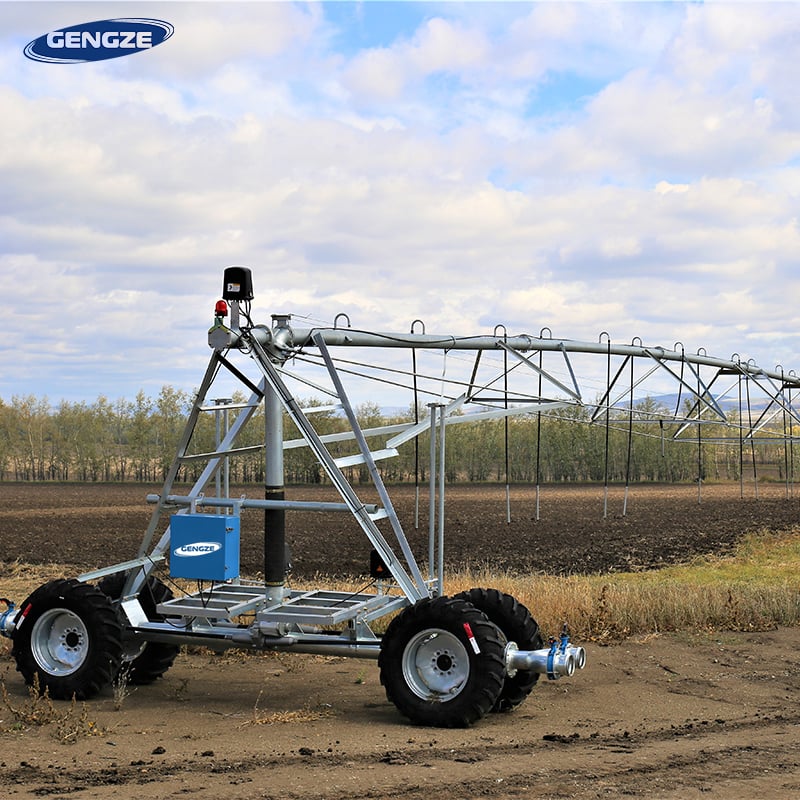
Automatic lateral move irrigation systems have become an essential component in modern agricultural practices, enabling efficient water distribution across large fields. These systems are designed to provide even and controlled irrigation, optimizing water use while minimizing waste. B2B buyers, such as purchasing managers and agricultural engineers, often prioritize factors like system reliability, cost-effectiveness, and compatibility with existing infrastructure. This irrigation hose reel article will guide you through the considerations for selecting the right automatic lateral move irrigation system and provide insights into sourcing and purchasing these solutions effectively.
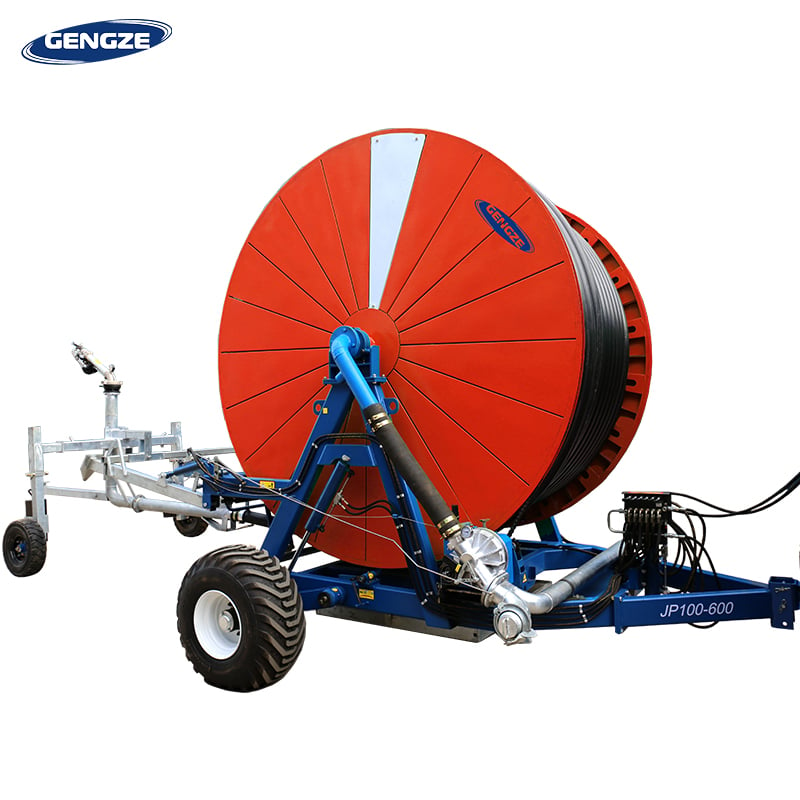
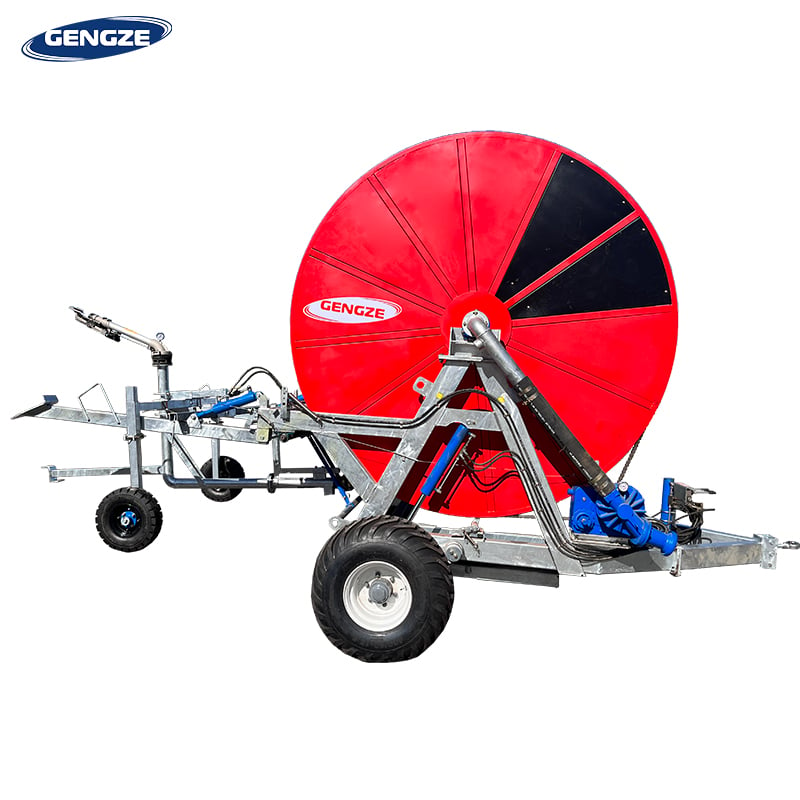
When selecting an automatic lateral move irrigation system, it’s crucial to consider several factors tailored to your specific agricultural needs. Firstly, hose reel irrigator assess the size and shape of your fields. Systems vary in their coverage capabilities, so it's essential to choose one that can efficiently irrigate your entire area without leaving dry spots.
Additionally, consider the water source and pressure requirements. The system's design must match your available water source, whether it’s a well, reservoir, or surface water. Understanding the pressure needs will also help prevent operational issues, as inadequate pressure can lead to uneven irrigation.
Finally, evaluate the system’s technology features, such as automation capabilities and control systems. Advanced systems offer real-time monitoring and data analysis, which can enhance water management and crop yield. Make sure the system you select can integrate with your current agricultural practices and any existing technology you may already use.
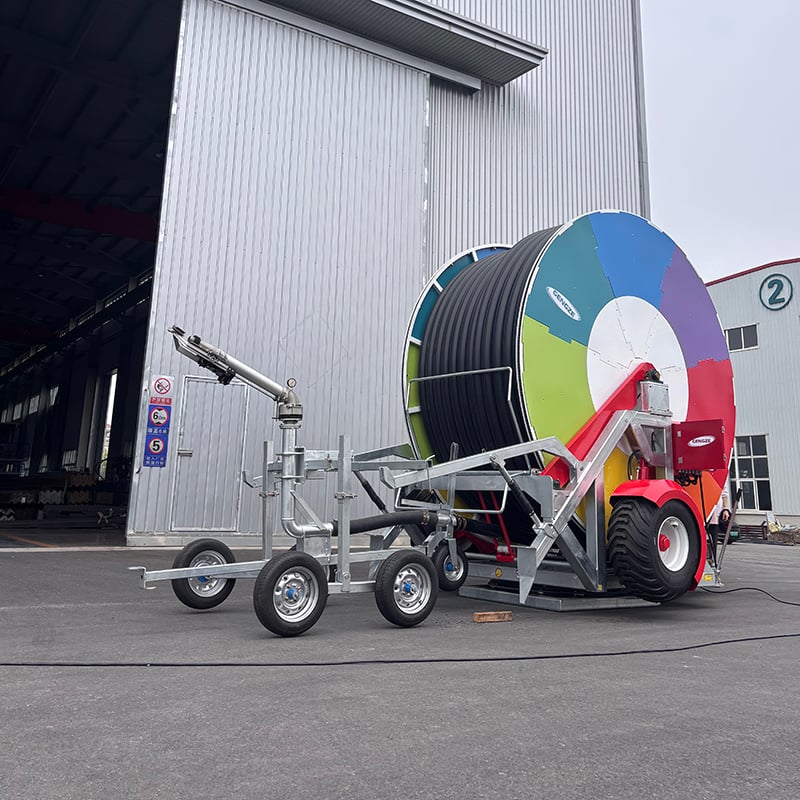
Sourcing high-quality automatic lateral move irrigation systems involves identifying reliable manufacturers and suppliers. Start by looking for companies with a strong reputation in agricultural equipment manufacturing. Dalian Gengze Agricultural Equipment Manufacturing Co., Ltd, for example, traveling hose reel sprinkler has over 20 years of experience in the industry and offers a range of irrigation solutions tailored to farmer needs.
When evaluating potential suppliers, check their certifications and quality control processes. A trustworthy manufacturer should provide evidence of compliance with industry standards and have a robust quality assurance program in place. Look for suppliers that offer customization options as well—this can be crucial for meeting specific operational requirements.
Trade shows and agricultural expos are excellent venues for discovering potential suppliers, allowing you to see products firsthand and discuss your needs directly with manufacturers. Online reviews and testimonials can also provide insight into the quality and reliability of a supplier's products.
Cost is a critical factor when considering automatic lateral move irrigation systems. Buyers should evaluate both the initial purchase price and the long-term operational costs. Common cost factors include:
System Design and Size: Larger systems typically have higher upfront costs. However, they may offer better efficiency and water savings in the long run. Material Quality: Systems made from high-quality materials may have a higher initial price but can result in lower maintenance costs and longer lifespans. Technology Features: Advanced automation and monitoring capabilities can increase initial costs but may lead to significant water and labor savings over time. Installation Expenses: Consider whether the supplier includes installation in the price or if additional costs will be incurred.
It’s beneficial to request detailed quotes from multiple suppliers, breaking down these costs to better understand the total investment required. This will also help you identify potential areas for negotiation.
When assessing automatic lateral move irrigation systems, certain specifications are vital to ensuring the system meets your operational needs. Key specifications to consider include:
Width of Coverage: This determines how much area the system can irrigate at once. It’s essential to match this with your field dimensions for optimal efficiency. Flow Rate: Measured in gallons per minute (GPM), this indicates how much water the system can deliver. A suitable flow rate is critical to ensure even moisture across all crops. Material Composition: The durability of the system is influenced by the materials used. Look for corrosion-resistant materials, especially if your irrigation water has high salinity. Control System: Evaluate whether the system features manual, semi-automatic, or fully automatic controls. Advanced systems often include remote monitoring capabilities, which can enhance management efficiency.
Understanding these specifications will help you select a system that not only fits your current needs but is also adaptable for future agricultural practices.
When purchasing automatic lateral move irrigation systems in bulk, several best practices can help ensure a smooth process. Start by determining your exact requirements, including system specifications, expected delivery timelines, and after-sales support.
Request samples or prototypes before committing to a large order. This allows you to evaluate the system’s performance under real-world conditions and verify that it meets your operational standards.
Additionally, consider the minimum order quantity (MOQ) set by suppliers. Understanding this can help you plan your budget accordingly and avoid stock shortages.
Finally, establish clear communication channels with the supplier. Discuss lead times, payment terms, and warranty conditions upfront to avoid misunderstandings later. A reliable supplier should be willing to provide transparent information and support throughout the purchasing process.
By taking these steps, you can ensure that your investment in automatic lateral move irrigation systems aligns with your agricultural goals and operational efficiency.

Dalian Gengze Agricultural Equipment Manufacturing Co.,Ltd
Copyright © Dalian Gengze Agricultural Equipment Manufacturing Co.,Ltd All Rights Reserved | Blog | Privacy Policy
 EN