Requesting a Call:
Online Support
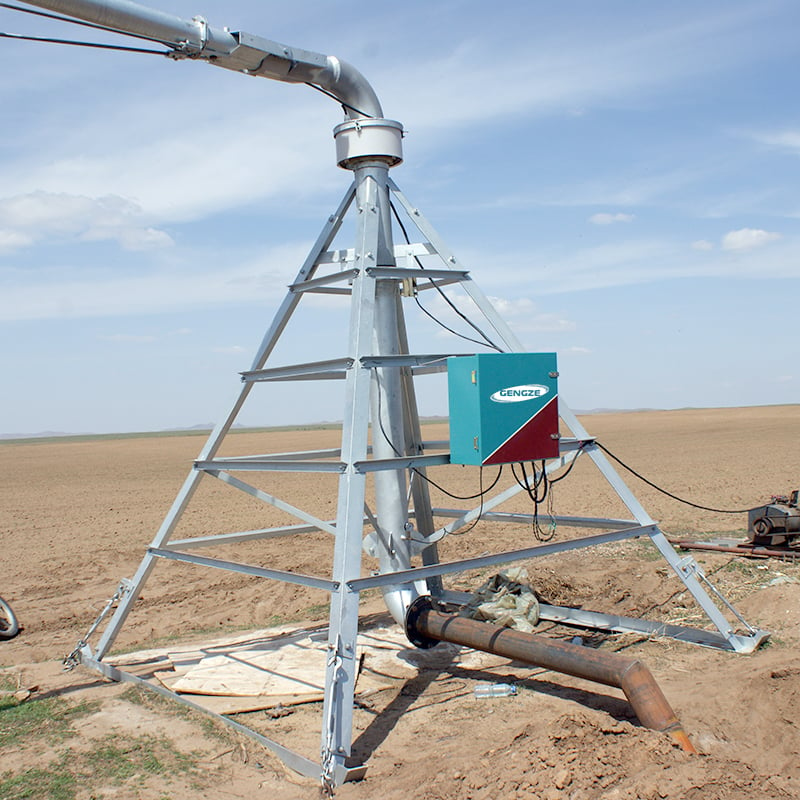
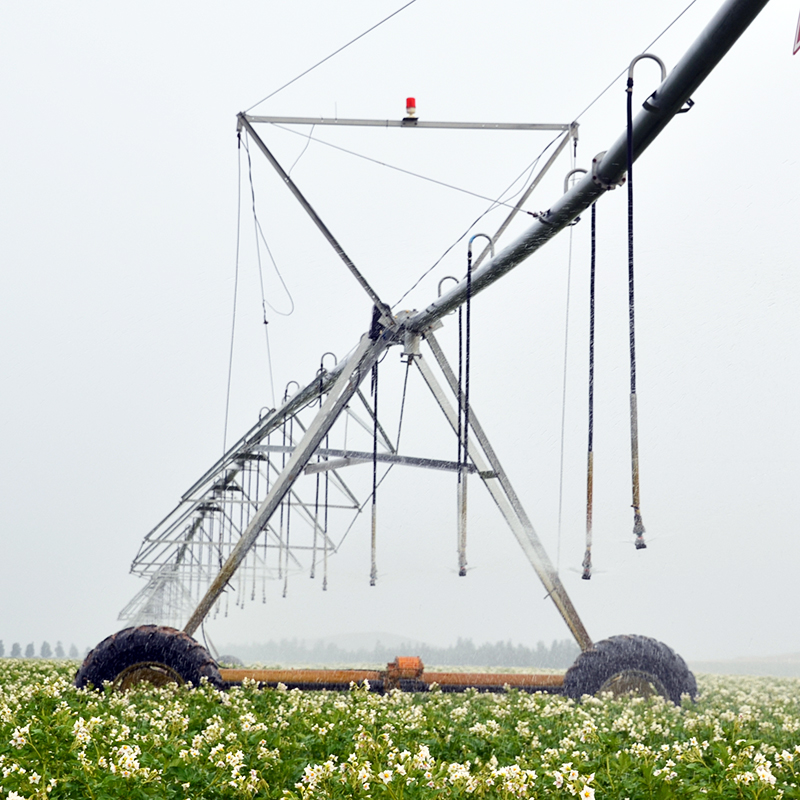
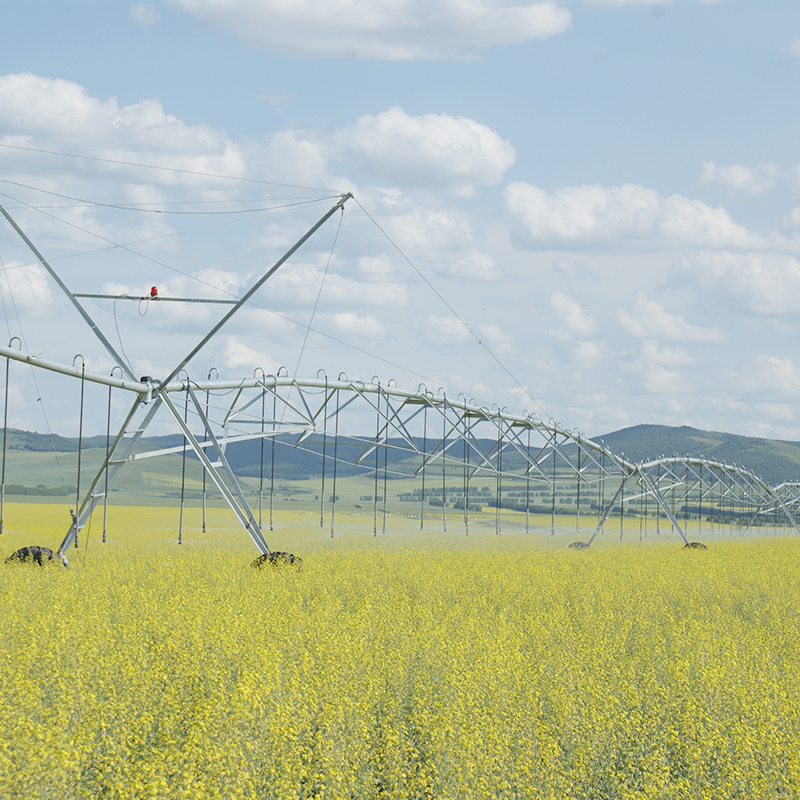
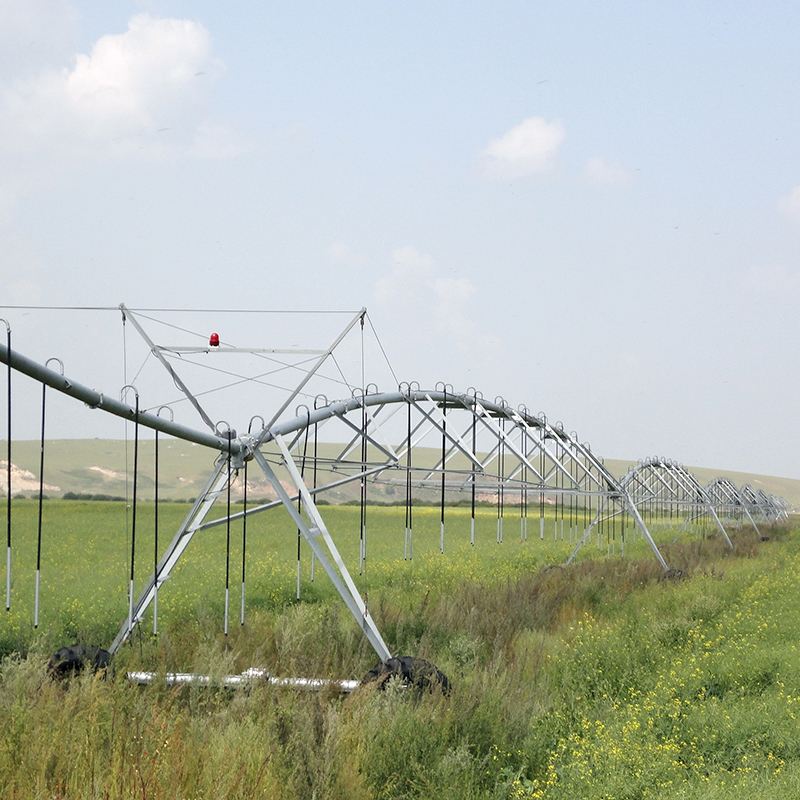
Understanding the center pivot cost per acre is crucial for agricultural businesses looking to optimize their irrigation systems. This cost can heavily influence budgeting and investment decisions for purchasing managers, distributors, and agricultural engineers. We will explore the various factors that affect center pivot costs, considerations for selecting the right equipment, quality evaluations, common issues, and the benefits of bulk ordering center pivot irrigation systems.
When calculating the center pivot cost per acre, several key factors should be taken into account. First, the initial purchase price of the center pivot irrigation system is a significant aspect. This price can vary based on the size of the pivot, the manufacturer, and the specific features included, such as automation and control systems.
Secondly, installation costs must be considered. This includes both labor and any additional infrastructure, such as electrical connections and water supply setups. Proper installation is critical, as it can affect the system's efficiency and lifespan.
Operational costs also play a vital role. These include water and energy consumption, which can vary depending on the crop type, soil conditions, and local climate. Maintenance costs are another consideration; routine servicing and potential repairs should be factored into the total cost of ownership.
Lastly, the expected lifespan of the center pivot system should be evaluated. A higher initial investment in a more durable system may lead to lower costs per acre over time due to reduced maintenance and longer operational life.
Selecting the right center pivot irrigation system requires a thorough understanding of your specific field conditions and agricultural needs. Start by assessing your field size and shape; center pivots are generally more efficient for larger, rectangular fields.
Next, consider the crop type and growth stage. Different crops have varying water requirements, which can influence the choice of center pivot irrigation systems. For instance, high-value crops may necessitate more precise irrigation methods, leading to the selection of advanced systems with better control features.
Soil type and topography are also critical factors. Sandy soils may require more frequent irrigation, while heavier soils can hold more moisture. Additionally, uneven terrains may necessitate specialized pivot configurations to ensure uniform coverage.
Lastly, budget constraints will also guide the decision. While advanced systems with automation features can enhance efficiency, they may not be feasible for all operations. Working with a trusted supplier can help in finding a balance between technological features and cost-effectiveness.
Quality evaluation of center pivots is essential to ensure long-term performance and reliability. Start by examining the materials used in construction. High-grade steel or aluminum components can enhance durability and resist corrosion, especially in humid environments.
Next, consider the manufacturer’s reputation and history. Established companies, like Dalian Gengze Agricultural Equipment Manufacturing Co., Ltd, with over 20 years of experience in agricultural equipment manufacturing, often have proven quality control processes and customer feedback that can highlight the reliability of their products.
Inspection of the pivot’s mechanical components is also crucial. Look for features such as sturdy wheel assemblies, durable gearboxes, and reliable drive systems. These elements should be tested for performance under varying conditions to ensure they can withstand operational stresses.
Finally, check for warranties and service agreements. A robust warranty can indicate the manufacturer’s confidence in their product and provides peace of mind for buyers regarding potential future repairs or replacements.
Despite their efficiency, center pivots can experience several common problems that may hinder performance. One frequent issue is uneven water distribution, often caused by malfunctions in the system's drive mechanism or improper alignment. Regular maintenance checks can help identify and rectify these issues before they escalate.
Another problem is mechanical failure of components like gearboxes or wheels. Buyers should ensure they understand the warranty terms and seek suppliers who offer reliable customer service for quick parts replacement.
Clogged nozzles are also a common issue, particularly in areas with hard water or high sediment levels. Implementing routine cleaning schedules and using filtration systems can mitigate this problem.
Lastly, electrical issues, such as faulty sensors or control systems, can disrupt operation. Regular inspections of electrical connections and components can help prevent downtime.
Purchasing center pivot irrigation systems in bulk can offer significant financial and logistical advantages. Firstly, bulk orders often come with reduced pricing per unit, which can lead to substantial cost savings for larger operations or distributors.
Moreover, ordering multiple systems at once can simplify logistics and reduce shipping costs, as items can be consolidated into fewer shipments. This is particularly beneficial for companies looking to expand their irrigation capabilities across multiple fields.
Additionally, bulk orders may provide leverage for negotiating better warranty terms and service agreements, ensuring long-term support for the equipment. This can be particularly valuable in maintaining performance and addressing any issues that arise post-purchase.
Finally, working with a reputable manufacturer, such as Dalian Gengze, allows for potential customization options to meet specific field needs when ordering in larger quantities. This can enhance the efficiency and effectiveness of the irrigation systems tailored to the client's requirements.

Dalian Gengze Agricultural Equipment Manufacturing Co.,Ltd
Copyright © Dalian Gengze Agricultural Equipment Manufacturing Co.,Ltd All Rights Reserved | Blog | Privacy Policy
 EN