Requesting a Call:
Online Support
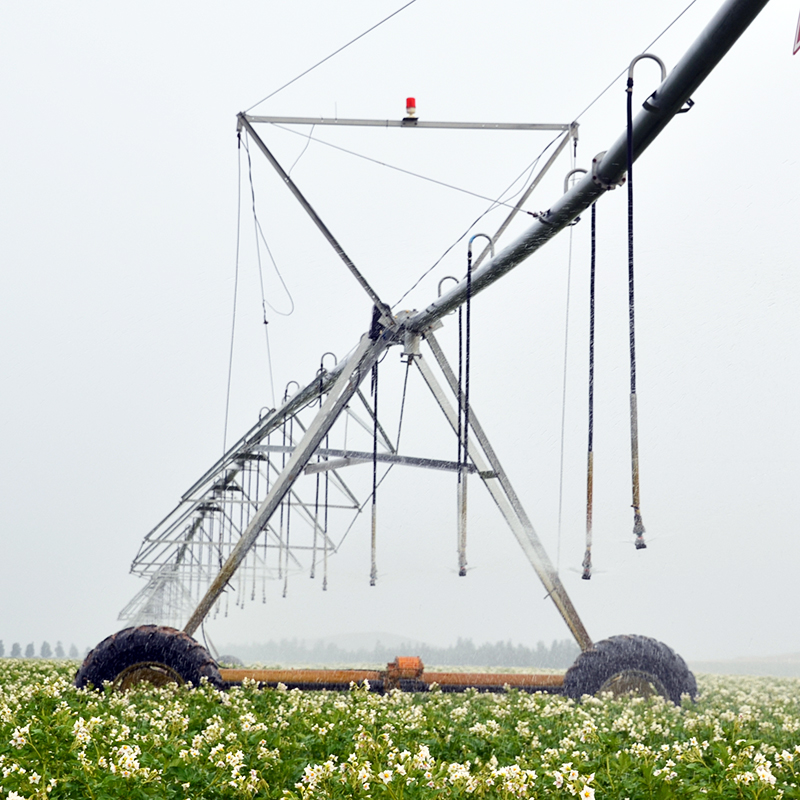
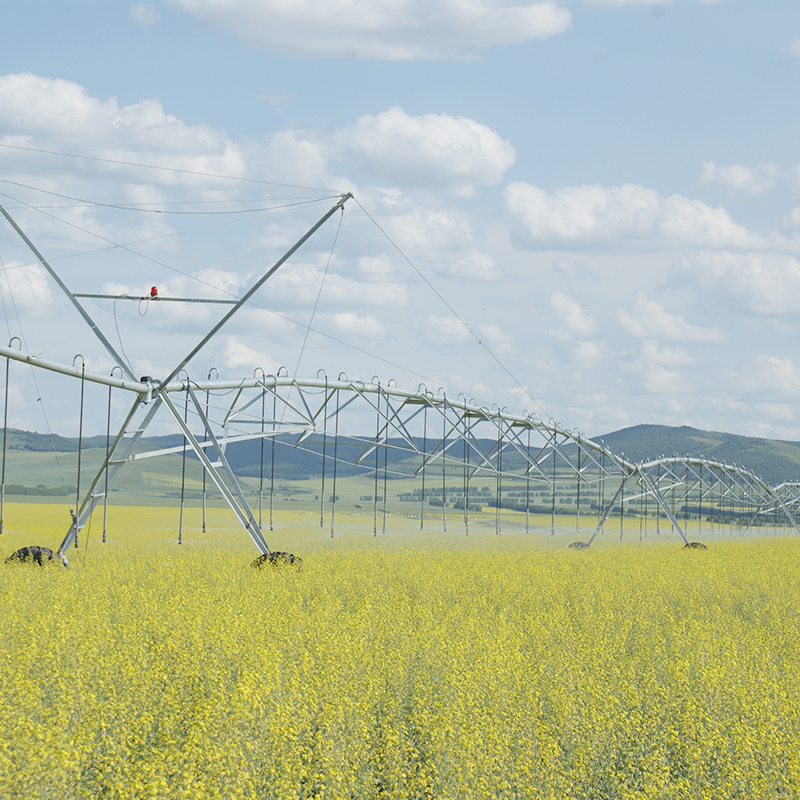
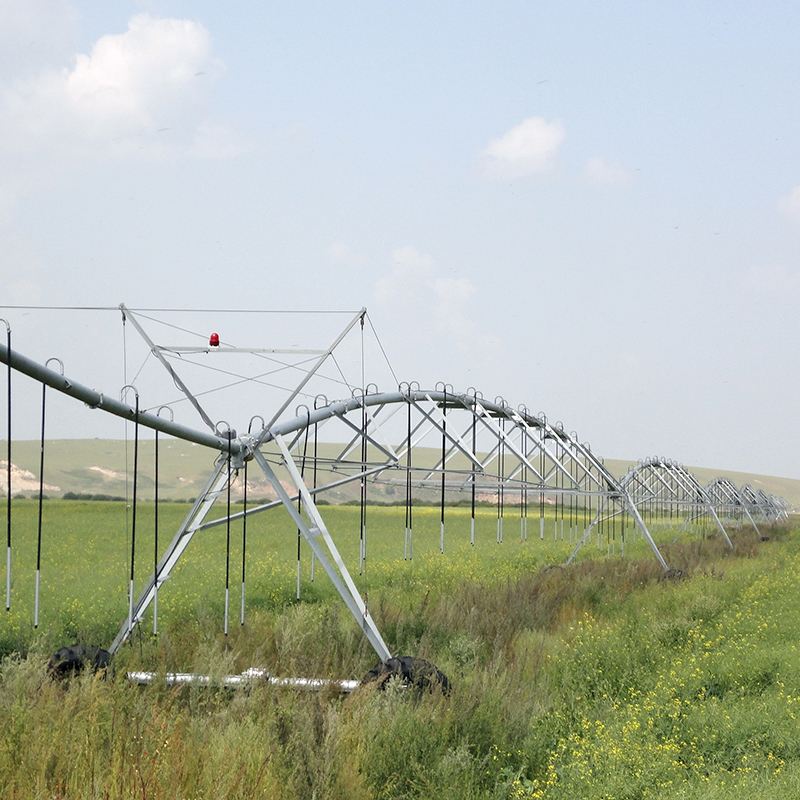
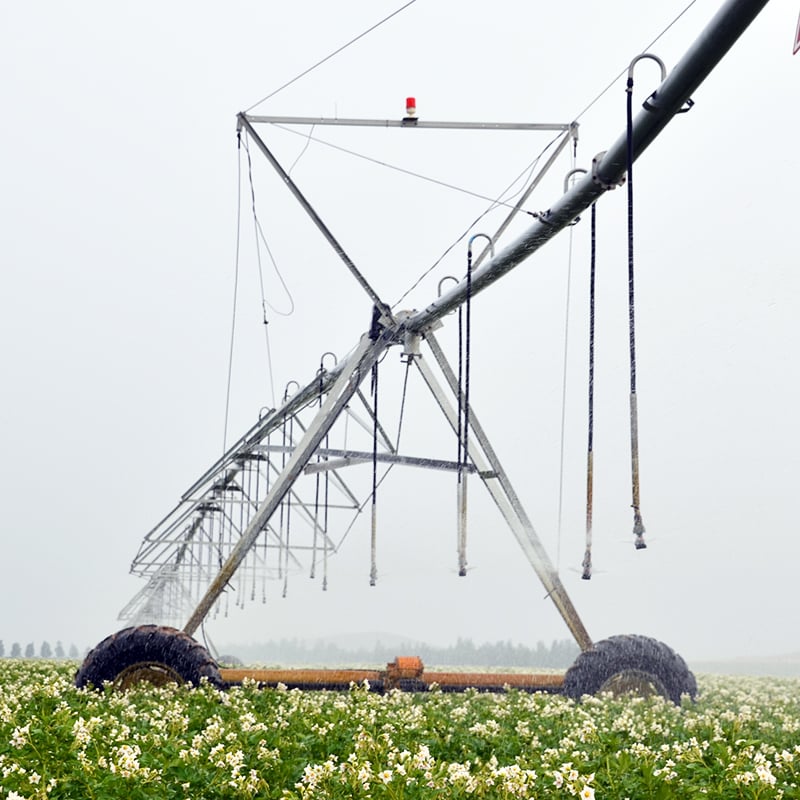
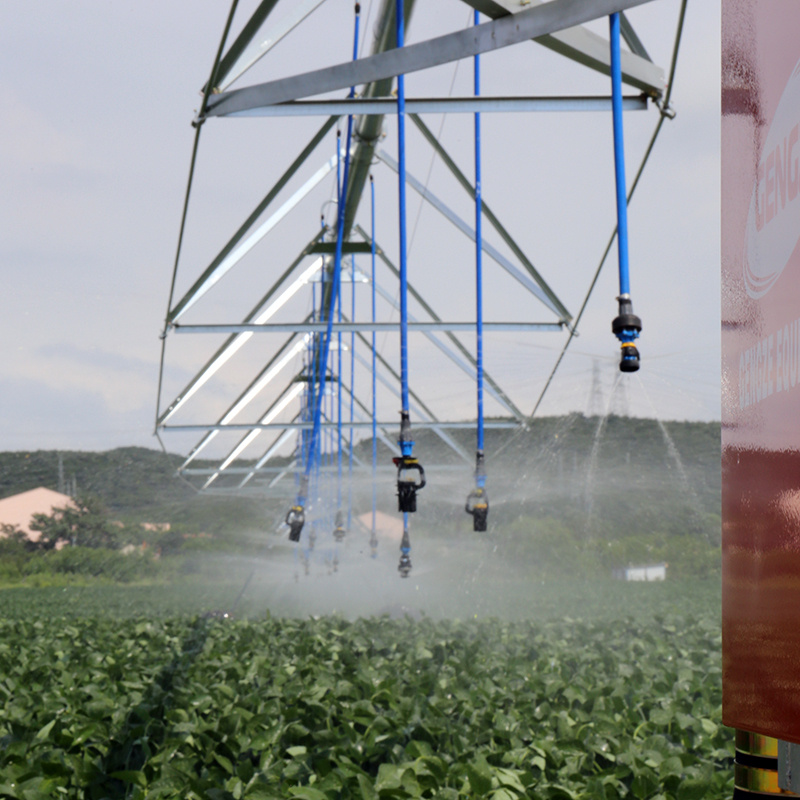
Center pivot irrigation systems are vital to modern agriculture, enabling efficient water delivery to crops across vast areas. Designed to rotate around a central pivot point, these systems allow for uniform irrigation coverage, conserving water while maximizing crop yield. As a purchasing manager or agricultural engineer, understanding the intricacies of center pivot irrigation design is essential for making informed decisions. This article will address key specifications, steps for implementation, evaluation of product quality, common issues, and tips for sourcing high-quality solutions.
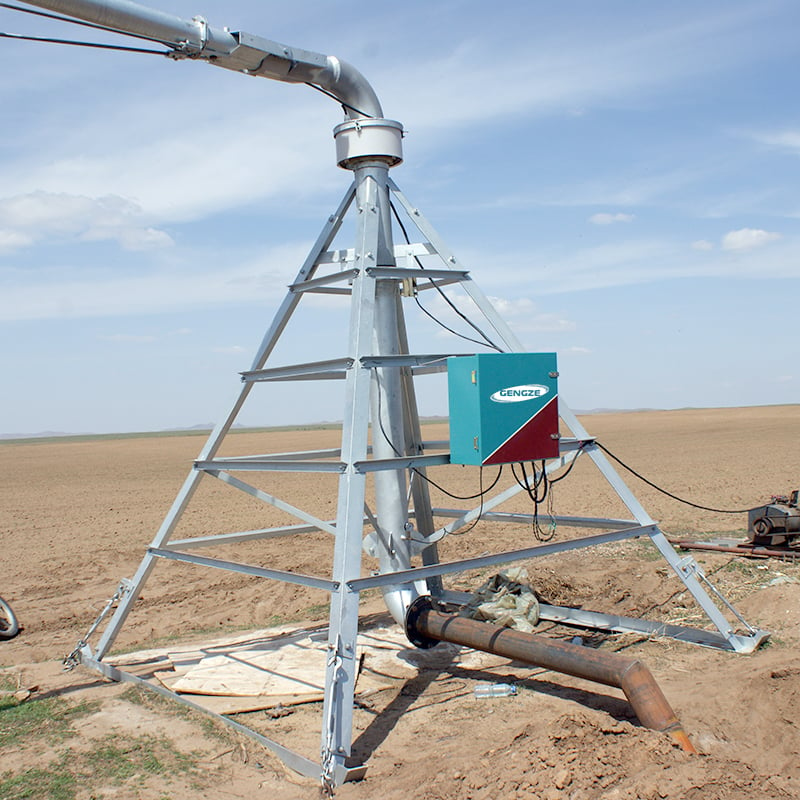
When evaluating center pivot irrigation systems, several specifications should be considered to ensure optimal performance. Key factors include the system length, which typically ranges from 300 to 2,000 feet, and the span width, usually between 40 to 130 feet. These dimensions impact the area that can be irrigated, and selecting the proper size is crucial for efficiency.
Materials play a significant role in the durability and performance of the system. Common materials include galvanized steel, aluminum, or high-density polyethylene for pipes and components. Each material offers unique benefits; for example, aluminum is lightweight and resistant to corrosion, while galvanized steel provides strength and longevity.
Additionally, understanding the hydraulic requirements is essential. The system's design must accommodate the necessary pressure to ensure even water distribution, which can vary based on crop type and soil conditions. Buyers should also consider the control systems integrated into the pivots, such as GPS-guided or automated systems, which enhance operational efficiency.
Implementing a center pivot irrigation system involves several critical steps. First, assess the specific irrigation needs based on crop type, soil conditions, and environmental factors. This assessment will guide the size and configuration of the system required.
Next, engage with a reputable manufacturer, such as Dalian Gengze Agricultural Equipment Manufacturing Co., Ltd, to discuss your requirements. Providing detailed information about your agricultural practices, such as the expected water volume and pressure, will help in receiving tailored solutions.
Once the system design is finalized, it's crucial to conduct a site evaluation. This includes checking for terrain compatibility, identifying potential obstructions, and ensuring access to power sources. Proper installation by experienced technicians is vital to avoid common issues, such as uneven water distribution or mechanical failures.
Finally, establish a maintenance schedule to ensure the system operates optimally throughout its lifespan. Regular inspections and servicing can prevent costly repairs and downtime.
To ensure the longevity and effectiveness of center pivot irrigation systems, evaluating product quality is paramount. Start by examining the manufacturer's reputation and experience in the industry. Dalian Gengze, with over 20 years of expertise, emphasizes high-efficiency center pivot irrigation and cost-competitive solutions backed by rigorous quality control processes.
When assessing specific products, check for certifications that indicate compliance with industry standards. Look for products that have undergone testing for durability and performance, ensuring they meet operational demands.
Materials used in the construction of the irrigation systems are another critical quality indicator. For instance, components made from high-strength materials will likely withstand harsh weather conditions and prolonged exposure to water without degrading.
Finally, consider the warranty and support offered by the manufacturer. A robust warranty can provide peace of mind, ensuring the investment is protected. Additionally, responsive customer support can assist with any operational issues that may arise.
Like any complex machinery, center pivot irrigation systems can encounter problems. One common issue is uneven water distribution, which can result from mechanical malfunctions or incorrect pressure settings. Regular maintenance, including checking for leaks and ensuring proper alignment of the pivot, can mitigate this problem.
Another issue arises from soil compaction, which can limit the effectiveness of the irrigation system. Implementing crop rotation and cover cropping strategies can help maintain soil health and reduce compaction.
Additionally, electrical failures can disrupt system operation. It's essential to have a qualified technician conduct routine checks on electrical components, ensuring the center pivot system are functioning correctly and are protected from environmental hazards.
Lastly, seasonal adjustments may be required to optimize water usage based on changing weather conditions and crop needs. Engaging with agronomy experts can provide insights into how to best manage irrigation schedules.
Sourcing high-quality center pivot irrigation solutions involves identifying reliable manufacturers and suppliers. When searching for a supplier, prioritize companies with a proven track record, such as Dalian Gengze Agricultural Equipment Manufacturing Co., Ltd, known for its commitment to high-efficiency agricultural equipment.
Consider attending agricultural trade shows or industry conferences to connect with manufacturers directly. This provides an opportunity to discuss specific needs, view product demonstrations, and gather firsthand information about the latest technologies and innovations in irrigation systems.
Another effective strategy is to leverage online platforms that specialize in agricultural equipment. These platforms often feature customer reviews and ratings, providing insights into product performance and customer satisfaction.
Lastly, do not hesitate to request samples or visit the manufacturing facility if possible. This allows for a thorough inspection of the manufacturing processes and quality control measures, ensuring that the final product will meet your operational requirements.
By understanding the specifications, implementation steps, quality evaluation criteria, common issues, and sourcing strategies for center pivot irrigation design, B2B buyers can make informed decisions that enhance agricultural productivity and efficiency.

Dalian Gengze Agricultural Equipment Manufacturing Co.,Ltd
Copyright © Dalian Gengze Agricultural Equipment Manufacturing Co.,Ltd All Rights Reserved | Blog | Privacy Policy
 EN