Requesting a Call:
Online Support
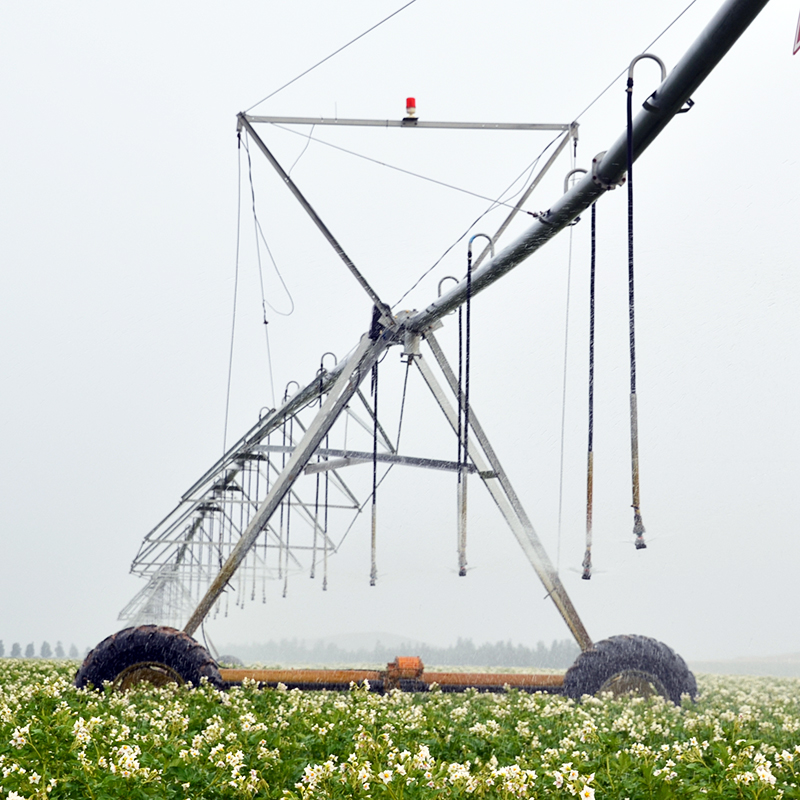
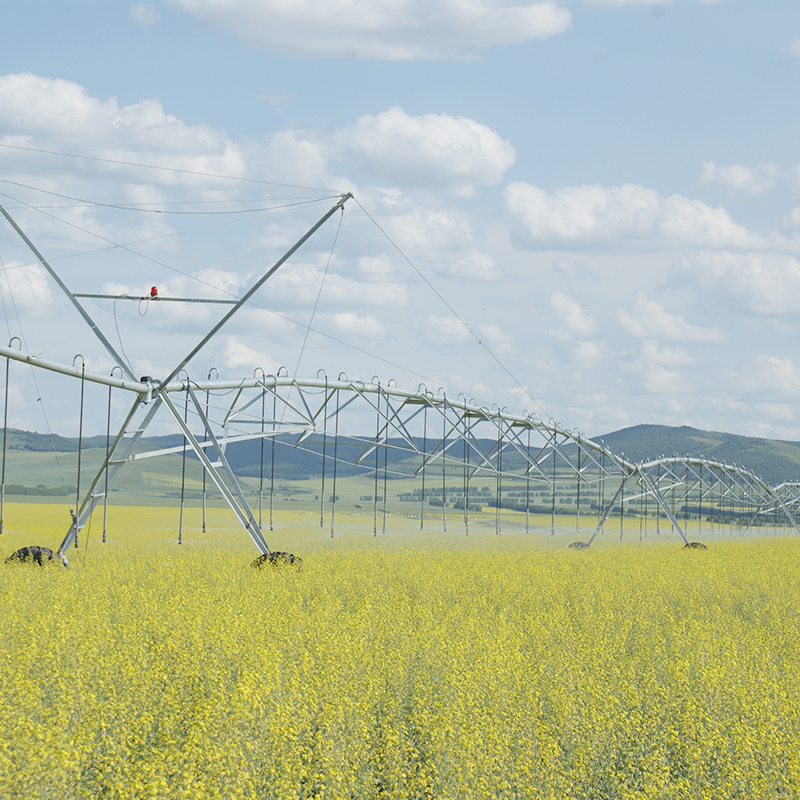
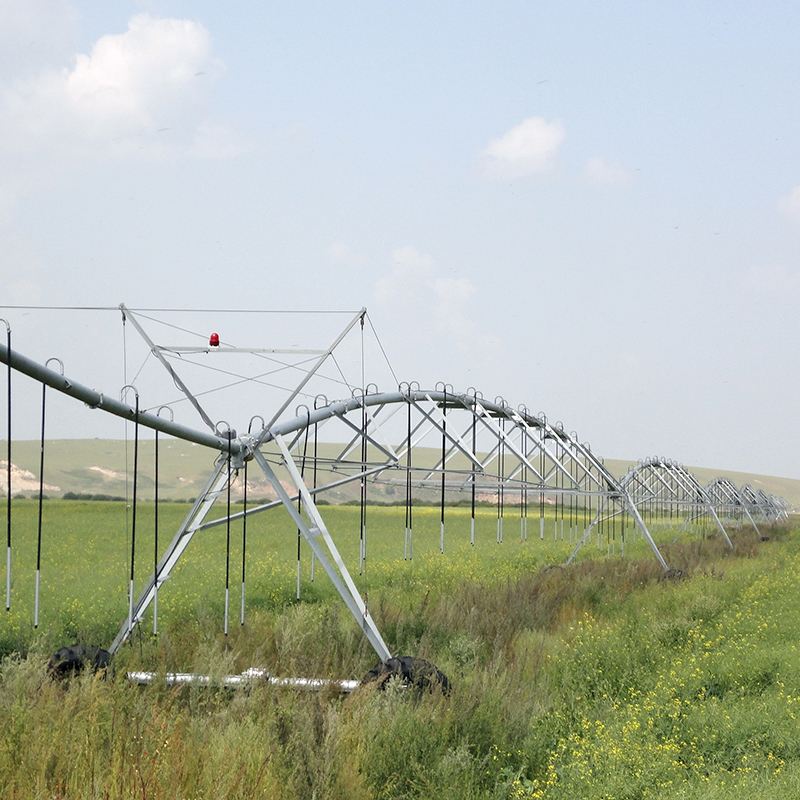
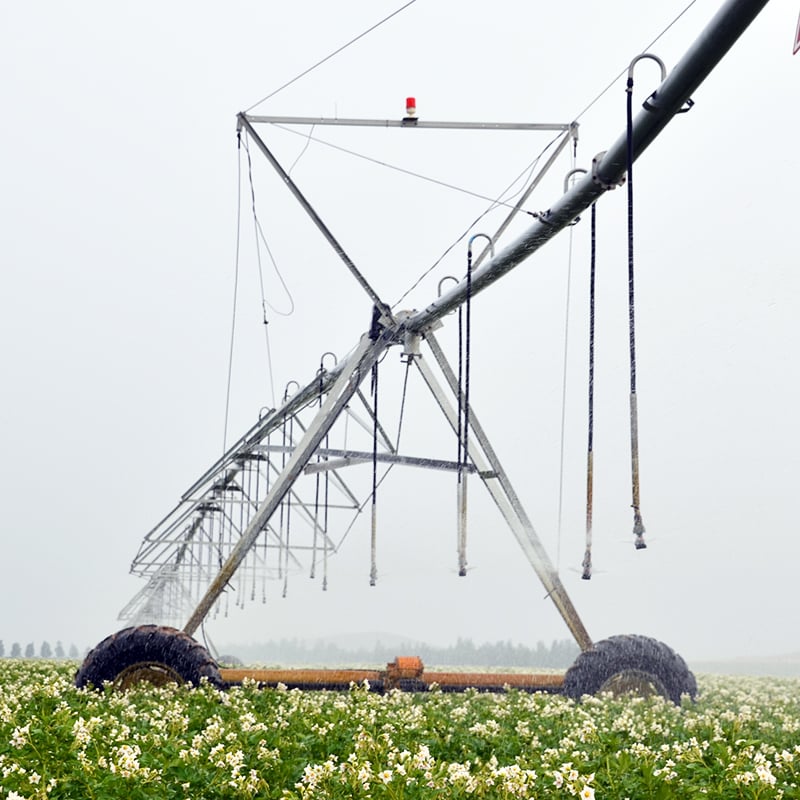
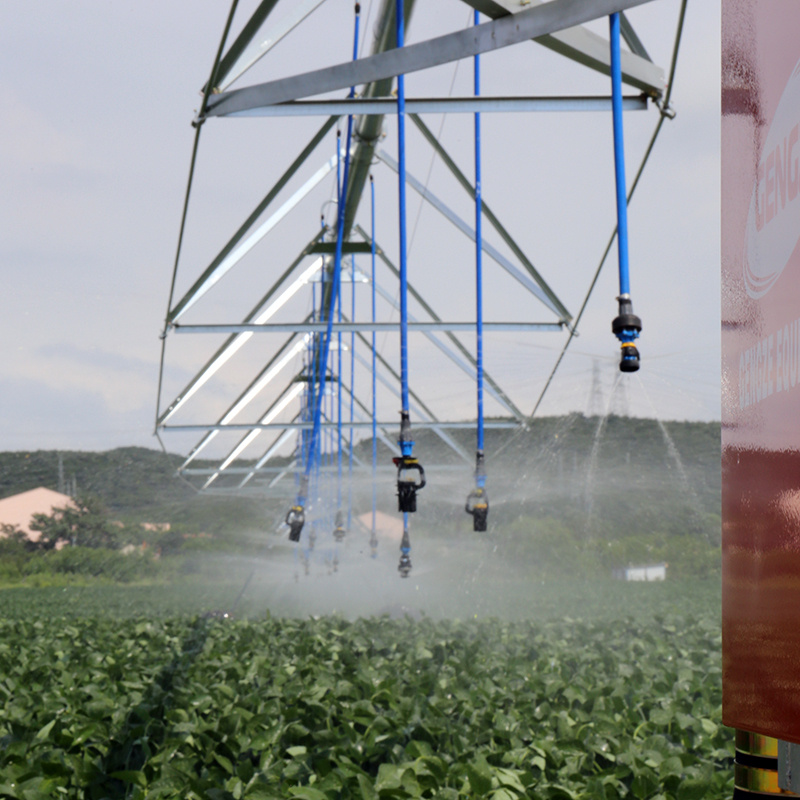
Center pivot irrigation equipment is essential for optimizing agricultural water usage, particularly in large-scale farming operations. As a leading centre pivot irrigation equipment supplier, Dalian Gengze Agricultural Equipment Manufacturing Co., Ltd. understands the critical importance of selecting reliable and efficient systems to enhance productivity while minimizing costs. This article will address key considerations for buyers, including how to evaluate quality, effective wholesale purchasing tips, where to find trustworthy suppliers, installation guidance for optimal performance, and common issues with center pivot systems along with their solutions.
When considering center pivot irrigation equipment, quality evaluation is paramount. Buyers should focus on several key specifications and features:
Material Quality: Look for equipment made from robust materials that can withstand environmental factors such as UV exposure and corrosion. High-grade steel or aluminum components, for instance, provide durability and longevity.
Manufacturing Process: Ensure the supplier employs advanced manufacturing techniques, such as precision welding and quality control processes, which contribute to the overall integrity of the solar center pivot equipment. A supplier with extensive OEM experience, like Gengze, typically adheres to stringent quality standards.
Performance Testing: Request documentation on performance testing results. This should include data on flow rates, pressure capabilities, and efficiency ratings. Understanding the performance under various conditions will help in assessing whether the equipment meets specific agricultural needs.
Certifications: Verify any industry certifications that the supplier holds, which can indicate compliance with international quality standards. These certifications often reflect a commitment to quality and reliability.
By closely examining these factors, buyers can ensure they are investing in high-quality center pivot irrigation equipment that will deliver optimal performance over time.
When sourcing center pivot irrigation solutions, buyers should consider the following tips to ensure a successful wholesale purchase:
Specify Requirements: Clearly outline your irrigation needs, including the size of the area to be irrigated, crop types, and water supply conditions. This information is crucial for suppliers to recommend suitable equipment.
Compare Quotes: Approach multiple suppliers to gather quotes. This not only helps in understanding the market price but also allows buyers to compare specifications, warranties, and service agreements.
Check Minimum Order Quantities (MOQ): Be aware of the MOQ policies of different suppliers. This can affect overall costs, especially for smaller farms. Suppliers like Gengze often have flexible MOQ options tailored to accommodate various buyer requirements.
Negotiate Terms: Don’t hesitate to negotiate pricing, payment terms, and delivery schedules. Building a relationship with your supplier can lead to better deals and long-term benefits.
Review After-Sales Support: Investigate what kind of support the supplier offers post-purchase, including installation guidance, maintenance services, and spare parts availability.
Implementing these tips can lead to more informed decisions and better value for your investment in solar center pivot irrigation systems.
Finding trustworthy suppliers for center pivot irrigation equipment is essential for ensuring quality and service. Here are some avenues to explore:
Industry Trade Shows: Participating in agricultural trade shows provides an excellent opportunity to meet suppliers face-to-face, inspect their products, and discuss your specific needs.
Online Marketplaces: Platforms or specialized agricultural equipment websites can connect you with numerous suppliers. Always check reviews and ratings to gauge reliability.
Manufacturer Directories: Utilize directories that list certified manufacturers and suppliers in the agricultural sector. This can help identify reputable companies like Dalian Gengze, known for their quality and reliability.
Networking: Engage with industry peers and associations. Recommendations from other farmers or agricultural professionals can lead to trustworthy suppliers with proven track records.
Local Agricultural Cooperatives: These organizations often have established relationships with reliable suppliers and can offer recommendations based on collective experiences.
By leveraging these resources, buyers can ensure they partner with reputable suppliers capable of meeting their irrigation equipment needs.
Proper installation of center pivot irrigation systems is critical for achieving optimal performance. Here are some essential steps for successful installation:
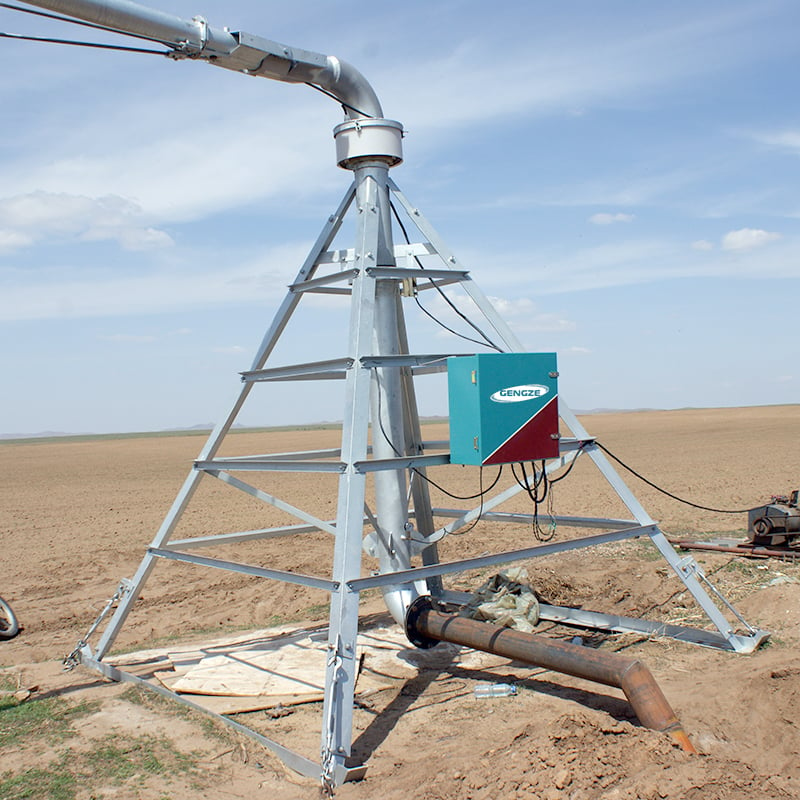
Site Assessment: Before installation, conduct a thorough assessment of the field. Evaluate soil conditions, topography, and existing water sources to determine the best layout and configuration for the pivot system.
Follow Manufacturer Guidelines: Adhere strictly to the manufacturer’s installation instructions. Each system may have unique requirements related to alignment, leveling, and connection to water sources.
Trained Personnel: Ensure that installation is carried out by trained professionals familiar with the equipment. This can help prevent common installation errors that might affect system performance.
Test the System: Once installed, conduct a thorough test of the system to ensure that all components, such as pumps and valves, are functioning correctly. Monitor for leaks and ensure that water distribution is even across the irrigated area.
Regular Maintenance Schedule: After installation, establish a regular maintenance schedule to check for wear and tear, ensuring long-term operational efficiency.
Following these guidelines can significantly enhance the performance and longevity of center pivot irrigation systems.
Despite their efficiency, center pivot irrigation systems can encounter several common issues. Here are some typical problems and their solutions:
Uneven Water Distribution: This may result from mechanical failures, misalignment, or clogged nozzles. Regular checks and maintenance can help identify and rectify these issues. Ensure that nozzles are cleaned and replaced as necessary to maintain optimal flow.
Mechanical Failures: Components such as gearboxes or motors may wear out over time. Establish a routine inspection schedule to identify potential failures early. Keeping an inventory of spare parts can minimize downtime due to mechanical issues.
Electrical Problems: Malfunctions in the control panel or wiring can disrupt system operation. Regularly inspect electrical connections for wear and corrosion, and ensure that all wiring complies with safety standards.
Soil Erosion: Excessive irrigation can lead to soil erosion. Employing proper irrigation scheduling and monitoring soil moisture levels can help mitigate this issue, ensuring that the system operates efficiently without overwatering.
Weather-Related Damage: High winds and storms can cause physical damage to pivot systems. Investing in sturdy construction and regular inspections can help mitigate weather impacts.
By being proactive in identifying and addressing these common issues, buyers can enhance the reliability and efficiency of their center pivot irrigation systems, ensuring a better return on investment.

Dalian Gengze Agricultural Equipment Manufacturing Co.,Ltd
Copyright © Dalian Gengze Agricultural Equipment Manufacturing Co.,Ltd All Rights Reserved | Blog | Privacy Policy
 EN