Requesting a Call:
Online Support
When sourcing center pivot irrigation systems, it’s essential to understand the various aspects involved in selecting the right equipment. Center pivot irrigation is a method of crop irrigation in which equipment rotates around a pivot and moves in a circular pattern, providing efficient water application. As B2B buyers, purchasing managers, and distributors consider sourcing these systems, they often have concerns about product reliability, quality, and supplier capabilities. This article will guide you through critical considerations, quality evaluation methods, supplier reliability, and technical insights specific to center pivot irrigation systems.
When sourcing center pivot irrigation systems or center pivot and linear move irrigation, it’s important to consider several factors that can significantly affect performance and suitability for your agricultural application. Start by assessing the specific requirements of your crops and land. Key considerations include
Field Size and Shape: Evaluate the dimensions and layout of the fields where the system will be deployed. Center pivot systems are most effective on circular fields but can be adapted for various shapes
Water Source and Quality: Identify the water source available for irrigation. The quality of water, including salinity and sediment levels, can influence the choice of materials and system design
Soil Type and Crop Needs: Different crops have varying water requirements, and soil type affects how water is absorbed. Understanding these factors can help in selecting the appropriate irrigation system
System Specifications: Look into specifications such as the span length, the number of towers, and the type of drive mechanism. These parameters can impact coverage and efficiency
Automation Features: Modern systems often come with advanced technology for automation and monitoring. Consider whether these features align with your operational goals
Quality evaluation is crucial when selecting center pivot irrigation equipment, as it directly impacts the system's longevity and performance. Here are key aspects to assess
Material Quality: The materials used in manufacturing pivot systems should be durable and resistant to environmental factors. For example, galvanized steel is often used for its corrosion resistance, while high-density polyethylene (HDPE) may be chosen for lightweight and flexibility
Manufacturing Processes: Investigate the manufacturing processes employed by the supplier. A reputable manufacturer will have strict quality control processes, including inspections at various production stages. Understanding these processes can help ensure that the final product meets industry standard
Certifications and Compliance: Check for any relevant industry certifications that the manufacturer holds. Compliance with international standards can indicate a commitment to quality
Performance Testing: Inquire if the manufacturer conducts performance testing on their systems. Testing under real-life conditions can reveal insights into reliability and efficiency
Warranty and Support: Evaluate the warranty offered on the equipment. A robust warranty can provide peace of mind regarding the manufacturer’s confidence in their products
Finding a reliable supplier is essential for ensuring the successful implementation of center pivot irrigation systems or Towable center pivot irrigation. Here are effective strategies to locate trustworthy manufacturers
Industry Trade Shows and Expos: Participating in agricultural trade shows can provide direct access to manufacturers and their products. You can evaluate equipment firsthand and engage with company representatives
Manufacturer Directories: Utilize online platforms and directories that list agricultural equipment manufacturers. Look for reviews and ratings to gauge the reputation of potential suppliers
Professional Associations: Engage with agricultural industry associations, which often have resources for finding reputable suppliers. They may also provide insights into industry standards and best practices
Networking: Leverage your professional network to gain recommendations for reliable suppliers. Personal experiences shared by peers can offer valuable insights
Supplier Qualifications: When approaching potential suppliers, assess their qualifications, including years in business, production capacity, and experience in the specific type of equipment you need
Selecting the right center pivot irrigation system involves matching the equipment to your specific agricultural needs. Here are actionable steps to help you make an informed decision
Assess Crop Requirements: Determine the specific watering needs for the crops you plan to irrigate. Different crops may require varying amounts of water and application frequencies
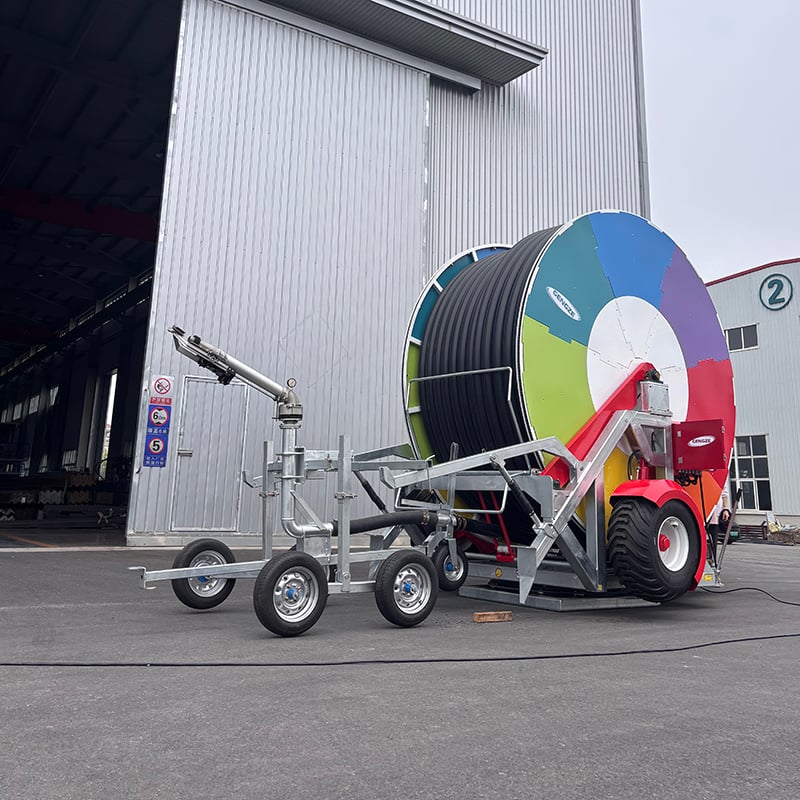
Evaluate System Types: Familiarize yourself with the different types of center pivot systems available, such as standard pivots, lateral moves, and Towable systems. Each type has unique advantages depending on your field layout and irrigation strategy
Consider Customization Options: Discuss customization options with suppliers. Many manufacturers can tailor systems to meet specific requirements, such as adding variable rate irrigation (VRI) technology for more precise water application
Analyze Cost vs. Benefit: Weigh the costs of different systems against their potential benefits. While initial investment is important, consider the long-term savings from improved water efficiency and crop yield
Installation and Maintenance Needs: Consider the installation complexity and ongoing maintenance requirements. A system that’s easier to maintain may save costs and downtime in the long run
Understanding the materials used in center pivot irrigation systems or Towable center pivot is essential for evaluating their durability and effectiveness. Here are common materials and their implications
Galvanized Steel: Often used for structural components due to its strength and corrosion resistance. It is suitable for various environmental conditions, ensuring longevity
Aluminum: Lightweight and resistant to corrosion, aluminum is used in some pivot components. Its lighter weight can facilitate easier installation and movement
High-Density Polyethylene (HDPE): Commonly used for pipes and fittings, HDPE is resistant to chemicals and UV degradation. It’s an excellent choice for systems exposed to harsh conditions
Rubber Seals and Gaskets: Essential for ensuring leak-proof connections, the quality of rubber used can affect long-term performance. Ensure that seals are made from durable materials that can withstand environmental stresses
Electronics and Sensors: In modern systems, electronic components may include sensors for moisture detection and automated controls. The quality of these components can affect the system's efficiency and reliability
When sourcing center pivot irrigation systems, it’s crucial to consider various factors such as field requirements, material quality, and supplier reliability. By understanding these elements, you can make an informed decision that enhances your agricultural productivity

Dalian Gengze Agricultural Equipment Manufacturing Co.,Ltd
Copyright © Dalian Gengze Agricultural Equipment Manufacturing Co.,Ltd All Rights Reserved | Blog | Privacy Policy
 EN