Requesting a Call:
Online Support
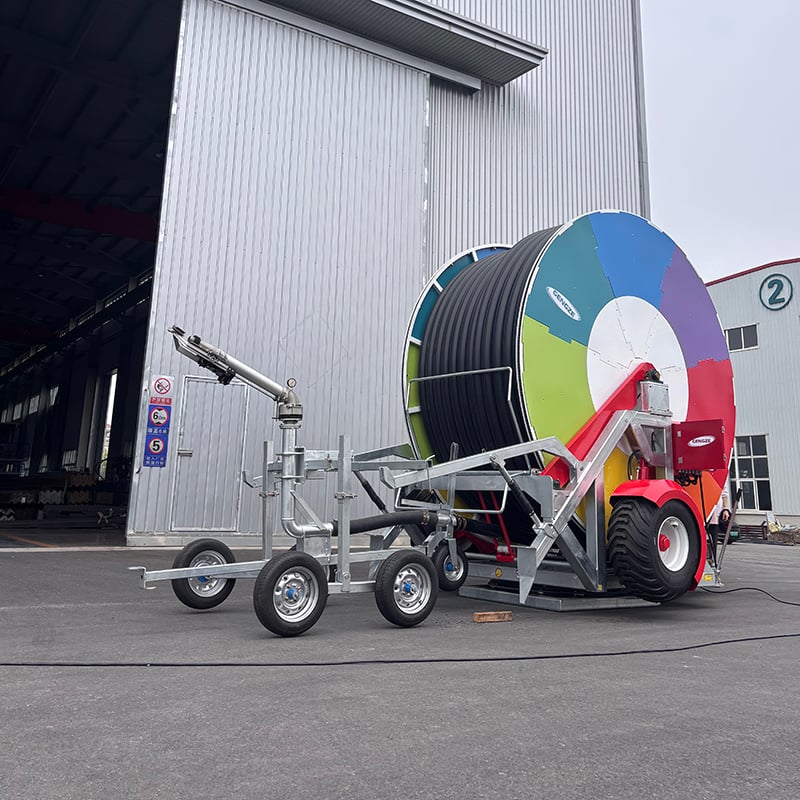
Center pivot irrigation systems are critical for modern agricultural practices, providing efficient and effective methods for field irrigation. As a B2B buyer, understanding how to select the right system to meet your specific needs is essential. This irrigation hose reel article will address key considerations for purchasing center pivot irrigation systems, including specifications, quality evaluation, sourcing options, and installation guidance, ensuring you make an informed decision that enhances productivity and resource management in your fields.
When selecting a center pivot irrigation system, start by evaluating your specific agricultural requirements. Consider factors such as field size, crop type, and water availability. The traveling hose reel sprinkler system capacity must align with your irrigation goals; for example, larger fields or high water-demand crops may require a more robust system.
Next, assess the layout of your fields. Systems come in various configurations, including full-circle, part-circle, and linear designs, each suited for different field shapes and crop arrangements. Compatibility with existing infrastructure, like water supply and power sources, is also crucial.
Lastly, think about the system's technology. Advanced features such as automated controls, remote monitoring, and variable rate irrigation can significantly enhance efficiency and reduce water wastage. These features may come with a higher initial investment, but the long-term savings and improved yields can justify the expense.
When evaluating center pivot irrigation systems, several key specifications must be taken into account:
Span Length: The span length refers to the distance between the pivot point and the end of the system. Longer spans cover more area but may require more water pressure. Assess your field’s dimensions to determine the optimal span.
Operating Pressure: This affects water distribution uniformity. A higher operating pressure can improve the system's efficiency, particularly in larger fields. However, hose reel sprinkler system it may also result in increased energy costs.
Nozzle Size and Type: Different nozzle configurations affect water application rates and droplet size, influencing how well the system performs under varying weather conditions. Ensure that the nozzles are suitable for your specific crops and soil types.
Drive Mechanism: Systems can be powered by electric, hydraulic, or gear-driven options. Electric drives tend to be more efficient, but the right choice will depend on local power availability and operational preferences.
Material Quality: Look for systems made from corrosion-resistant materials, such as galvanized steel or high-density polyethylene. The durability of these materials can significantly impact the lifespan of the equipment.
Understanding these specifications will enable you to choose a system that meets your irrigation needs while optimizing efficiency and minimizing costs.
Quality evaluation should be a priority when selecting a center pivot irrigation system. Start by sourcing equipment from reputable manufacturers like Dalian Gengze Agricultural Equipment Manufacturing Co., Ltd, known for their extensive experience and adherence to quality standards.
Request detailed specifications and inquire about the materials used in the construction of the system. High-quality materials will generally offer better durability and resistance to environmental challenges. Additionally, examine the manufacturer’s quality control processes. Systems that undergo rigorous testing during production often result in fewer operational issues.
Ask about warranty options and after-sales support. A comprehensive warranty indicates the manufacturer's confidence in their product's quality and performance. Furthermore, robust customer service can be invaluable for troubleshooting and maintenance over the system's lifespan.
Sourcing cost-effective center pivot irrigation systems involves balancing quality and price. Begin by researching multiple suppliers, focusing on those with a proven track record in agricultural equipment. Dalian Gengze, for example, offers competitive pricing due to their extensive manufacturing capabilities and experience as an OEM.
Consider direct purchasing from manufacturers to reduce costs associated with middlemen. Additionally, look for suppliers that offer customization options, allowing you to tailor the system to your specific agricultural needs, which can lead to long-term savings.
Review customer testimonials and case studies to gauge the supplier's reliability and the performance of their systems in similar agricultural settings. Networking with other farmers or agricultural businesses can also provide insights into effective sourcing strategies.
Proper installation is crucial for the effectiveness of center pivot irrigation systems. Begin by ensuring that the field is adequately prepared, which includes leveling the terrain and removing any obstacles that could interfere with the pivot's operation.
Follow the manufacturer's installation guidelines carefully. Incorrect setup can lead to uneven water distribution and system failures. If available, consider hiring a professional installation service that specializes in agricultural equipment, as they will have the expertise to ensure optimal configuration and performance.
After installation, conduct a thorough inspection of the system. Check for proper alignment, functionality of control systems, and the integrity of the water supply lines. Performing a test run will help identify any issues before the system is fully operational in the field. Regular maintenance checks post-installation are also essential to prolong the system's lifespan and maintain optimal performance.
By understanding these aspects of center pivot irrigation, you can make informed decisions that align with your agricultural objectives, ensuring efficient and effective irrigation for your fields.

Dalian Gengze Agricultural Equipment Manufacturing Co.,Ltd
Copyright © Dalian Gengze Agricultural Equipment Manufacturing Co.,Ltd All Rights Reserved | Blog | Privacy Policy
 EN