Requesting a Call:
Online Support
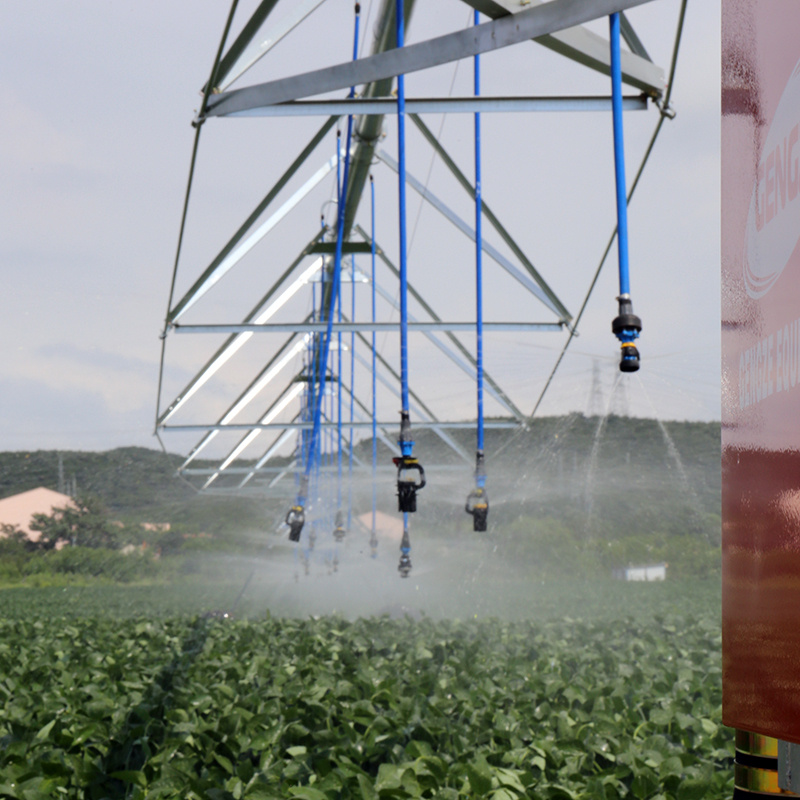
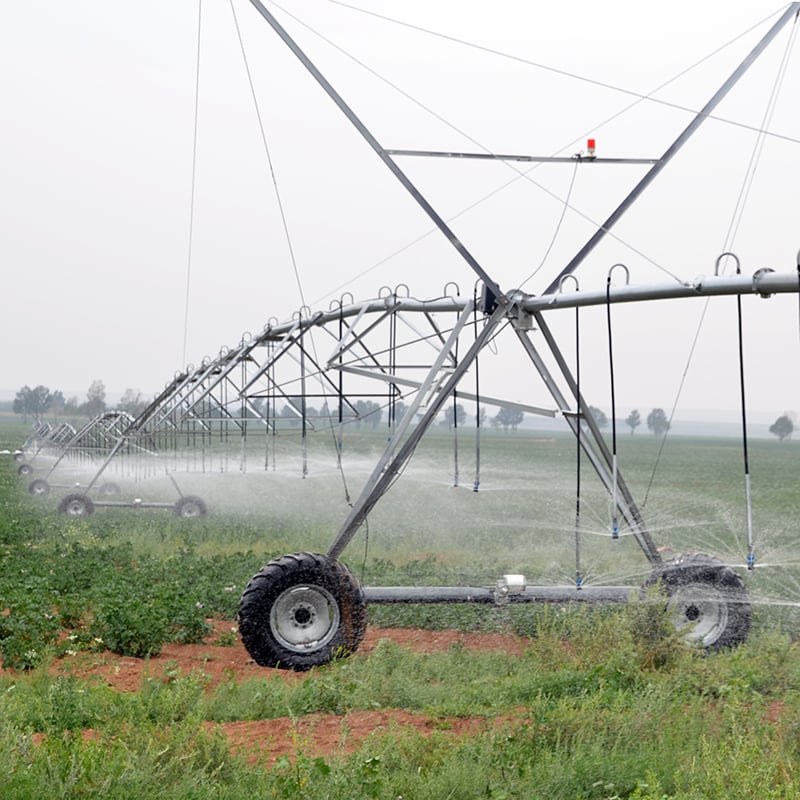
Center pivot irrigation systems have become essential for large-scale farming operations, effectively optimizing water usage and enhancing crop yields. As a purchasing manager or distributor, understanding the intricacies of towable center pivot irrigation for large farms is crucial, from selecting reliable suppliers to evaluating installation requirements. This article aims to equip you with practical knowledge regarding these systems, addressing key concerns such as cost factors, installation insights, common issues, and their applications in modern agriculture.
When sourcing center pivot irrigation systems, reliability in suppliers is paramount. An effective supplier should not only provide high-quality products but also offer comprehensive customer service and support. Look for manufacturers with a strong industry presence and experience, such as Dalian Gengze Agricultural Equipment Manufacturing Co., Ltd, which has over 20 years in agricultural equipment and has established itself as a trusted provider.
Key factors to assess in a supplier include:
Manufacturing Capabilities: Ensure the supplier has advanced manufacturing processes and technology that can produce high-efficiency equipment. Inquire about their production equipment and quality control measures to ascertain the reliability of their products.
Customization Options: Many large farms have unique requirements. A good supplier should offer customization capabilities to tailor systems to specific agricultural needs.
Technical Support and Warranty: Evaluate the level of post-purchase support, including installation guidance and warranty terms. This can significantly affect operational efficiency and maintenance costs.
Export Markets: A supplier with international experience, like our brand, can also indicate reliability, as they must adhere to various quality standards across different markets.
Understanding the cost structure of center pivot irrigation systems is vital for budget planning. Several factors influence the overall price, including:
System Size and Configuration: The length and complexity of the pivot system directly affect the cost. Larger systems with more sections or advanced features will typically be more expensive.
Material Quality: The materials used in construction, such as galvanized steel or aluminum, impact durability and cost. Higher-quality materials may lead to a higher upfront cost but can reduce maintenance expenses in the long run.
Technology and Features: Advanced features, such as automated controls or GPS integration, add to the initial cost but can enhance efficiency and water management. Assess how these technologies align with your operational goals.
Installation Costs: Factor in additional expenses related to site preparation and installation labor. Proper installation is critical to ensuring the system operates effectively.
Ongoing Maintenance: Consider the long-term maintenance costs associated with the system. A reliable supplier should provide guidance on expected maintenance schedules and costs.
Proper installation of center pivot irrigation systems is crucial for their optimal performance. Here are essential insights to consider during the installation process:
Site Assessment: Conduct a thorough assessment of the installation site. Factors like soil type, topography, and existing infrastructure will influence the design and layout of the small center pivot irrigation system.
Alignment and Spacing: Ensure that the pivot is correctly aligned and spaced according to the field dimensions. Misalignment can lead to uneven water distribution, affecting crop yields.
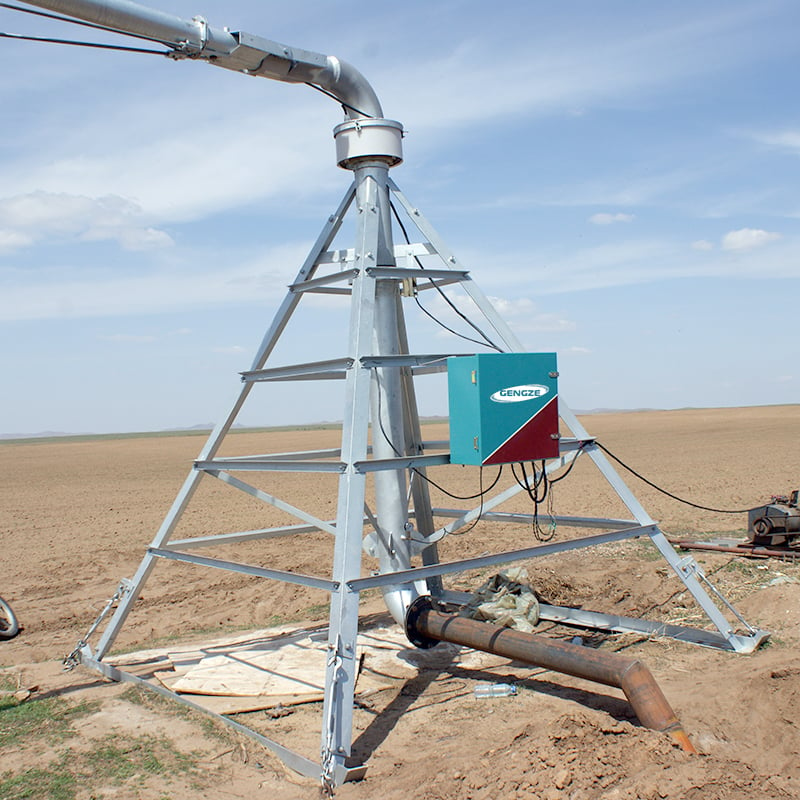
Water Source and Pumping Requirements: Evaluate the water source and pumping capacity. The system’s efficiency largely depends on a reliable water supply and adequate pressure.
Training for Operators: Provide comprehensive training for operators on how to use and maintain the system. This can prevent operational issues and maximize the system's lifespan.
Post-Installation Support: Engage with the supplier for post-installation support to troubleshoot any issues that may arise during the initial operation phase.
While Gengze center pivot irrigation systems are effective, they can encounter common issues. Here are some typical problems and their solutions:
Uneven Water Distribution: This may occur due to misalignment or damaged components. Regularly inspect the system to ensure that all parts are functioning correctly and adjust as necessary.
Clogged Nozzles: Clogging can lead to reduced water flow, affecting irrigation. Implement routine maintenance to clean or replace nozzles as needed.
Electrical Failures: Electrical issues can disrupt the operation of automated systems. Ensure that all electrical components are installed correctly and consider backup systems for critical operations.
Mechanical Failures: Wear and tear on moving parts can lead to mechanical failures. Regular inspections and adherence to maintenance schedules can help identify potential issues before they become significant problems.
Environmental Factors: Weather conditions can impact the system’s performance. Monitor environmental factors and adjust the operation schedule accordingly to mitigate issues such as soil saturation or drought.
Gengze Center pivot irrigation systems are versatile and can be applied across various agricultural contexts. Here are some key applications:
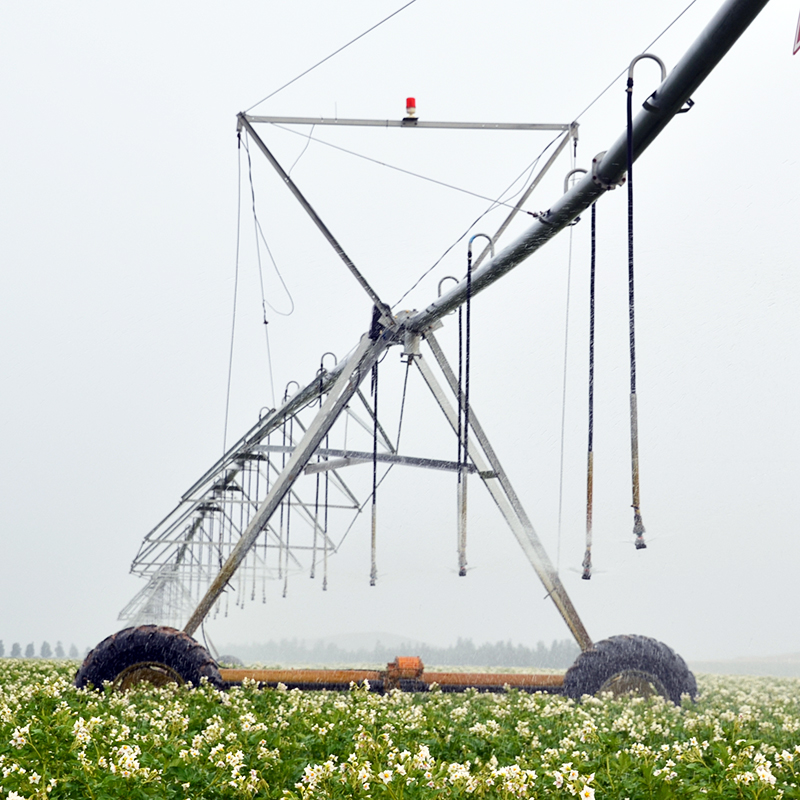
Row Crops: These systems are widely used for irrigating row crops, including corn, soybeans, and cotton, where precise water application is critical for yield.
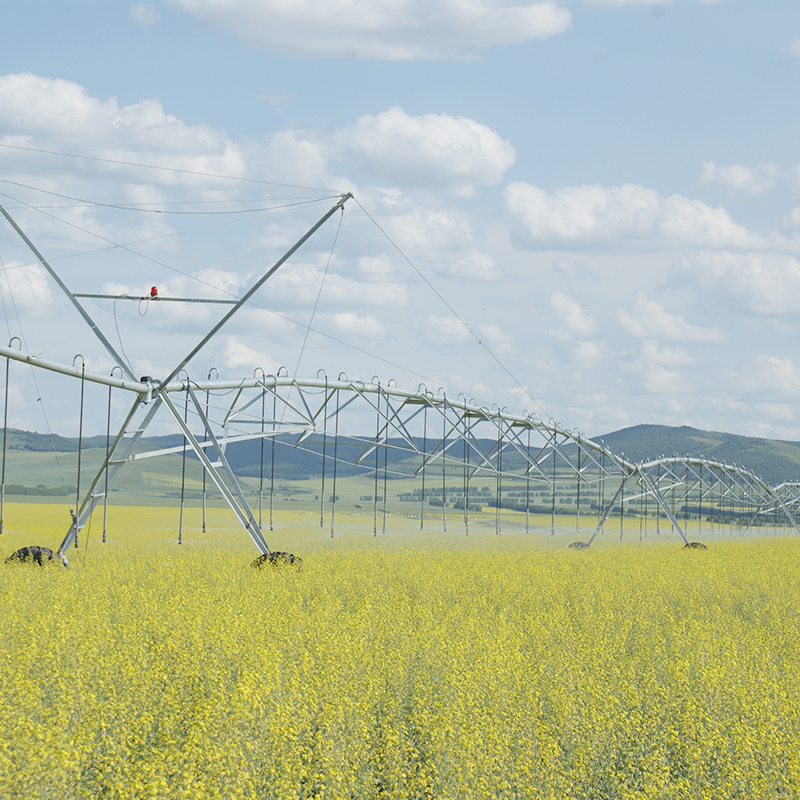
Pasture and Hay Production: Farmers can use center pivots to optimize water distribution for pasture land, promoting healthy grass growth for livestock.
High-Value Crops: For crops such as fruits and vegetables, where moisture management is crucial, center pivot systems can be equipped with precision tools to maintain optimal soil moisture levels.
Sustainable Farming Practices: These systems can be integrated with soil moisture sensors and weather data to create more sustainable irrigation practices, reducing water waste and enhancing crop health.
Adaptation to Climate Variability: As climate patterns change, flexible best center pivot irrigation system like center pivots allow farmers to adapt their water usage strategies to meet varying conditions.
Center pivot irrigation systems represent a significant investment for large farms, making it essential to select the right supplier, understand cost dynamics, and ensure proper installation and maintenance. By addressing common challenges and leveraging the versatility of these systems, agricultural operations can achieve improved efficiency and sustainability in their irrigation practices.

Dalian Gengze Agricultural Equipment Manufacturing Co.,Ltd
Copyright © Dalian Gengze Agricultural Equipment Manufacturing Co.,Ltd All Rights Reserved | Blog | Privacy Policy
 EN