Requesting a Call:
Online Support
Center pivot irrigation systems are essential for large farms, offering efficient water distribution across expansive fields. When considering the implementation of a center pivot irrigation system on a large scale, buyers often face several key concerns, including system efficiency, cost-effectiveness, and maintenance requirements. This article aims to provide valuable insights on selecting and utilizing best center pivot irrigation system for large farms, addressing common buyer queries and offering practical guidance based on industry experience.
When selecting a Gengze center pivot irrigation system for a large farm, several factors must be evaluated to ensure optimal performance. Firstly, the size and layout of the farm are crucial; systems must be designed to cover the specific acreage efficiently. Buyers should assess the available water source's capacity, as this impacts the system's design and operational effectiveness.
Another critical consideration is the type of crops being irrigated. Different crops have varying water requirements, which can influence the choice of sprinkler heads and system layout. Additionally, it’s important to evaluate the soil type and condition, as this affects both water absorption and retention.
Cost is also a significant factor. Buyers should look at the initial investment and weigh it against long-term savings in water usage and crop yield improvements. Understanding the total cost of ownership, including maintenance and potential repairs, will help make an informed decision.
Lastly, customization options should be considered. Many manufacturers offer systems that can be tailored to meet specific farm needs, from sprinkler type to control systems. Customization can enhance both efficiency and ease of use.
Identifying trustworthy suppliers for center pivot irrigation equipment is essential for successful procurement. Start by researching manufacturers with a solid reputation in the agricultural sector, especially those with experience in producing large-scale irrigation systems. Industry trade shows and agricultural expos can provide opportunities to meet suppliers and see their products firsthand.
Look for suppliers who offer comprehensive support, including installation guidance and after-sales service. This is particularly important for complex systems like center pivot irrigation machine, where proper setup and ongoing maintenance can significantly impact efficiency and longevity.
It is also advisable to check online reviews and testimonials from other farmers who have used the supplier's products. Additionally, ensure that the supplier provides sufficient technical documentation, including product specifications and installation manuals, to aid in your decision-making process.
Proper installation of a Gengze center pivot irrigation system is crucial for achieving desired performance. Begin by preparing the land; ensure the field is graded correctly to allow for uniform water distribution. Soil tests may be necessary to determine the best approach for water management.
During installation, follow the manufacturer's guidelines closely. This includes proper alignment of pivot points and ensuring that the system is level across the field to avoid water pooling or uneven irrigation. It's also essential to check the electrical connections and control systems to ensure they function correctly.
After installation, conduct a test run to identify any potential issues before the system is fully operational. This preliminary run can reveal problems with water pressure or coverage that need addressing. Regular monitoring and adjustments during the early stages of operation will help establish optimal performance.
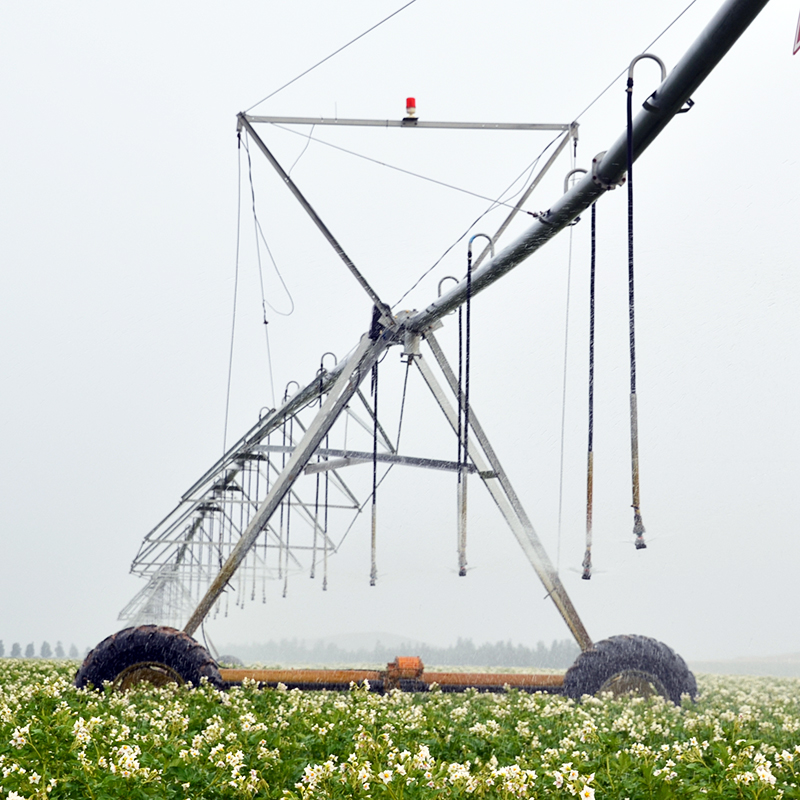
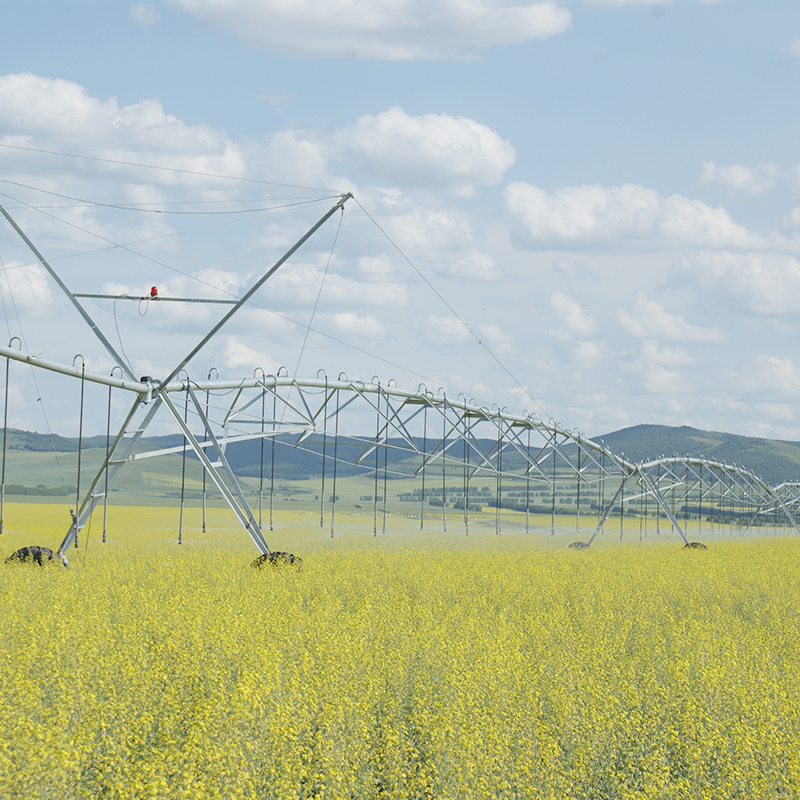
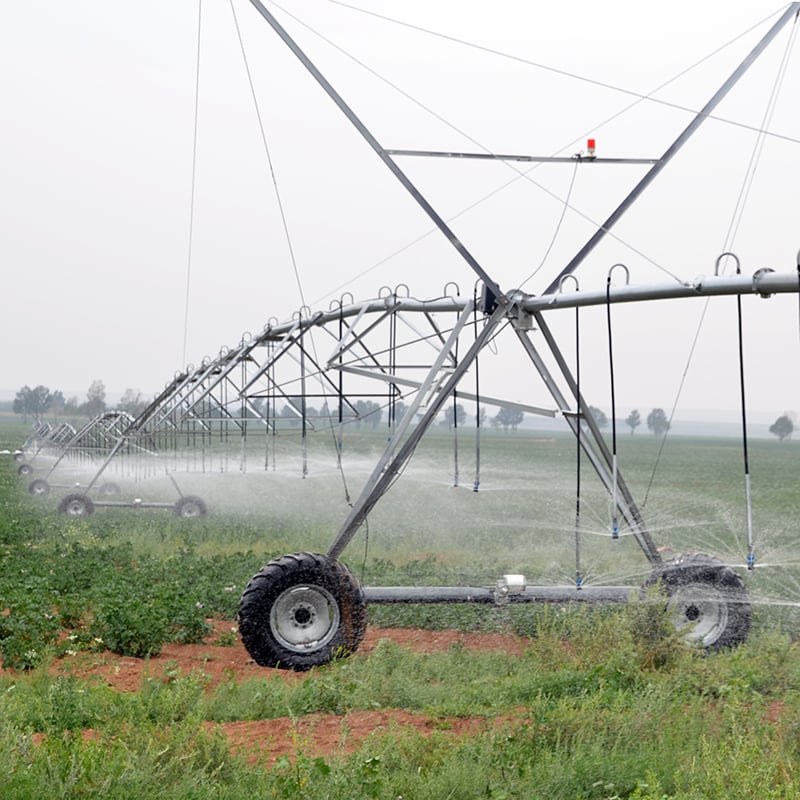
Center pivot irrigation is particularly beneficial for large farms due to its ability to cover extensive areas efficiently. The system operates by rotating around a fixed point, allowing water to be distributed evenly across the field. This method reduces labor costs and minimizes water waste compared to traditional irrigation methods.
The efficiency of center pivot irrigation systems can be significantly enhanced with the use of modern technology. Many systems now incorporate smart technology, including moisture sensors and automated control systems, which allow farmers to optimize watering schedules based on real-time data. This can lead to better crop yields and reduced water usage.
Moreover, center pivot systems can be designed to accommodate various terrain types and crop patterns, making them versatile for different farming operations. Their adaptability can help farmers maximize the use of available land and water resources.
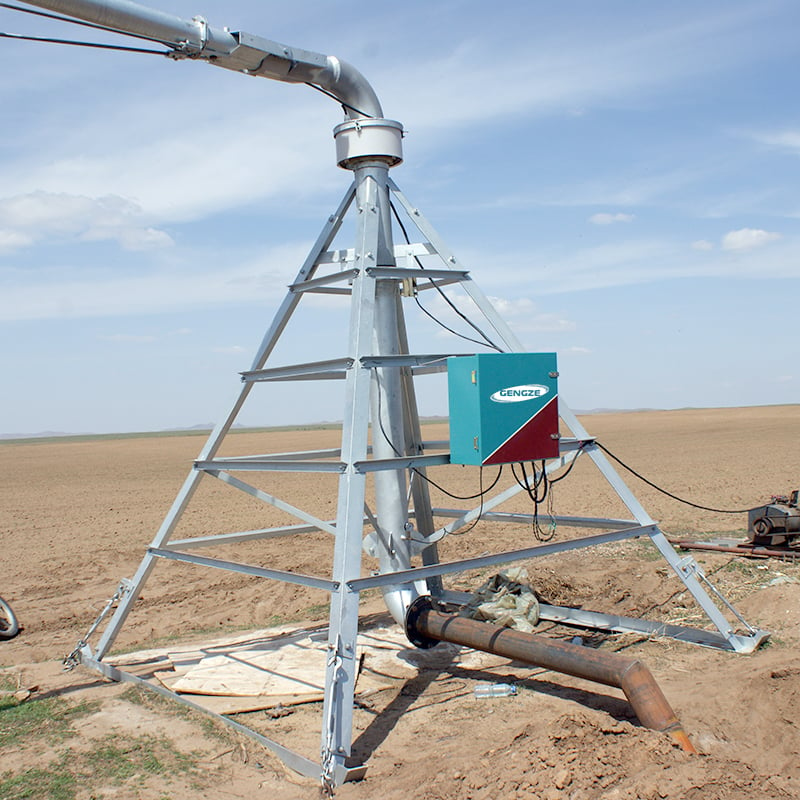
Understanding the components of a Gengze center pivot irrigation system is vital for effective operation and maintenance. Key parts include the pivot structure, drive train, water delivery system, and control mechanisms.
Pivot Structure: Typically made from high-strength steel, the pivot structure must withstand environmental stresses and support the weight of the system. Buyers should consider the material's durability, especially in regions prone to high winds or heavy rainfall.
Drive Train: This component is responsible for moving the pivot arm around the field. Options may include hydraulic or electric drives, with electric drives often being more energy-efficient. The choice depends on the specific requirements of the farming operation, including terrain and desired speed of operation.
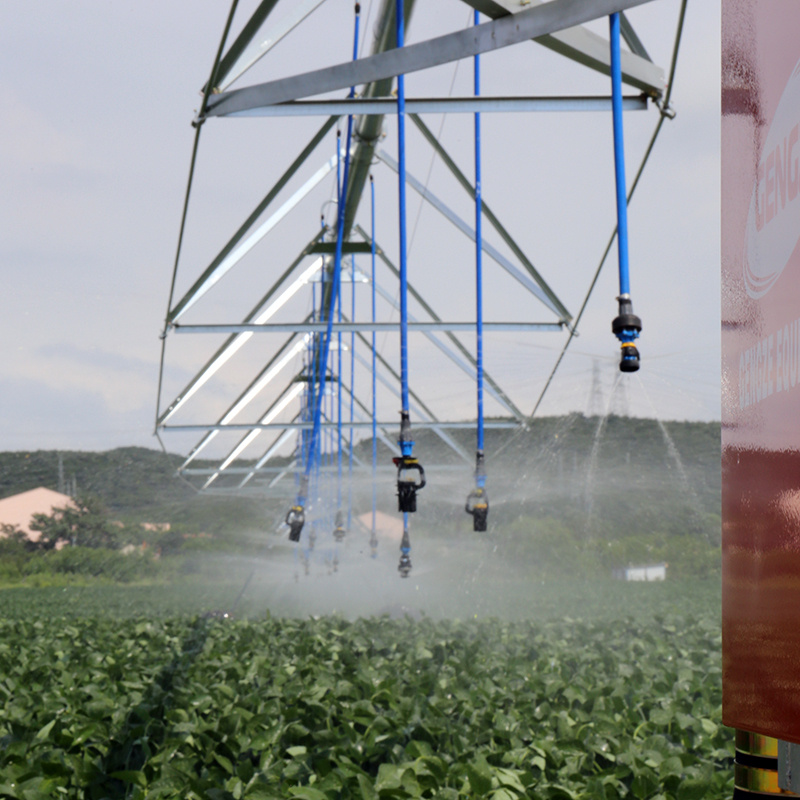
Water Delivery System: Sprinkler heads can vary in type and size, influencing the distribution pattern and water application rates. Selecting the right nozzle is critical, as it impacts water efficiency and crop health.
Control Mechanisms: Modern systems often feature advanced control options, such as GPS technology and automated scheduling. Buyers should ensure the control system is user-friendly and compatible with existing farm management software to streamline operations.
By understanding these components and their functions, buyers can make informed decisions that enhance the performance and longevity of their center pivot irrigation remote control.

Dalian Gengze Agricultural Equipment Manufacturing Co.,Ltd
Copyright © Dalian Gengze Agricultural Equipment Manufacturing Co.,Ltd All Rights Reserved | Blog | Privacy Policy
 EN