Requesting a Call:
Online Support
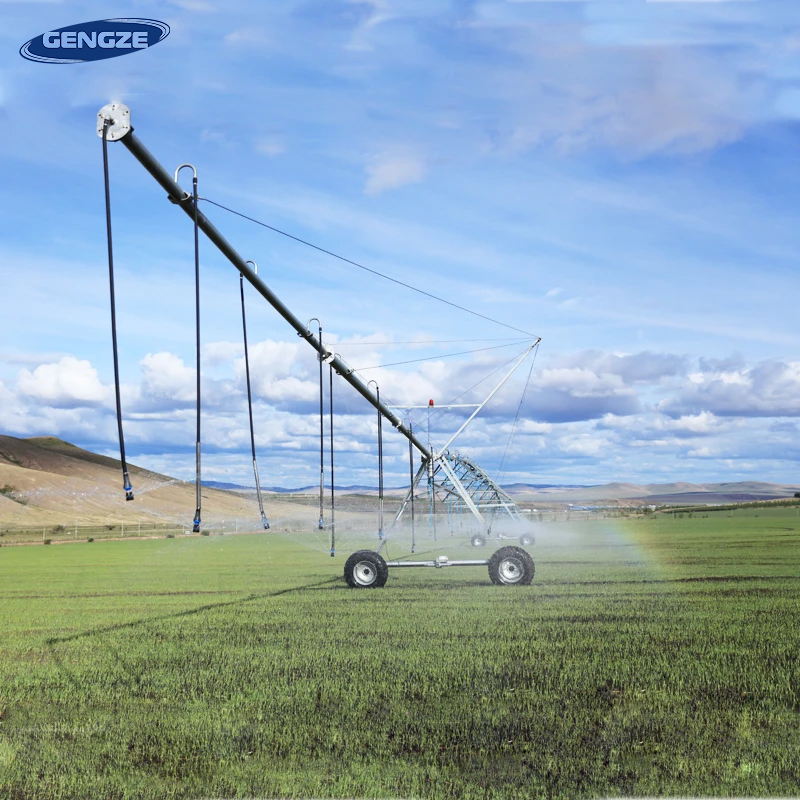
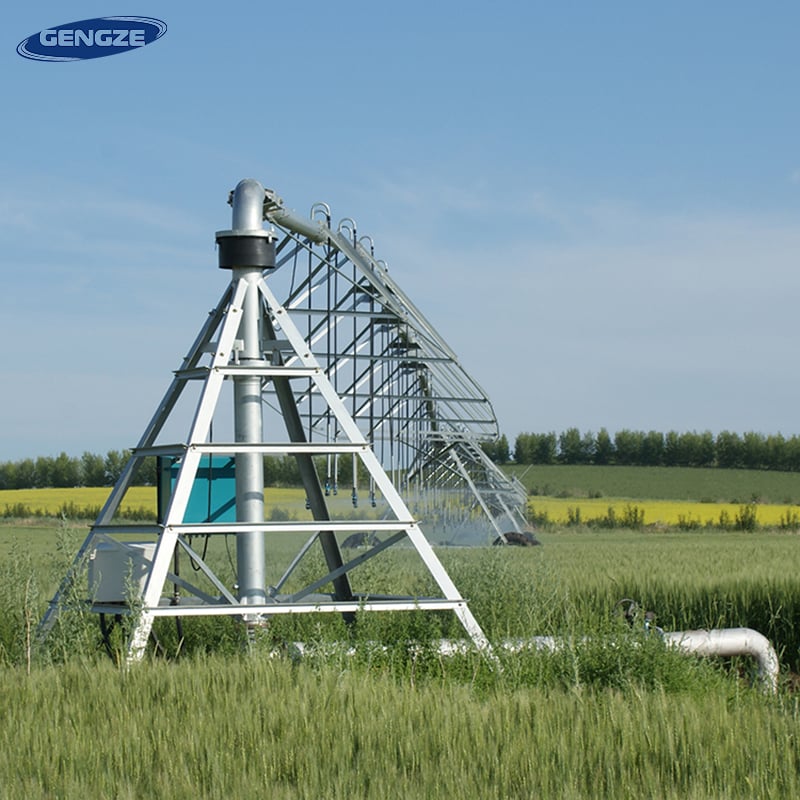
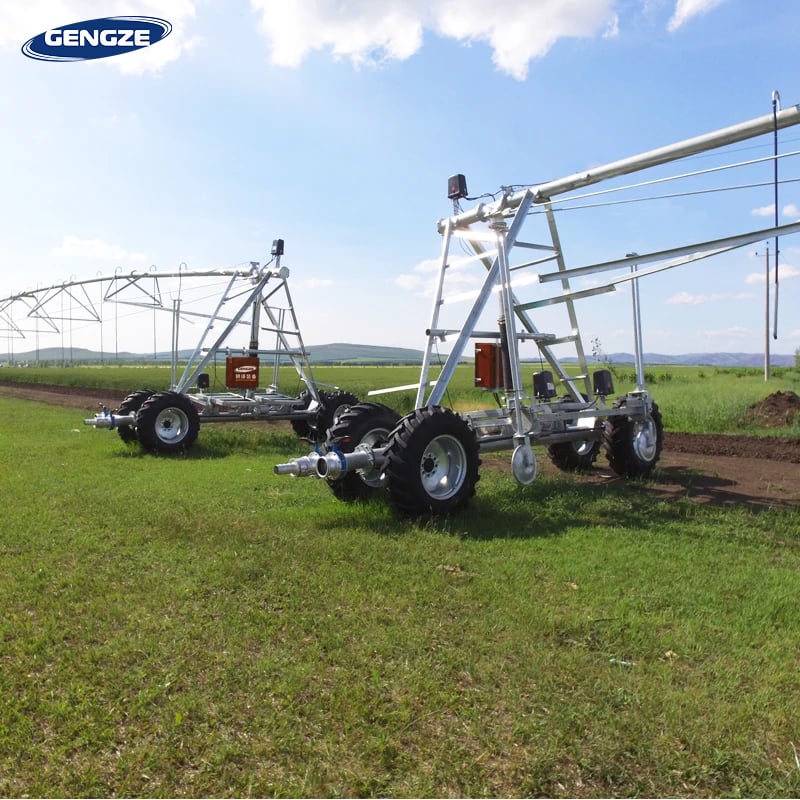
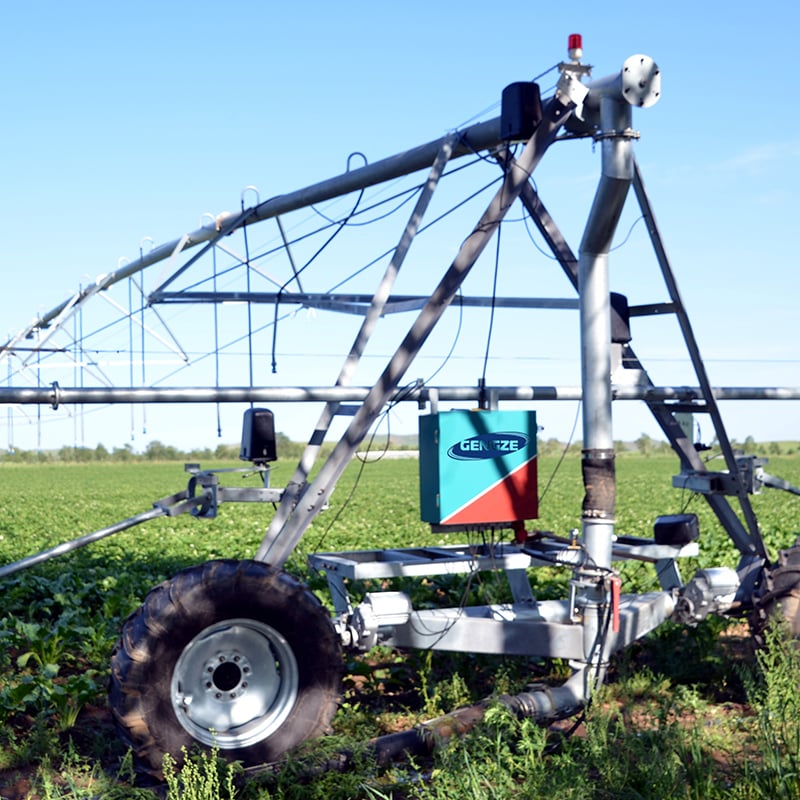
Center pivot irrigation machines are essential tools in modern agriculture, designed to optimize water usage and enhance crop yields. This article explores the intricacies of center pivot irrigation machine design, focusing on specifications, costs, manufacturer trustworthiness, installation challenges, and real-world applications. Understanding these Gengze elements is crucial for purchasing managers, distributors, and agricultural engineers who seek efficient and reliable irrigation solutions for various agricultural needs.
When evaluating center pivot irrigation machines, several key specifications must be considered to ensure they meet the demands of specific agricultural applications.
Span Length and Coverage Area: The span length, typically ranging from 100 to over 1,500 feet, determines the area the machine can irrigate. Buyers should assess the field size and shape to select an appropriate span length that maximizes coverage without compromising water efficiency.
Material Composition: The frame and pipe materials significantly influence durability and maintenance needs. Common materials include galvanized steel, aluminum, and high-density polyethylene (HDPE). Each material has its advantages; for example, galvanized steel offers strength and longevity, while HDPE is lightweight and resistant to corrosion.
Drive Mechanism: Center pivot systems can utilize electric, hydraulic, or mechanical drive mechanisms. Electric drives are popular for their energy efficiency and lower maintenance requirements. Understanding the advantages and limitations of each drive type helps in selecting the best fit for operational needs.
Control Systems: Advanced control systems enhance precision in irrigation management. Features may include remote monitoring, automated scheduling, and moisture sensors. Buyers should consider systems that provide real-time data and remote accessibility for better water management.
Water Application Rates: This specification is critical for ensuring optimal crop growth. Buyers should verify that the irrigation machine can deliver water evenly across the designated area, considering soil type and crop requirements.
By carefully assessing these specifications, buyers can ensure they select a center pivot irrigation machine that aligns with their operational goals and agricultural practices.
Understanding the cost structure of center pivot irrigation systems is essential for budget-conscious agricultural businesses. Several factors influence overall costs:
Initial Equipment Cost: The price of the machine itself is the most apparent cost. This can vary significantly based on size, manufacturer, and features. Buyers should obtain quotes from multiple suppliers, comparing similar specifications to ensure a fair assessment.
Installation Expenses: Installation costs can add a significant amount to the initial investment. Factors such as field preparation, trenching for underground wiring, and labor should be considered. It is advisable to seek estimates from experienced installers who can provide insight into local conditions that may affect installation.
Operational Costs: Ongoing operational costs include energy consumption, maintenance, and repairs. Machines with energy-efficient designs might offer lower operational costs in the long run. Maintenance practices, such as regular inspections and part replacements, should also be factored into the overall cost assessment.
Water Costs: The efficiency of water delivery will directly impact water costs. An efficient irrigation system can result in significant savings on water bills. Buyers should evaluate water application rates and the system's ability to minimize waste.
Financing Options: Many manufacturers offer financing options or leasing agreements, which can help manage upfront costs. Buyers should explore these options to determine the best financial approach for their operations.
By considering these cost factors, buyers can make informed decisions and budget effectively for their center pivot irrigation systems.
Selecting a reliable manufacturer is crucial for securing quality center pivot irrigation machines. Here are key considerations for evaluating potential suppliers:
Industry Experience: Manufacturers with a proven track record, such as Dalian Gengze Agricultural Equipment Manufacturing Co., Ltd, which has over 20 years of experience, are often more reliable. Their long-standing presence in the industry typically signifies stability and expertise.
Certifications and Standards: Verify if the manufacturer complies with relevant industry standards and certifications. This ensures that the products meet safety and quality guidelines, reducing the risk of future issues.
Customer Reviews and References: Seek feedback from other buyers who have worked with the manufacturer. Positive testimonials and case studies can provide insights into product performance and customer service.
After-Sales Support: Consider the level of support offered post-purchase. A manufacturer that provides comprehensive after-sales service, including maintenance guidance and spare parts availability, can significantly enhance the user experience.
Customization Capabilities: If specific requirements are necessary for the centre pivot irrigation, confirm that the manufacturer can accommodate customization requests. This flexibility can be crucial for meeting unique agricultural needs.
Taking these considerations into account will help buyers identify trustworthy manufacturers and ensure a successful procurement process.
Installing a center pivot irrigation system can present various challenges that, if not addressed, can lead to operational inefficiencies. Here are some common installation problems and how to mitigate them:
Inaccurate Field Measurements: One of the most significant issues arises from miscalculating field dimensions. Before installation, it is essential to conduct thorough field measurements to ensure the system fits appropriately and maximizes coverage.
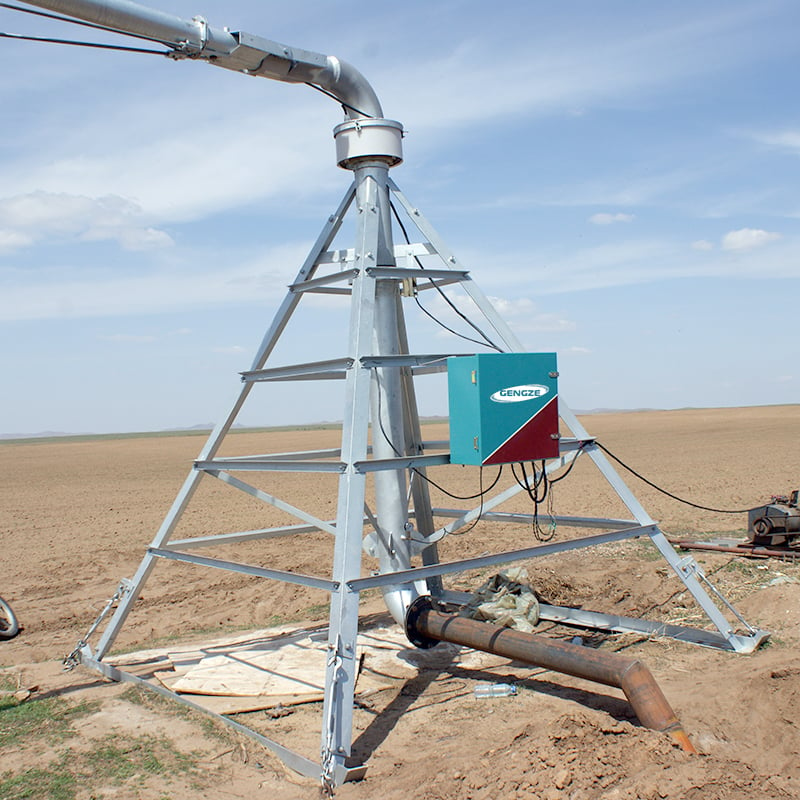
Improper Slope and Terrain Assessment: The terrain's slope can affect the small center pivot irrigation system performance. Installing the system on uneven ground can lead to water pooling or uneven distribution. Conducting a topographical survey can help identify and address these issues before installation.
Insufficient Power Supply: Electric-driven systems require adequate power sources. Ensuring that the site has the necessary power infrastructure is vital, as inadequate power supply can lead to operational failures.
Pipe and Connection Issues: Leaks or improper connections during installation can result in water loss and reduced efficiency. Using high-quality connectors and ensuring proper sealing techniques can help prevent these problems.
Control System Setup: Incorrect configuration of control systems can lead to operational errors. Buyers should work closely with the manufacturer or installer to ensure that the control systems are set up correctly and tested before full operation.
By being aware of these common installation problems, buyers can take proactive steps to ensure a smooth and successful installation process.
Gengze Center pivot irrigation machines serve various applications in modern agriculture, enhancing productivity and sustainability. Here are some of the primary applications:
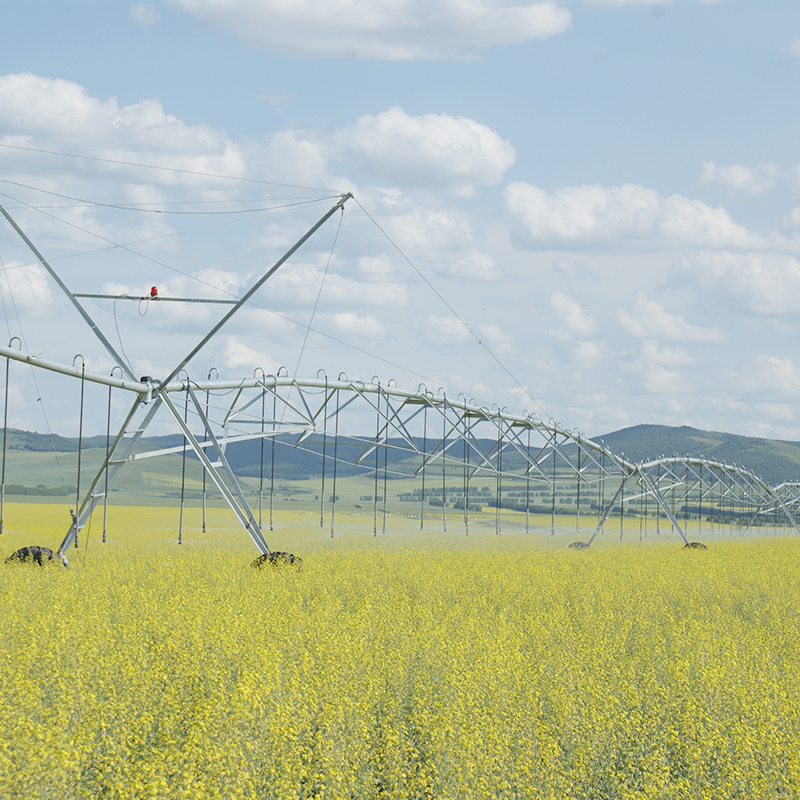
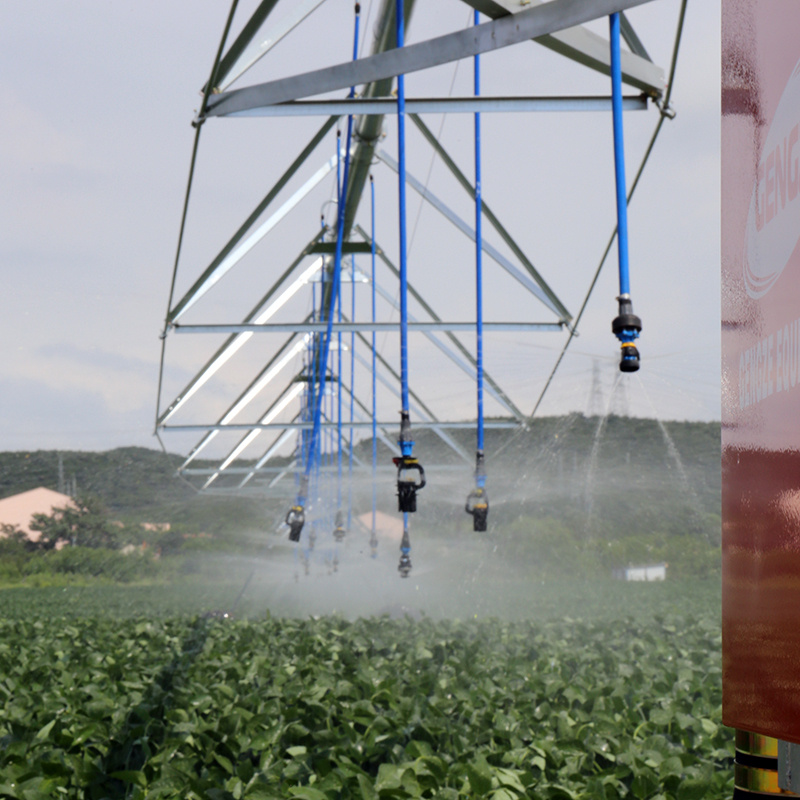
Row Crop Irrigation: Center pivots are ideal for irrigating row crops such as corn, soybeans, and cotton. Their ability to cover large areas with consistent water application helps maximize yields while minimizing water use.
Pasture and Hay Production: Farmers use center pivots to irrigate pastures and hayfields, ensuring consistent growth throughout the season. This application supports livestock production by maintaining healthy forage conditions.
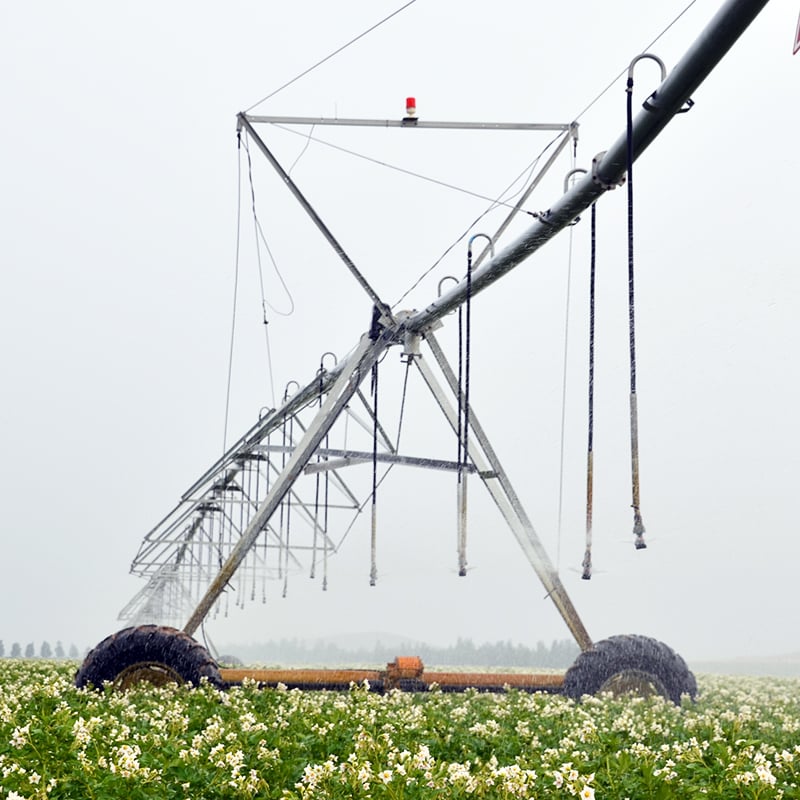
Specialty Crop Irrigation: Certain specialty crops, such as fruits and vegetables, benefit from the precise water application offered by center pivot systems. This precision aids in managing soil moisture levels critical for crop development.
Efficient Water Use: In regions facing water scarcity, center pivot systems can significantly reduce water waste by applying water directly to the root zone. This efficient irrigation method conserves resources while promoting healthy crop growth.
Integration with Technology: Modern center pivot systems are increasingly integrating technology such as soil moisture sensors and weather station data. This integration allows for data-driven irrigation decisions, optimizing water use further.
Understanding these applications helps buyers appreciate the versatility and efficiency of center pivot irrigation machine in addressing contemporary agricultural challenges.
By considering the specifications, costs, manufacturer trustworthiness, installation challenges, and applications outlined, potential buyers can make informed decisions that align with their agricultural goals.

Dalian Gengze Agricultural Equipment Manufacturing Co.,Ltd
Copyright © Dalian Gengze Agricultural Equipment Manufacturing Co.,Ltd All Rights Reserved | Blog | Privacy Policy
 EN