Requesting a Call:
Online Support
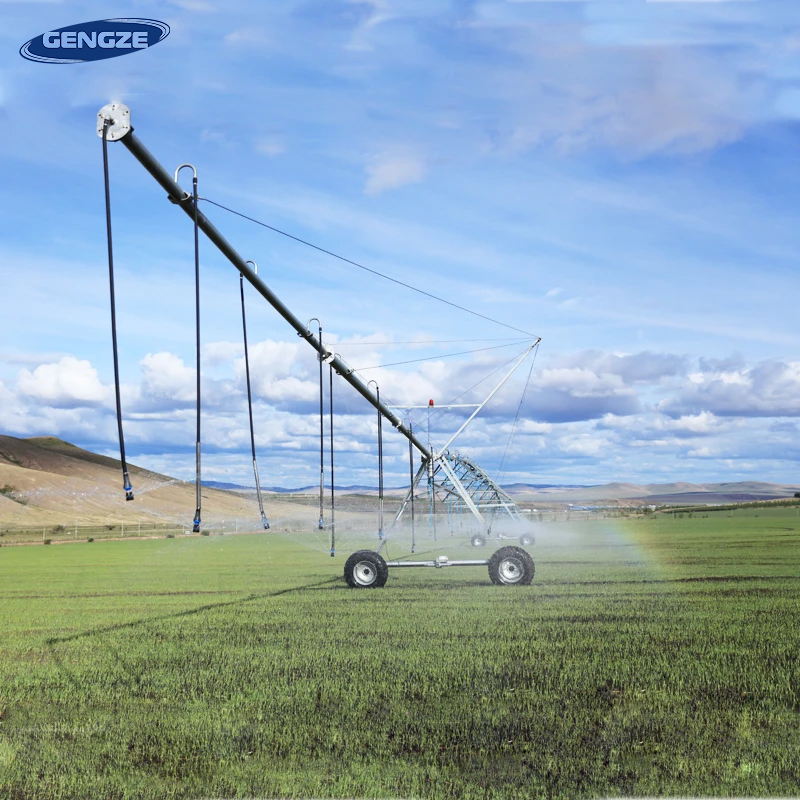
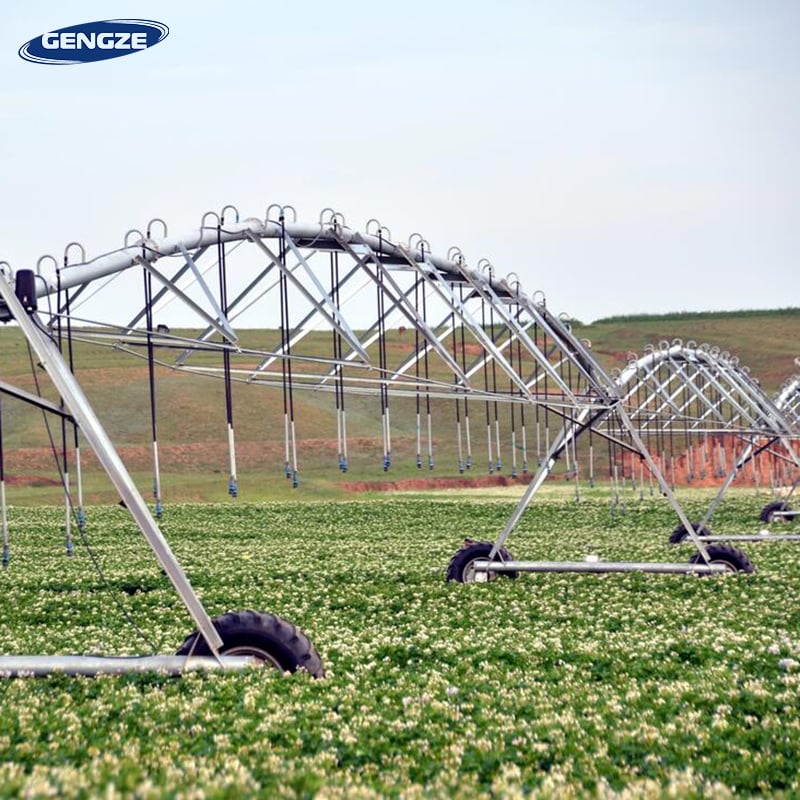
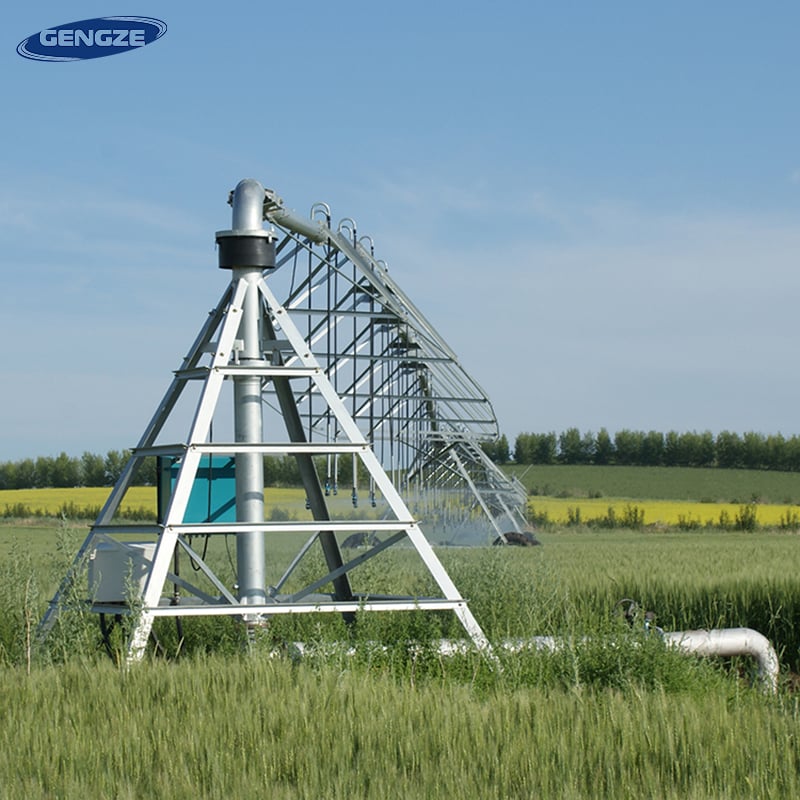
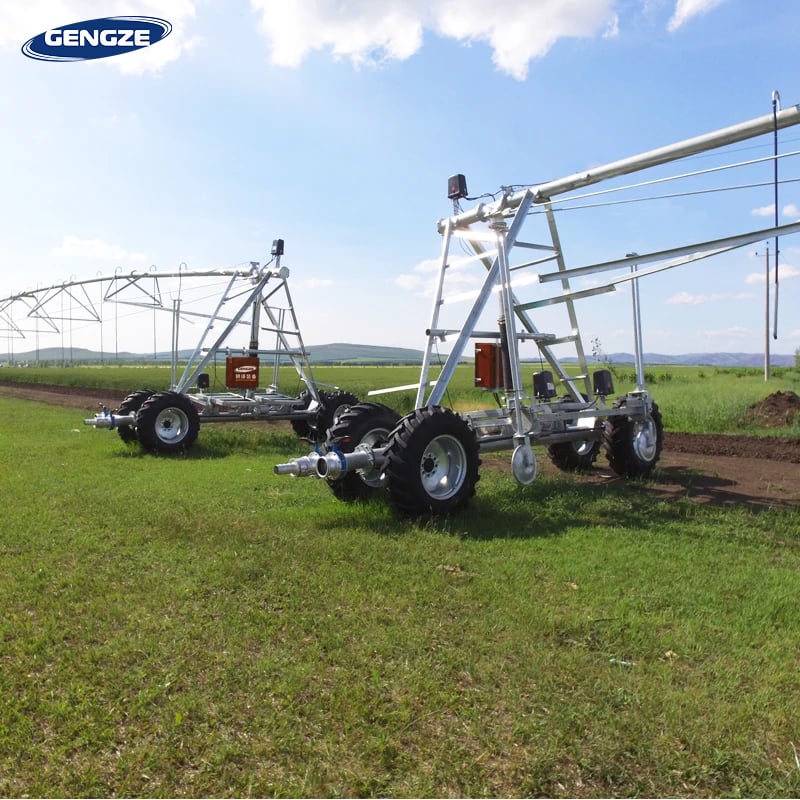
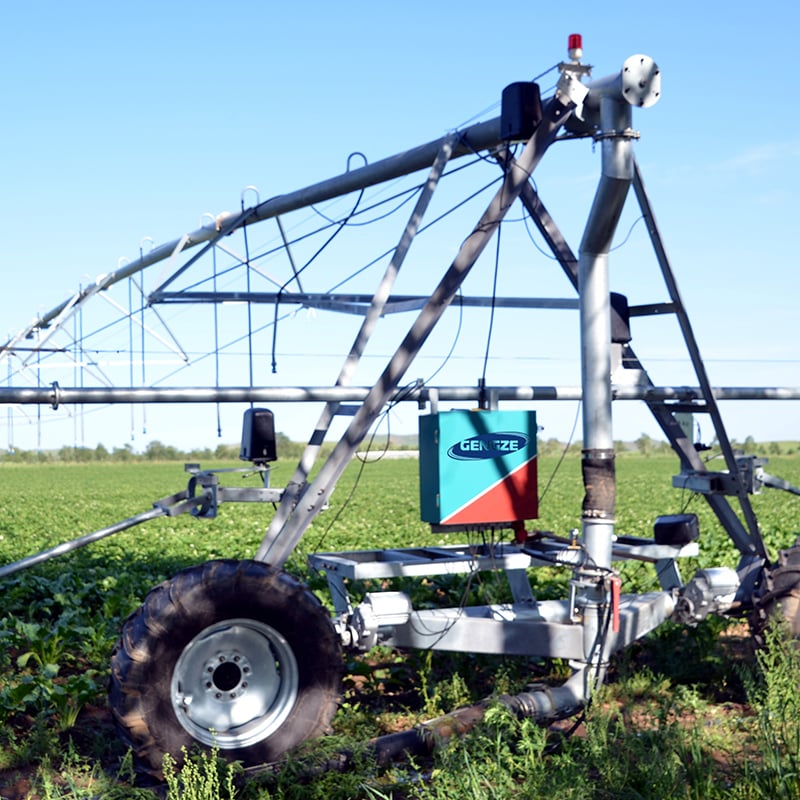
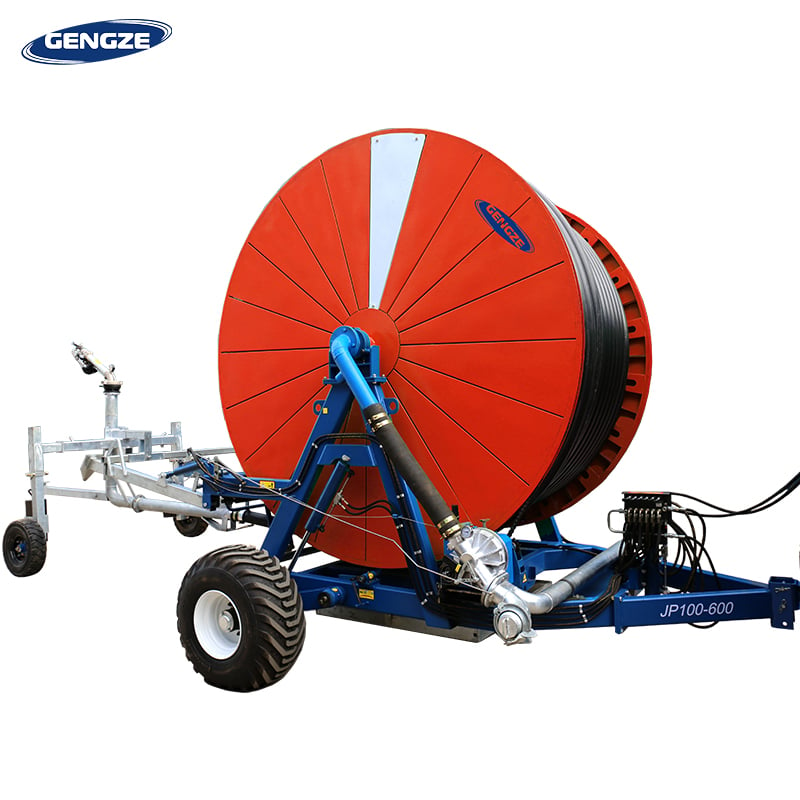
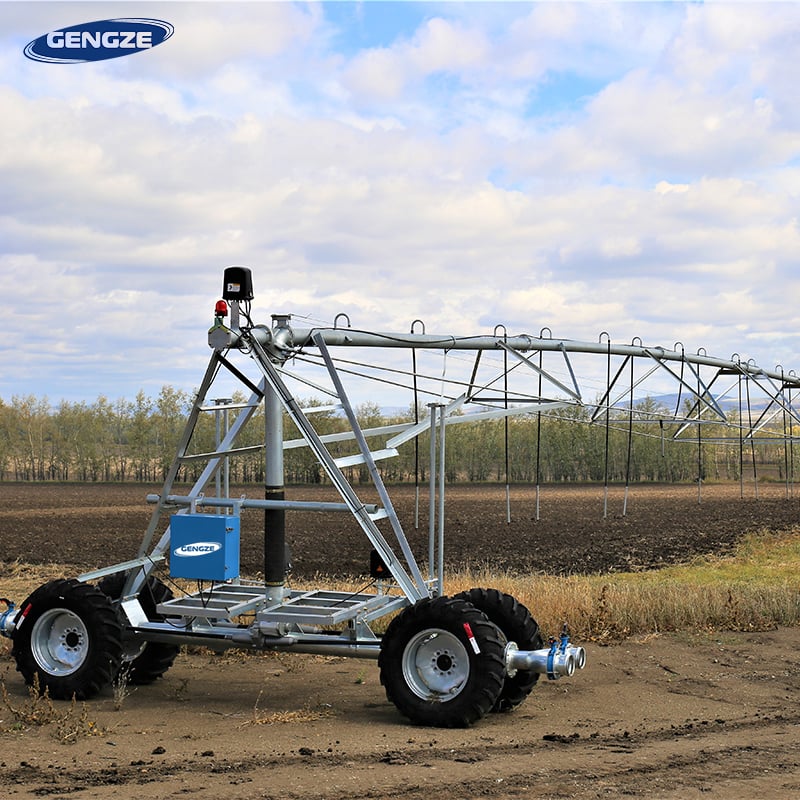
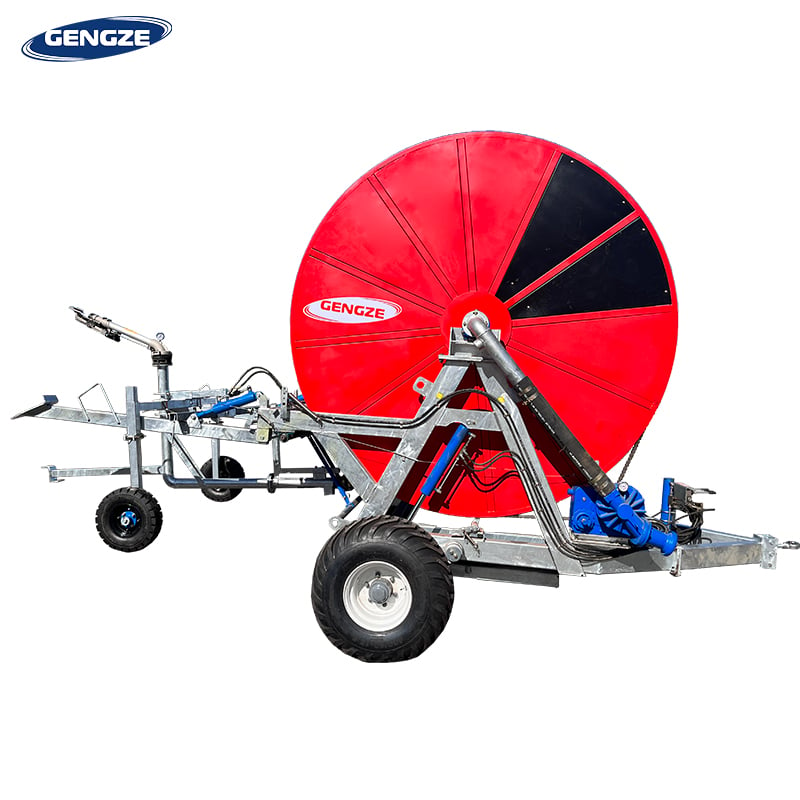
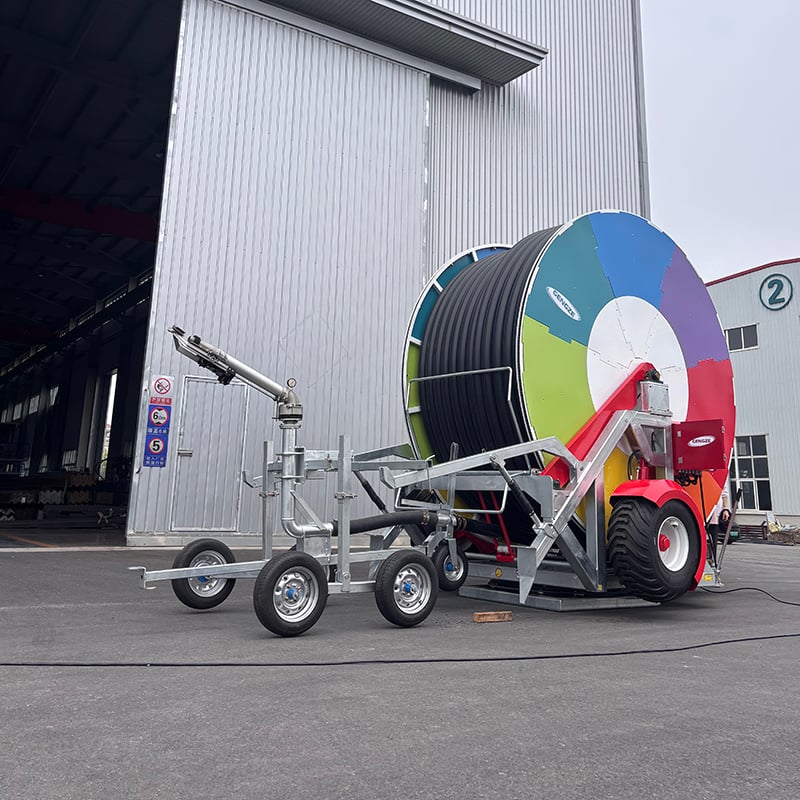
When considering a center pivot irrigation machine for sale, buyers must navigate various factors to ensure they select a model that meets their agricultural needs. These machines are essential for efficiently distributing water across large fields, thereby optimizing crop growth and yield. This hose reel irrigator article will delve into the key aspects of purchasing a center pivot irrigation machine, from critical considerations during selection to common challenges and their solutions, equipping buyers with the knowledge necessary for informed decision-making.
When purchasing a center pivot irrigation machine, buyers should evaluate several key factors:
Field Size and Shape: The irrigation hose reel dimensions and layout of the agricultural land will dictate the type of pivot system required. Machines are available in varying lengths and configurations, which should match the specific requirements of the field.
Water Source and Quality: Understanding the available water source is crucial. Factors such as pressure and flow rate can affect the machine's performance. It’s important to ensure that the water quality meets the necessary standards to avoid clogging and damaging the system.
Soil Type: Different soil types have varying moisture retention capabilities. A machine that works well in sandy soils may not perform the same way in clay-heavy environments. Buyers should consider how the irrigation method will interact with their specific soil type.
Customization Options: Many manufacturers offer customization options to meet unique needs. Buyers should inquire about adjustable components, such as nozzle sizes and wheel spacing, which can enhance efficiency.
Durability and Maintenance: The construction materials and design of the machine influence its longevity and maintenance requirements. Buyers should look for robust materials that can withstand environmental conditions while considering the ease of maintenance.
The cost of a center pivot irrigation machine can vary significantly based on several factors:
Machine Size and Features: Larger systems with advanced features, such as GPS guidance or variable rate irrigation capabilities, will generally be more expensive. Buyers should assess their budget against the necessary features to optimize investment.
Manufacturing Quality: The reputation of the manufacturer plays a critical role in pricing. Established companies with a solid track record, like Dalian Gengze Agricultural Equipment Manufacturing Co., Ltd, may offer higher upfront costs but can provide better reliability and after-sales support.
Installation Costs: Installation is a crucial component that can add to the overall cost. Buyers should consider whether they will handle installation themselves or require professional services, which can vary in price.
Operational Costs: Over time, operational costs such as energy consumption, maintenance, and repairs should be factored into the total cost of ownership. Efficient machines may have a higher initial cost but can lead to cost savings in the long run.
Financing and Incentives: Some manufacturers may offer financing solutions or incentives for purchasing new equipment. Buyers should explore these options as they can influence overall affordability.
Proper installation of a center pivot irrigation machine is vital for optimal operation. Here are some key steps:
Site Preparation: The installation site should be adequately prepared, including leveling the ground and ensuring proper drainage. This prevents issues such as uneven watering and machine malfunction.
Alignment: Accurate alignment of the pivot is essential for effective water distribution. Buyers should follow the manufacturer’s guidelines for positioning to ensure that the machine can cover the intended area efficiently.
Testing: After installation, it’s advisable to conduct a thorough test of the system before full operation. This includes checking for leaks, verifying that all components are functioning properly, and ensuring that water distribution is uniform across the field.
Training: Operators should receive training on how to use and maintain the system. Understanding the control systems and maintenance protocols can greatly enhance operational efficiency.
Despite their efficiency, center pivot irrigation systems may encounter several common issues:
Uneven Water Distribution: This can result from blockages in nozzles or improper alignment. Regular maintenance checks and cleaning of nozzles can prevent this issue. Additionally, ensuring proper alignment during installation is crucial.
Mechanical Failures: Components such as gearboxes or wheel motors may fail due to wear and tear. Implementing a scheduled maintenance program can help detect and address these issues before they lead to significant downtime.
Wind Damage: High winds can affect the operation of center pivot systems, potentially causing them to tip over. Utilizing windbreaks or selecting a machine designed to withstand high winds can mitigate this risk.
Soil Erosion: Over-irrigation can lead to soil erosion, impacting crop health. Adopting a variable rate irrigation approach can help manage water application based on soil needs.
Electrical Issues: Electrical components may malfunction, leading to operational failures. Ensuring that all electrical connections are secure and protected from environmental elements is essential for reliable performance.
When engaging in wholesale purchasing of center pivot irrigation machines, consider the following tips:
Request Detailed Quotations: Obtain comprehensive quotes from multiple suppliers, including specifications, pricing, and lead times. This lateral move irrigation will help in comparing options and negotiating better deals.
Inspect Samples: If possible, request a sample or visit existing installations to assess the equipment’s performance and quality. Observing the machine in action provides insights into its suitability for your needs.
Verify Manufacturer Credentials: Ensure that the manufacturer has a solid reputation in the industry, with experience and certifications that speak to their reliability. Companies like Dalian Gengze, with over 20 years in the field, exemplify the kind of expertise valuable in a supplier.
Discuss Customization: Engage with suppliers about specific customization options that may be necessary for your operations. Custom features can enhance efficiency and effectiveness in unique agricultural contexts.
Plan for Delivery and Installation: Coordinate logistics for delivery and installation well in advance to avoid delays. Discuss potential lead times and plan accordingly to align with planting or irrigation schedules.
By understanding the various aspects of purchasing a center pivot irrigation machine, buyers can make informed decisions that enhance their agricultural operations. Ensuring a focus on quality, suitability, and long-term operational efficiency will lead to better outcomes in crop yield and resource management.

Dalian Gengze Agricultural Equipment Manufacturing Co.,Ltd
Copyright © Dalian Gengze Agricultural Equipment Manufacturing Co.,Ltd All Rights Reserved | Blog | Privacy Policy
 EN