Requesting a Call:
Online Support
Center pivot irrigation systems are vital for maximizing agricultural efficiency and crop yields, particularly in areas with water scarcity. As a center pivot irrigation manufacturer, understanding the costs associated with these systems is crucial for B2B buyers, including purchasing managers, distributors, and engineers. This article will delve into key specifications, quality control processes, common issues and solutions, applications in modern agriculture, and how to compare different options to assist buyers in making informed decisions regarding their next project.
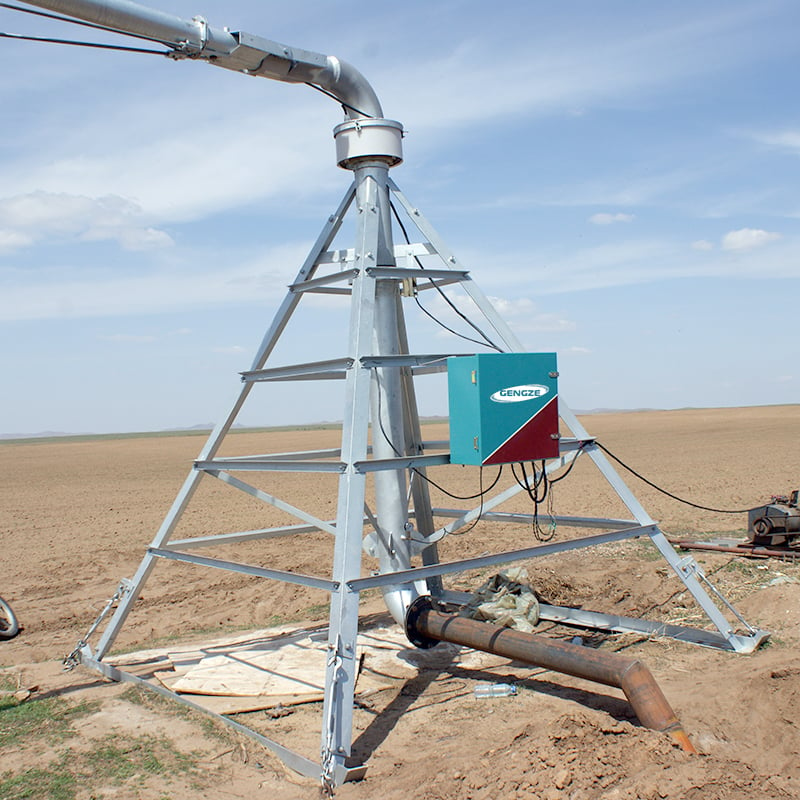
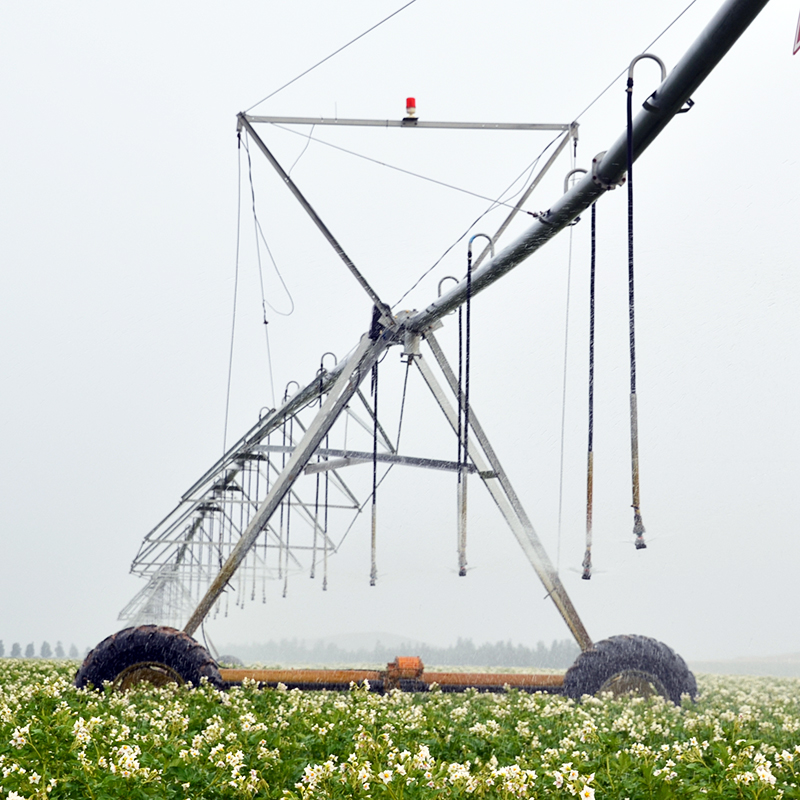
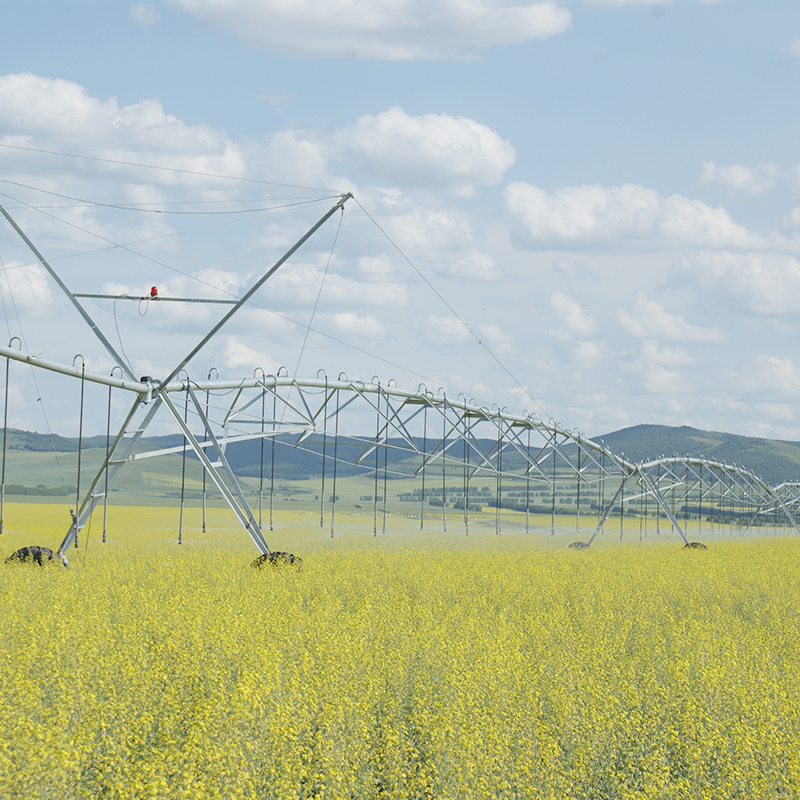
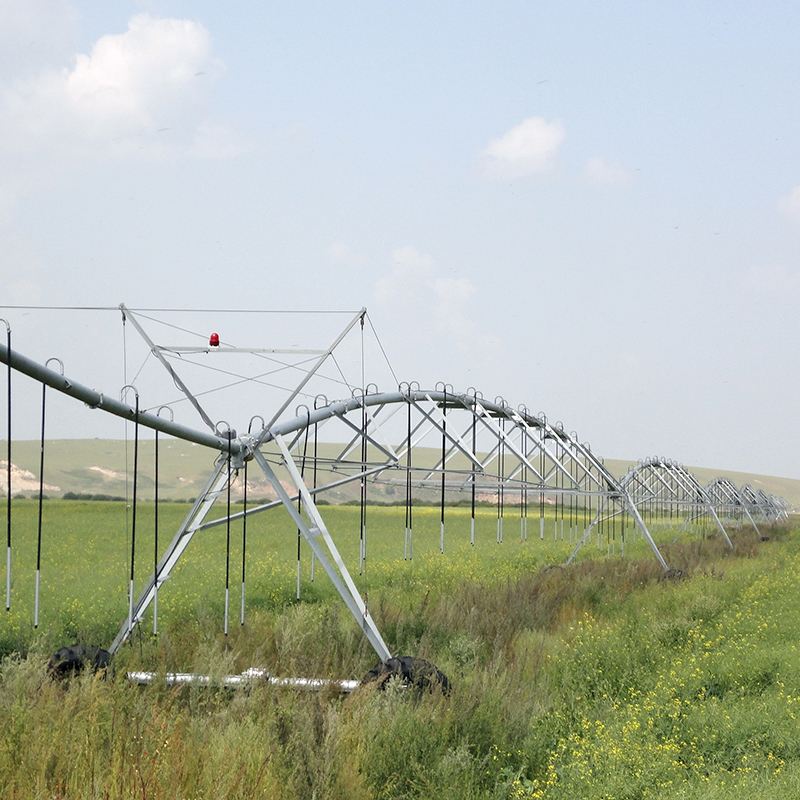
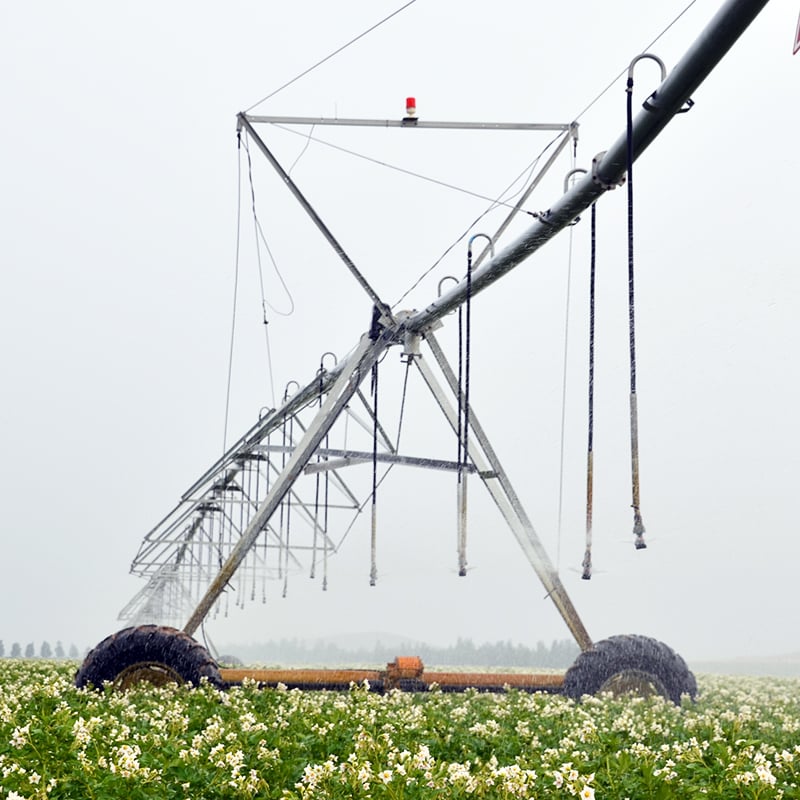
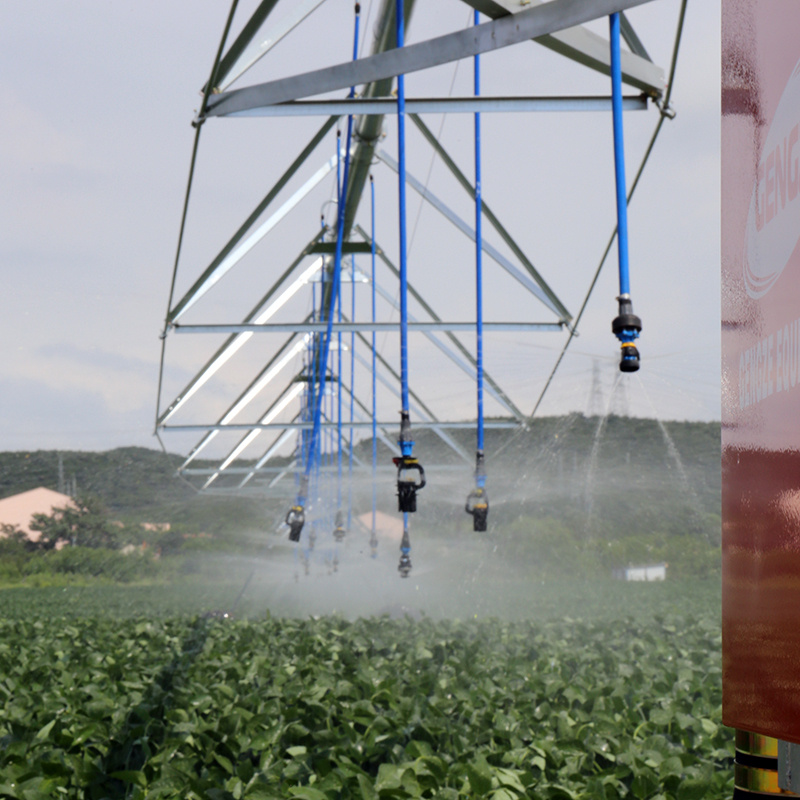
When evaluating center pivot irrigation systems, crucial specifications to consider include the length of the pivot, the span width, and the type of sprinkler heads used. The length typically varies from 100 to 2,000 feet, allowing customization based on field size. The span width, which can range from 30 to 80 feet, affects coverage and efficiency.
Additionally, consider the materials used in construction. High-strength steel is commonly used for frames, while UV-resistant plastics are often utilized for sprinkler heads to withstand harsh weather conditions. Buyers should also confirm the system’s operating pressure, usually between 40 to 100 psi, as this impacts water distribution and efficiency.
Understanding the hydraulic capabilities is also vital. The flow rate, measured in gallons per minute (GPM), should align with the crop's water needs and local climate conditions. Finally, ensure the system is equipped with advanced control technologies, such as GPS and moisture sensors, to enhance automation and precision irrigation.
Quality control in center pivot irrigation manufacturing is a multi-step process that ensures the final product meets stringent industry standards. This begins with raw material inspection, where the quality of steel and plastics is assessed for durability and performance. Once materials pass inspection, they undergo a series of manufacturing steps, including welding, assembly, and painting.
Each stage is monitored to ensure compliance with specifications. For instance, welds are inspected to ensure structural integrity, while finished products are tested for performance under simulated operating conditions. Dalian Gengze Agricultural Equipment Manufacturing Co., Ltd. employs rigorous quality standards, including adherence to ISO certifications, to guarantee the solar center pivot irrigtaion reliability and efficiency of its irrigation systems.
Buyers should request information on the quality control process and any certifications the manufacturer holds. This transparency builds trust and allows buyers to assess the product's reliability before making a purchase.
When implementing center pivot irrigation systems, buyers may encounter several common problems. One frequent issue is uneven water distribution, often caused by clogs in the sprinkler heads or improper system calibration. Regular maintenance and cleaning of the sprinkler heads can mitigate this issue, ensuring consistent water application.
Another common problem is mechanical failure, typically resulting from wear and tear or poor-quality components. It’s advisable to work with manufacturers that offer high-quality materials and a robust warranty. Regular inspections and maintenance schedules can help identify potential failures before they escalate.
Additionally, electrical issues can affect automated systems, leading to operational downtime. Implementing routine checks on electrical components and investing in surge protection can prevent such disruptions. Understanding these challenges and their solutions will help buyers maintain optimal system performance.
Center pivot irrigation systems play a significant role in modern agriculture by enabling efficient water usage and supporting various crops. They are particularly effective for large-scale farming operations, where consistent irrigation is essential for maximizing yields.
These systems are commonly used in the center pivot and linear move irrigation ultivation of high-demand crops such as corn, soybeans, and wheat, offering precise water application tailored to the crop’s growth stage. Additionally, they can be adapted for use in specialty crops, such as fruits and vegetables, where careful water management is crucial.
Moreover, center pivot systems are increasingly integrated with precision agriculture technologies. This includes soil moisture sensors and automated control systems that adjust watering schedules based on real-time data, leading to enhanced resource management and reduced waste.
When selecting a center pivot irrigation system for your project, comparing various options is essential to ensure you meet your specific agricultural needs. Start by evaluating the manufacturer’s reputation, experience in the industry, and previous projects. Dalian Gengze Agricultural Equipment Manufacturing Co., Ltd. has over 20 years of experience in manufacturing agricultural equipment, providing a reliable reference point.
Next, consider the customization capabilities offered by different manufacturers. Depending on the crop type, field size, and terrain, the ability to customize the pivot length, control systems, and sprinkler types can significantly impact performance and efficiency.
Pricing is another critical factor. It’s important to understand the best center pivot irrigation system total cost of ownership, which includes initial purchase price, installation costs, and ongoing maintenance expenses. Request detailed quotations that outline these factors to make an accurate comparison.
Lastly, examine the support and service options provided by the manufacturer. A reliable supplier should offer comprehensive customer support, including installation assistance, training, and troubleshooting services, ensuring you maximize your investment in a center pivot irrigation system.
By carefully considering these aspects, buyers can make informed decisions that align with their operational goals and budget, ultimately enhancing their agricultural productivity.

Dalian Gengze Agricultural Equipment Manufacturing Co.,Ltd
Copyright © Dalian Gengze Agricultural Equipment Manufacturing Co.,Ltd All Rights Reserved | Blog | Privacy Policy
 EN