Requesting a Call:
Online Support
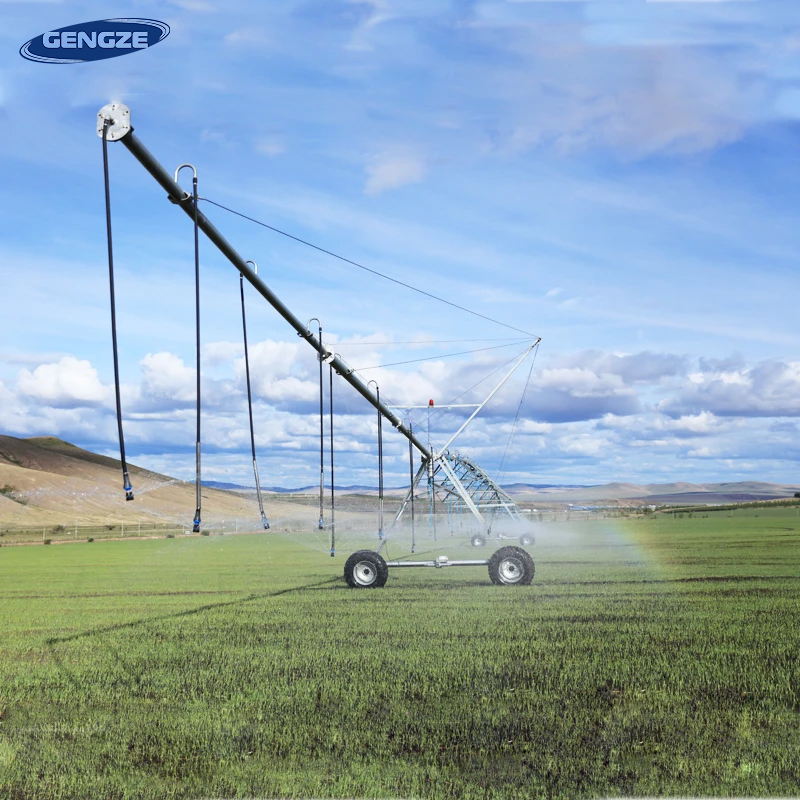
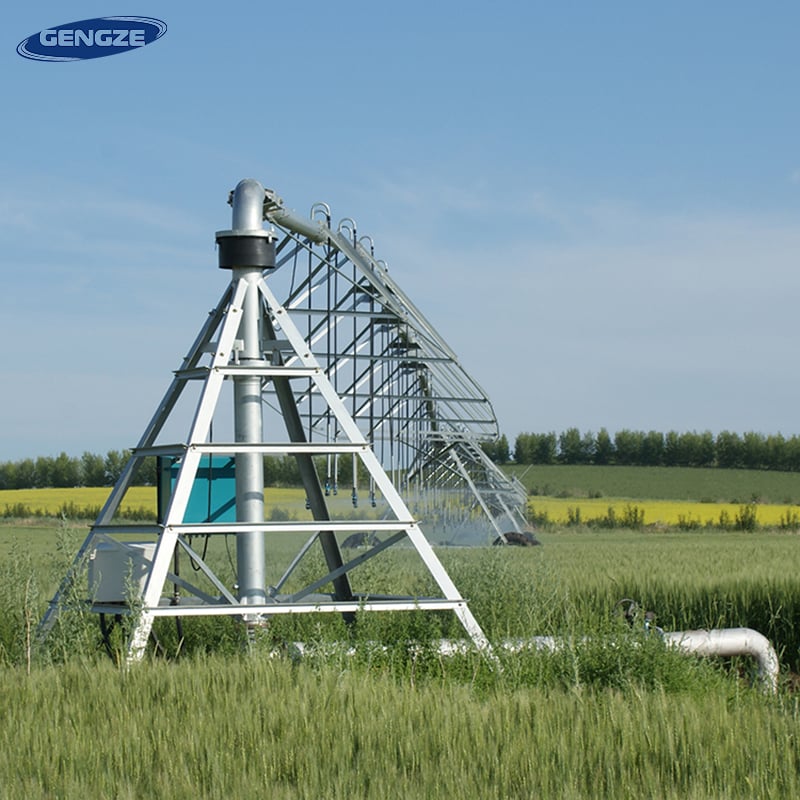
Center pivot irrigation systems are essential for modern agriculture, allowing farmers to efficiently water their crops while minimizing waste. As a center pivot irrigation supplier, Dalian Gengze Agricultural Equipment Manufacturing Co., Ltd has over 20 years of experience in manufacturing high-quality agricultural equipment. This article will address key considerations for evaluating center pivot irrigation systems, including quality assessment, specifications, cost factors, installation guidance, and material advantages. Understanding these aspects will empower purchasing managers, distributors, and agricultural professionals to make informed decisions when selecting irrigation solutions.
When assessing the quality of center pivot irrigation systems, buyers should consider several key factors. First, examine the construction and design of the system. High-quality systems are engineered for durability and efficiency, featuring robust materials that can withstand varying weather conditions and soil types. Look for systems that have undergone rigorous testing to ensure they perform well under stress.
Additionally, it's essential to evaluate the manufacturer’s reputation and experience. A supplier like Dalian Gengze, with over two decades in the industry and a proven track record as an OEM for a leading U.S. center pivot irrigation machine, offers the assurance of reliability and expertise. Ensure that the supplier provides certifications or quality control processes that reflect their commitment to excellence.
Lastly, consider user feedback and case studies from existing customers. Real-world performance insights can highlight both strengths and potential weaknesses that may not be evident from specifications alone.
When selecting a center pivot irrigation system, several specifications are critical for ensuring optimal performance:
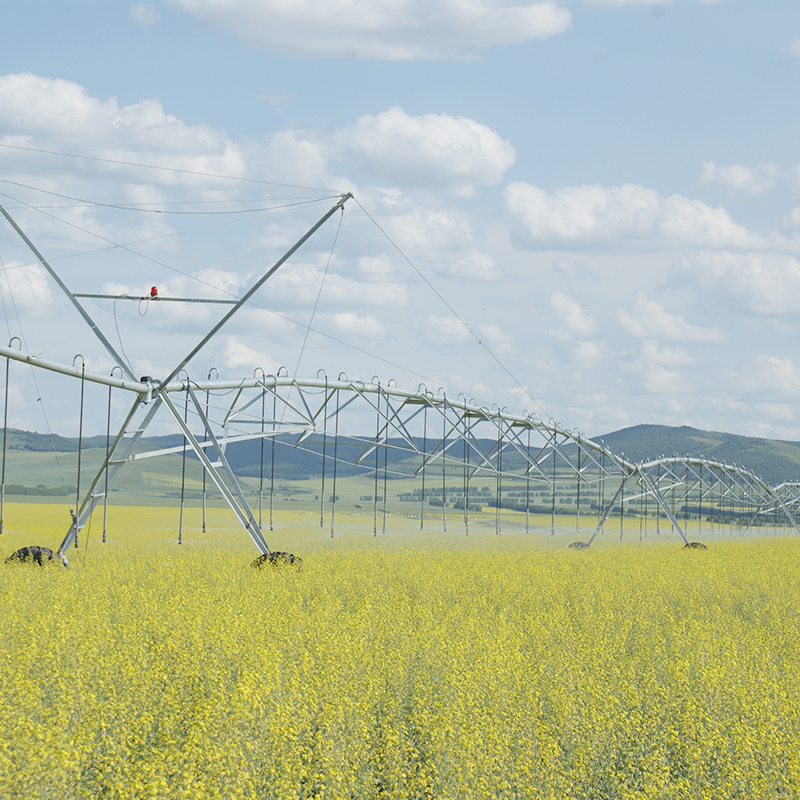
Span Length: The distance between towers directly affects the coverage area and efficiency of water application. Longer spans can cover larger fields but may require more powerful pumps.
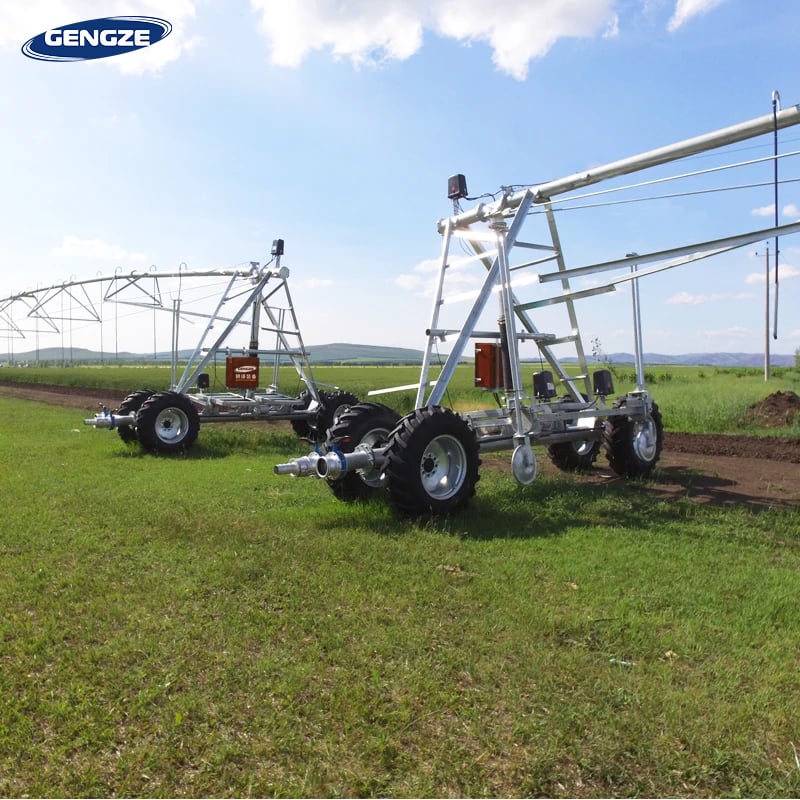
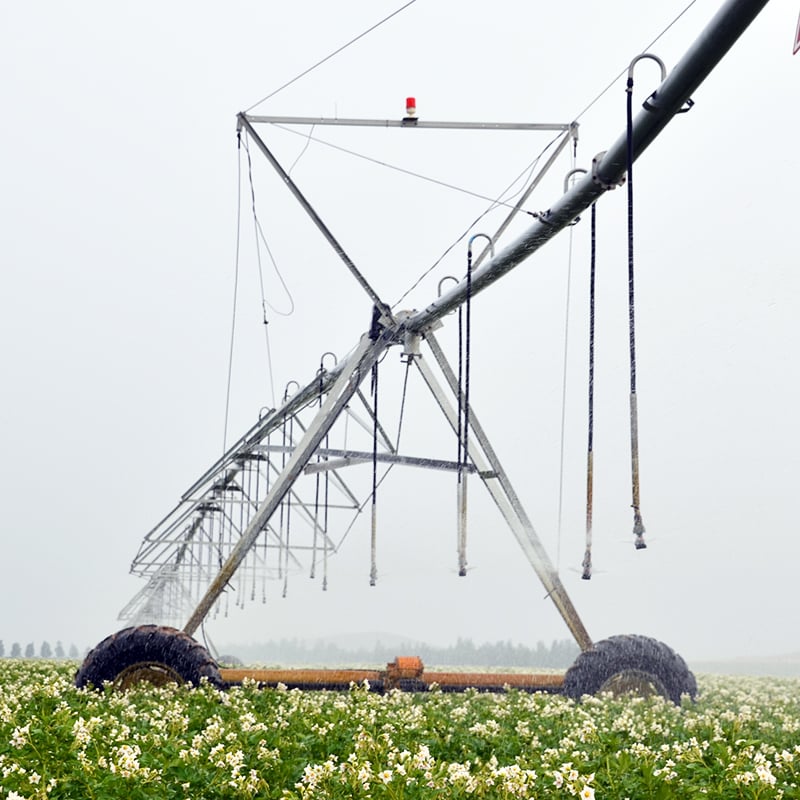
Drive Mechanism: The choice between electric or hydraulic drives can impact both initial costs and long-term maintenance. Electric drives typically offer lower operating costs, while hydraulic systems may be preferred for rough terrain.
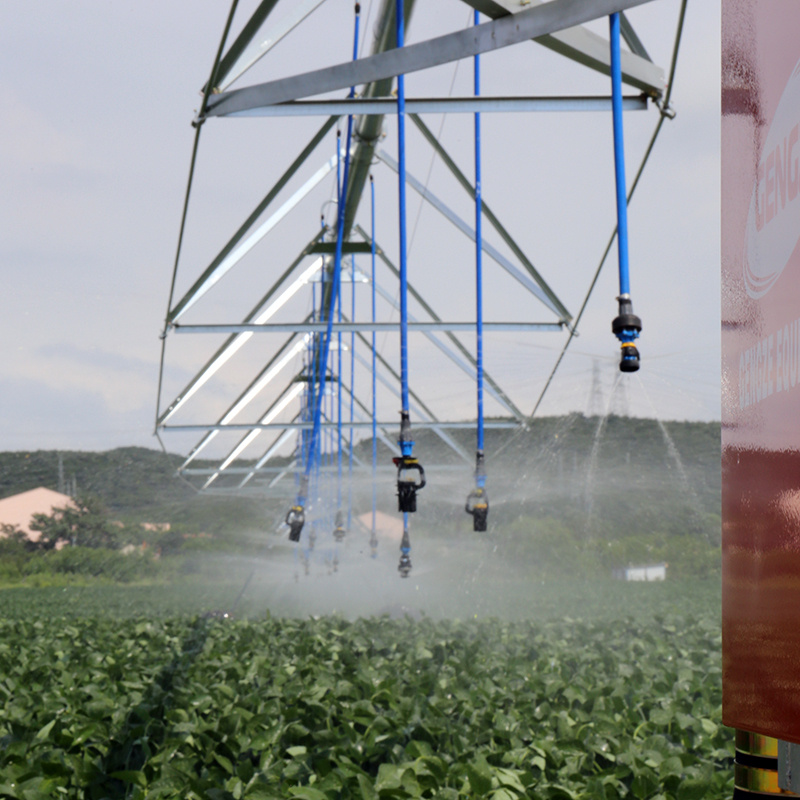
Water Application Rate: This specification determines how quickly water is applied to the crops and should align with the needs of the specific crop type and soil conditions. Over-application can lead to runoff, while under-application can stress plants.
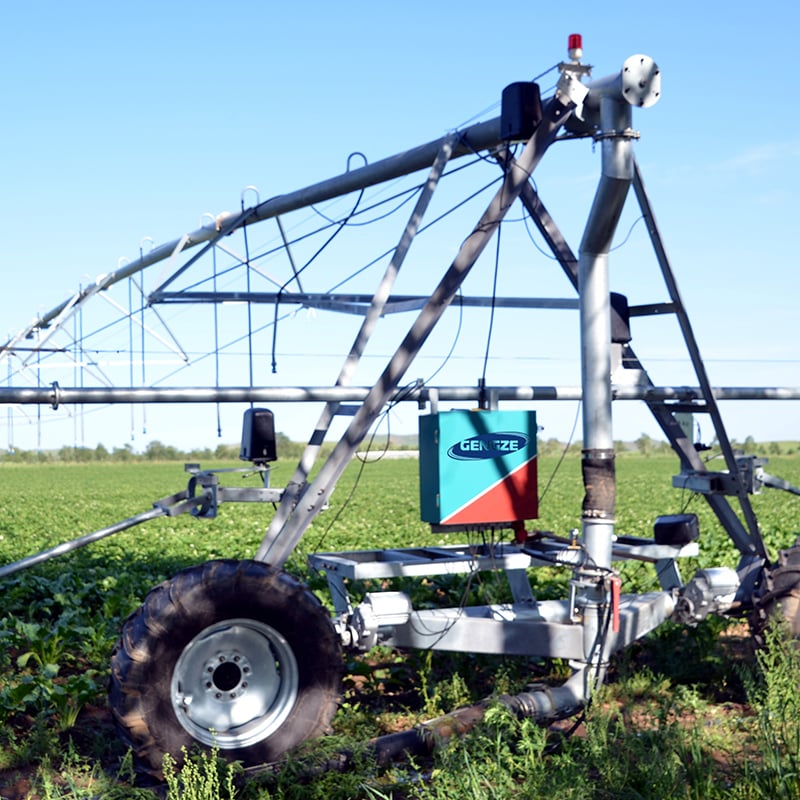
Control Systems: Modern systems often include advanced control technologies that allow for remote monitoring and management. Features like variable rate irrigation (VRI) can optimize water usage based on field variability.
Durability and Material Quality: Look for systems made from corrosion-resistant materials, such as galvanized steel or high-density polyethylene, to enhance longevity and reduce maintenance costs.
Understanding these specifications and how they relate to your specific agricultural needs is crucial for making an informed purchase.
The overall cost of center pivot irrigation systems encompasses several components that buyers should evaluate:
Initial Purchase Price: This includes the cost of the system itself, as well as any additional features or technologies that may be necessary for your operation.
Installation Costs: Proper installation is critical for effective operation. This may involve site preparation, electrical work, and the installation of pumps or control systems. Engaging experienced professionals can help avoid costly mistakes.
Operating Costs: Consider ongoing operational costs, including electricity for pumps, maintenance expenses, and potential water fees. A system that uses water efficiently may offer long-term savings that offset a higher initial cost.
Customization Options: Custom-built systems can address unique field conditions but may involve additional costs. It’s essential to evaluate whether these customization options provide sufficient benefits to justify the expense.
Financing and Incentives: Investigate available financing options, as well as any government incentives for water conservation technologies, which can significantly affect the total cost of ownership.
By thoroughly assessing these cost factors, buyers can better understand the financial implications of their investment in irrigation technology.
Proper installation of center pivot irrigation systems is vital for maximizing their efficiency and longevity. Here are key considerations for a successful installation:
Site Assessment: Conduct a thorough evaluation of the field to determine the most suitable location for the pivot system. Factors such as topography, soil type, and existing infrastructure should be taken into account.
Professional Installation: Engage experienced technicians who are familiar with the specific requirements of center pivot systems. Proper installation ensures that the system operates as designed and reduces the risk of future complications.
Alignment and Calibration: Ensure that the system is correctly aligned to avoid uneven water distribution and overlapping coverage. Calibration of the control systems is also essential to optimize performance and water usage.
Testing and Adjustments: After installation, conduct a series of tests to verify that the system operates effectively. Adjustments may be needed to achieve the desired application rates and coverage patterns.
By following these guidelines, agricultural professionals can ensure that their small center pivot irrigation system are set up for success from the outset.
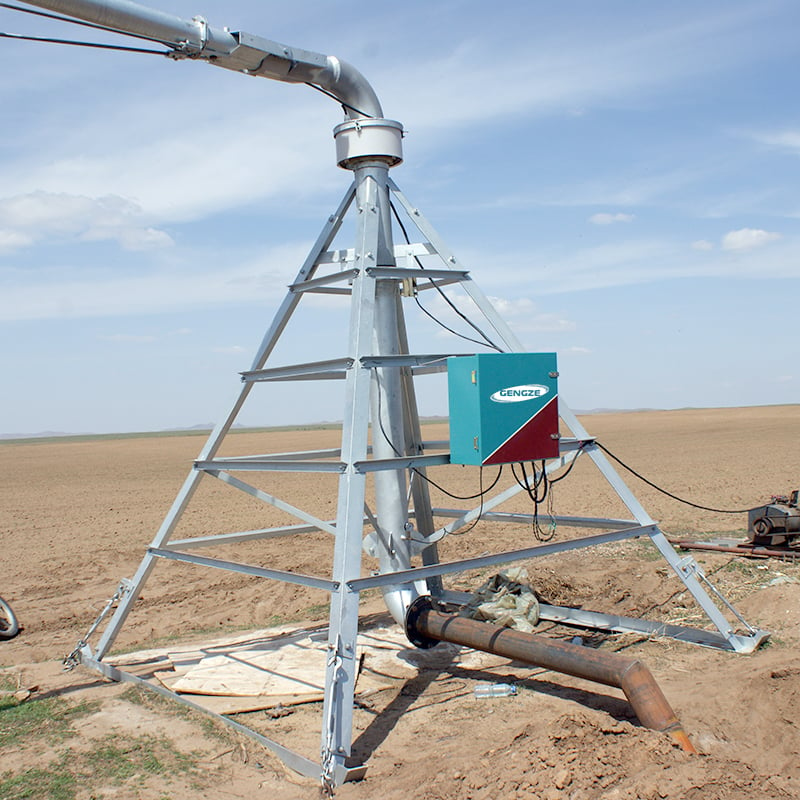
The materials used in center pivot irrigation systems significantly impact their performance, durability, and maintenance requirements. Here are some material considerations:
Galvanized Steel: This is a common choice for structural components due to its strength and resistance to corrosion. High-quality galvanized steel can last for many years, even in harsh environmental conditions.
Aluminum: Lightweight and resistant to corrosion, aluminum is often used for various components. It can reduce the overall weight of the system, making it easier to install and operate.
High-Density Polyethylene (HDPE): This material is often used for pipes and fittings due to its durability and resistance to chemicals. HDPE is less likely to corrode compared to metal options, providing a longer lifespan.
Composite Materials: Some manufacturers are now using composite materials that combine the benefits of different substances, offering enhanced performance in specific applications.
When selecting materials, it’s essential to consider the specific environmental conditions of the field, such as soil salinity and moisture levels, as well as the overall design of the pivot system. Consulting with an experienced supplier can help ensure that the chosen materials align with the operational needs and longevity expectations of the system.
By understanding these material advantages, buyers can make informed decisions that contribute to the overall effectiveness and efficiency of their best center pivot irrigation system.

Dalian Gengze Agricultural Equipment Manufacturing Co.,Ltd
Copyright © Dalian Gengze Agricultural Equipment Manufacturing Co.,Ltd All Rights Reserved | Blog | Privacy Policy
 EN