Requesting a Call:
Online Support
The center pivot irrigation system is a vital component in modern agricultural practices, providing efficient watering solutions for various crops. As a potential buyer searching for a center pivot irrigation supplier for sale, your primary concerns likely include product quality, supplier reliability, and cost-effectiveness. This article aims to guide you through the key considerations when choosing a supplier, evaluating system quality, understanding cost factors, installation guidance, and the applications of center pivot irrigation in contemporary farming.
When selecting a Center Pivot Irrigation supplier, consider several critical factors to ensure you partner with a reliable manufacturer. First, assess the supplier's experience in the industry. A company like Dalian Gengze Agricultural Equipment Manufacturing Co., Ltd., with over 20 years in agricultural equipment, offers a wealth of expertise that can be beneficial.
Next, examine their product range and customization capabilities. A supplier that provides various models and specifications can better meet your specific needs. Additionally, it’s important to verify their manufacturing capabilities, including the technology and equipment they utilize in production. This can significantly impact the quality and efficiency of the irrigation systems.
Furthermore, look for certifications that demonstrate compliance with industry standards, which can be indicative of a supplier's commitment to quality. Finally, consider their export experience. A supplier with a robust global presence is likely to have a better understanding of international shipping regulations and logistics, ensuring timely delivery.
To ensure you're investing in a high-quality center pivot irrigation system, it’s essential to evaluate several key specifications. Start with the material used in construction. Durable materials such as galvanized steel or high-density polyethylene (HDPE) are often preferred for their resistance to corrosion and UV degradation, which can extend the lifespan of the system.
Next, consider the system's design and functionality. Effective center pivot systems should have adjustable rotation speeds and the ability to cover varying field shapes. Additionally, check for features like automated controls and advanced technology integration, which can enhance efficiency and ease of use.
Quality control processes are also vital. Ensure the supplier conducts thorough inspections during production, including testing the system under real-world conditions. Request documentation of quality assurance protocols and any relevant testing results, which can provide insights into the reliability of the irrigation system.
Cost is a crucial factor when purchasing irrigation equipment, and several elements can influence pricing. Understanding these factors can help you make a more informed decision. First, the type of materials used in the construction of the system can significantly affect costs; higher-quality materials may have a higher upfront price but can lead to lower maintenance costs and longer service life.
Installation costs should also be considered. Some suppliers may offer installation services, while others may provide equipment only, necessitating separate hiring of installation professionals. Be sure to factor in these potential costs when budgeting for your irrigation system.
Additionally, consider the total cost of ownership, which includes maintenance, energy consumption, and replacement parts over time. A more efficient system might have a higher initial cost but can save money in the long run through reduced water usage and lower energy bills.
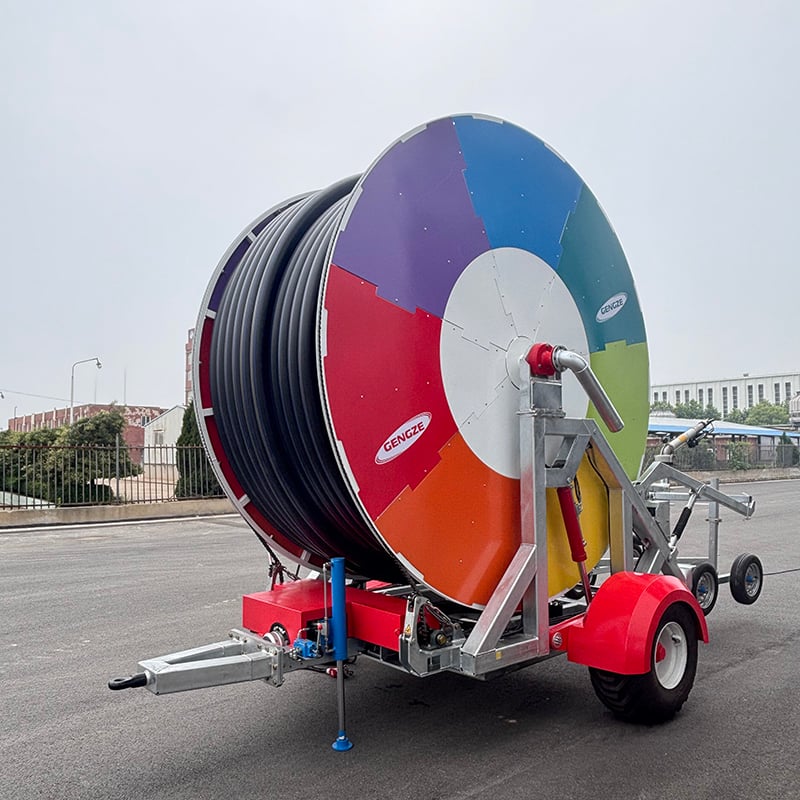
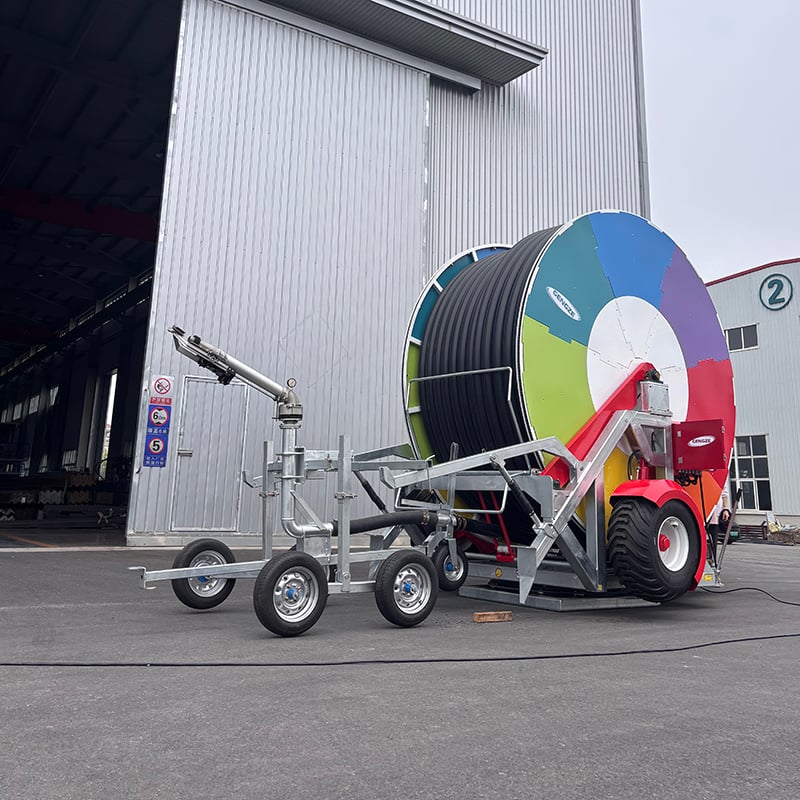
Proper installation is key to the optimal performance of Towable Center Pivots systems. Begin by assessing the field layout and soil type, as these factors will influence the system's design and configuration. Ensure that the supplier provides detailed installation manuals and support, including any necessary technical drawings or diagrams.
When planning installation, consider the terrain and any potential obstacles that may hinder the movement of the pivot system. It's also important to establish a reliable power source and ensure that the water supply meets the system's requirements.
Finally, conducting a test run after installation is crucial. This will help identify any adjustments needed for proper operation, such as optimizing the rotation speed and ensuring even water distribution. Proper setup and testing can prevent issues that may arise during operation.
Center pivot irrigation systems are versatile and can be employed in various agricultural applications. They are particularly effective for large-scale crop production, including cereals, grains, and cash crops. The ability to cover large areas efficiently makes them an optimal choice for farmers looking to maximize yield while minimizing water waste.
Moreover, these systems are well-suited for diverse terrains, including flat, slightly sloped, and even rolling fields. They can also accommodate various crop types, adapting to the specific water needs of different plants. This adaptability is essential for farmers aiming to enhance productivity in response to changing climate conditions.
In addition to traditional farming, center pivot irrigation systems can be utilized in specialized applications such as horticulture and landscape irrigation. Their precision in water application helps maintain soil moisture levels, promoting healthy plant growth and minimizing the risk of over-irrigation.
By understanding these applications, you can better evaluate how a Hose Reel Irrigation system can benefit your specific agricultural needs.
In summary, when seeking a center pivot irrigation supplier for sale, it's essential to consider the supplier's experience, product quality, cost factors, installation guidance, and application versatility. Dalian Gengze Agricultural Equipment Manufacturing Co., Ltd., with its extensive experience and range of products, can be a valuable partner in meeting your agricultural irrigation needs.

Dalian Gengze Agricultural Equipment Manufacturing Co.,Ltd
Copyright © Dalian Gengze Agricultural Equipment Manufacturing Co.,Ltd All Rights Reserved | Blog | Privacy Policy
 EN