Requesting a Call:
Online Support
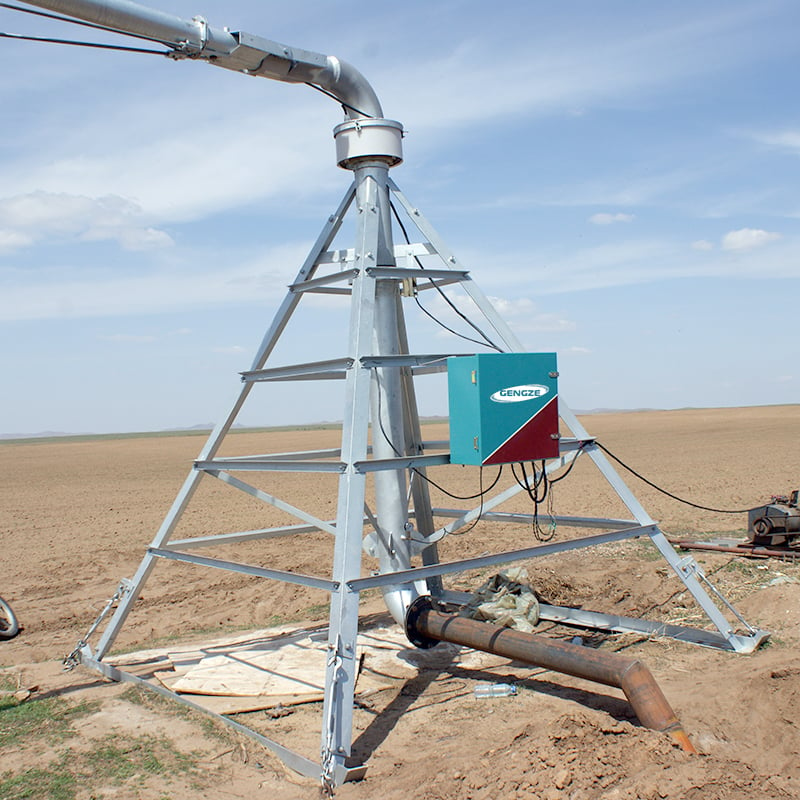
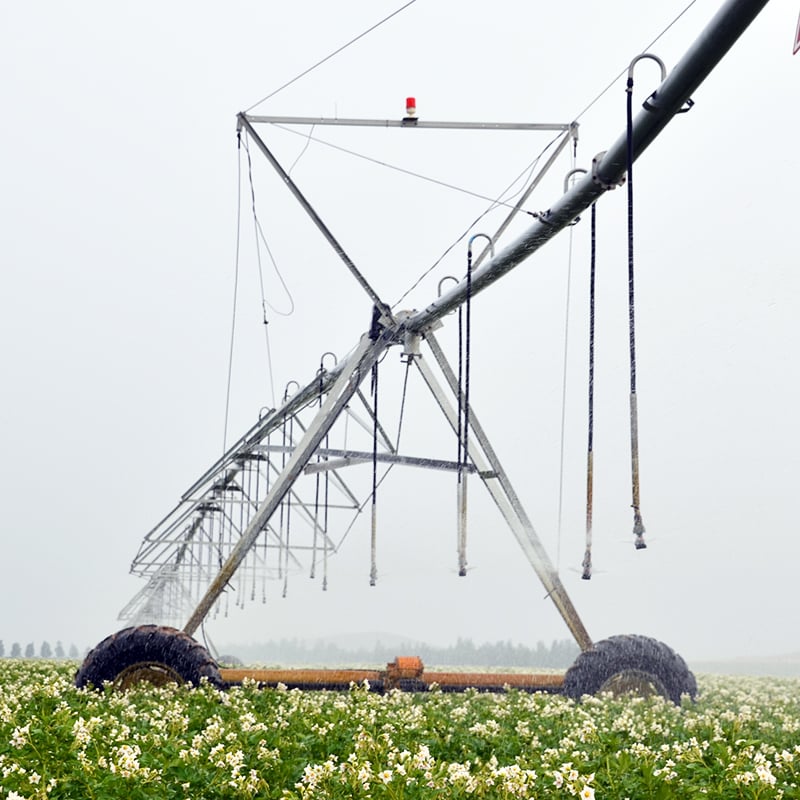
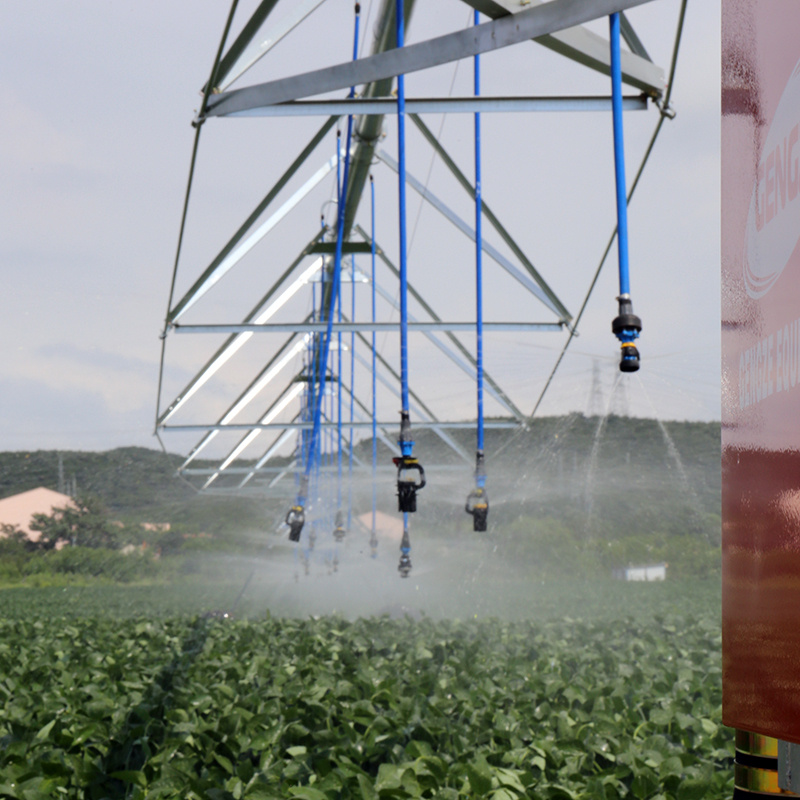
Understanding the installation cost of a center pivot irrigation system is crucial for agricultural businesses looking to enhance their farming efficiency. This system, designed to deliver water uniformly across a field, can significantly impact crop yield and resource management. However, potential buyers often grapple with questions regarding pricing, features, and overall value, which this article aims to clarify. Whether you're a purchasing manager, a distributor, or an engineer, understanding the elements that contribute to installation costs will help you make informed decisions.
When evaluating the overall installation cost of a center pivot irrigation system, several factors come into play. First, the size and configuration of the system directly influence the cost. Larger fields require more extensive systems, which increases both material and labor expenses. Additionally, the terrain type, whether flat, rolling, or hilly can affect installation complexity and, consequently, costs.
Second, the irrigation system's specifications are vital. High-efficiency models or those with advanced features such as variable rate irrigation or remote monitoring tend to have higher upfront costs. However, these features can lead to long-term savings through optimized water usage and reduced labor costs. Third, local labor rates and the availability of skilled technicians can also impact installation expenses. In regions with a higher cost of living, labor costs may significantly increase the overall investment.
Finally, site preparation may be necessary before installation, which can include land leveling or infrastructure improvements. This preparatory work should be factored into your budget as it can add to the overall installation cost.
Selecting the appropriate center pivot irrigation system involves assessing your specific agricultural needs, crop types, and water availability. Begin by determining the size of the area you need to irrigate. The choice between a full-circle or part-circle system will depend on the land layout and crop rotation plans.
Next, consider the type of crops you are cultivating. Different crops have varying water requirements, and selecting a system that can cater to these needs is essential for maximizing yield. For instance, high-value crops may benefit from more precise irrigation methods like drip systems integrated into the center pivot.
Also, evaluate the water source and quality. Systems require adequate water pressure, and understanding the source's reliability is key. Factors such as water salinity and potential contaminants should be assessed to ensure the system performs optimally without damage.
Lastly, consider future scalability. If you plan to expand your operations, investing in a more adaptable center pivot system from the outset may save costs in the long run.
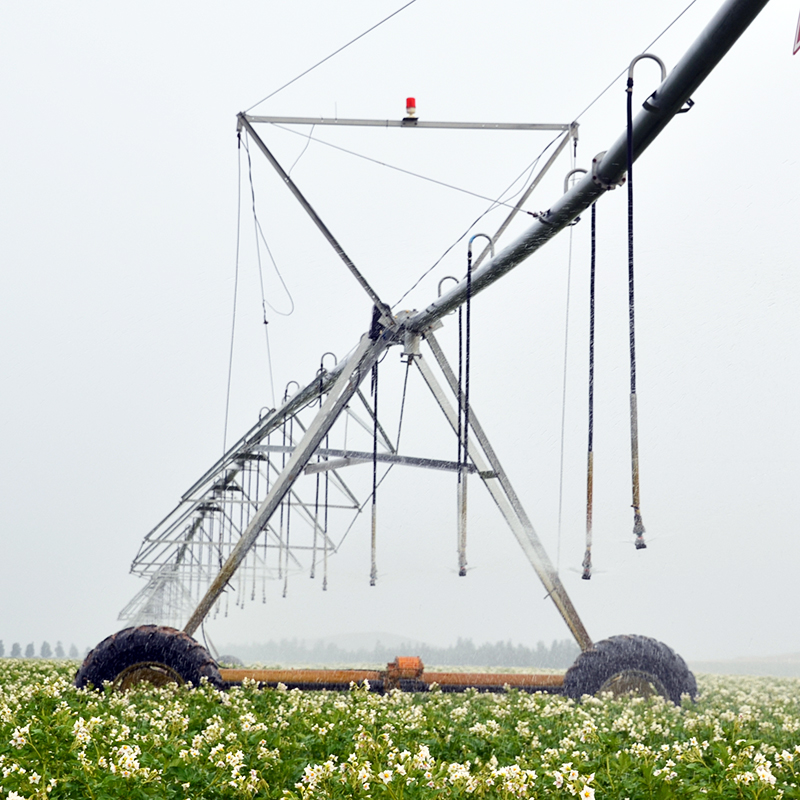
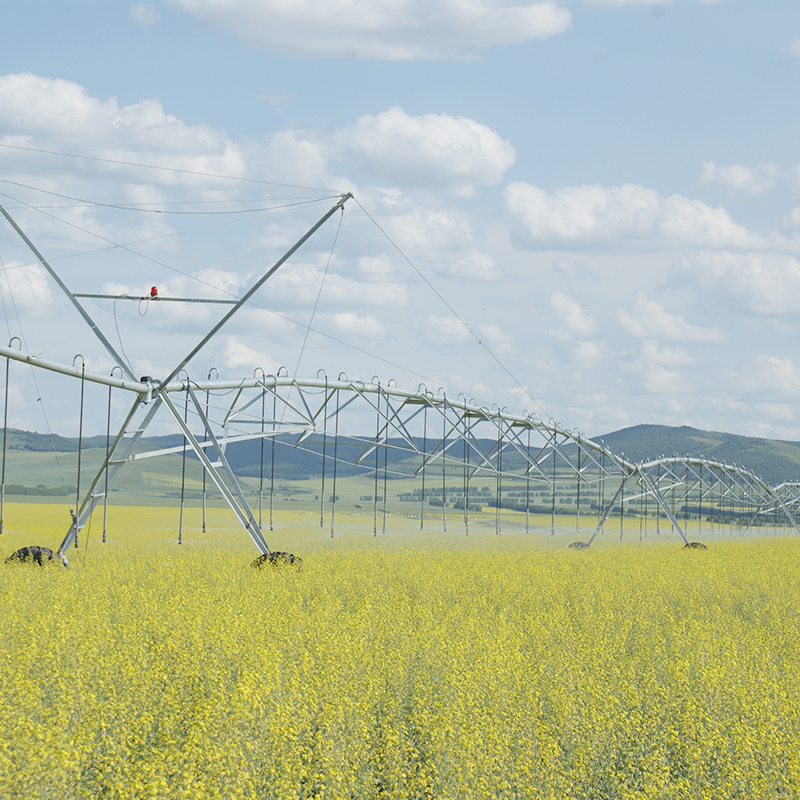
Center pivot irrigation systems offer several advantages over traditional irrigation methods. Unlike surface irrigation, which can lead to uneven water distribution and wasted resources, center pivots provide uniform coverage, reducing water runoff and improving soil moisture levels. This efficiency can lead to higher crop yields and lower water usage.
When compared to drip irrigation systems, center pivots have a lower initial investment and require less labor to operate. However, they may not be suitable for all crops, particularly those with higher sensitivity to water application timing and volume, such as some vegetables and fruits.
In contrast, traveling guns or lateral move irrigation systems can offer flexibility in certain applications and are often easier to relocate. However, they may require more manual intervention and have higher operational costs over time.
Ultimately, the choice between these systems should be based on specific agricultural practices, crop types, and budget considerations.
Quality is a significant factor influencing the performance and longevity of center pivot irrigation systems. Key components to consider include the materials used in construction, such as corrosion-resistant steel or high-density polyethylene, which can enhance durability and reduce maintenance needs.
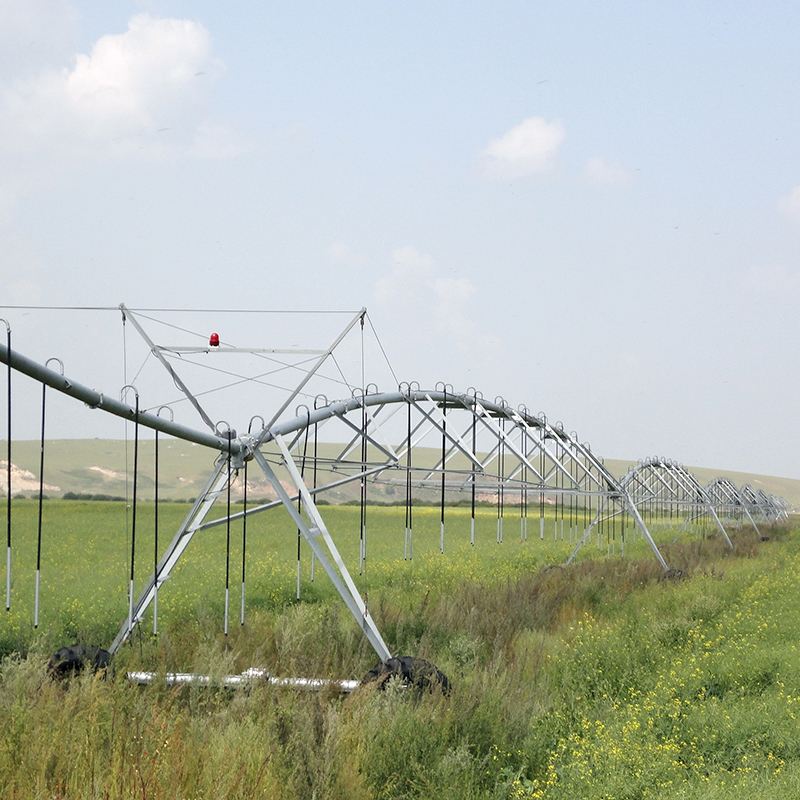
The design of the pivot structure is equally important. A well-engineered irrigation center pivot system can withstand environmental stresses such as wind and soil movement, while inferior designs may lead to costly breakdowns and repairs.
Moreover, the quality of the control systems is vital for ensuring efficient operation. Advanced systems with automated controls and sensors can improve water management and reduce labor costs. Buyers should seek systems that offer reliable warranties and support to safeguard their investment.
Lastly, consider the supplier's reputation and experience. Companies with a proven track record in manufacturing high-quality irrigation systems, like Dalian Gengze Agricultural Equipment Manufacturing Co., Ltd, usually provide better support and more reliable products.
Purchasing center pivot irrigation systems in bulk can lead to significant cost savings and operational efficiencies. By consolidating orders, buyers may secure volume discounts, which can substantially reduce the overall installation cost per unit.
Additionally, bulk purchasing can streamline logistics and reduce shipping costs. Coordinating multiple systems for delivery can minimize transportation expenses and lead to more efficient installation schedules.
Furthermore, establishing a long-term relationship with a manufacturer can result in better negotiation terms, access to new technologies, and priority support services. Suppliers often appreciate ongoing partnerships and may offer tailored solutions or customizations for bulk buyers.
In summary, considering bulk purchases not only enhances cost efficiency but also strengthens supplier relationships, leading to better service and support in the long run.

Dalian Gengze Agricultural Equipment Manufacturing Co.,Ltd
Copyright © Dalian Gengze Agricultural Equipment Manufacturing Co.,Ltd All Rights Reserved | Blog | Privacy Policy
 EN