Requesting a Call:
Online Support
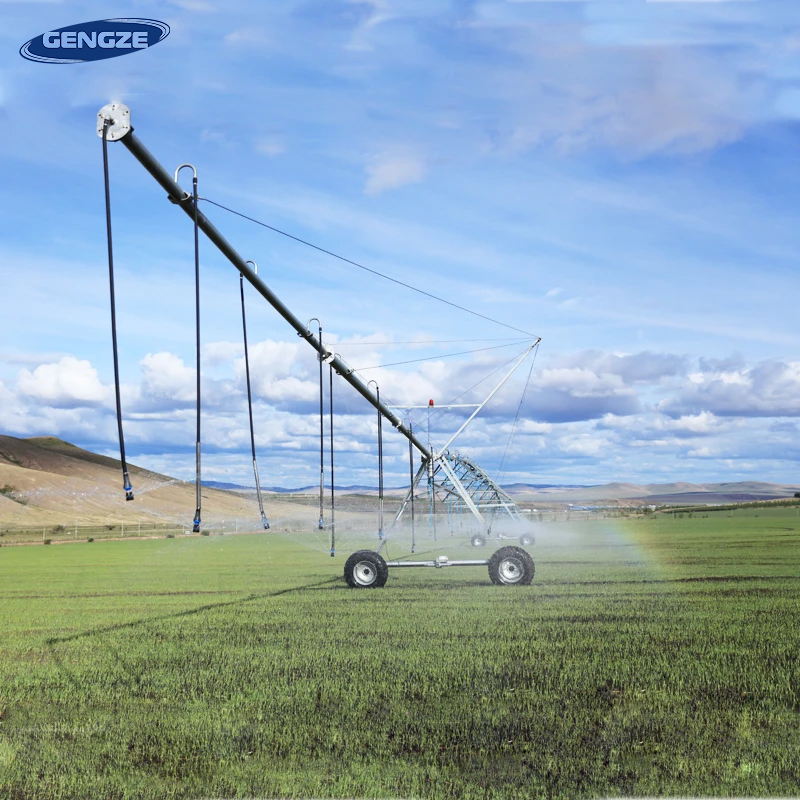
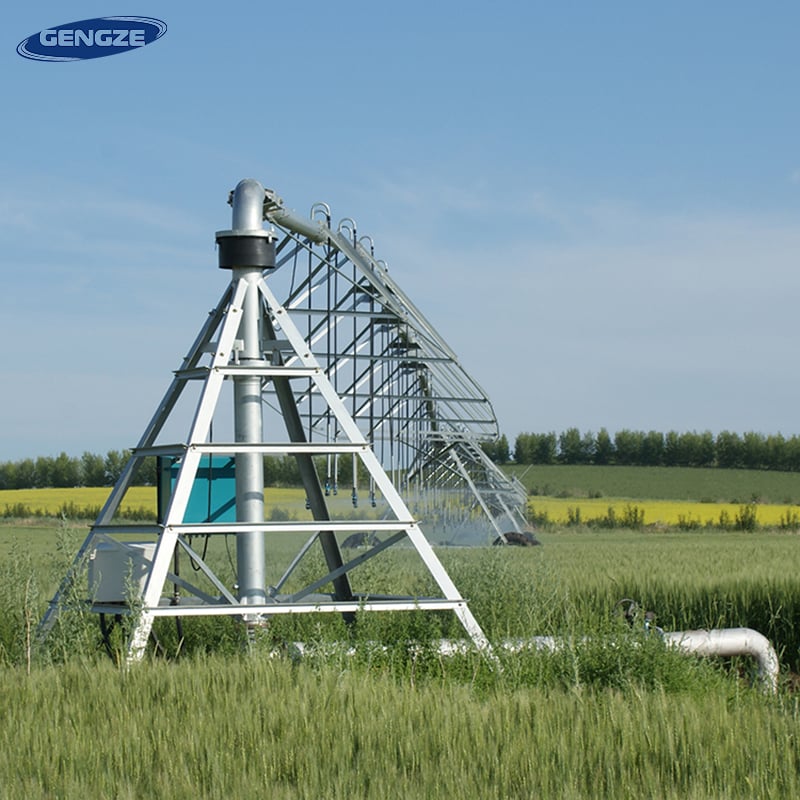
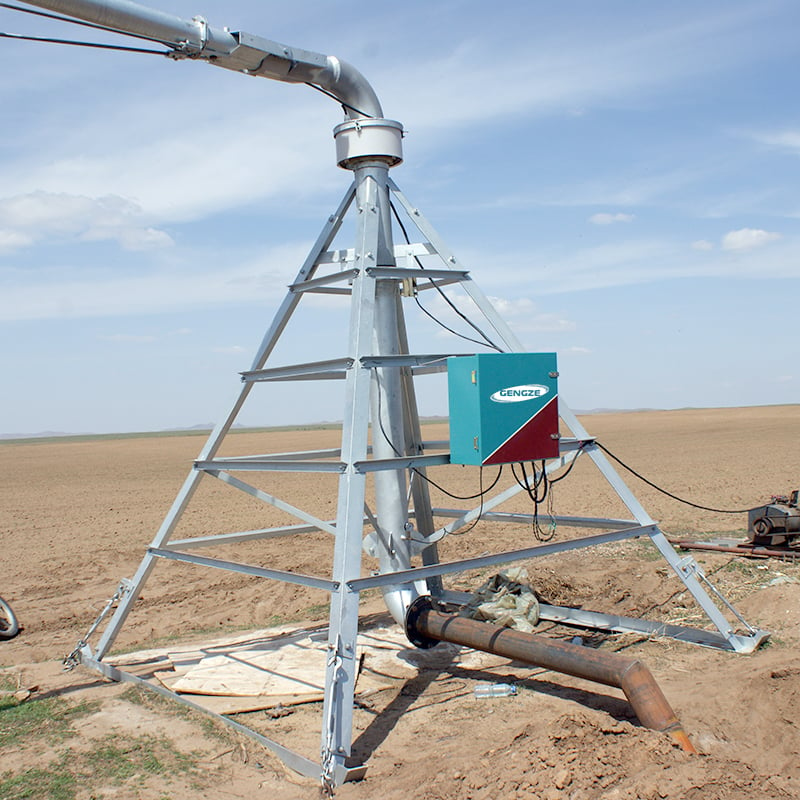
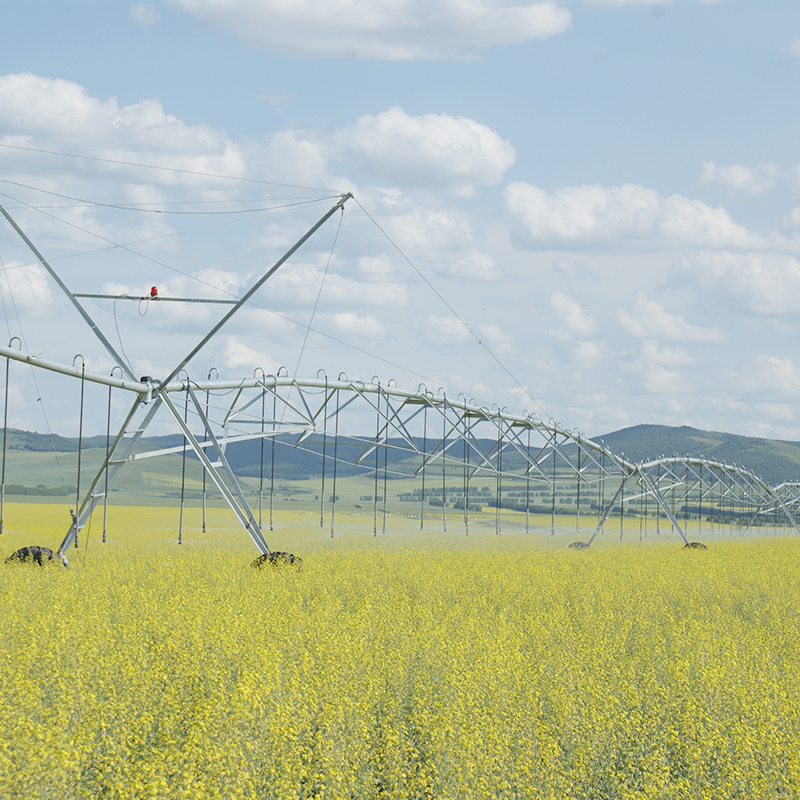
A center pivot irrigator is an essential tool for modern agriculture, designed to efficiently distribute water across large fields. As a B2B buyer, your primary concerns likely revolve around the effectiveness, cost, and reliability of irrigation systems. This article will guide you through understanding center pivot irrigators, focusing on key considerations for wholesale purchasing, helping you make informed decisions for your agricultural operations.
When purchasing center pivot irrigation systems, it’s crucial to evaluate various factors that can affect the performance and suitability of the equipment for your specific agricultural needs. As a buyer, understanding the specifications, capabilities, and potential challenges is essential for ensuring that the chosen system meets your operational requirements.
Typically, center pivot systems come in various configurations and sizes, which can be tailored to the dimensions of your fields. It's important to consider the type of crops being irrigated, soil characteristics, and water availability. Additionally, factors such as the operation’s scale (small, medium, or large) will influence your choice.
Buyers should also assess whether the system is compatible with existing infrastructure, as modifications may lead to increased costs and delays. Lastly, understanding the supplier's reputation for quality and service can significantly impact the long-term satisfaction with your investment.
When evaluating center pivot irrigators, focus on several critical specifications:
Span Length and Configuration: The span length determines how far the system can reach. Longer spans may be necessary for larger fields but can also increase costs and maintenance complexity.
Material Quality: The construction materials, such as galvanized steel or aluminum, affect durability and resistance to the elements. Consider environments where corrosion or extreme weather could impact performance.
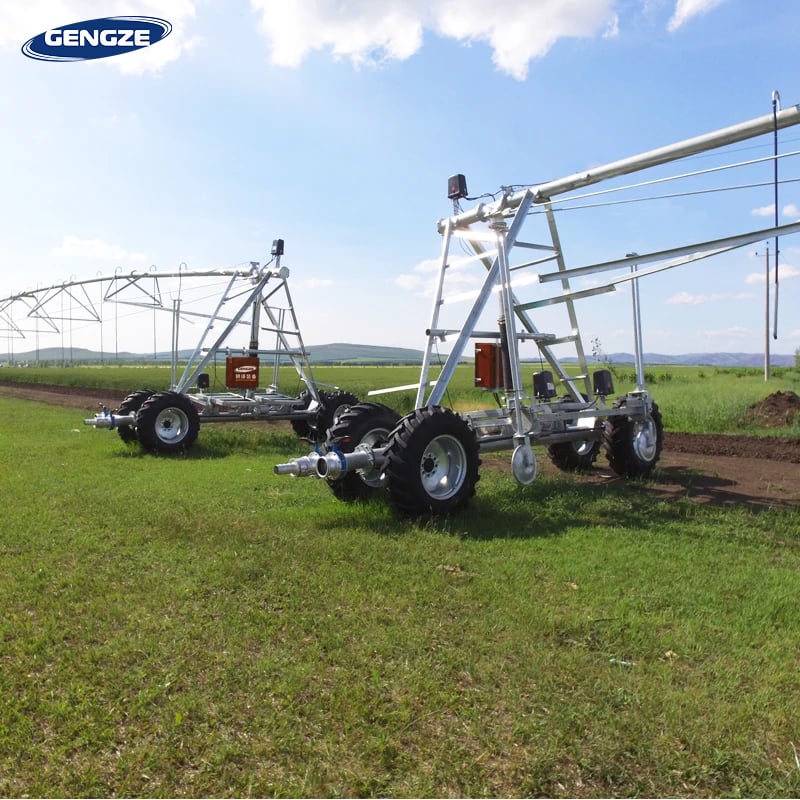
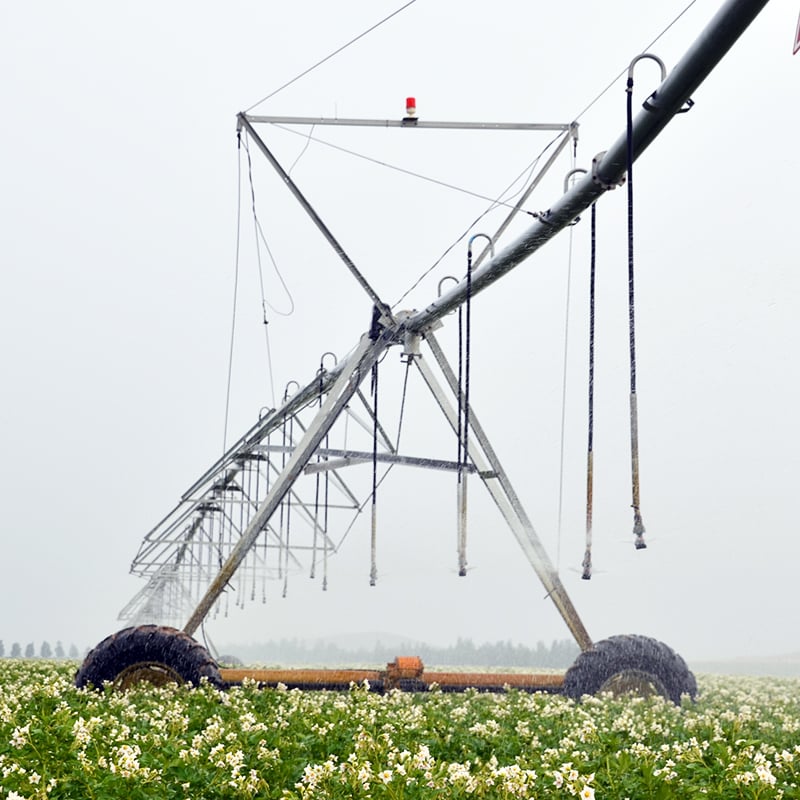
Drive Mechanism: Look for systems with reliable drive mechanisms, such as electric or hydraulic, which influence operational efficiency and maintenance needs.
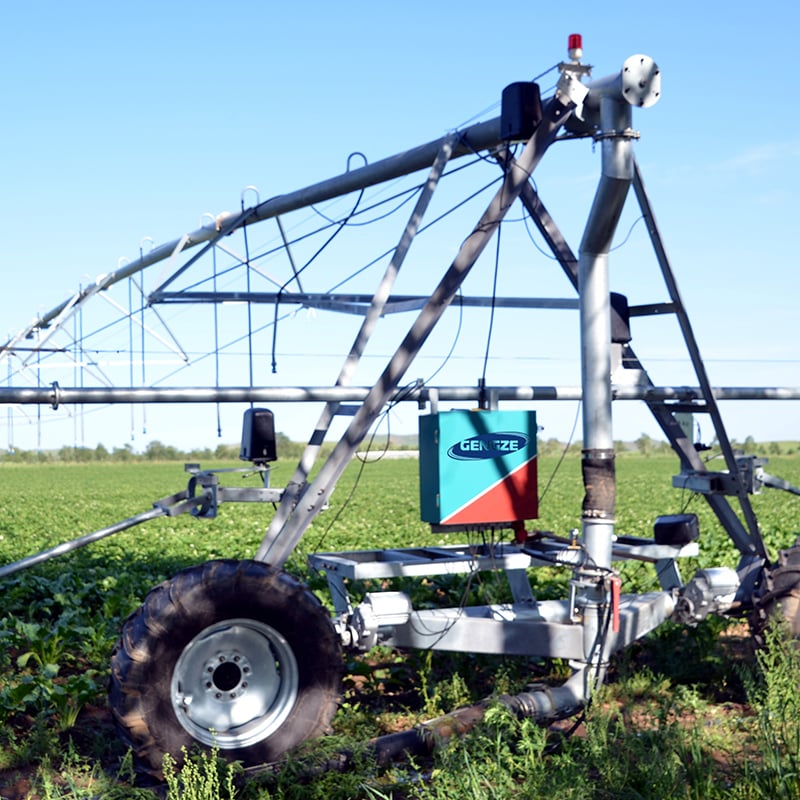
Control Systems: Advanced control systems can offer better water management, allowing for programmable irrigation schedules and remote monitoring capabilities, enhancing productivity.
Customization Options: Depending on your specific needs, inquire about customization options such as varying wheel sizes, tire types, and additional features like variable rate irrigation capabilities.
Understanding these specifications can help ensure that the system you choose aligns with your agricultural goals and operational capacities.
To streamline the purchasing process for a center pivot irrigator, consider the following steps:
Assess Your Needs: Evaluate your field size, crop types, and water requirements to determine the appropriate size and configuration of the solar powered irrigation system.
Research Suppliers: Identify potential manufacturers and suppliers. Assess their experience, product range, and customer service reputation. As an established manufacturer, Dalian Gengze Agricultural Equipment has over 20 years in the industry, offering a strong foundation for reliable equipment.
Request Quotes: Prepare a detailed request for quotation (RFQ) that includes your specific needs, desired features, and any customization requirements. Ensure that you provide information about your operational environment, which can influence system performance.
Evaluate Samples: If possible, request samples or demonstrations of the systems you are considering. This allows you to assess the build quality and functionality firsthand.
Check References: Speak with other buyers or read case studies regarding the supplier's equipment to understand performance in real-world applications.
Negotiate Terms: Once you have identified a preferred supplier, negotiate pricing, warranty, and service agreements to ensure you receive the best overall value.
Finalize the Purchase: After confirming all specifications and terms, finalize the purchase with a formal agreement.
By following this structured approach, you can minimize risks and ensure that your investment in center pivot irrigation is sound.
The cost of center pivot irrigation systems can vary significantly based on several factors:
System Size and Complexity: Larger systems with more features will typically come at a higher price. The complexity of installation and required maintenance should also be considered.
Material and Construction: Systems constructed from more durable materials may have a higher upfront cost but can lead to lower long-term maintenance expenses.
Technology Integration: Systems equipped with advanced technology, such as remote monitoring and automation capabilities, may be more expensive but can improve efficiency and reduce labor costs.
Customization Needs: Custom features can increase both the initial cost and the lead time for delivery. It is vital to balance the need for customization against budget constraints.
Shipping and Installation: Don’t forget to factor in shipping, installation, and potential modifications to existing infrastructure when calculating the total cost of ownership.
Understanding these cost factors will help you budget effectively and make informed decisions regarding your investment in center pivot irrigation systems.
Center pivot irrigators offer numerous features and benefits that can enhance agricultural productivity:
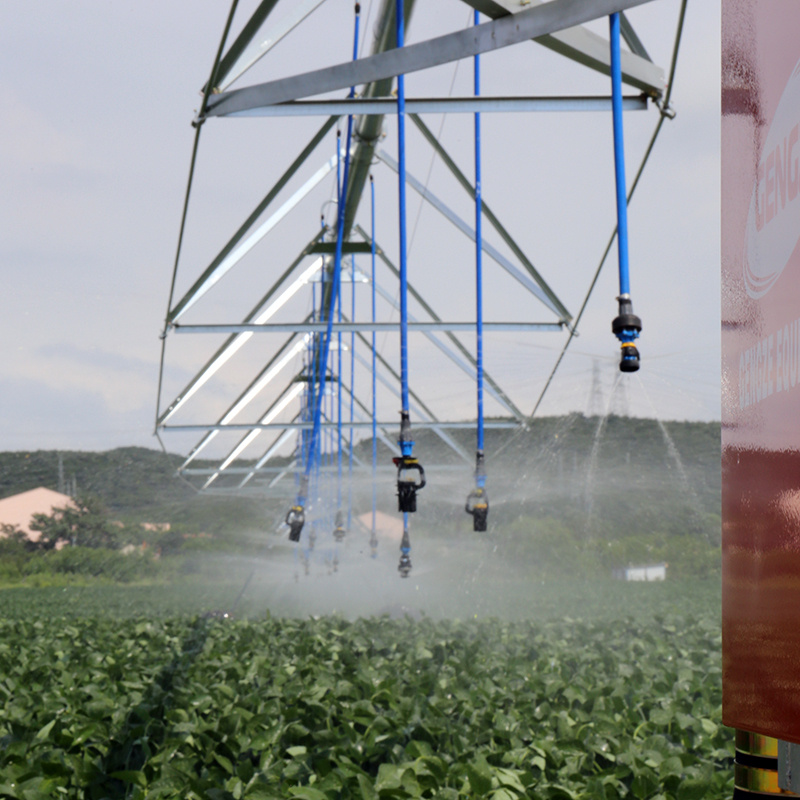
Efficiency: These systems provide uniform water distribution, which can lead to healthier crops and reduced water waste. They can also be programmed to adjust watering schedules based on weather conditions.
Labor Reduction: Automation features reduce the need for manual labor, allowing farm personnel to focus on other critical tasks.
Scalability: As your agricultural operations grow, center pivot systems can be expanded or modified to accommodate larger fields or different crop types.
Durability: High-quality materials and construction ensure a long lifespan for the equipment, which can lead to lower replacement and maintenance costs over time.
Environmental Sustainability: By using water more efficiently, solar center pivot irrigation system contribute to sustainable farming practices, conserving resources and minimizing environmental impact.
In summary, understanding the features and benefits of center pivot irrigation systems, along with practical purchasing guidance, can empower B2B buyers to make informed decisions that enhance productivity and sustainability in their agricultural operations.

Dalian Gengze Agricultural Equipment Manufacturing Co.,Ltd
Copyright © Dalian Gengze Agricultural Equipment Manufacturing Co.,Ltd All Rights Reserved | Blog | Privacy Policy
 EN