Requesting a Call:
Online Support
Investing in a center pivot irrigator is a significant decision for agricultural operations, particularly when evaluating the center pivot irrigator cost. This investment can greatly influence crop yields and operational efficiency. B2B buyers often seek to understand the factors that affect costs, how to select the right system, and reliable suppliers. This article will provide insights into evaluating costs, choosing the right equipment, and uncovering practical applications for different crops.
When evaluating the cost of center pivot irrigators, several factors come into play. Firstly, the size and length of the system are critical. A longer pivot will generally cover a larger area but will also increase the price. Additionally, the material used in the construction—such as galvanized steel versus aluminum—can significantly impact the cost. Galvanized steel offers durability and corrosion resistance, while aluminum is lighter and easier to handle but may not be as robust.
Another key consideration is the technology used in the irrigation system. Advanced control systems with sensors and automation capabilities can enhance efficiency but will also raise the initial investment. Buyers should also factor in installation costs, ongoing maintenance, and potential operational savings when calculating the total cost of ownership. Understanding these elements helps in making a more informed purchasing decision.
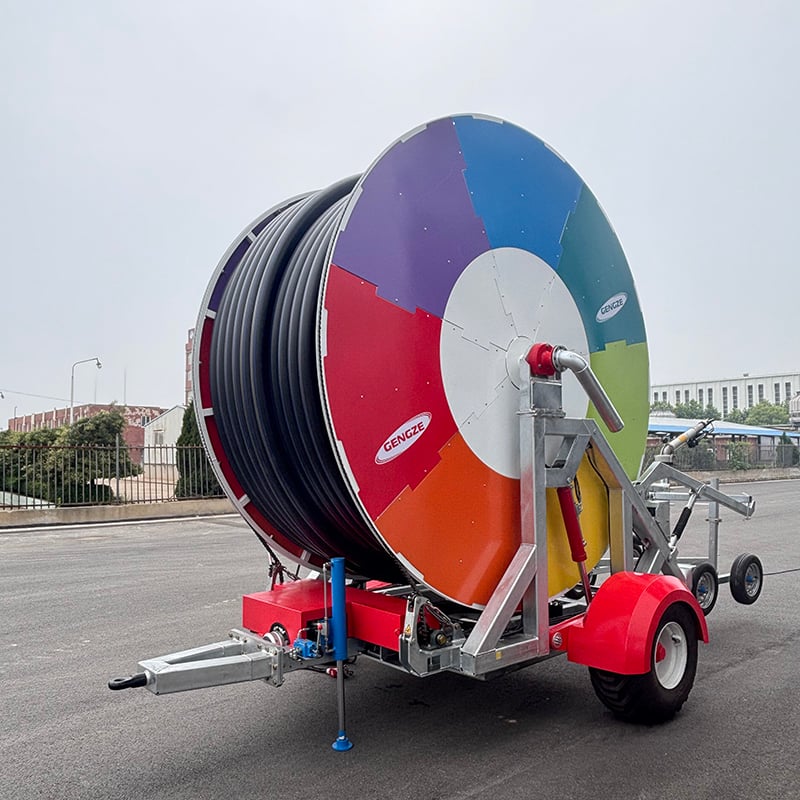
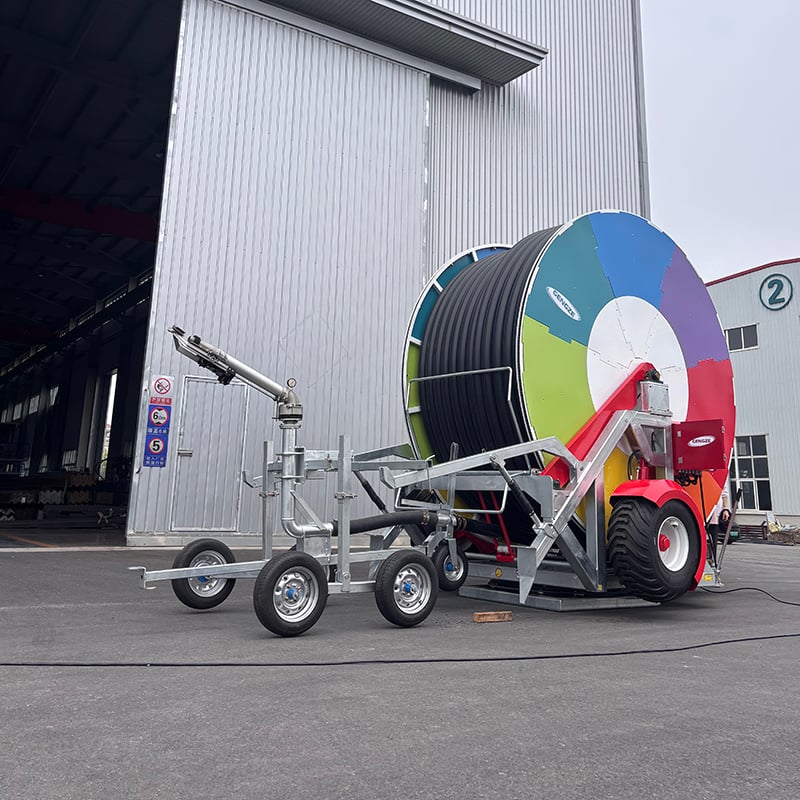
Choosing the right irrigation hose reel for sale involves assessing specific agricultural needs. Start by evaluating the types of crops you’re growing, as different crops may require varying levels of water application. For instance, high-water-demand crops like corn may benefit from a more sophisticated system with precise control capabilities.
Next, consider the terrain and soil type of the land. Pivots can be customized to accommodate uneven terrain, but this may add to the cost. It’s also essential to assess your water source and availability. Ensure that the system you choose is compatible with your existing water infrastructure.
Lastly, think about your operational scale. Larger operations may require multiple pivots, while smaller farms might find that a single pivot suffices. Discussing these factors with suppliers can lead to tailored recommendations that fit your specific agricultural context.
Finding reliable suppliers is crucial in securing a quality hose reel irrigation machine. Start by researching manufacturers with a strong reputation and extensive experience in the agricultural equipment industry. Companies that have been involved in irrigation systems for over two decades, like Dalian Gengze Agricultural Equipment Manufacturing Co., Ltd, often possess the expertise necessary to guide buyers in selecting the appropriate systems.
Trade shows and agricultural expos can also be excellent venues for finding suppliers, allowing buyers to see equipment firsthand and engage with manufacturers. Online platforms and industry publications can provide insights into various suppliers’ offerings and customer reviews, helping buyers make informed choices.
When evaluating suppliers, consider their responsiveness to inquiries, availability of technical support, and willingness to provide detailed specifications and customization options. These factors can significantly influence the purchasing experience and post-sale support.
A systematic approach to purchasing a center pivot irrigator can streamline the decision-making process. Here’s a step-by-step guide:
Define Your Requirements: Assess the area to be irrigated, crop types, and water availability.Research Suppliers: Look for manufacturers with a solid track record and customer reviews. Gather quotes from multiple suppliers.Evaluate Specifications: Compare the specifications of different models, focusing on materials, length, and technology features.Request Samples or Demonstrations: If possible, arrange for live demonstrations of the equipment to see how it operates in real conditions.Discuss Customization Options: Talk to suppliers about any specific needs you have, such as unique terrain considerations or integrated technology.Finalize the Purchase: Once you’ve selected a system, review the warranty, installation support, and maintenance options before finalizing the order.
By following these steps, buyers can ensure they make a well-informed decision that aligns with their operational needs.
Center pivot irrigators offer versatile applications across various crops, making them a valuable asset for farmers. For instance, in row crops like corn and soybeans, these systems provide uniform water distribution, which can lead to increased yields and reduced water wastage.
For high-value crops such as fruits and vegetables, precise irrigation management is crucial. Advanced systems equipped with moisture sensors can adjust watering schedules based on real-time soil conditions, optimizing water usage and improving crop quality.
In regions where water supply is limited, implementing a center pivot system can enhance water efficiency. By using variable rate irrigation technology, farmers can apply water only where and when it’s needed, reducing overall consumption and costs.
Understanding the specific needs of different crops allows buyers to select the most suitable irrigation systems, ultimately leading to better returns on investment.
By considering the factors outlined , B2B buyers can navigate the complexities of hose reel sprinkler system costs effectively. Focusing on operational needs, supplier reliability, and system specifications will lead to smarter investment decisions that enhance agricultural productivity.

Dalian Gengze Agricultural Equipment Manufacturing Co.,Ltd
Copyright © Dalian Gengze Agricultural Equipment Manufacturing Co.,Ltd All Rights Reserved | Blog | Privacy Policy
 EN