Requesting a Call:
Online Support
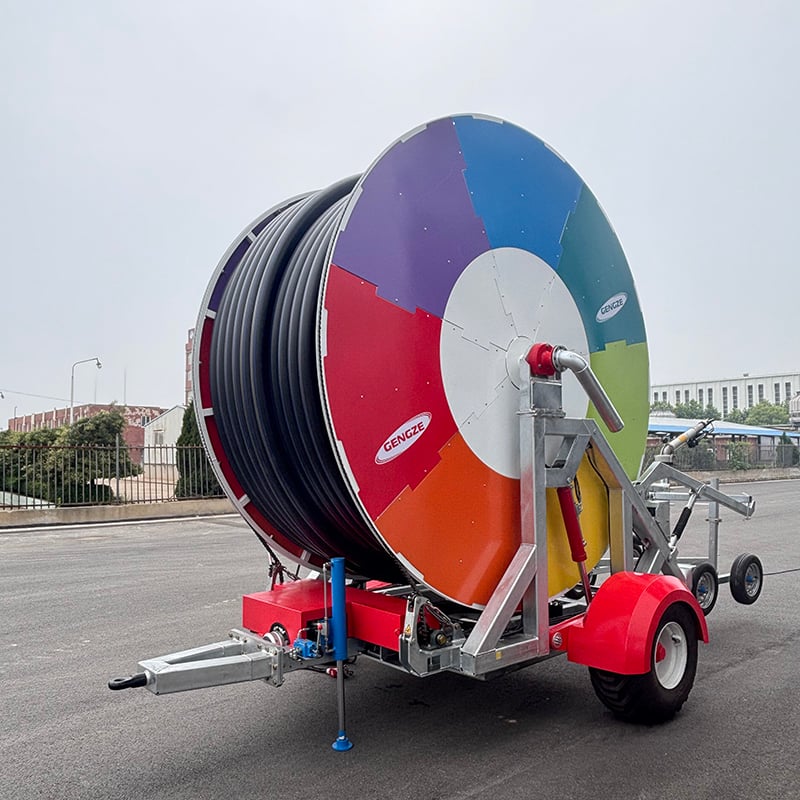
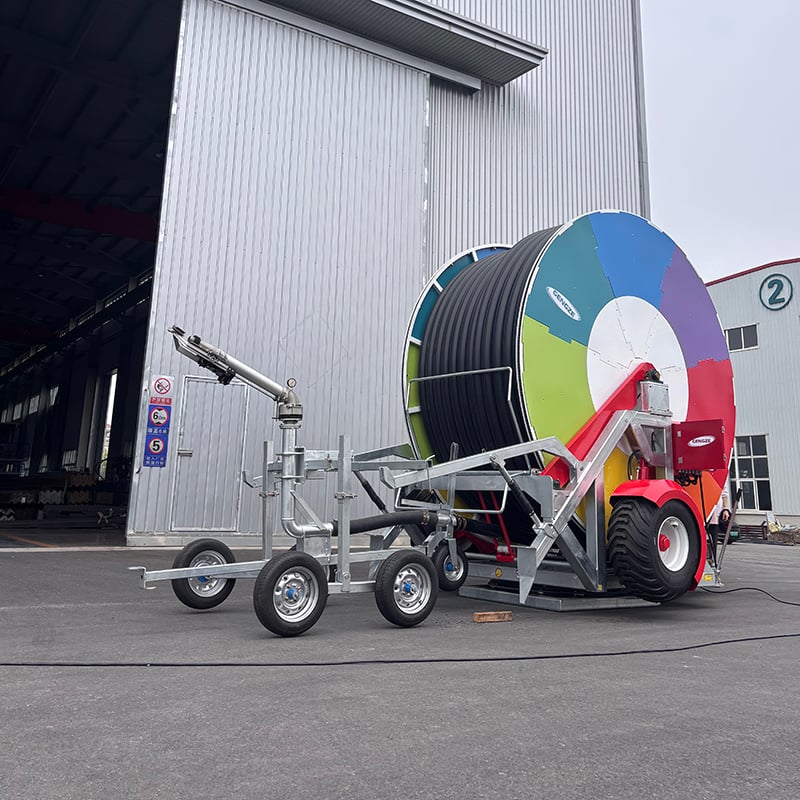
Center pivot irrigators are complex agricultural systems designed to deliver water efficiently across large areas of farmland. As a critical component of modern irrigation practices, their design plays a significant role in maximizing crop yield while minimizing resource waste. B2B buyers, including purchasing managers and agricultural engineers, often have concerns about product specifications, quality control, and supplier reliability when considering center pivot irrigator design. This article will help you understand the essential elements of irrigation hose reel for sale, providing insights into sourcing, installation, quality assessment, applications, and materials.
Identifying trustworthy wholesale suppliers for irrigation systems, particularly center pivot irrigators, is crucial for ensuring quality and reliability. Start by researching manufacturers with a proven track record, such as Dalian Gengze Agricultural Equipment Manufacturing Co., Ltd, which has over 20 years of industry experience and has built a reputation as a reliable supplier.
When evaluating potential suppliers, consider the following factors:
Manufacturing Capabilities: Assess whether the supplier has modern manufacturing facilities and the ability to produce high-quality equipment at scale.Certifications: Look for suppliers with relevant industry certifications that ensure compliance with quality and safety standards.Customization Options: A good supplier should offer customization to meet specific agricultural needs, whether in terms of size, capacity, or technology integration.Customer Reviews and Testimonials: Research customer feedback to gauge the supplier's reliability and product performance.Export Experience: Suppliers with a solid export history are often more reliable, as they understand international shipping and customs regulations.
By focusing on these criteria, you can find a wholesale supplier that meets your operational needs and quality expectations.
Proper installation of hose reel irrigation machine is essential for maximizing their effectiveness and lifespan. Here are key guidelines to follow:
Site Assessment: Conduct a thorough assessment of the field to determine the best layout for the center pivot system. Factors to consider include terrain, soil type, and existing water sources.Soil Preparation: Ensure the soil is well-prepared to support the pivot structure and facilitate efficient water drainage.Alignment and Leveling: Proper alignment is critical for even water distribution. Use precise measurement tools to ensure the pivot is level and correctly oriented to minimize overlaps and gaps in coverage.Electrical and Hydraulic Connections: Ensure that all electrical systems and hydraulic components are installed according to manufacturer specifications to avoid operational issues.Testing: After installation, conduct a thorough system test to ensure functionality. Check for leaks, pressure levels, and proper rotation of the pivot.
Following these guidelines will help ensure that your center pivot irrigator operates efficiently and effectively.
When investing in center pivot irrigation systems, evaluating equipment quality is paramount. Consider the following aspects:
Material Specifications: Inspect the materials used in the construction of the pivot. High-strength steel and corrosion-resistant components enhance durability and longevity.Design Features: Look for features such as adjustable spans, efficient water distribution systems, and the integration of advanced technologies like moisture sensors and GPS tracking.Manufacturer Reputation: Choose manufacturers with a solid reputation for quality. Companies like Dalian Gengze offer high-efficiency, cost-competitive products, backed by years of experience in the industry.Quality Control Processes: Inquire about the supplier's quality control measures. Reliable manufacturers implement rigorous testing protocols to ensure each unit meets performance standards.Warranty and Support: A robust warranty and reliable customer support indicate a manufacturer's confidence in their product quality. Be sure to understand the terms of warranty coverage.
By focusing on these quality assessment criteria, you can make informed decisions and select reliable center pivot irrigation equipment.
Center pivot irrigators are widely used across various agricultural applications, making them adaptable to different farming practices. Key applications include:
Row Crops: Center pivots are ideal for irrigating row crops like corn, soybeans, and cotton, providing consistent moisture across large fields.Vegetable Production: Many vegetable growers utilize center pivot systems to ensure even water distribution, which is critical for crop health and yield.Pasture Irrigation: Livestock farmers often use center pivot systems to maintain healthy pastures, enhancing the growth of forage crops.Specialty Crops: Orchards and vineyards benefit from the precise water management offered by center pivot systems, which can be tailored to specific crop needs.
The versatility of hose reel irrigator makes them a valuable investment for farmers looking to optimize water usage and enhance productivity.
The choice of materials in center pivot irrigator design significantly impacts performance and longevity. Key materials include:
Galvanized Steel: Commonly used for structural components, galvanized steel offers corrosion resistance and strength, essential for withstanding environmental conditions.Aluminum: Lightweight and resistant to rust, aluminum is often used in the construction of pivot arms and other components, providing durability without adding excess weight.Polyethylene: This material is frequently used for water delivery pipes due to its flexibility, resistance to chemicals, and ease of installation.Rubber Seals and Gaskets: High-quality rubber compounds are essential for preventing leaks at joints and connections, ensuring efficient water distribution.
Selecting the right materials is crucial for the overall performance and durability of center pivot irrigation systems. Buyers should consult with manufacturers to understand the materials used and their performance implications.
By following this guide, you’ll be better equipped to navigate the complexities of center pivot irrigator design, ensuring that your agricultural operations are efficient, effective, and sustainable.

Dalian Gengze Agricultural Equipment Manufacturing Co.,Ltd
Copyright © Dalian Gengze Agricultural Equipment Manufacturing Co.,Ltd All Rights Reserved | Blog | Privacy Policy
 EN