Requesting a Call:
Online Support
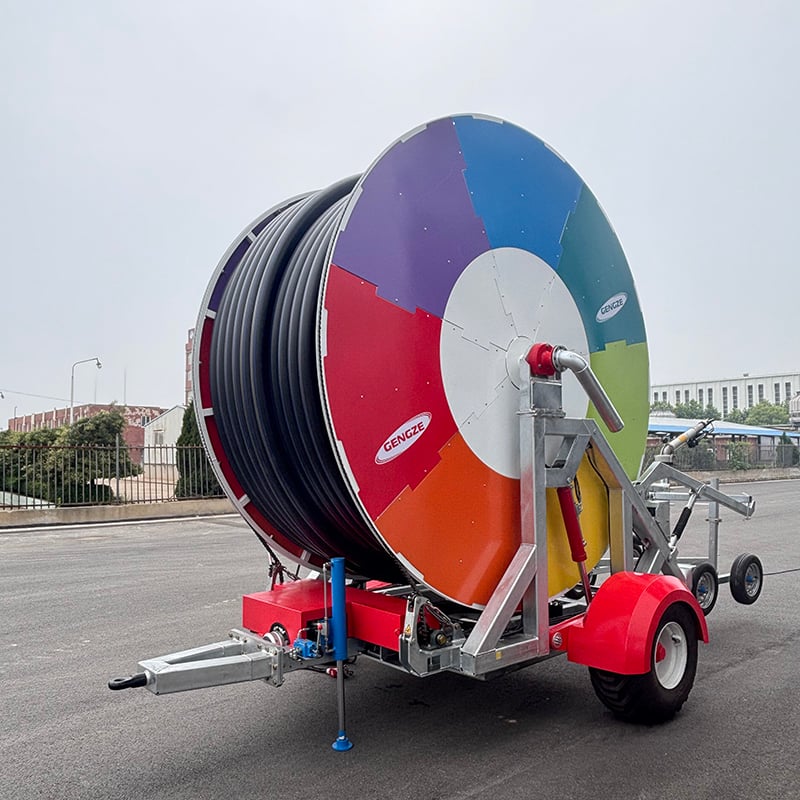
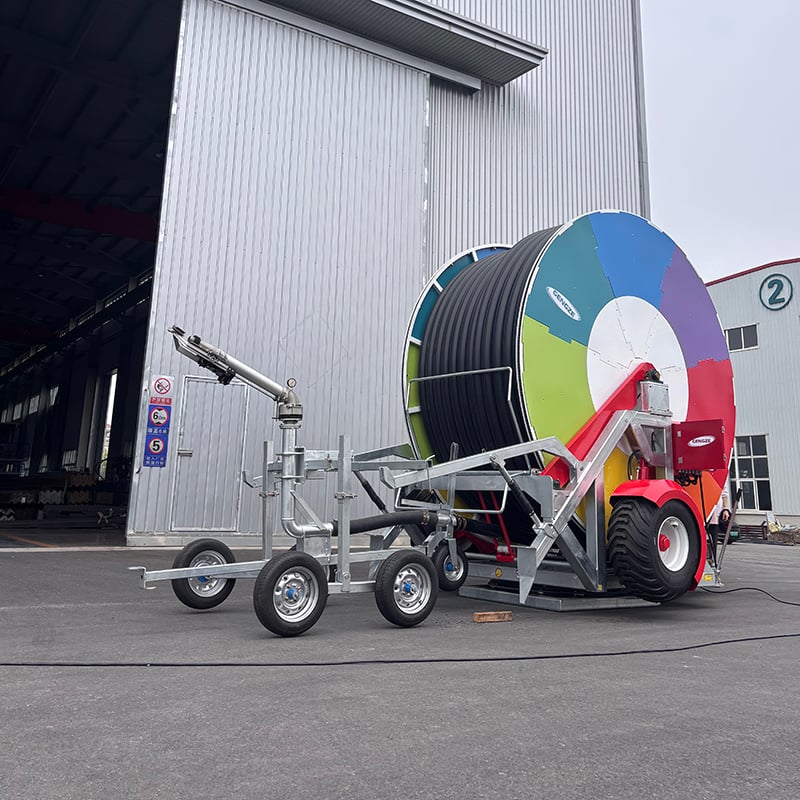
Choosing the right center pivot irrigator for your agricultural needs is crucial for optimizing water usage and maximizing crop yield. As a manufacturer with over 20 years of experience in agricultural equipment, Dalian Gengze Agricultural Equipment Manufacturing Co., Ltd. offers high-quality center pivot irrigators for sale, designed to meet the varying demands of global farmers. This article will guide you through essential considerations for selecting a Irrigation System, including cost factors, common problems, and why these considerations matter in your purchasing decision.
When selecting a center pivot irrigator, several factors should be evaluated to ensure it meets your agricultural requirements.
Field Size and Shape: The design of your field plays a significant role in determining the type of center pivot system you need. Larger, irregularly shaped fields may benefit from a more flexible pivot system that can cover diverse terrain.
Water Source and Quality: Understanding your water source is essential. Assess the availability of water, its quality, and any potential contaminants. This information will guide you in selecting materials and specifications that will withstand specific water conditions.
Crop Type: Different crops have varying water needs. The irrigator's specifications should align with the water requirements of the crops being cultivated to ensure optimal growth and yield.
Soil Type: Soil texture and drainage capabilities impact irrigation efficiency. Conducting a soil analysis can help determine the appropriate irrigation method and system design.
Budget and Cost Efficiency: Assess not only the initial cost of the irrigator but also the long-term operational costs. Energy consumption, maintenance, and potential water savings can influence your total investment.
Manufacturer Support and Warranty: Consider the level of support offered by the manufacturer, including warranty terms and customer service. Reliable after-sales support can significantly influence the longevity and performance of your investment.
By carefully evaluating these factors, you can choose a Towable Center Pivots that not only meets your current needs but also adapts to future agricultural challenges.
The cost of center pivot irrigators can vary widely based on several factors. Understanding these costs can help you make an informed purchasing decision.
Initial Investment: The base price of the irrigator will depend on its size, materials, and technology. High-quality materials and advanced features may increase the upfront cost but can lead to better efficiency and durability.
Installation Costs: Installation can add a significant expense to your purchase. Consider whether you will hire professionals for installation or if you plan to use internal resources. Proper installation is crucial for the effective operation of the system.
Operating Costs: Evaluate ongoing operating expenses, including energy consumption, water usage, and maintenance. Efficient systems may have higher initial costs but can save money over time through reduced operational expenses.
Maintenance and Repair: Regular maintenance is necessary to keep the system functioning efficiently. Understand the costs associated with parts replacement, repairs, and routine servicing.
Financing Options: Many suppliers offer financing options or leasing arrangements, which can help manage the initial investment. Evaluate these options to determine what aligns best with your budget.
By considering these cost factors, you can develop a comprehensive understanding of the total investment required for a center pivot irrigator and how it aligns with your budget and financial goals.
Despite their effectiveness, center pivot irrigators can encounter common issues. Being aware of these problems can help mitigate downtime and maintain productivity.
Mechanical Failures: Common mechanical issues include gear or motor failures, which can halt operation. Regular inspections and maintenance can help identify potential problems early. Keeping spare parts on hand can also reduce downtime.
Water Distribution Issues: Uneven water distribution can lead to crop stress. Ensure that the system is calibrated correctly and that all nozzles are functioning properly. Adjustments may be needed based on field conditions or crop stages.
Electrical Problems: Electrical components may fail due to environmental factors or wear over time. Implementing surge protectors and regular electrical checks can prevent these issues.
Soil Compaction: Repeated use of heavy machinery can lead to soil compaction, negatively affecting crop growth. Consider scheduling irrigation during periods when soil is less likely to compact, and explore lighter equipment options.
Leaks and Pipe Damage: Leaks can waste valuable water and may indicate pipe damage. Regularly inspecting the system for leaks and ensuring proper maintenance can help avoid this issue.
By understanding these common problems and their solutions, you can enhance the reliability and efficiency of your center pivot irrigator.
When considering the purchase of a Lateral Move Irrigation, following a structured approach can streamline the process:
Define Your Needs: Assess your field size, crop types, and irrigation requirements to establish your specific needs.
Research Manufacturers: Investigate various manufacturers, focusing on their experience, product offerings, and customer reviews. Dalian Gengze, for instance, has over two decades of experience in agricultural equipment manufacturing.
Request Quotes: Reach out to multiple suppliers to obtain quotes. Make sure to request detailed specifications to compare features and costs effectively.
Evaluate Samples: If possible, review a sample or visit an existing installation to assess the product's performance.
Check References: Contact other buyers or industry professionals to gather feedback on the manufacturer’s reliability and product quality.
Finalize Specifications: Once you’ve selected a supplier, confirm the final specifications, including any customization options to suit your unique requirements.
Plan for Installation: Arrange for installation well in advance, ensuring that all necessary preparations are made for a smooth setup.
By following this structured approach, you can facilitate a successful purchasing experience for your center pivot irrigator.
Making an informed decision when purchasing a center pivot irrigator is essential for several reasons:
Optimized Crop Yield: The right irrigator can significantly enhance water efficiency, leading to improved crop yields and quality. Poor choices can result in water wastage and reduced agricultural productivity.
Cost Efficiency: Understanding the costs associated with various systems helps in making a financially sound decision. This attention to detail can lead to long-term savings and a better return on investment.
System Longevity: Selecting a high-quality irrigator with proper specifications can minimize maintenance needs and extend the equipment's lifespan. This translates to reduced replacement costs over time.
Sustainability: Efficient irrigation systems contribute to sustainable farming practices by conserving water resources and reducing environmental impact. This is increasingly important in agriculture today.
Adaptability to Future Needs: As agricultural practices and climate conditions evolve, having a flexible irrigation system allows for adjustments that can support future farming requirements.
By prioritizing these considerations, you can ensure that your investment in a center pivot irrigator aligns with both immediate needs and long-term agricultural goals.

Dalian Gengze Agricultural Equipment Manufacturing Co.,Ltd
Copyright © Dalian Gengze Agricultural Equipment Manufacturing Co.,Ltd All Rights Reserved | Blog | Privacy Policy
 EN