Requesting a Call:
Online Support
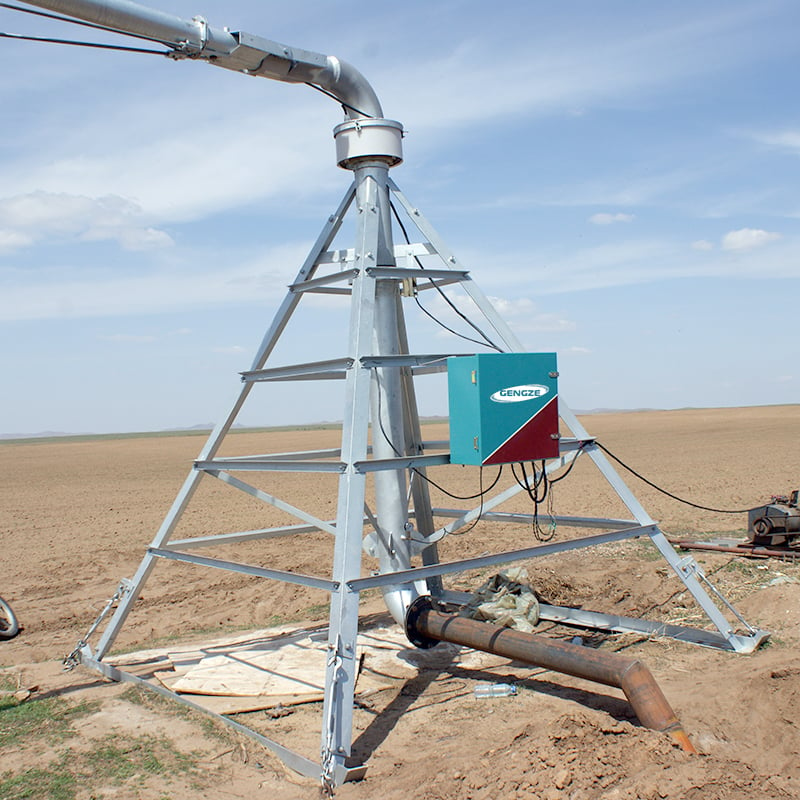
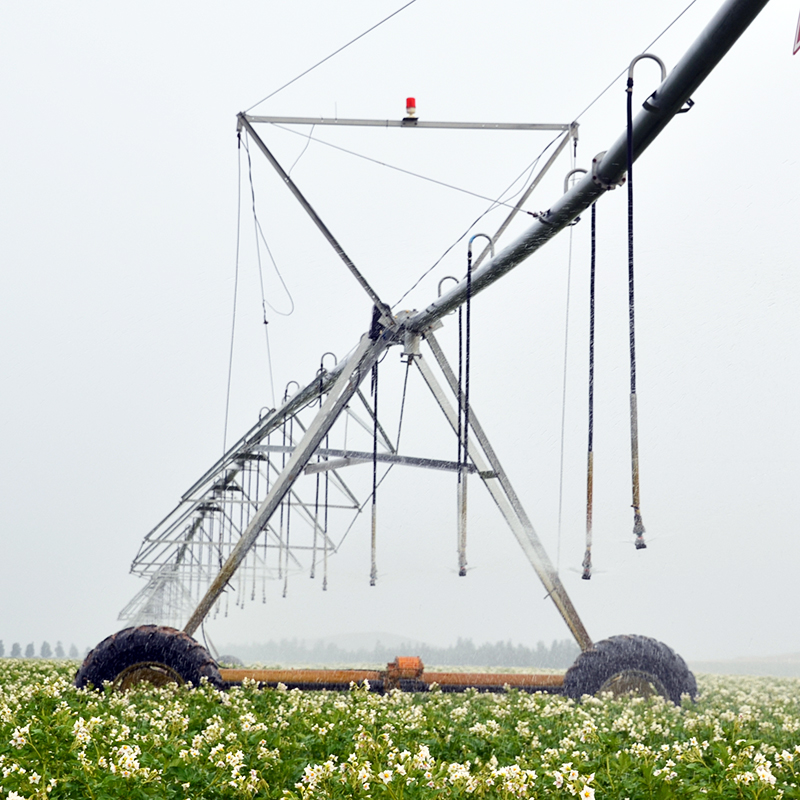
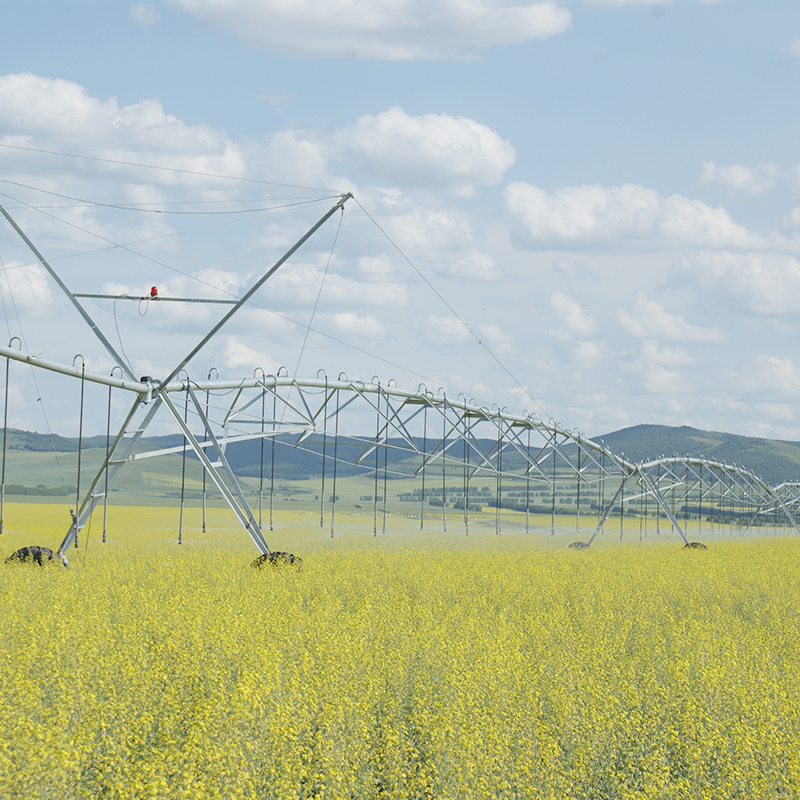
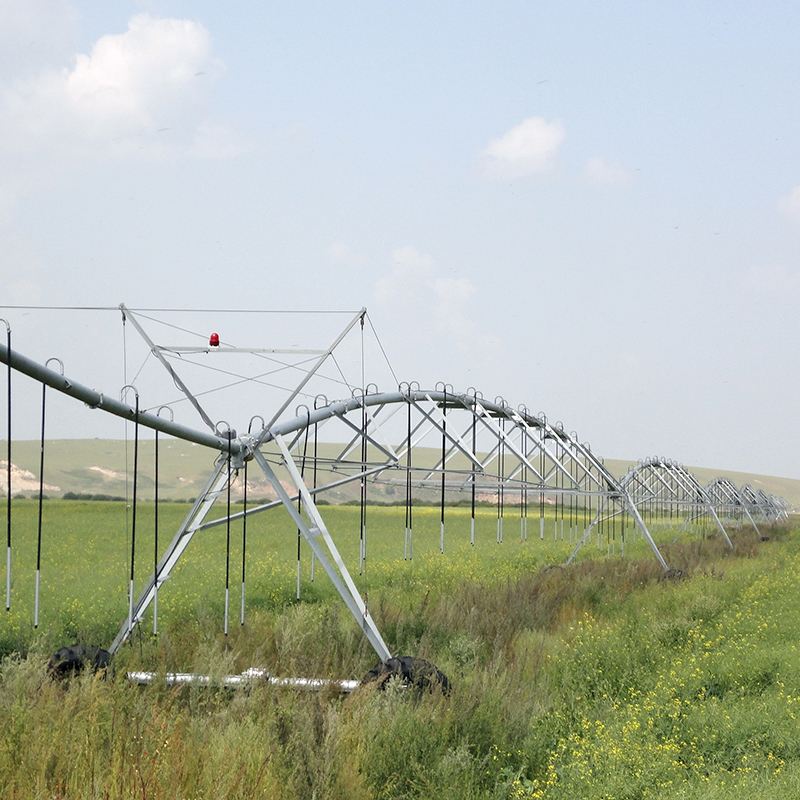
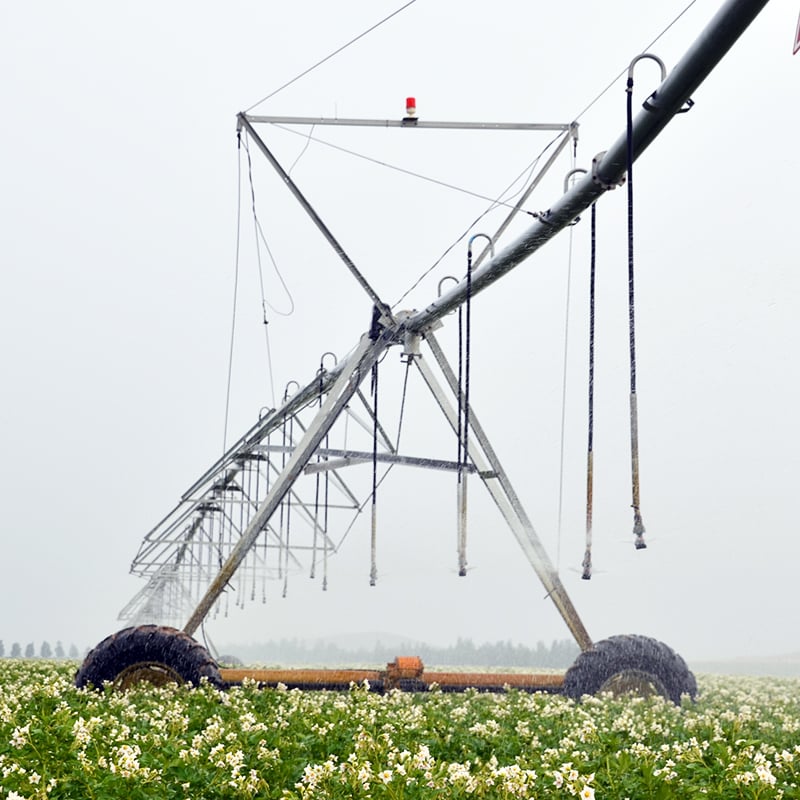
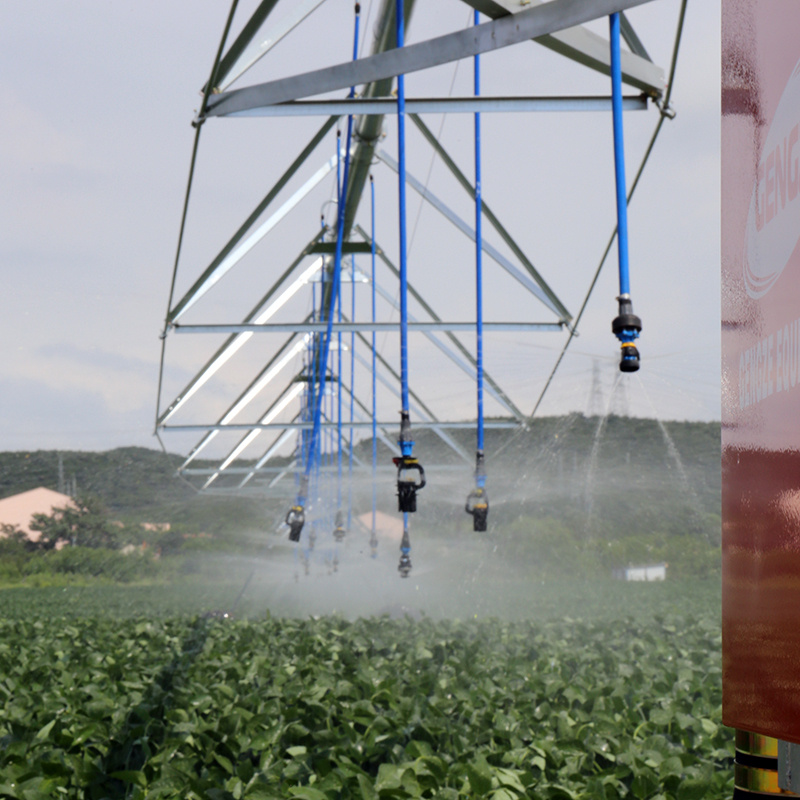
Center pivot linear move systems are advanced irrigation solutions designed to enhance the efficiency of water distribution in agricultural fields. These best center pivot irrigation system consist of a series of pivoting arms that rotate around a fixed point, allowing for uniform coverage of crops over large areas. For B2B buyers such as purchasing managers, distributors, and agricultural engineers, understanding the nuances of center pivot linear move systems is crucial. This article will explore key specifications and features, cost factors, quality evaluations, and common issues to help you make informed purchasing decisions.
When selecting a center pivot linear move system, several specifications play a crucial role in determining its effectiveness and suitability for your agricultural needs. Key features include:
Span Length: This refers to the distance covered by each segment of the pivot system. Options typically range from 200 to 600 feet, with longer spans allowing for greater coverage in less time.
Drive System: The drive system can impact both performance and maintenance. Electric drive systems are popular for their efficiency and lower operational costs, while hydraulic systems can provide greater power for larger spans.
Material Composition: Common materials include galvanized steel and aluminum, both of which offer durability and resistance to corrosion. The choice of material affects the system's longevity and maintenance needs.
Control Systems: Modern systems often include advanced control technologies that allow for precise water management. Features such as remote monitoring and automated scheduling can enhance operational efficiency.
Water Application Rate: This measures how quickly water is distributed across the field and should be tailored to the specific crop requirements. It’s critical to match this rate with soil absorption rates to prevent runoff or over-saturation.
Understanding these specifications helps buyers choose a system that aligns with their operational requirements and enhances crop yield.
The cost of center pivot linear move systems can vary significantly based on several factors:
System Size: Larger systems with extended spans and more complex configurations will generally have higher upfront costs. However, they can also lead to increased efficiency and reduced labor costs over time.
Material Quality: Systems made from higher-grade materials, such as stainless steel or enhanced corrosion-resistant coatings, may come at a premium but can result in lower maintenance costs and longer lifespans.
Technology Integration: Advanced features like GPS tracking, automated control systems, and telemetry can increase initial investments but may lead to significant labor and water savings.
Installation and Labor Costs: Depending on the complexity of the farm irrigation systems center pivot and the site’s geographic characteristics, installation costs can vary. Proper planning and assessment of local conditions can help mitigate unexpected expenses.
Maintenance and Operational Costs: Buyers should factor in ongoing maintenance needs and energy costs associated with running the system. Regular inspections and timely maintenance can prevent costly repairs and downtime.
Understanding these cost factors enables buyers to evaluate the total cost of ownership rather than just the initial purchase price.
When considering the purchase of a center pivot linear move system, follow these steps to ensure a successful selection and acquisition process:
Assess Your Crop Needs: Identify the specific irrigation requirements of your crops, including water needs, soil type, and field size.
Evaluate Site Conditions: Conduct a thorough assessment of the field, including topography, soil characteristics, and existing infrastructure. This will inform the design and configuration of the pivot system.
Determine Specifications: Based on the crop and site assessments, outline the required specifications for the pivot system, including span lengths, drive types, and control features.
Research Suppliers: Identify reputable manufacturers, such as Dalian Gengze Agricultural Equipment Manufacturing Co., Ltd, known for producing high-efficiency and cost-competitive systems. Review their product offerings, warranties, and customer feedback.
Request Quotes and Proposals: Provide potential suppliers with detailed information about your requirements to receive accurate and comparable quotes. Be clear about your specifications, expected lead times, and installation expectations.
Review Proposals: Compare the proposals based on total cost, system features, and supplier reputation. Pay attention to after-sales support and warranty options.
Finalize the Purchase: Once a supplier is selected, ensure all terms are clearly outlined in the contract, including delivery timelines, payment terms, and installation responsibilities.
Installation and Training: Coordinate with the supplier for installation and ensure that your team receives adequate training on operating and maintaining the system.
By following these steps, buyers can minimize risks and ensure they select the right center pivot linear move system for their agricultural operations.
Quality evaluation is essential when investing in a Gengze center pivot linear move system. Here are key aspects to consider during the evaluation process:
Material Quality: Inspect the materials used in the construction of the system. High-quality materials should be corrosion-resistant and durable, ensuring longevity under various environmental conditions.
Manufacturing Process: Understanding the manufacturing capabilities and processes of the supplier can reveal the attention to detail and quality control measures in place. Look for manufacturers with established quality management systems.
Performance Testing: Request performance data or case studies from the supplier. This information should demonstrate the system's operational efficiency, water distribution uniformity, and reliability under typical working conditions.
Certifications: Verify any relevant industry certifications that the manufacturer may hold, which can indicate adherence to quality and safety standards.
Customer Feedback: Seek testimonials or reviews from existing users of the system. Personal experiences can provide insight into the system's performance and any common issues faced.
Warranty and Support: A robust warranty and responsive customer support can indicate confidence in the product’s quality. Ensure you understand the terms of service and support available post-purchase.
By focusing on these quality evaluation criteria, buyers can make informed decisions and invest in center pivot sprinkler system that will perform reliably over time.
Despite the advantages of Gengze center pivot linear move systems, users may encounter several common issues. Understanding these problems and their solutions can improve system reliability:
Uneven Water Distribution: This can result from improper calibration or mechanical issues. Regular maintenance checks, calibration of the control system, and adjustments to the water application rate can help mitigate this problem.
Mechanical Failures: Components such as gearboxes and drive motors may experience wear and tear. Implementing a routine maintenance schedule, including inspections and timely replacement of worn parts, can reduce the risk of mechanical failure.
Soil Compaction: Over time, the repeated passage of machinery can lead to soil compaction, impacting crop yield. Implementing strategies such as alternate irrigation methods or reduced traffic during wet conditions can alleviate compaction issues.
Electronics Malfunction: With advanced control systems, electronic failures can lead to operational disruptions. Ensuring proper installation and training for personnel on troubleshooting can help minimize downtime.
Pest and Weed Growth: Weeds and pests can thrive in areas with uneven watering. Utilizing best practices for weed control and pest management can help mitigate these issues, ensuring optimal crop health.
By proactively addressing these common issues, buyers can enhance the reliability and efficiency of their center pivot linear move systems, ultimately improving crop yields and operational efficiency.

Dalian Gengze Agricultural Equipment Manufacturing Co.,Ltd
Copyright © Dalian Gengze Agricultural Equipment Manufacturing Co.,Ltd All Rights Reserved | Blog | Privacy Policy
 EN