Requesting a Call:
Online Support
Understanding the cost of a center pivot irrigation system is crucial for B2B buyers, including purchasing managers, distributors, and agricultural contractors. As these center pivot irrigation system are essential for efficient water management on farms, understanding the factors influencing the center pivot system cost can help buyers make informed purchasing decisions. This article will outline key considerations, including specifications, supplier evaluation, and quality differences, to aid in the selection process.
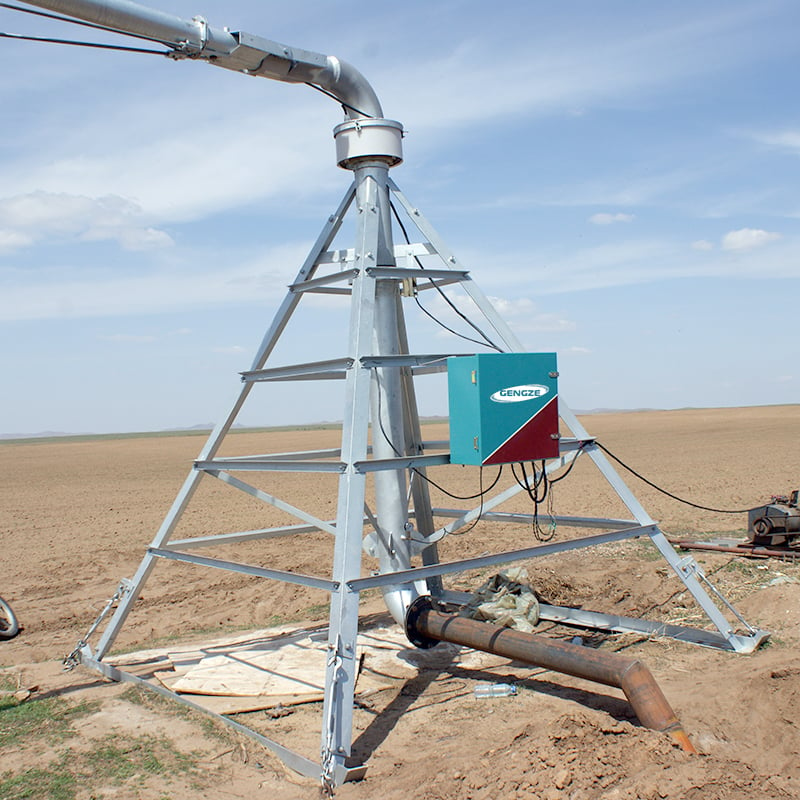
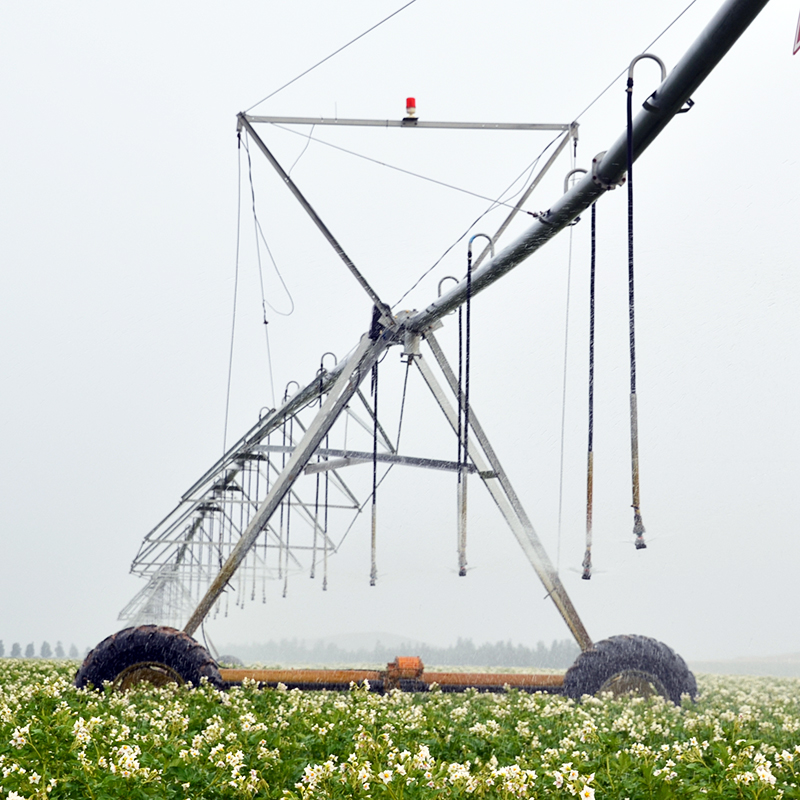
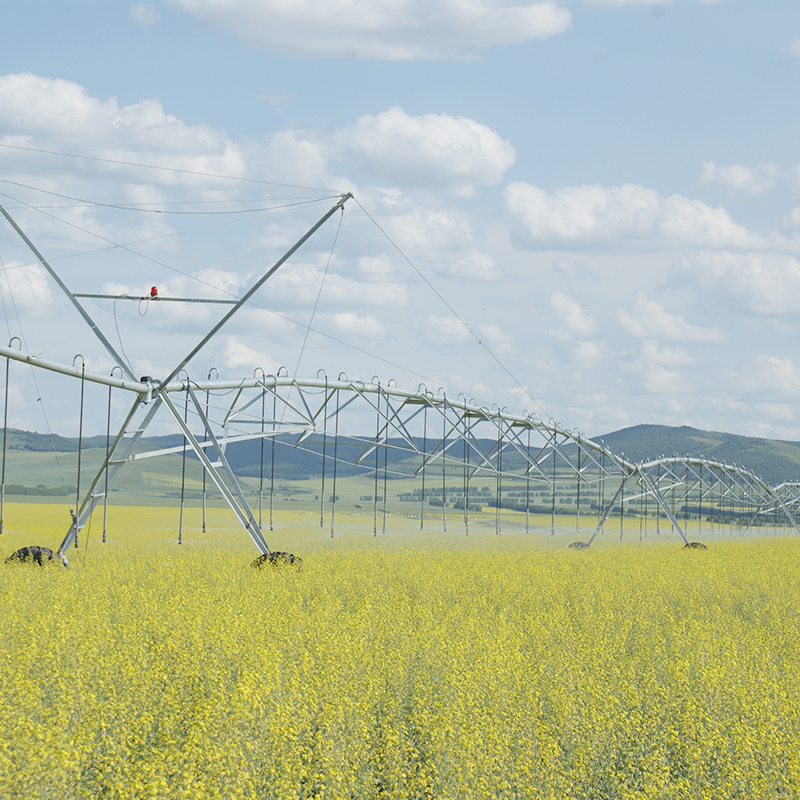
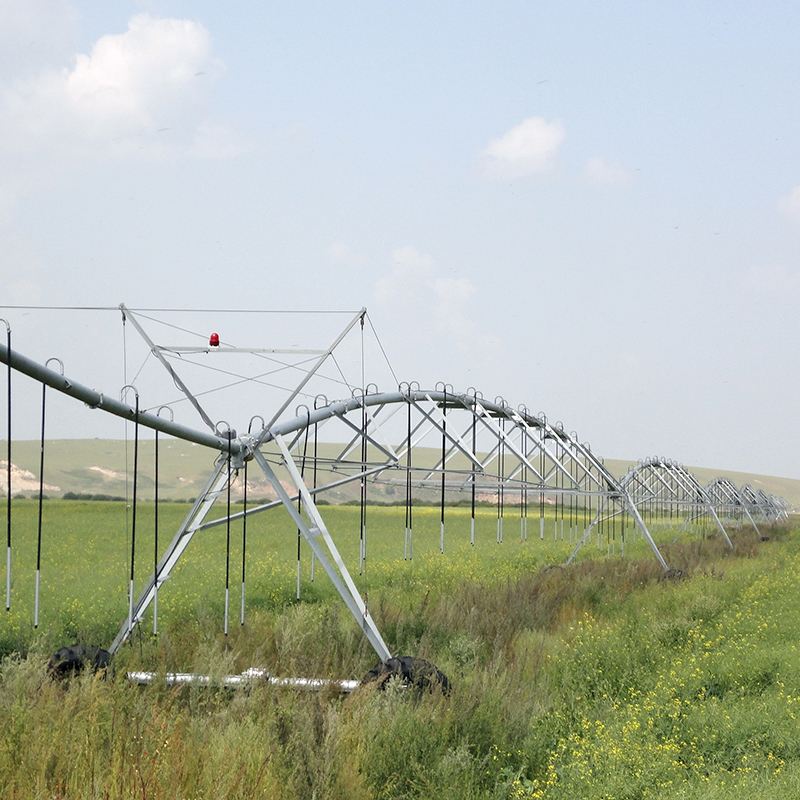
The cost of a center pivot system can vary significantly based on several factors. Key elements include the length and configuration of the system, the materials used, and the technology integrated into the design.
System Length and Configuration: Longer systems typically come with higher costs due to additional materials and complexity in installation. The configuration, such as standard or corner systems, also affects pricing. Corner systems can provide more coverage but are generally more expensive.
Material Specifications: The materials used in the construction of the pivot system can significantly influence cost. For example, systems made from galvanized steel may offer better durability and corrosion resistance, but at a higher price compared to those made from aluminum. Buyers should consider their local conditions, such as soil type and climate, when selecting materials.
Technology Integration: Modern center pivot systems may include advanced technologies such as GPS guidance, moisture sensors, and automated control systems. While these features can enhance efficiency and reduce labor costs, they also add to the initial investment. Buyers should evaluate the long-term benefits against the upfront center pivot irrigation cost.
Customization Options: Customization can also impact cost. Whether it’s the inclusion of specific features or adjustments to meet unique operational needs, custom solutions will typically result in higher prices. Buyers should communicate their specific requirements to get accurate quotes from suppliers.
For distributors and contractors, understanding the nuances of center pivot system pricing is essential for providing accurate quotes to clients. Here are some practical steps to consider:
Detailed Specifications: When discussing potential orders with clients, gather detailed specifications such as the desired system length, field conditions, and any additional features they may require. This information is critical in providing accurate cost estimates.
Assessing Quality: Ensure to assess the quality of the systems you are considering. Factors such as the center pivot manufacturers reputation, warranty offerings, and material quality should be part of your evaluation. A higher initial cost might lead to better durability and lower maintenance expenses in the long run.
Lead Times: Be aware of production lead times, as these can affect overall project costs. Understanding the supplier’s production capacity and any potential delays will help in setting realistic timelines for your projects.
Volume Discounts: If purchasing in bulk, inquire about volume discounts. Many manufacturers are willing to offer reduced pricing for larger orders, which can make a significant difference in overall costs.
Finding reliable suppliers for center pivot irrigation systems is crucial for ensuring quality and meeting project deadlines. Here are some suggestions:
Industry Exhibitions and Trade Shows: Participating in agricultural trade shows can provide a direct insight into various manufacturers and their offerings. It’s an excellent opportunity to discuss options face-to-face and evaluate product quality.
Online Marketplaces and Directories: Utilize online platforms that specialize in agricultural equipment. Websites that offer reviews and ratings can help in identifying reputable suppliers.
Networking with Peers: Engaging with other distributors and contractors in the industry can provide valuable insights into supplier performance. Recommendations from trusted sources can lead you to reliable manufacturers.
Requesting Samples and Specifications: Before finalizing a supplier, request samples or detailed product specifications to assess quality and compatibility with your specific needs.
Not all center pivot systems are created equal, and quality can significantly impact performance and durability. Here are some aspects to consider:
Material Quality: Higher-quality materials, such as high-strength steel or corrosion-resistant coatings, can enhance the system's longevity. Evaluate the manufacturer's material claims and request certifications where possible.
Manufacturing Standards: Look for suppliers that adhere to recognized manufacturing standards. Certifications such as ISO can indicate a commitment to quality and reliability.
Design and Engineering: The engineering behind the pivot system affects its efficiency and ease of use. Systems designed with user-friendly controls and maintenance considerations can save time and costs in the long run.
Customer Reviews and Case Studies: Investigate customer feedback and case studies to understand how the systems perform in real-world conditions. This information can help gauge the reliability and effectiveness of the systems you are considering.
When preparing to purchase a center pivot irrigation system, there are several key considerations that can streamline the process and ensure a successful investment:
Preparation for RFQs: When requesting quotes from suppliers, provide comprehensive information, including system length, specifications, and any unique requirements. This will help suppliers give you accurate pricing.
Quality Inspection: Before finalizing any purchase, establish a quality inspection process. Verify that the systems meet your specifications and quality standards. If possible, inspect a sample unit under operating conditions before mass production.
Understanding Total Cost of Ownership: Beyond the initial purchase price, consider the total cost of ownership, including installation, maintenance, and operational costs. A system with a higher upfront cost may offer savings in energy or water usage over time.
Supplier Relationships: Building a strong relationship with your suppliers can lead to better service and support. Regular communication and feedback can help ensure that your needs are met, and any issues are promptly addressed.
By considering these factors, buyers can make informed decisions regarding center pivot system costs and ensure they select the right equipment for their agricultural needs.

Dalian Gengze Agricultural Equipment Manufacturing Co.,Ltd
Copyright © Dalian Gengze Agricultural Equipment Manufacturing Co.,Ltd All Rights Reserved | Blog | Privacy Policy
 EN