Requesting a Call:
Online Support
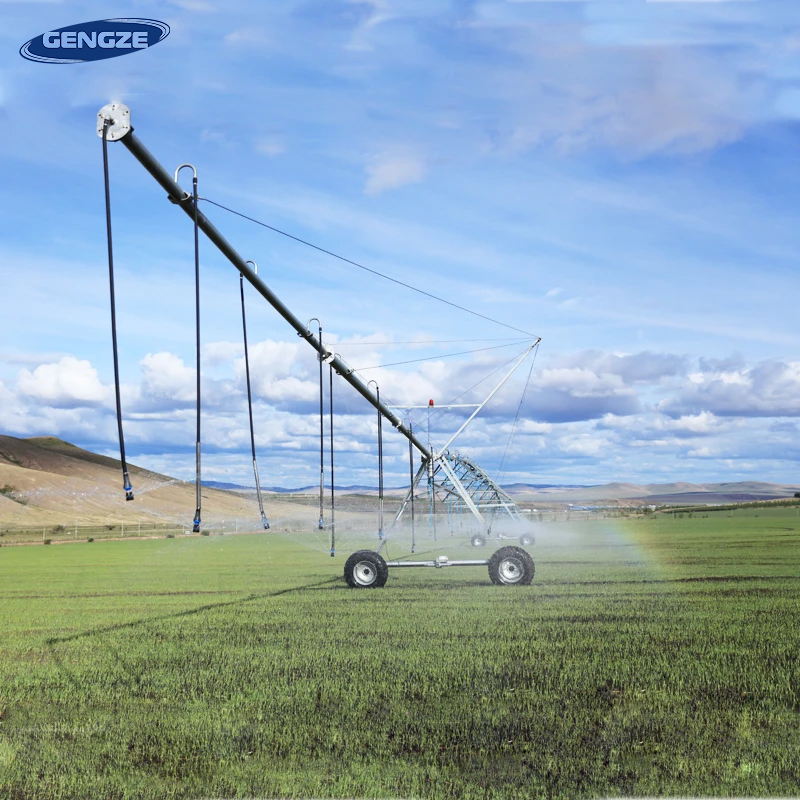
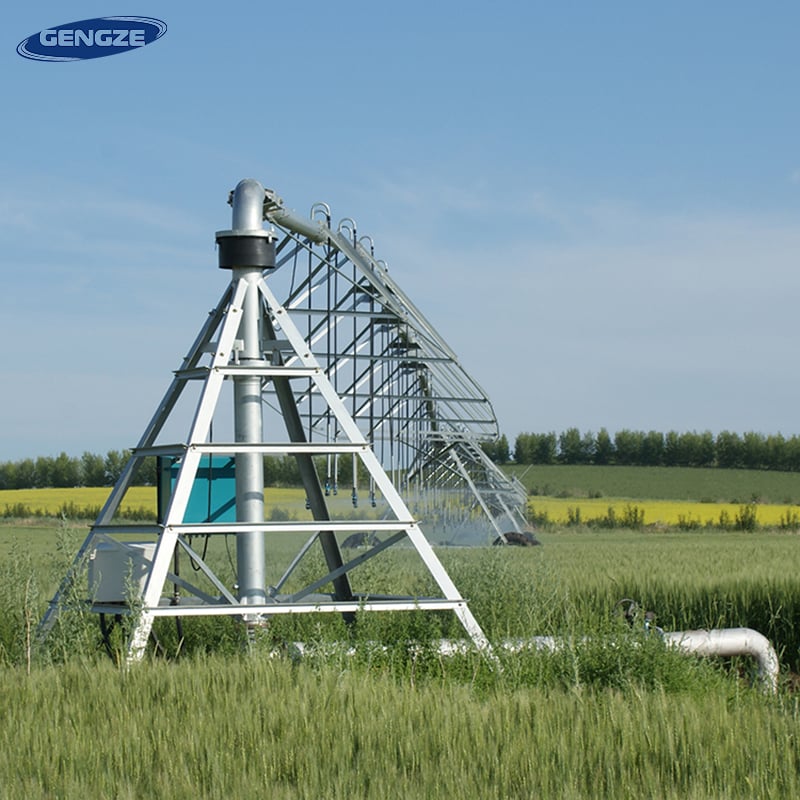
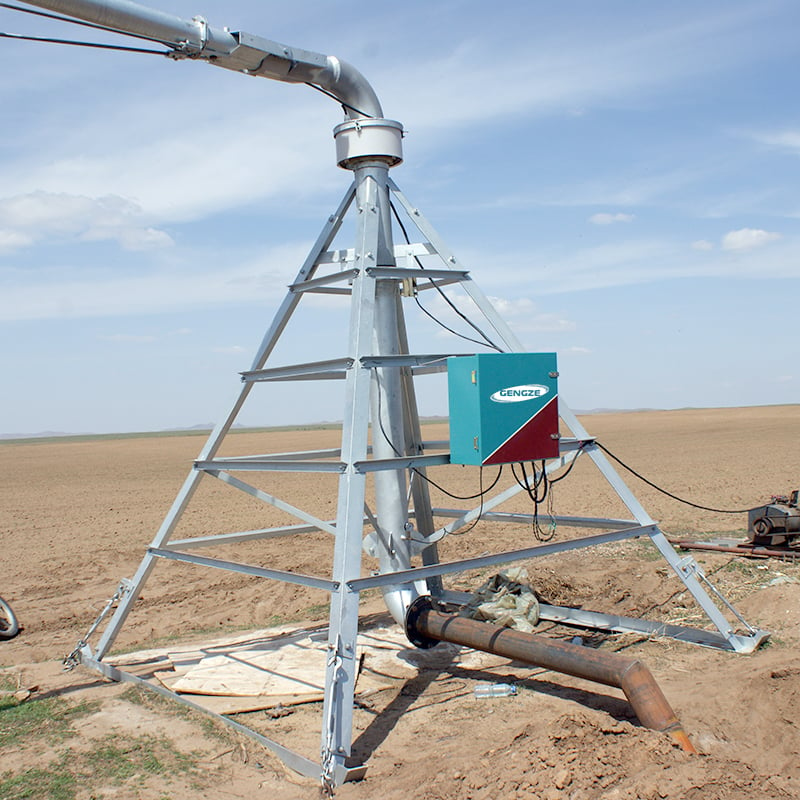
Investing in a center pivot system for irrigation can significantly enhance agricultural efficiency and productivity. With over 20 years of experience in agricultural equipment manufacturing, Dalian Gengze Agricultural Equipment Manufacturing Co., Ltd. offers a reliable selection of center pivot systems for sale. This article will guide potential buyers through critical considerations, specifications, installation guidance, cost factors, and applications relevant to these systems, addressing main concerns that purchasing managers and agricultural professionals may have when making their decision.
When evaluating center pivot systems for purchase, understanding the specifications is key to ensuring the system meets your agricultural needs. Key specifications to consider include:
Span Length: This refers to the distance between the pivot point and the outermost point of the system. Longer spans can cover more area but may require more water pressure.
Operating Pressure: The operating pressure of the system should align with the water source's capability. Systems typically function between 30-60 psi but may vary based on specific irrigation needs.
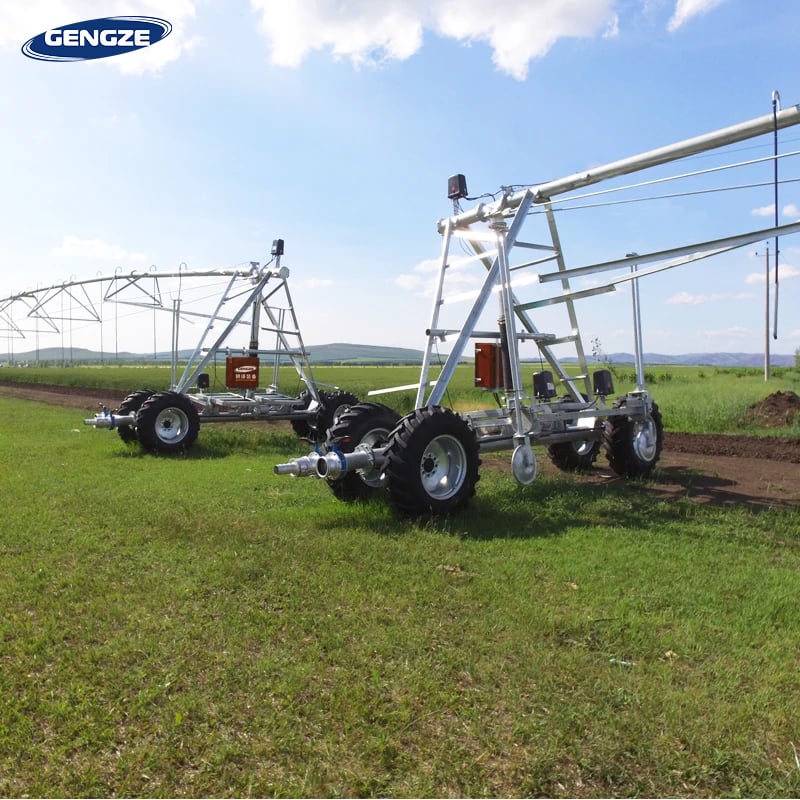
Motor Type: Electric or hydraulic motors are common; electric motors are generally easier to maintain and operate quietly, while hydraulic systems can offer higher torque for challenging terrain.
Drive Mechanism: The drive system can be gear-driven or chain-driven. Gear-driven systems tend to be more durable and require less maintenance.
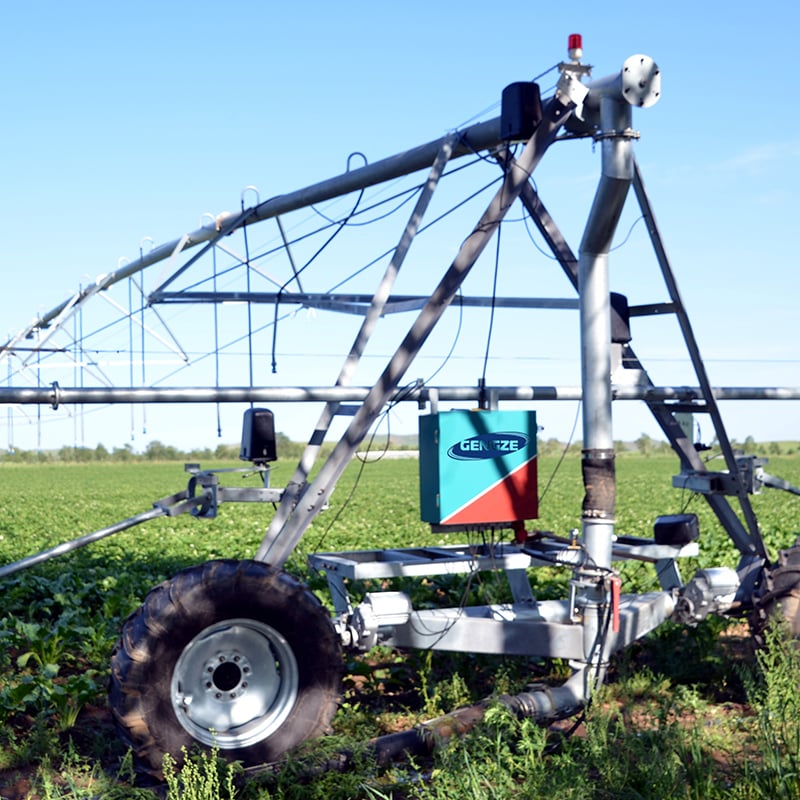
Control System: Modern systems may come with advanced control options for precision irrigation. Consider systems that offer remote monitoring capabilities.
Understanding these specifications allows buyers to align their requirements with the product capabilities, ensuring the system's performance matches the intended agricultural application.
When purchasing a center pivot irrigation system, consider several essential factors:
Soil Type and Crop Requirements: Different crops and soil types have varying water needs. Assessing these requirements helps determine the appropriate system configuration and operation frequency.
Water Source Quality and Availability: The quality of water (salinity, sediment content) can affect system performance and longevity. Ensure the system is compatible with your water source to avoid issues such as clogging and corrosion.
Field Layout and Topography: The layout of your fields, including slopes and obstacles like trees or buildings, can impact how effectively a pivot system operates. Systems may need to be customized to navigate these challenges.
Customization Options: Many manufacturers, including Dalian Gengze, offer custom configurations tailored to specific agricultural needs. This can include varying pivot arm lengths, nozzle types, and control systems.
Warranty and Support: Evaluate the warranty terms and after-sales support offered by the manufacturer. Reliable support can be crucial for resolving issues quickly and minimizing downtime.
By carefully assessing these factors, buyers can make informed decisions that lead to successful irrigation management.
Proper installation is crucial for the effective operation of a center pivot irrigation system. Here are some essential steps to follow:
Site Preparation: Ensure the installation area is free from debris and any obstructions. Leveling the ground is essential to prevent uneven water distribution.
Layout Planning: Mark the pivot path clearly, taking into account the radius and reach of the pivot. This will help visualize how the system will operate within the field.
Assemble Components: Follow the manufacturer's guidelines for assembly. It's vital to check that all parts are included and undamaged before beginning installation.
Connect Water Supply: Ensure that the water source is properly connected, and test the flow rate to confirm it meets system specifications.
Calibration: Once installed, calibrate the system according to the manufacturer's instructions. This includes setting appropriate pressure levels and checking for leaks.
Testing: Conduct a thorough test run of the system to identify any issues. Monitor for even water distribution and adjust as necessary.
Following these guidelines will facilitate a successful installation, ensuring your center pivot irrigation operates efficiently from the outset.
Understanding the cost factors associated with center pivot systems is essential for budgeting purposes. Key cost components include:
Initial Purchase Price: The base price of the pivot system can vary significantly based on specifications, size, and features. Consider not just the upfront cost but also the long-term value offered by the center pivot system.
Installation Costs: Expenses related to site preparation and installation labor should be included in your budget. Depending on the complexity of the installation, professional services might be necessary.
Maintenance and Operating Costs: Long-term maintenance costs can include replacements for wear parts, routine servicing, and energy costs associated with running the system. A well-maintained system can reduce these costs over time.
Financing Options: Explore financing options that may be available through the manufacturer or agricultural financing institutions. This could ease the initial financial burden.
Resale Value: Consider the potential resale value of the system. High-quality equipment typically retains value better, which can be beneficial if you decide to upgrade in the future.
By considering these factors, buyers can create a comprehensive budget that reflects both immediate and long-term costs associated with center pivot systems.
Center pivot systems are versatile tools in modern agriculture, serving various applications:
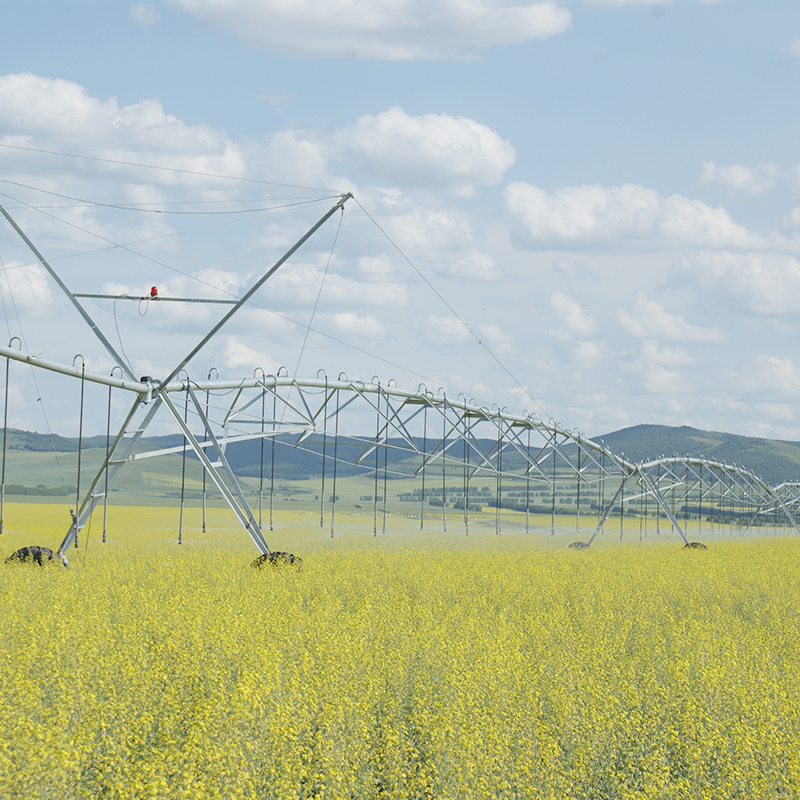
Row Crops: They are ideal for irrigating row crops like corn, soybeans, and cotton, providing uniform water distribution essential for crop health and yield.
Pasture and Forage: These systems can efficiently irrigate pastures, improving the quality and quantity of forage for livestock.
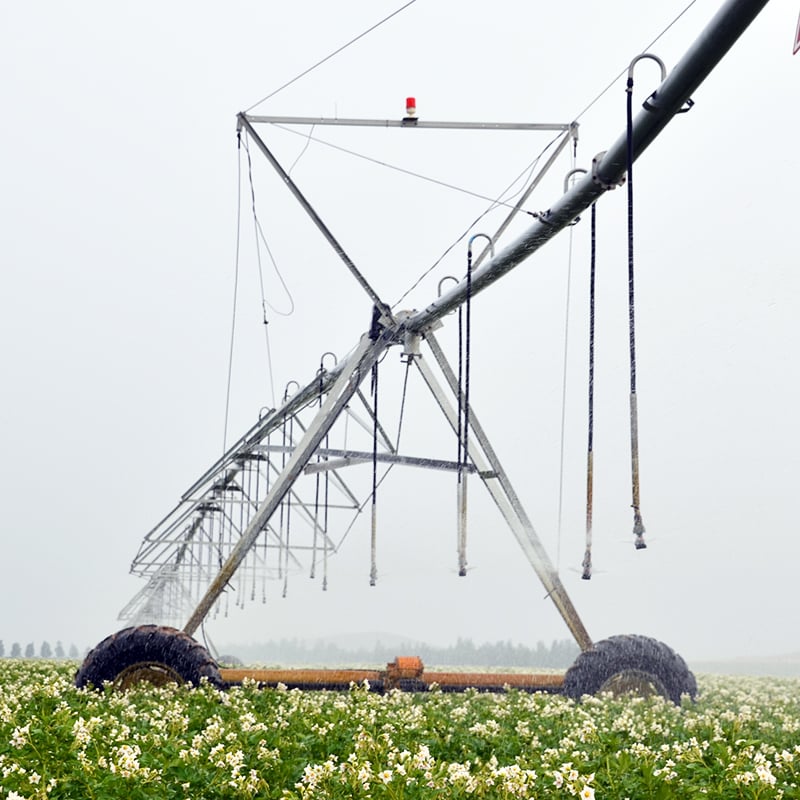
Specialty Crops: For growers of specialty crops such as fruits and vegetables, center pivot systems can be adapted to meet specific irrigation needs, enhancing growth and harvest outcomes.
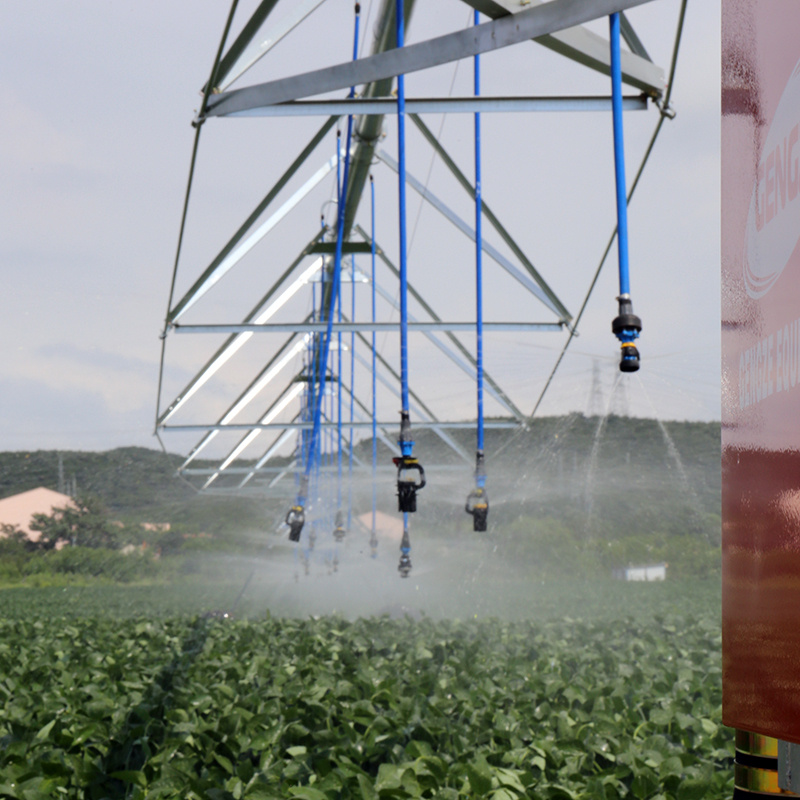
Efficiency in Water Use: Modern center pivot systems are designed to minimize water wastage through advancements in technology, enabling better resource management and sustainability.
Variable Rate Irrigation: Advanced systems allow for variable rate irrigation, where water application is adjusted based on specific crop needs or soil moisture levels, leading to increased efficiency and reduced consumption.
By understanding these applications, buyers can appreciate the broad utility of center pivot systems and how they can be optimized for various agricultural practices.
Investing in a center pivot system requires careful consideration of specifications, installation, costs, and applications. By understanding these elements and leveraging the expertise of reputable manufacturers like Dalian Gengze Agricultural Equipment Manufacturing Co., Ltd., buyers can make informed decisions that enhance their agricultural operations.

Dalian Gengze Agricultural Equipment Manufacturing Co.,Ltd
Copyright © Dalian Gengze Agricultural Equipment Manufacturing Co.,Ltd All Rights Reserved | Blog | Privacy Policy
 EN