Requesting a Call:
Online Support
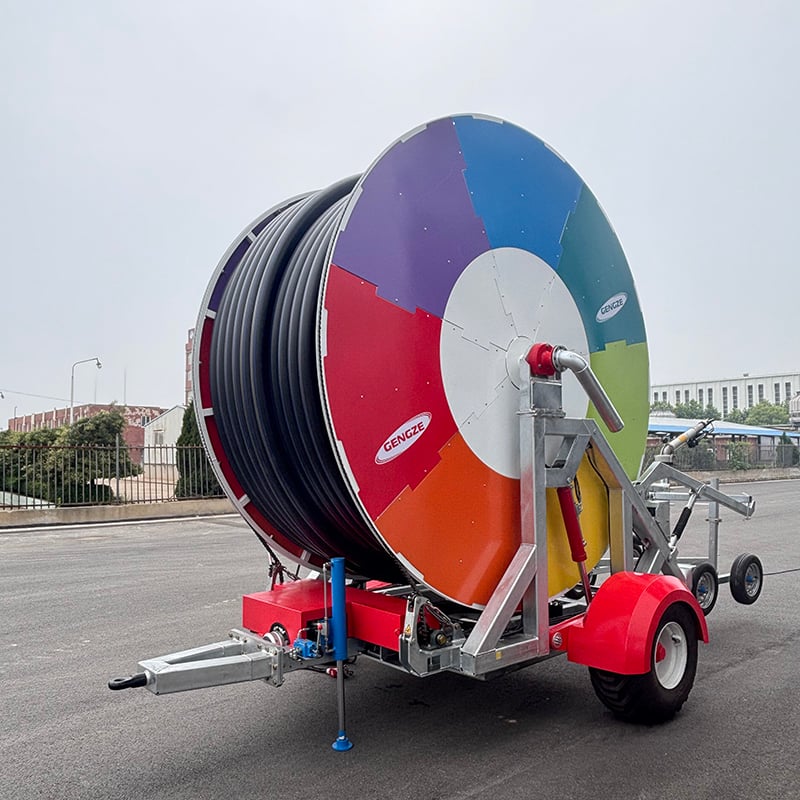
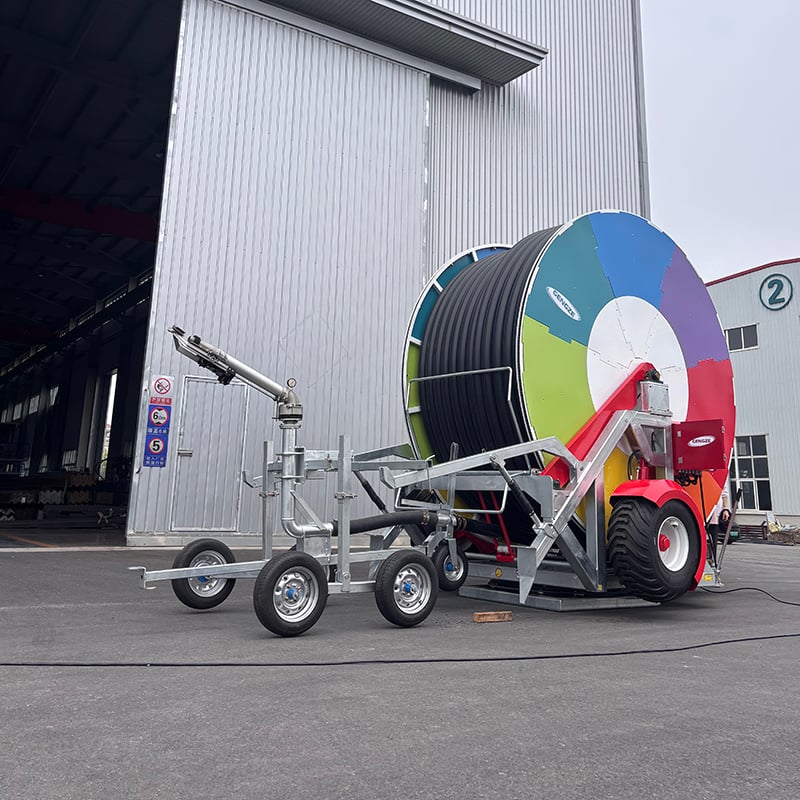
Circle irrigation systems are essential for efficient agricultural water management, allowing farmers to optimize water usage while ensuring healthy crop yields. As a professional buyer, understanding the nuances of selecting the right circle irrigation system is crucial to meeting your operational needs. This article will cover critical considerations, cost factors, common installation challenges and their solutions, applications of circle irrigation in modern agriculture, and material advantages to help you make informed purchasing decisions.
When selecting a circle irrigation system, several key factors must be taken into account. First, assess the size and layout of your fields. This will determine the diameter of the irrigation system you need. For larger fields, a center pivot system may be more efficient, while smaller plots could benefit from lateral move systems.
Next, consider the water source and pressure available. Different irrigation systems require varying water pressures for optimal operation. Ensure that your water supply can meet these demands. Additionally, evaluate the soil type and crop requirements. Some crops may require more frequent watering or specific irrigation patterns, which can influence your choice of system.
Another important consideration is the ease of installation and maintenance. Systems that are simpler to install and maintain can save time and reduce operational downtime. Look for manufacturers that provide comprehensive installation guides and customer support.
Lastly, think about customization options. Many manufacturers, including Dalian Gengze Agricultural Equipment Manufacturing Co., Ltd, offer tailored solutions to meet specific agricultural needs. Customization can include adjustments to the system layout or features that enhance efficiency.
The cost of best center pivot irrigation system systems can vary significantly depending on several factors. Initially, the size and complexity of the system will play a significant role in determining the price. Larger systems with advanced technology tend to have higher upfront costs.
Materials used in construction also impact pricing. For instance, systems made from high-quality, corrosion-resistant materials may have a higher initial cost but can offer better longevity and lower maintenance expenses in the long run.
Installation costs should not be overlooked. Depending on the complexity of the system, you may need to factor in additional labor costs for setup. Furthermore, the availability of local service technicians for installation and maintenance can influence long-term operational costs.
Finally, consider the potential savings on water and energy that a highly efficient irrigation system can provide. Investing in a quality system may yield significant cost benefits over time by reducing waste and lowering utility bills.
Installing circle irrigation systems can present several challenges. One common issue is improper leveling of the system, which can lead to uneven water distribution. To avoid this, ensure that the ground is adequately prepared and leveled before installation. Utilizing professional installation services can mitigate this risk.
Another challenge is ensuring proper alignment of the system. Misalignment can cause unnecessary wear on components and reduce efficiency. During the installation phase, take the time to carefully align the pivot points and check for any obstructions that could affect movement.
Water pressure inconsistencies can also pose problems. Before installation, measure the pressure and flow rates from your water source. If the pressure is too low, consider installing a booster pump to ensure optimal performance.
Lastly, be aware of local regulations regarding water usage and irrigation practices. Compliance with these regulations is essential to avoid penalties and ensure sustainable water management practices.
Circle irrigation systems are widely utilized across various agricultural applications, offering flexibility and efficiency. They are particularly effective for row crops such as corn, soybeans, and wheat, where precise water application is crucial for optimal growth.
These systems can also be adapted for use in specialty crops, orchards, and vineyards. By providing targeted irrigation, growers can enhance yield quality and reduce water waste. Additionally, modern liquid fertilizer tanker systems often integrate advanced technologies like soil moisture sensors and automated controls, allowing for precise management of water resources.
In regions with limited water availability, circle irrigation is especially beneficial. It helps maximize water efficiency, ensuring that crops receive the necessary hydration while conserving precious resources. This adaptability makes circle irrigation systems a vital tool in modern sustainable farming practices.
The materials used in the construction of liquid fertilizer tankers for sale systems significantly affect their durability and performance. Common materials include galvanized steel, aluminum, and plastic. Each material has its advantages and considerations.
Galvanized steel is known for its strength and resistance to corrosion, making it a popular choice for long-lasting systems. It is particularly suitable for regions with harsh environmental conditions. However, it may require more maintenance over time compared to other materials.
Aluminum, on the other hand, offers a lightweight option that is easier to transport and install. It is also resistant to corrosion, making it suitable for applications where soil and water conditions may be variable. However, its initial cost may be higher than that of steel.
Plastic components are often used for certain fittings and pipes due to their flexibility and resistance to corrosion. They can be a cost-effective choice, but buyers should consider their overall lifespan and performance under varying temperature and pressure conditions.
When evaluating materials, it is crucial to consider the specific environmental conditions where the system will be used. Factors such as soil salinity, moisture levels, and temperature fluctuations can impact the longevity and effectiveness of the materials chosen.
selecting the right circle irrigation system requires careful consideration of various factors, including project requirements, cost implications, installation challenges, and material advantages. By understanding these elements, buyers can make informed decisions that enhance agricultural productivity while ensuring efficient resource management.

Dalian Gengze Agricultural Equipment Manufacturing Co.,Ltd
Copyright © Dalian Gengze Agricultural Equipment Manufacturing Co.,Ltd All Rights Reserved | Blog | Privacy Policy
 EN