Requesting a Call:
Online Support
Circle irrigation systems are essential for modern agricultural practices, providing efficient water distribution to crops while minimizing waste. As a leading circle irrigation equipment manufacturer, Dalian Gengze Agricultural Equipment Manufacturing Co., Ltd has over 20 years of experience in this industry, specializing in high-efficiency and cost-competitive products. This article is designed to assist purchasing managers, distributors, and agricultural engineers in understanding key considerations when evaluating circle irrigation system. We will cover what to look for, provide a buyer’s guide, discuss cost factors, outline the step-by-step purchasing process, and detail applications of circle irrigation equipment in agriculture.
When selecting circle irrigation equipment, several critical factors should be considered:
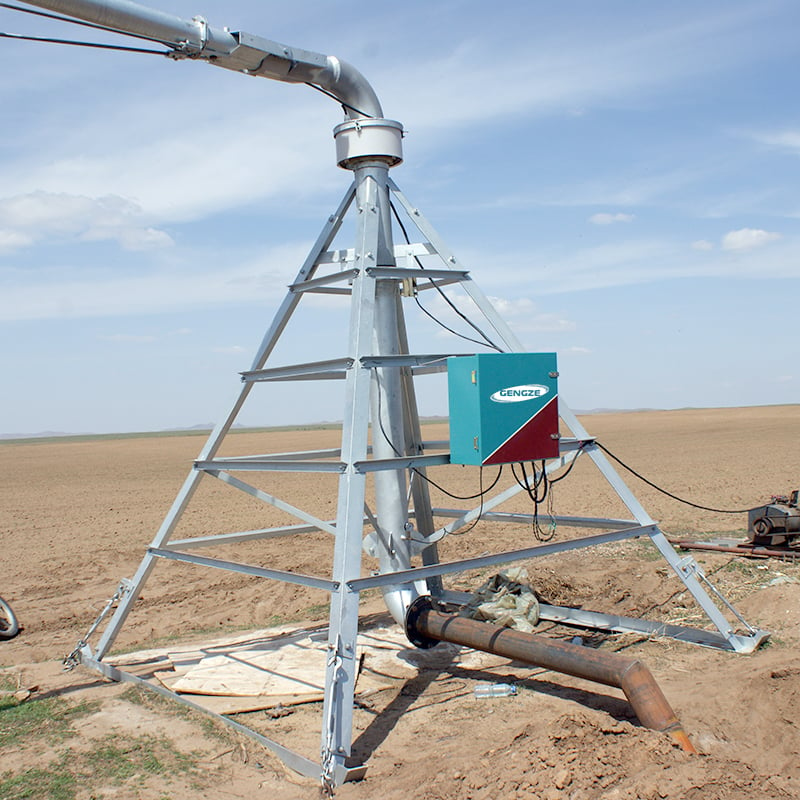
System Type: Understand the different types of circle irrigation systems available, such as center pivots and lateral moves. Each has its own advantages based on the layout of the fields and crop types.
Size and Coverage Area: Assess the size of the area you need to irrigate. The diameter of the circle pivot irrigation is crucial for ensuring that the entire field receives adequate water.
Water Source Compatibility: Ensure that the irrigation system can efficiently utilize your water source, whether it is from wells, rivers, or reservoirs. This includes checking pump specifications and flow rates.
Material Quality: Look for systems made from durable materials that can withstand harsh environmental conditions. High-quality steel and corrosion-resistant components are preferred for longevity.
Ease of Maintenance: Evaluate designs that allow for straightforward maintenance and repairs to minimize downtime during the growing season.
Control Systems: Modern systems often include advanced control technologies for remote monitoring and automated adjustments, improving efficiency and ease of use.
Customization Options: Consider whether the manufacturer offers tailored solutions to meet specific agricultural needs, such as varying crop types or unique field layouts.
When preparing to purchase circle irrigation equipment, follow these guidelines to ensure a successful transaction:
Define Your Needs: Clearly outline your irrigation requirements, including the types of crops, soil conditions, and water availability.
Research Suppliers: Identify reputable circle irrigation pivots equipment manufacturers, like Dalian Gengze, that have a proven track record and positive customer feedback.
Request Quotes: Provide detailed specifications when requesting quotes, including required dimensions, materials, and any custom features. This will help suppliers provide accurate pricing.
Evaluate Samples: Before finalizing an order, request samples or demonstration units to assess quality and functionality in real-world conditions.
Inspect Quality Control Processes: Inquire about the manufacturer’s quality assurance protocols to ensure that the equipment meets industry standards and your specific requirements.
Understand Lead Times: Discuss production lead times and delivery schedules to align with your planting and growing seasons.
Review Warranty and Support Options: Ensure the manufacturer offers adequate warranty coverage and post-purchase support for installation and maintenance.
The cost of circle irrigation systems can vary significantly based on several factors:
System Size: Larger systems will typically have a higher upfront cost but may offer better long-term efficiency in water usage.
Material Choices: The choice of materials can impact both initial costs and long-term durability. High-quality materials may have a higher upfront cost but can reduce maintenance expenses over time.
Technology Integration: Advanced features such as automated controls and sensors may increase costs but can enhance efficiency and reduce labor requirements.
Customization Requirements: Custom-designed systems tailored to specific agricultural practices may incur additional costs. It’s essential to weigh these costs against the potential benefits.
Installation Fees: Consider whether the purchase price includes installation or if there will be additional charges for setup and training.
Operating Costs: Assess ongoing expenses, including energy costs for pumps and maintenance requirements, to understand the total cost of ownership.
To streamline the purchasing process for circle irrigation equipment, follow these steps:
Initial Consultation: Engage with a supplier to discuss your specific irrigation needs and gather preliminary information about available systems.
Site Assessment: Conduct a detailed assessment of your fields, including soil type, existing infrastructure, and water sources, to inform system selection.
Specification Confirmation: Confirm technical specifications with the supplier, ensuring that the selected system meets your operational requirements.
Quotation Review: Analyze quotes from multiple suppliers, focusing on pricing, included services, and warranty terms.
Sample Evaluation: If applicable, evaluate samples or prototypes to ensure they meet your expectations in terms of quality and performance.
Final Decision: Select a supplier based on technical fit, pricing, and support offerings, then proceed with the order.
Installation and Training: Coordinate installation and ensure proper training for your team on the new equipment to maximize efficiency and minimize operational disruptions.
Circle irrigation systems are versatile tools that can be applied in various agricultural practices, including:
Field Crops: These systems are ideal for irrigating field crops like corn, soybeans, and wheat, where uniform moisture distribution is crucial for optimal yields.
Fruit and Vegetable Production: Growers of fruits and vegetables benefit from the precise control of water application, which can improve crop quality and reduce waste.
Pasture and Hay Production: Farmers producing hay or grazing livestock can utilize circle irrigation to maintain healthy pasture conditions, ensuring a steady supply of forage.
Specialty Crop Cultivation: For specialty crops requiring specific water regimes, circle irrigation systems can be customized to meet unique irrigation needs.
Sustainability Practices: Many modern circle irrigation systems incorporate water-saving technologies, promoting sustainable farming practices by reducing overall water consumption.
Selecting the right circle irrigation equipment involves careful consideration of specifications, supplier credibility, and long-term operational costs. By following a structured approach to purchasing, including thorough research and evaluation, agricultural professionals can make informed decisions that enhance productivity and sustainability in their farming operations.

Dalian Gengze Agricultural Equipment Manufacturing Co.,Ltd
Copyright © Dalian Gengze Agricultural Equipment Manufacturing Co.,Ltd All Rights Reserved | Blog | Privacy Policy
 EN