Requesting a Call:
Online Support
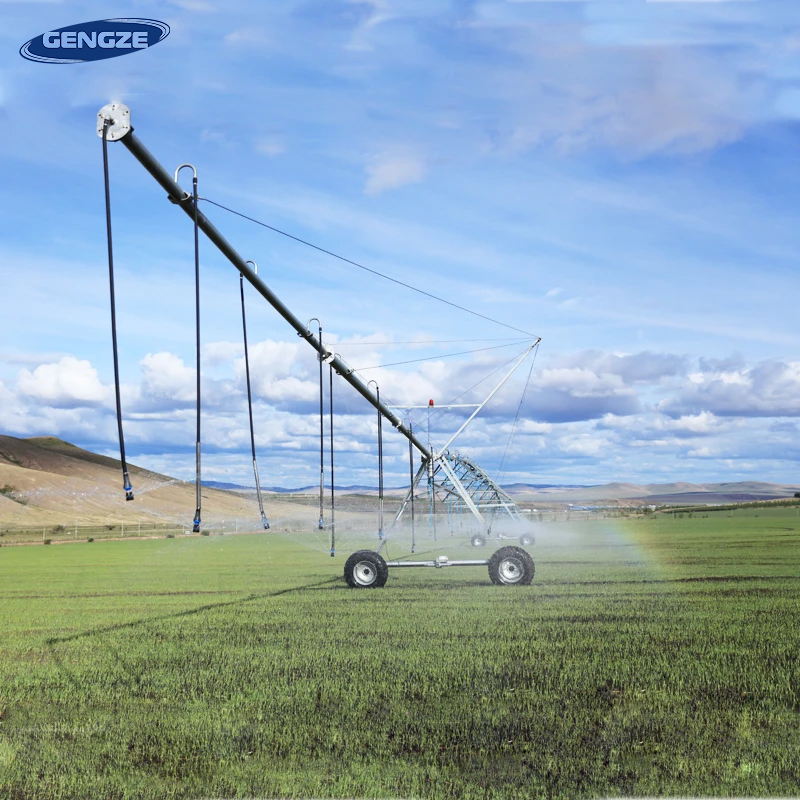
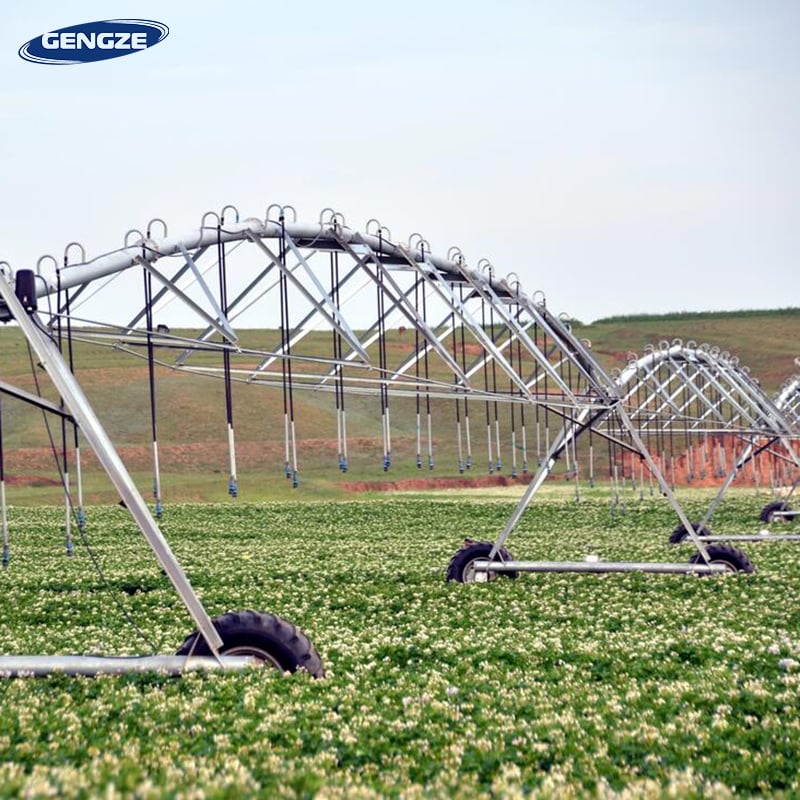
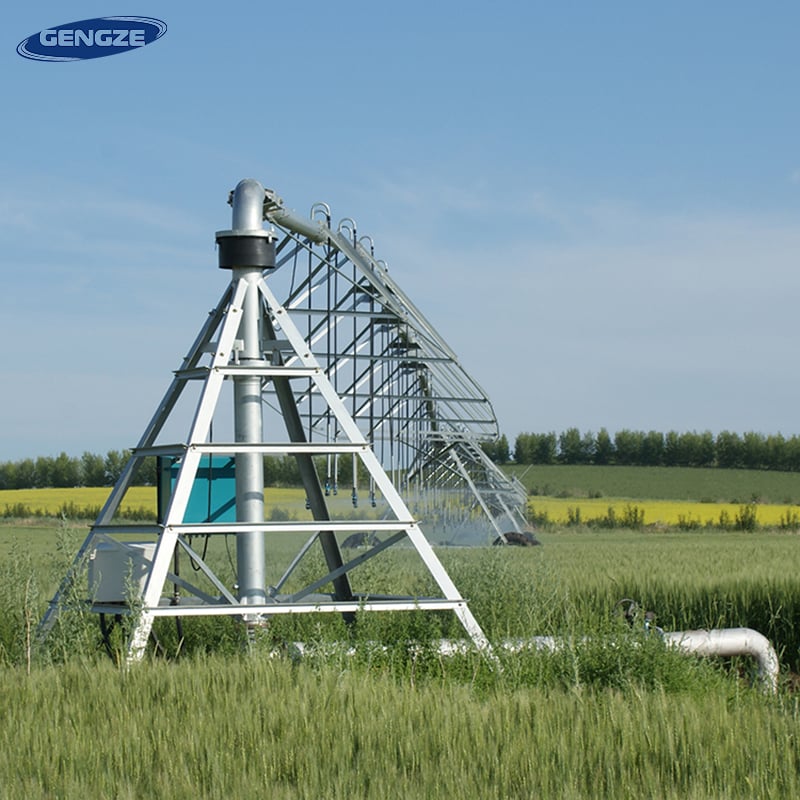
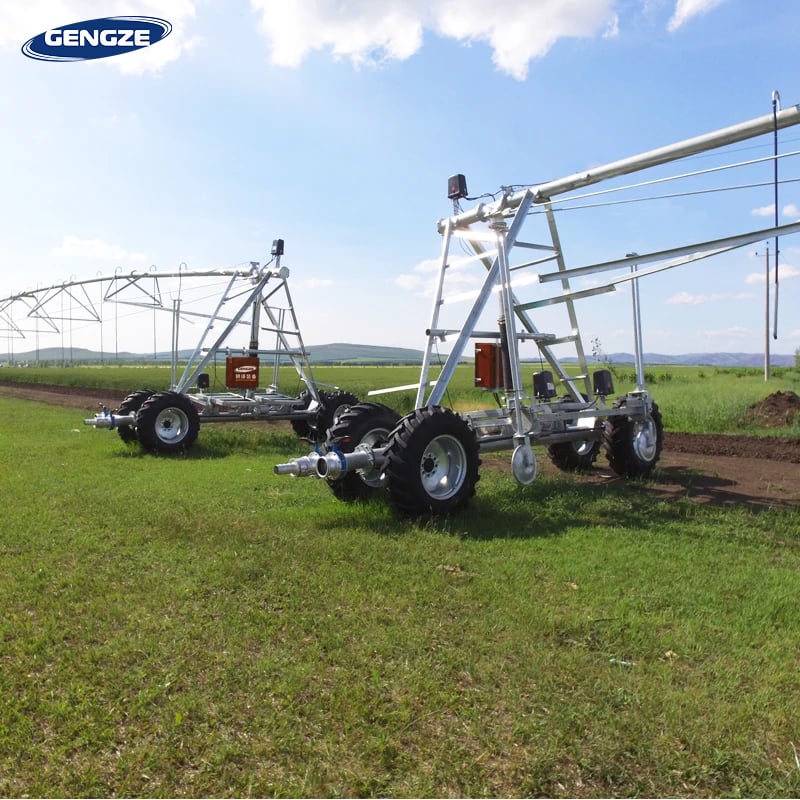
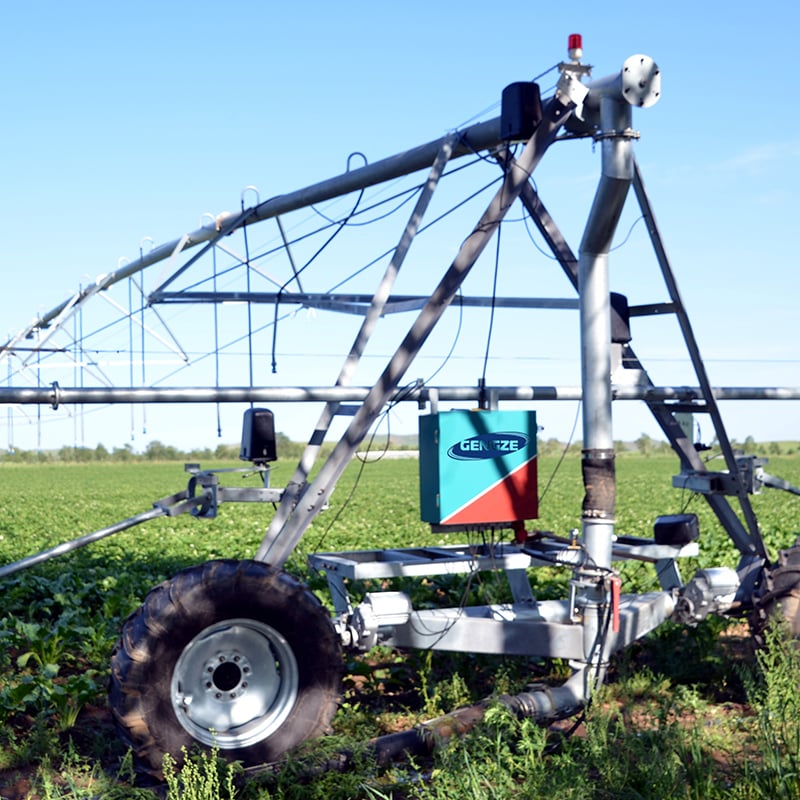
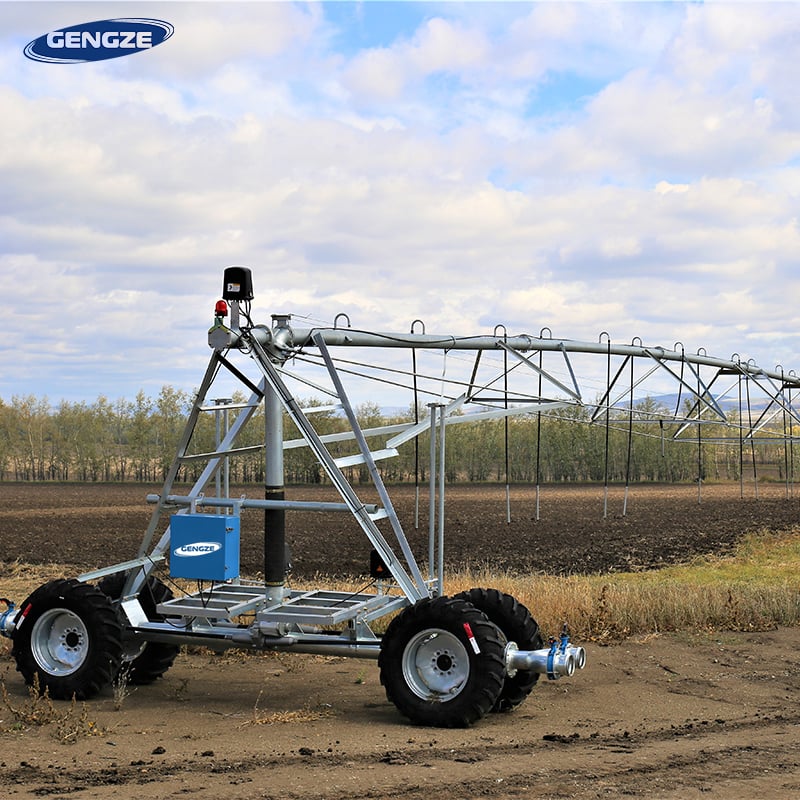
Electric pivot irrigation systems are advanced agricultural technologies that allow farmers to optimize water usage for crop irrigation. These systems utilize a series of rotating booms that pivot around a central point, ensuring uniform water distribution across large fields. B2B buyers, such as purchasing managers, agri-engineers, and product managers, often seek reliable, efficient, and cost-effective solutions to enhance agricultural productivity. This article will guide you through the considerations for choosing electric pivot irrigation systems, sourcing options, cost factors, common issues, and their applications in modern agriculture
When selecting an electric pivot irrigation system cost, several key factors should be evaluated to ensure that the system meets the specific needs of your agricultural operation
Field Size and Shape: The dimensions and configuration of your fields directly influence the choice of system. Electric pivots are typically suitable for circular fields, but variations like linear or lateral move systems may be necessary for rectangular plots
Water Supply and Quality: Assessing the available water source is crucial. Systems need to be compatible with the water quality regarding salinity and sediment load, as these factors can impact the longevity and efficiency of the equipment
Soil Type: Different soil conditions affect water infiltration rates. Understanding your soil type (sandy, clay, loamy) helps in determining the irrigation frequency and method
Crop Type: The irrigation needs vary by crop. For instance, deep-rooted crops may require different watering schedules than shallow-rooted ones. Ensure the system can cater to the specific needs of your crops
System Features: Look for systems equipped with advanced features such as automated controls, remote monitoring, and precision application technology that allow for better management of water resources and reduced labor costs
Budget and Total Cost of Ownership: Evaluate not just the upfront costs but also the long-term operational costs. Consider factors such as energy consumption, maintenance needs, and potential savings from improved water efficiency
Sourcing an electric pivot irrigation system involves identifying reputable manufacturers and suppliers who can meet your specific requirements. When approaching suppliers, consider the following
Manufacturer Experience: Look for companies with a proven track record in agricultural equipment manufacturing. Dalian Gengze Agricultural Equipment Manufacturing Co., Ltd., for instance, has over 20 years of experience and offers a range of high-efficiency irrigation systems
Product Customization: Discuss customization options that allow you to tailor the system to your operational needs. Factors such as pivot length, control systems, and additional features should be considered
Quality Assurance: Ensure the manufacturer adheres to stringent quality control processes. Ask for information regarding certifications and testing procedures that guarantee the reliability and durability of the systems
Support and Service: Evaluate the level of post-purchase support offered, including installation, maintenance, and troubleshooting services. Reliable after-sales support can significantly reduce downtime and operational disruptions
Lead Times and Availability: Confirm delivery timelines and stock availability. Depending on your planting schedule, timely delivery of the irrigation system is critical
The cost of electric pivot irrigation systems can vary widely depending on several factors
System Size and Configuration: Larger systems and those with more complex configurations will typically incur higher costs. The required length of the pivot and the number of spans are critical in determining the price
Technology and Features: Advanced technology, such as precision irrigation sensors and automated controls, can increase initial costs but may lead to long-term savings through improved efficiency
Installation Costs: Installation is a significant part of the total cost. Ensure you account for any site preparation, additional equipment needed, and labor required for proper setup
Operational Costs: Ongoing expenses such as electricity for the system, maintenance, and potential repairs should be factored into your overall budget. Regular maintenance ensures long-term efficiency and can prevent costly breakdowns
Financing and Incentives: Investigate financing options and potential agricultural incentives that might help offset costs. Some programs support the adoption of water-efficient technologies, which could provide financial relief
Like any agricultural equipment, electric pivot irrigation systems can face challenges. Here are some common issues and their solutions
Uneven Water Distribution: This can occur due to misalignment or mechanical failures. Regularly check the system’s calibration and alignment, and conduct maintenance to ensure all components are functioning correctly
Electrical Failures: Power outages or electrical faults can disrupt operations. Investing in a reliable power supply and backup systems can mitigate this risk. Regular inspection of electrical components is essential
Wear and Tear on Components: Over time, components such as gearboxes and motors may wear out. Establishing a routine maintenance schedule can help identify and rectify issues before they lead to system failure
Soil Compaction: Heavy machinery can lead to soil compaction, affecting water infiltration. Implementing practices such as reduced tillage and using lighter equipment can alleviate this issue
Clogged Nozzles: Debris in the water supply can clog nozzles, leading to inconsistent irrigation. Regular maintenance and the installation of filtration systems can help prevent this problem
Electric pivot irrigation systems play a crucial role in various agricultural applications
Field Crops: These systems are widely used for irrigating staple crops such as corn, soybeans, and wheat, ensuring optimal growth conditions and maximizing yields
High-Value Crops: For crops like fruits and vegetables that require precise water management, electric pivots provide the flexibility and control needed for successful cultivation
Pasture and Hay Production: In livestock operations, maintaining healthy pasture conditions is essential. Electric pivot systems can efficiently irrigate pasture lands, supporting livestock health
Specialty Crop Farming: Growers of specialty crops benefit from the precision and efficiency of electric pivot systems, which allow for tailored irrigation strategies that enhance product quality
Sustainable Agriculture: With the increasing focus on sustainable practices, electric pivot irrigation systems are an effective tool for reducing water waste and improving resource management in agriculture
By understanding these factors and considerations, B2B buyers can make informed decisions about electric pivot irrigation manufacturers systems, ensuring they select the right solution to meet their agricultural needs effectively

Dalian Gengze Agricultural Equipment Manufacturing Co.,Ltd
Copyright © Dalian Gengze Agricultural Equipment Manufacturing Co.,Ltd All Rights Reserved | Blog | Privacy Policy
 EN