Requesting a Call:
Online Support
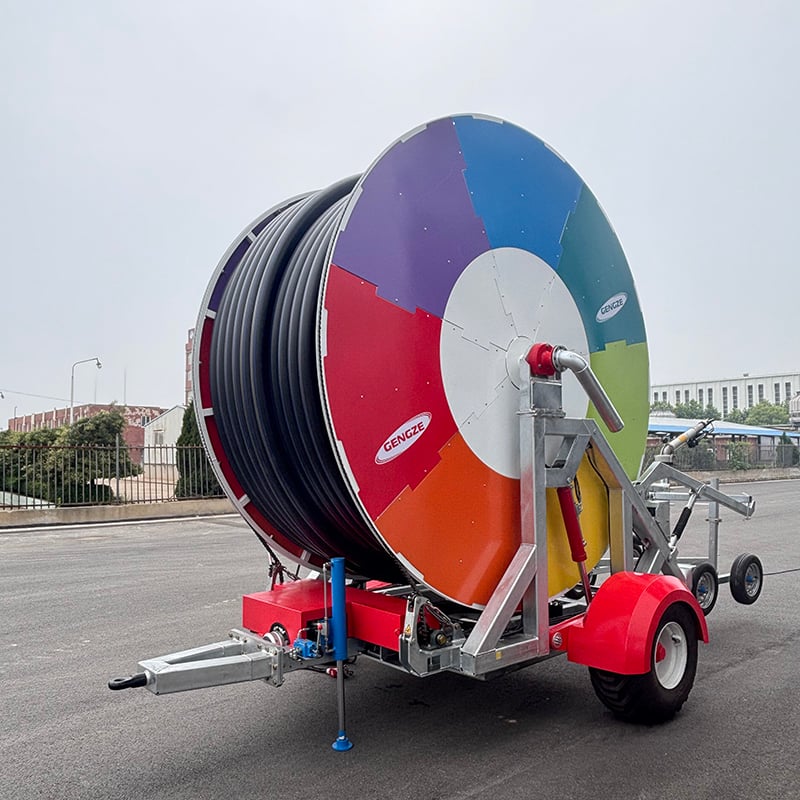
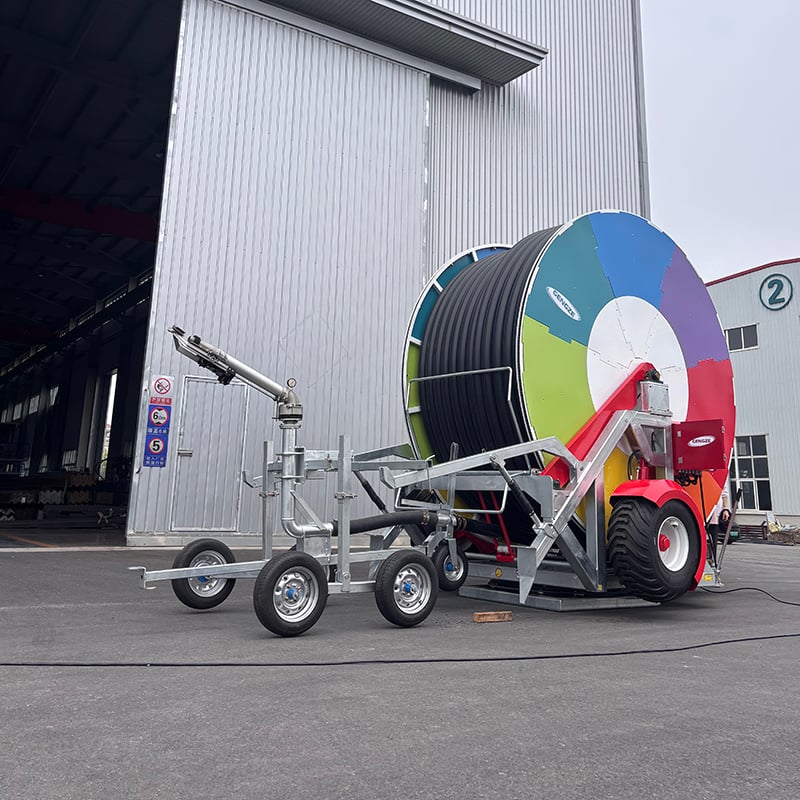
Hose reel irrigation sprinklers are essential tools for efficient agricultural irrigation systems, designed to deliver water effectively across various crop fields. These systems help farmers optimize water usage while ensuring uniform distribution, which is critical for crop health and yield. B2B buyers, including purchasing managers and agricultural engineers, often have concerns regarding product specifications, quality, and application suitability. This article aims to address these concerns by providing detailed insights into sourcing, evaluating, and utilizing hose reel irrigation sprinklers for agricultural applications.
When sourcing hose reel irrigation sprinkler or hose reel sprinkler systems, it is crucial for buyers to partner with a reliable manufacturer like Dalian Gengze Agricultural Equipment Manufacturing Co., Ltd, which has over 20 years of experience in the agricultural equipment sector. Look for suppliers that offer a comprehensive range of sprinkler models designed for different irrigation needs, ensuring they meet the specific requirements of your agricultural practices
Consider the manufacturer's production capabilities and quality control processes. A reputable supplier should have a proven track record of delivering high-efficiency and cost-competitive products. Additionally, checking customer reviews and testimonials can provide insights into the supplier's reliability and product performance. Ensure that the supplier can accommodate bulk orders and provide customization options to meet particular application requirements
When evaluating hose reel irrigation sprinkler systems, several specifications are critical for ensuring optimal performance
Flow Rate: This indicates how much water the sprinkler can distribute per minute, affecting irrigation efficiency and coverage area. Evaluate the flow rate based on the specific needs of your crops
Reel Size: The reel's diameter and width determine the length of the hose and the area that can be irrigated. A larger reel may accommodate longer hoses, enabling coverage of extensive fields
Material Quality: Look for sprinklers made from durable materials resistant to corrosion and UV degradation. High-quality materials ensure longevity and reliability, reducing maintenance costs
Pressure Rating: This specification reflects the maximum pressure the system can handle. Ensure the pressure rating aligns with the water supply and application requirements to prevent damage or inefficient operation
Control Mechanisms: Consider systems with advanced control options, such as automated timers or moisture sensors, that enhance irrigation management and water conservation
Proper evaluation of these specifications will help buyers select a hose reel irrigation sprinkler system that meets their agricultural needs while maximizing efficiency
For businesses looking to place bulk orders of irrigation hose reel or hose reel irrigation sprinklers, understanding the supplier's minimum order quantity (MOQ) and pricing structure is essential. Suppliers often provide discounts for larger orders, which can significantly reduce overall costs
When preparing for a bulk order, consider the following
Customizable Features: Discuss customization options with the supplier, including hose lengths, sprinkler types, and additional attachments that may be beneficial for specific crop types
Lead Times: Inquire about production lead times and shipping schedules. Understanding these timelines will help you plan your irrigation needs around the planting and growing seasons
Quality Assurance: Ensure that the supplier conducts thorough quality inspections before shipping. Request samples or conduct site visits if possible to evaluate the quality of the products firsthand
By establishing clear communication with suppliers regarding these factors, businesses can effectively manage their bulk purchasing of hose reel irrigation sprinklers
While hose reel irrigation systems are efficient, they can encounter several common issues. Recognizing these problems early can prevent downtime and ensure consistent irrigation
Clogged Sprinkler Heads: Debris can accumulate in the sprinkler heads, leading to uneven water distribution. Regular maintenance, including cleaning and flushing the system, can prevent this issue
Hose Kinks and Leaks: Kinks in the hose can restrict water flow, while leaks can waste water and reduce efficiency. Ensure proper handling and storage of hoses, and consider investing in high-quality, kink-resistant materials
Pressure Fluctuations: Inconsistent water pressure can affect irrigation effectiveness. Install pressure regulators to maintain steady pressure levels and consult with the supplier about compatible components that can help
Inadequate Coverage: If certain areas of the field do not receive adequate water, adjusting the sprinkler settings or repositioning the reels may be necessary. Conducting a test run before full-scale irrigation can help identify coverage issues
By proactively addressing these common problems, agricultural operations can maintain efficient irrigation practices and optimize crop yields
Hose reel irrigation sprinklers are versatile tools suitable for various agricultural applications. They can be used effectively in
Row Crops: Ideal for crops like corn and soybeans, hose reel systems provide targeted water delivery, minimizing wastage and ensuring that roots receive adequate moisture
Vegetable and Fruit Production: These systems support the specific water requirements of sensitive crops, promoting healthy growth and fruit development while reducing disease risks associated with overwatering
Pastures and Lawns: Hose reel sprinklers can also be employed in pasture management, ensuring consistent watering to support livestock forage and maintaining healthy turf in commercial landscaping
Greenhouse Irrigation: In greenhouse settings, precise water delivery is crucial. Hose reel systems can be tailored to meet the specific humidity and moisture needs of various plants
By understanding the diverse applications of hose reel irrigator or hose reel irrigation sprinklers, buyers can make informed decisions about their use in different agricultural contexts, ensuring optimal performance and crop health

Dalian Gengze Agricultural Equipment Manufacturing Co.,Ltd
Copyright © Dalian Gengze Agricultural Equipment Manufacturing Co.,Ltd All Rights Reserved | Blog | Privacy Policy
 EN