Requesting a Call:
Online Support
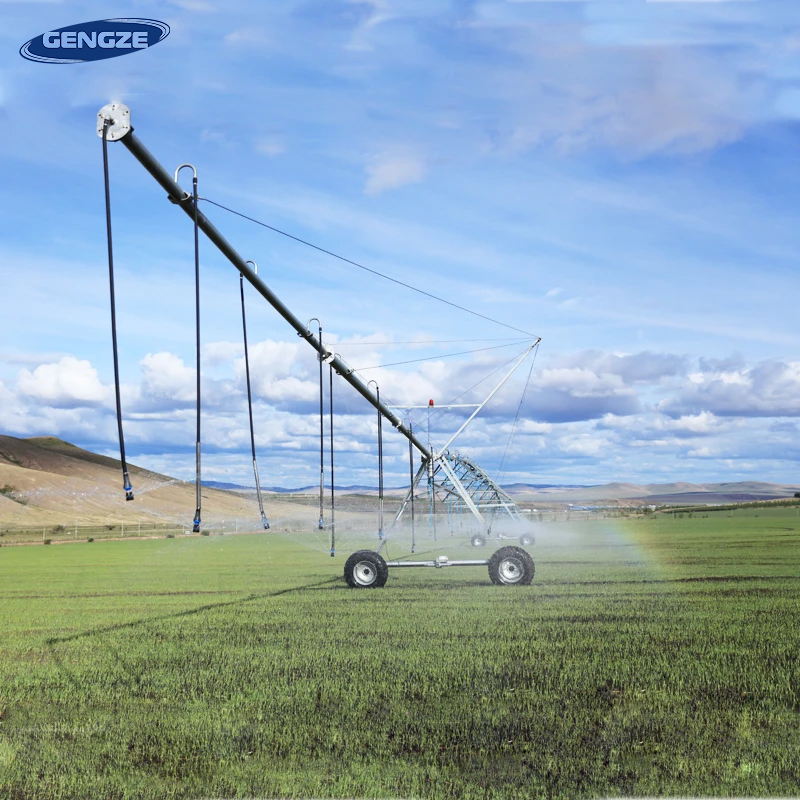
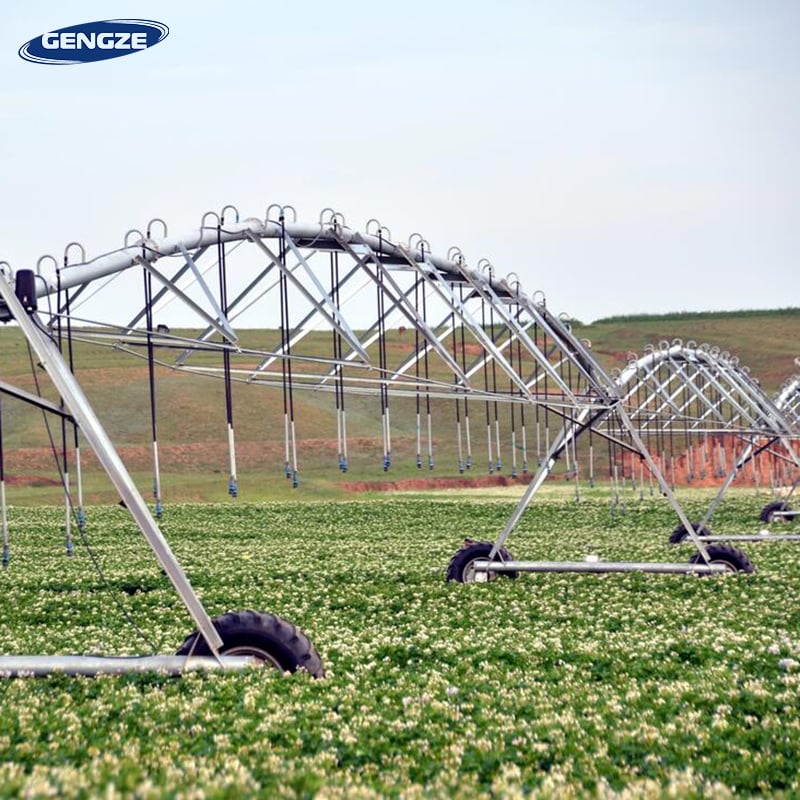
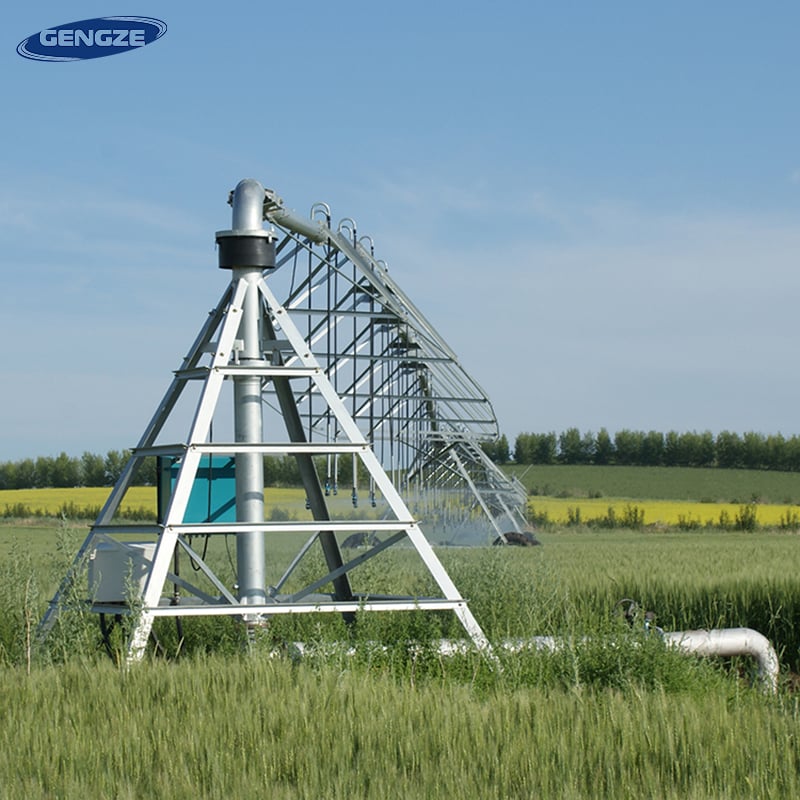
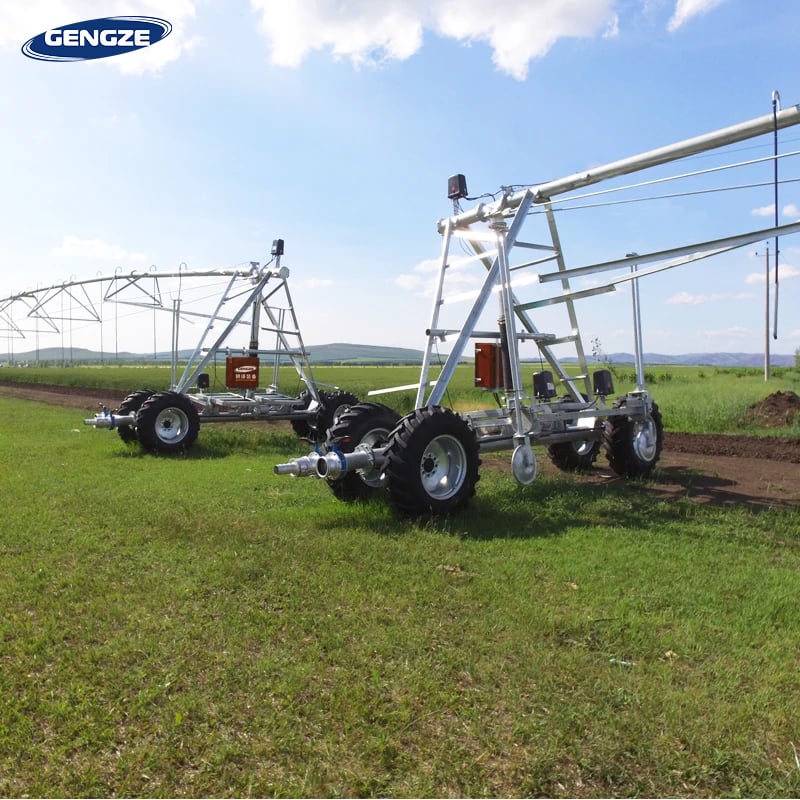
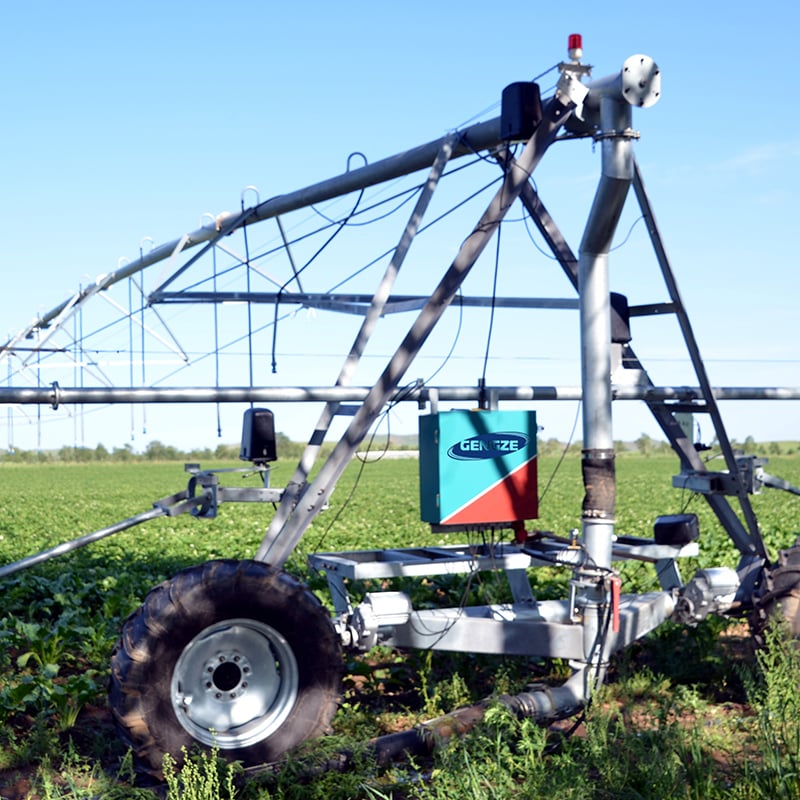
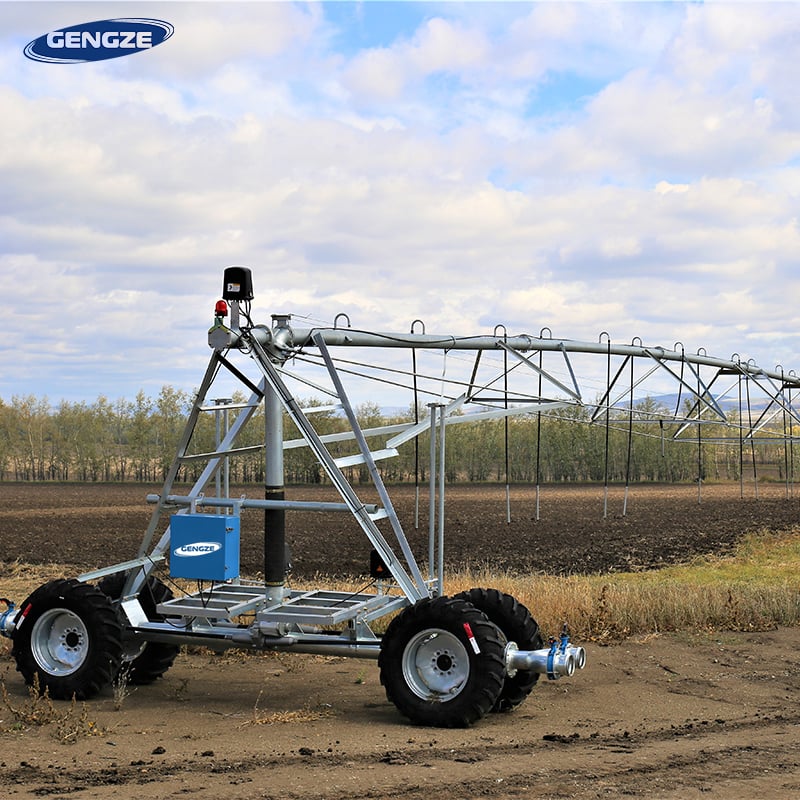
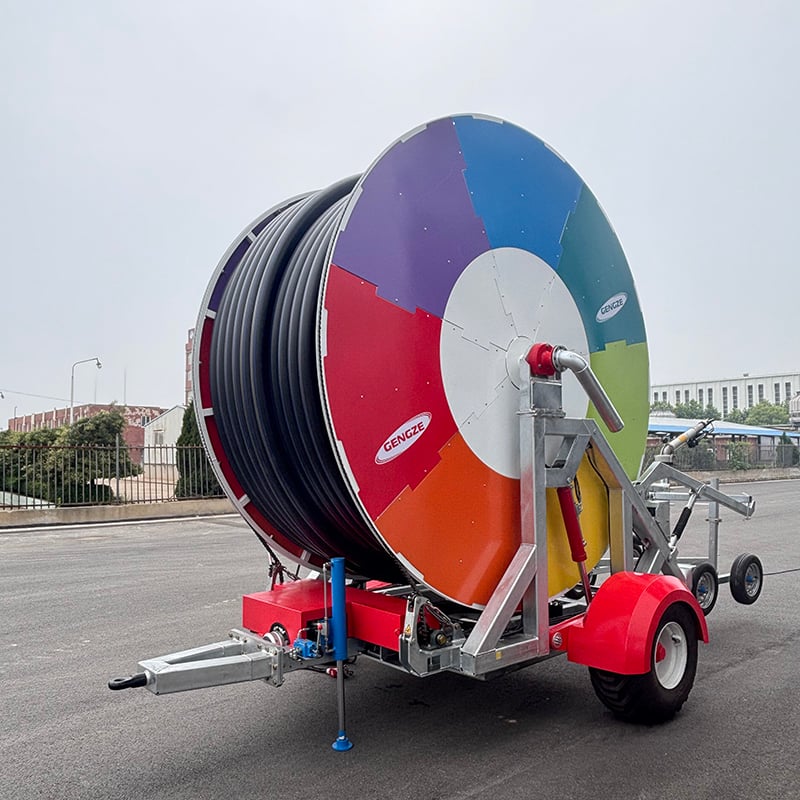
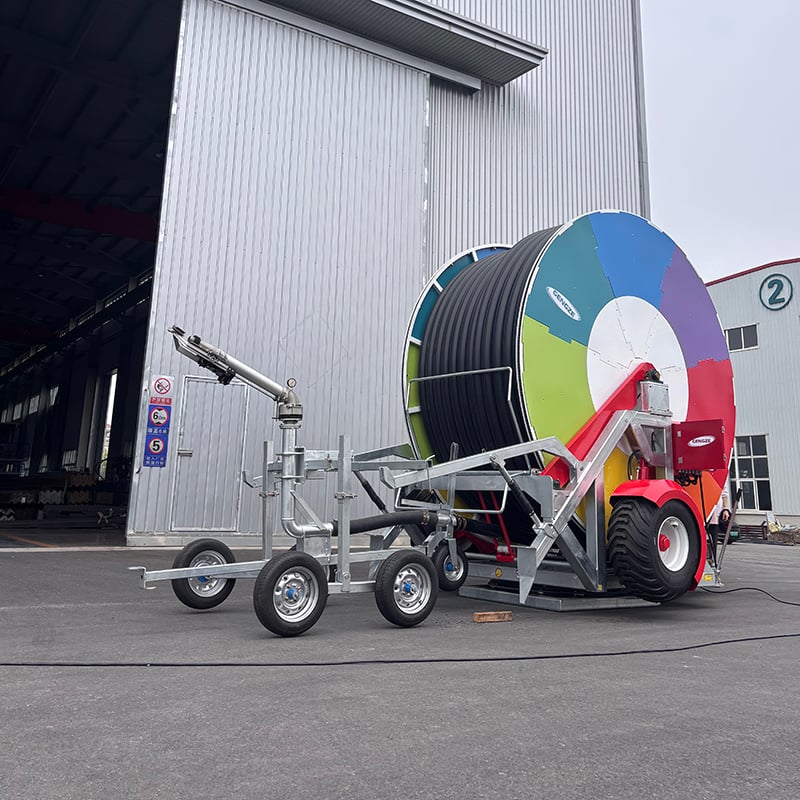
Large center pivot irrigation systems are vital for maximizing agricultural productivity, particularly in regions where water resources are limited. These large-scale irrigation solutions enable farmers to efficiently manage water application over expansive fields, improving crop yields and conserving water. When considering a purchase, buyers often have key concerns such as system compatibility, operational efficiency, and long-term support. This article will provide detailed insights into what to consider when selecting these systems, their specifications, quality evaluations, common issues, and the benefits of bulk ordering.
Selecting the right large liquid fertilizer tanker system involves several factors that directly impact operational efficiency and agricultural output. First, assess the field layout and size, as these will dictate the type and length of the pivot system required. It's essential to consider the specific crops being irrigated, as different plants have varying water needs.
Next, evaluate the water source and pressure availability. The system must be compatible with the existing infrastructure, whether it’s groundwater or surface water. Additionally, consider the required control features, such as automated systems that allow for precise scheduling and monitoring of irrigation activities.
Lastly, think about the manufacturer’s reputation and service offerings. Look for a supplier like Dalian Gengze Agricultural Equipment Manufacturing Co., Ltd, with a strong track record in agricultural equipment, to ensure reliable support and quality equipment.
Understanding the key specifications of large center pivot irrigation systems is critical for making an informed purchasing decision. Key specifications include:
Span Length: This refers to the distance between the pivot point and the end of the system. Longer spans can cover more area but may require more powerful pumps and greater water supply.
Operating Speed: This affects how quickly the system moves across the field. A slower speed allows for more water application but can increase the overall time to irrigate a field.
Water Application Rate: Measured in inches per hour, this specification determines how much water the system can apply to the crops. It should be matched to the crop's water requirements to prevent over or under-irrigation.
Material and Construction: The choice of materials, such as galvanized steel or aluminum, impacts the system's durability and resistance to corrosion. Understanding the material properties will help buyers anticipate maintenance needs.
Control Systems: Modern systems often come with advanced controls, enabling remote monitoring and adjustments. Buyers should consider how these features integrate with existing farm management software.
Evaluating the quality of large center point irrigation system systems is essential to ensure longevity and performance. Key quality indicators include:
Material Durability: Look for systems made from high-quality materials that resist corrosion and wear. A reputable manufacturer will provide information on material specifications and testing.
Manufacturing Precision: Precision in manufacturing affects the fit and operation of the system. Buyers should inquire about the manufacturer's quality control processes, including any certifications they hold.
Warranties and Support: A strong warranty can often indicate the manufacturer’s confidence in their product. Buyers should review what is covered and for how long, as well as the availability of customer support for troubleshooting.
Field Performance: If possible, seek testimonials or case studies from other farmers who have used the equipment. Real-world performance can provide invaluable insights into the system's reliability and efficiency.
Despite their efficiency, large center pivot irrigation systems can encounter various issues. Common problems include:
Mechanical Failures: Components such as gearboxes and motors may fail due to wear and tear. Regular maintenance and timely replacement of worn parts can mitigate this risk.
Water Distribution Issues: Uneven water application can result from blockages in nozzles or leaks in the system. Regular inspections and routine cleaning can help maintain optimal performance.
Power Supply Problems: Fluctuations in electrical supply can affect the operation of electric pivot systems. Investing in a reliable power backup can ensure consistent operation.
Soil Compaction: The weight of the pivot system can cause soil compaction over time, affecting crop growth. Implementing proper field management practices can help alleviate this issue.
Purchasing large center pivot irrigation systems in bulk can offer significant advantages for buyers:
Cost Savings: Bulk purchasing often comes with discounts, reducing the overall cost per unit. This is particularly beneficial for large agricultural operations.
Streamlined Logistics: Ordering multiple units at once can simplify shipping and delivery logistics, reducing the time and effort required to coordinate multiple orders.
Consistency in Equipment: Bulk orders ensure that all systems are manufactured to the same specifications and standards, reducing variability and potential compatibility issues.
Enhanced Supplier Relationships: Establishing a bulk purchasing agreement can foster stronger relationships with manufacturers like Dalian Gengze, leading to better support and service in the long term.
selecting a large centre pivot irrigation irrigation system requires careful consideration of various specifications, quality evaluations, and potential problems. By leveraging the insights provided , buyers can make informed decisions that enhance their agricultural operations and improve water management efficiency.

Dalian Gengze Agricultural Equipment Manufacturing Co.,Ltd
Copyright © Dalian Gengze Agricultural Equipment Manufacturing Co.,Ltd All Rights Reserved | Blog | Privacy Policy
 EN