Requesting a Call:
Online Support
Large circle irrigation systems are essential tools in modern agriculture, designed to efficiently deliver water to crops over large circular fields. These systems are particularly beneficial for farmers managing extensive land areas, as they provide uniform irrigation, conserve water, and optimize labor. As a purchasing manager or agricultural engineer, your main concerns may include system reliability, installation complexity, and the long-term cost-efficiency of these systems. This article will guide you through key considerations when sourcing and evaluating large fertilizer tankers, ensuring you make informed decisions that align with your operational needs.
When considering a large circle irrigation system, it's essential to understand the components and technology involved. These systems typically consist of a central pivot point, a series of wheeled towers, and a series of pipes connected to sprinklers or drip lines. They can cover areas ranging from a few acres to several hundred, depending on the system's design and specifications.
Important specifications to evaluate include the radius of coverage, the type of irrigation (e.g., low-pressure or high-pressure systems), and the water application rates. Buyers should also assess the material quality, as this impacts durability and maintenance needs. Common materials include galvanized steel and aluminum, which offer different levels of corrosion resistance and weight.
It's also crucial to consider compatibility with soil types and crop requirements, as these factors can influence the choice between different system designs. Understanding local water regulations and resource availability is vital, as these will affect system operation and efficiency.
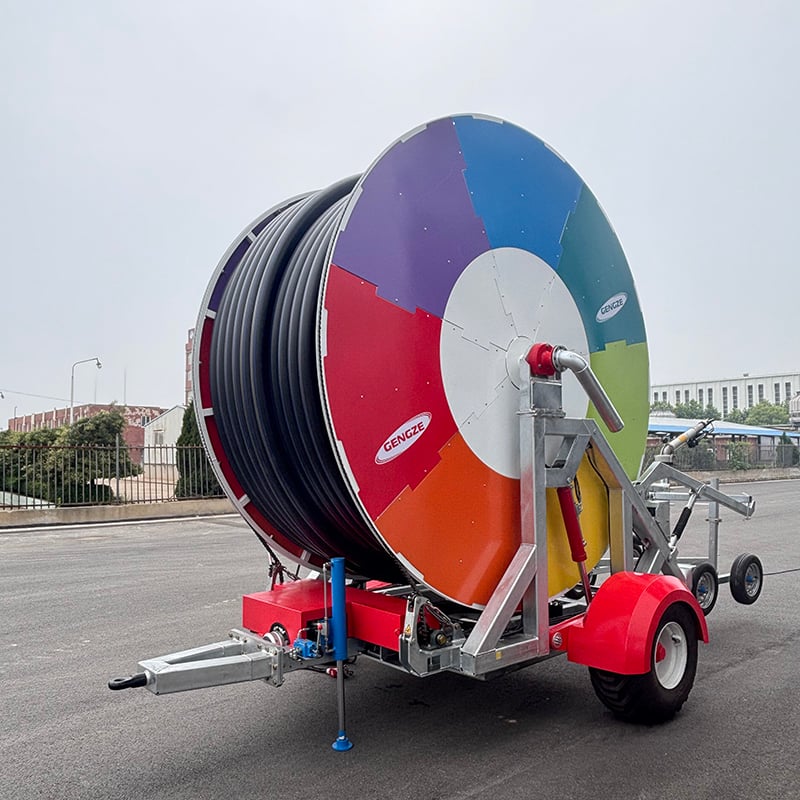
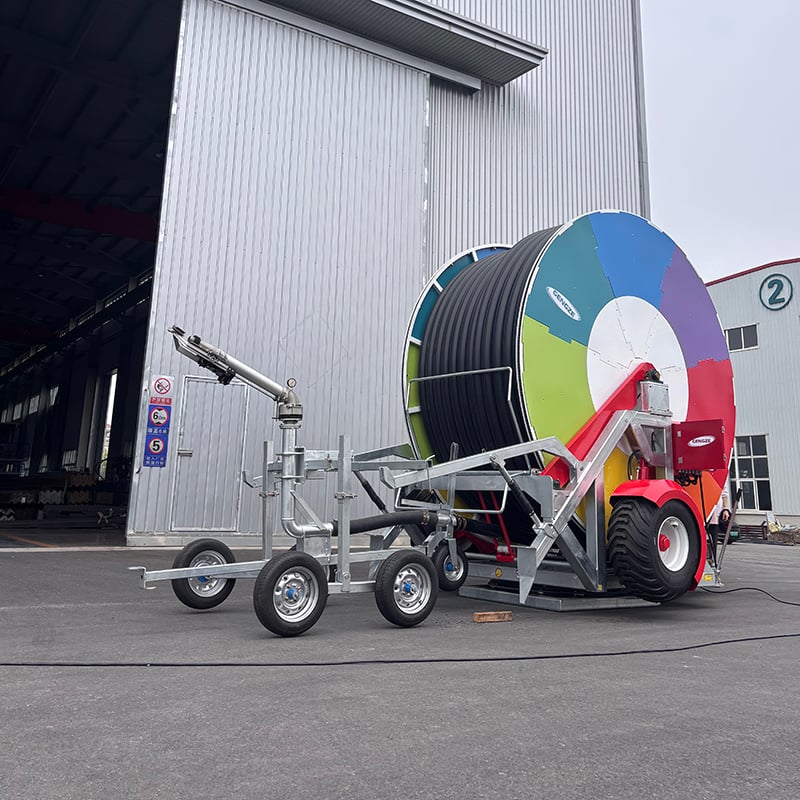
Finding reliable suppliers for large hose reel sprinkler involves thorough research and evaluation. Start by considering manufacturers with a proven track record and industry experience. For instance, Dalian Gengze Agricultural Equipment Manufacturing Co., Ltd. has over 20 years in the agricultural equipment space, having transitioned from an OEM for a leading U.S. irrigation brand to launching its own Gengze brand.
When sourcing suppliers, look for those who offer comprehensive product lines, as this can indicate a strong commitment to quality and innovation. Examine certifications and quality control processes that the suppliers have in place; these are often indicators of a manufacturer’s reliability and product integrity.
Additionally, consider customer reviews and case studies to gauge satisfaction levels and system performance in real-world applications. If possible, visit manufacturing facilities or request factory tours to understand production capabilities and standards better.
The installation of a large circle irrigation system requires careful planning to ensure optimal performance. Key steps include site evaluation, layout planning, and proper equipment setup.
Begin with a thorough site evaluation to assess topography, soil type, and water source. This assessment will inform the ideal system configuration and help determine the most effective pivot radius. Once the layout is planned, ensure that all components are compatible and that the installation area is cleared of obstacles.
During installation, pay close attention to the elevation and alignment of the pivot point. Proper alignment ensures that the system operates efficiently and reduces wear on components. Additionally, verify that all electrical connections and water supply lines are securely installed to prevent leaks and malfunctions.
After installation, conduct a system test to confirm that water is distributed evenly across the designated area. Monitoring performance over the first few weeks will help identify any adjustments needed to improve efficiency.
The choice of materials in large circle irrigation systems significantly impacts their durability, maintenance requirements, and overall performance. Common materials include galvanized steel, aluminum, and high-density polyethylene (HDPE), each with its own set of advantages.
Galvanized steel is known for its strength and resistance to mechanical wear but may be prone to corrosion in certain environments. Aluminum, while lightweight and resistant to corrosion, can be less durable under high-stress conditions. HDPE offers excellent resistance to chemicals and UV exposure, making it suitable for various agricultural applications, but it may not withstand heavy loads as effectively as metal components.
When evaluating materials, consider the specific environmental conditions in which the system will operate, including exposure to harsh weather and soil types. Discussing material selections with your supplier can yield valuable insights into the best options for your operational needs.
When purchasing large circle irrigation systems in bulk, several factors should be considered to ensure a successful procurement process. Start by defining your requirements clearly, including the desired specifications, quantities, and delivery timelines. Providing detailed information will help suppliers offer accurate quotations.
Request samples or prototypes whenever possible to evaluate performance under actual operating conditions. This step can prevent costly mistakes later in the purchasing process. Additionally, establish a clear communication channel with suppliers to discuss customization options. Many manufacturers, like Dalian Gengze, offer the ability to tailor systems to meet specific agricultural needs.
It's also wise to compare pricing not just based on unit cost but also on total cost of ownership, which includes installation, maintenance, and operational costs. Ensure you understand the terms of warranty and support services offered, as these can significantly impact the long-term viability of your investment.
In summary, purchasing a large hose reel sprinkler system requires careful consideration of specifications, supplier reliability, and material choices. By following these guidelines, you can make informed decisions that enhance your agricultural operations and sustainability efforts.

Dalian Gengze Agricultural Equipment Manufacturing Co.,Ltd
Copyright © Dalian Gengze Agricultural Equipment Manufacturing Co.,Ltd All Rights Reserved | Blog | Privacy Policy
 EN