Requesting a Call:
Online Support
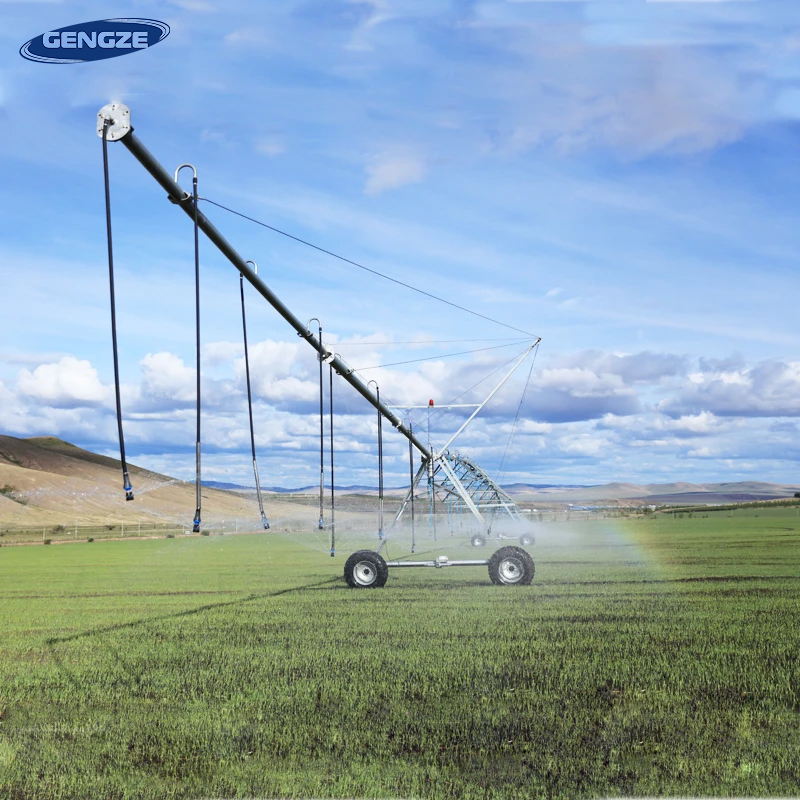
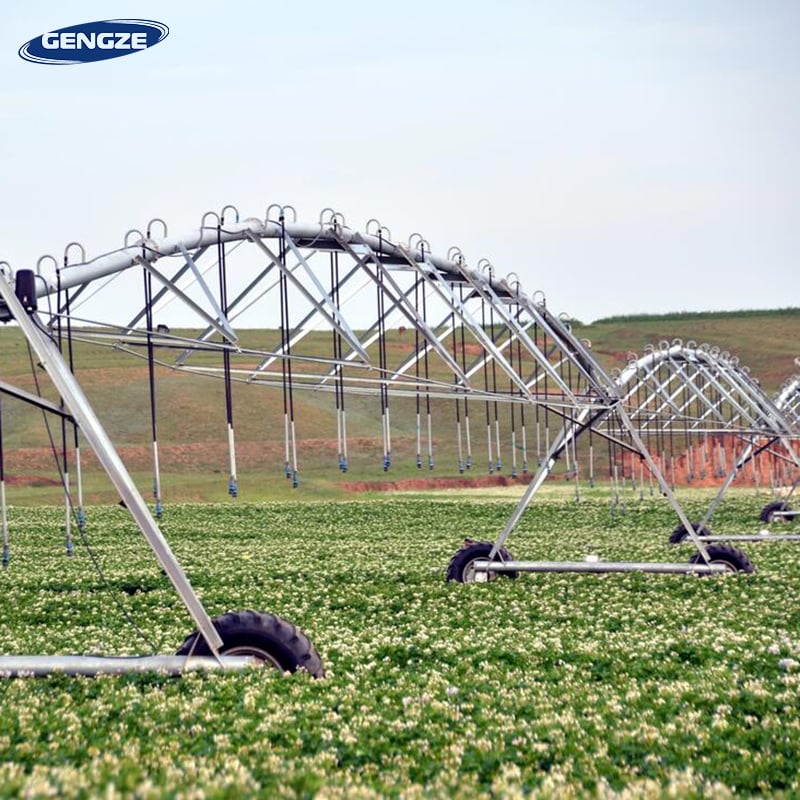
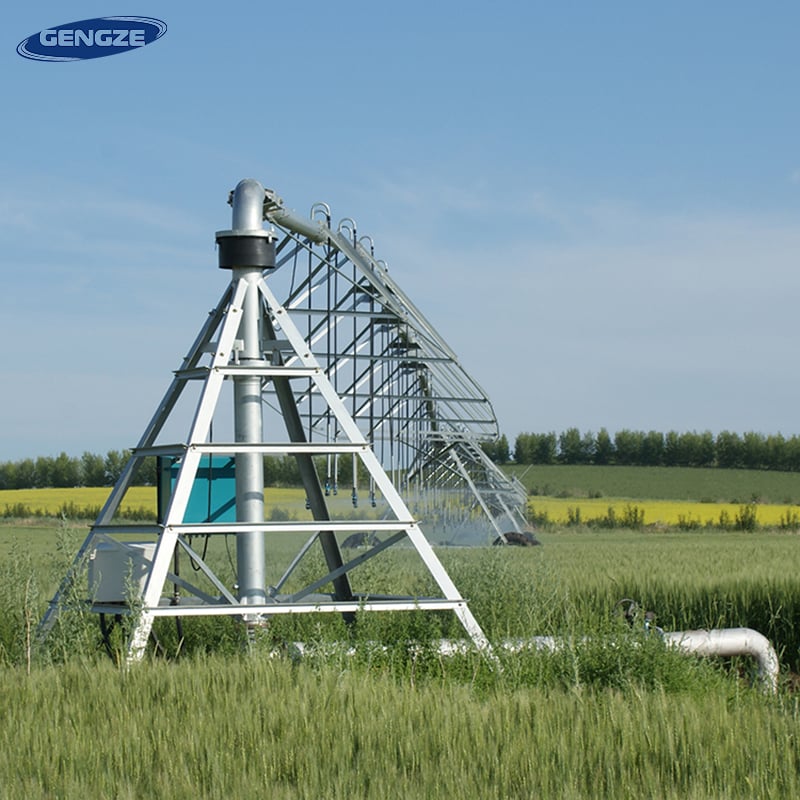
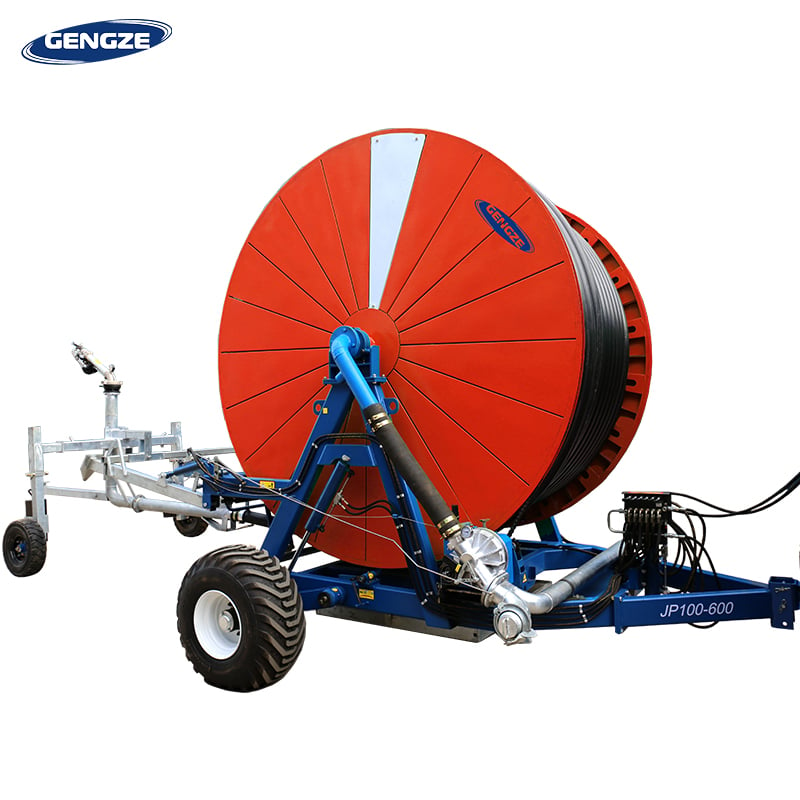
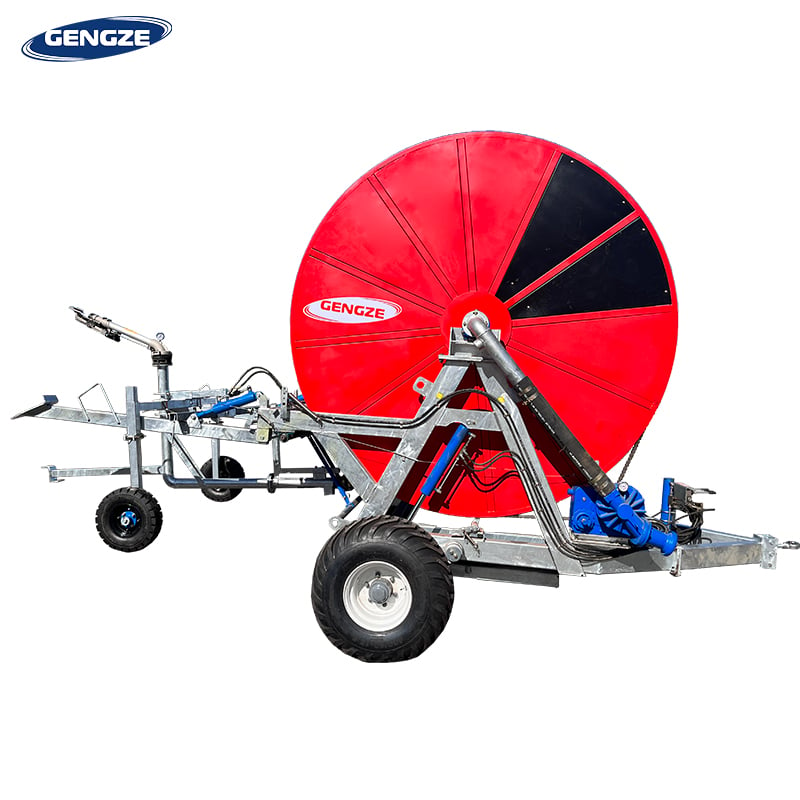
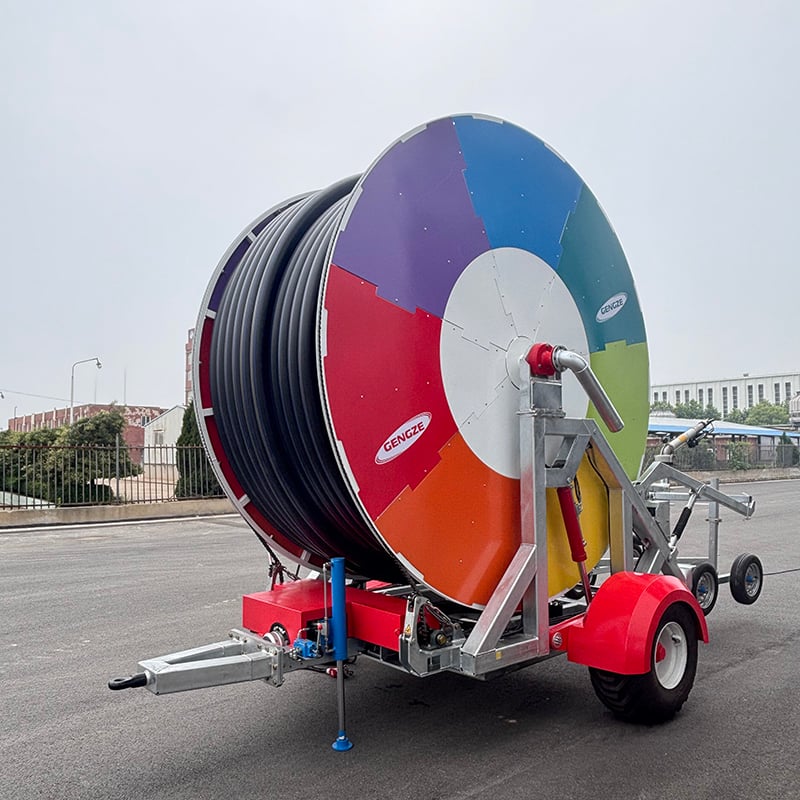
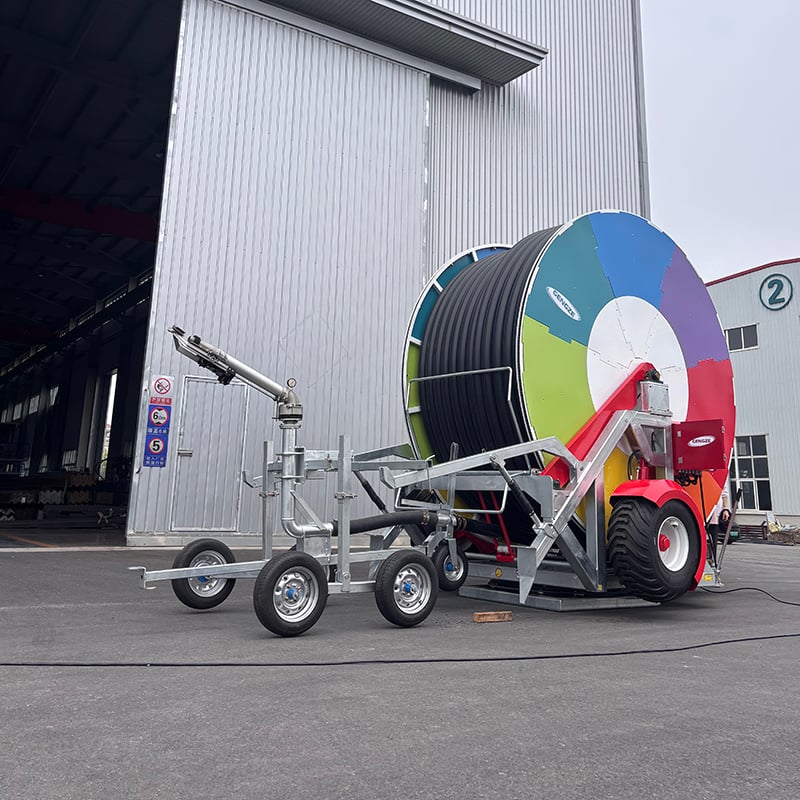
Large hose reel irrigation systems are essential for efficient agricultural water management, particularly in large-scale farming operations. These systems facilitate the effective distribution of water over vast areas, ensuring crops receive adequate hydration while minimizing water wastage. B2B buyers, such as purchasing managers and agricultural engineers, often seek reliable, high-quality solutions that combine efficiency and cost-effectiveness. This article will provide insights into sourcing, specifications, common issues, applications, and supplier comparisons for large hose reel irrigation systems, helping you make informed purchasing decisions.
When sourcing large Hose Reel Irrigation solutions, it is vital to partner with established manufacturers known for their reliability and quality. Dalian Gengze Agricultural Equipment Manufacturing Co., Ltd, with over 20 years of experience in agricultural equipment, stands out as a reputable supplier. The company has significant expertise in manufacturing irrigation systems, having served as an OEM for a leading U.S. irrigation brand since 2000. Buyers should look for manufacturers with robust quality control processes, certifications, and a history of successful product performance in diverse agricultural environments.
Additionally, consider suppliers that offer customization capabilities to tailor solutions to your specific needs, including hose length, reel size, and material specifications. Engaging with manufacturers that have a strong export track record can also provide assurance of their ability to meet international quality standards.
Selecting the right large hose reel irrigation system requires careful consideration of several key specifications:
Hose Material: The material of the hose should be durable and resistant to wear and environmental conditions. Common materials include PVC and polyurethane, both of which provide flexibility and longevity.
Reel Capacity: The size of the reel dictates the length of hose it can accommodate. Ensure the reel is suitably sized for your irrigation needs, factoring in the area to be covered and the water pressure available.
Working Pressure: Evaluate the maximum working pressure of the system, as this affects the distance and efficiency of water distribution. A mismatch in pressure requirements can lead to operational inefficiencies or equipment damage.
Flow Rate: Determine the flow rate necessary for your crops, ensuring that the system can deliver the required volume of water efficiently. This is crucial for crop health and preventing waterlogging or drought stress.
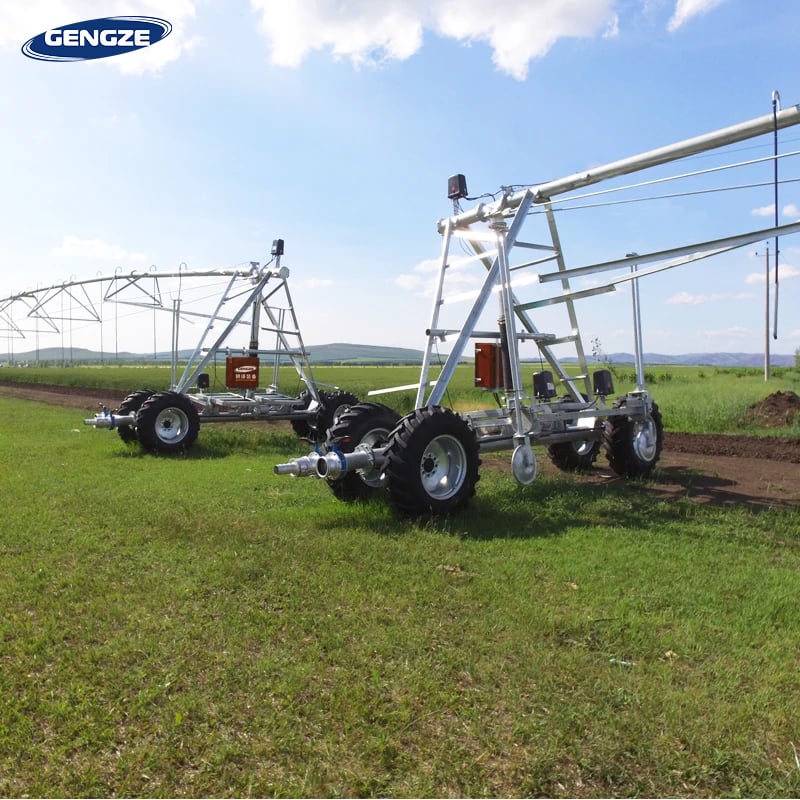
Mobility Features: Look for systems with easy mobility options, such as wheels or trailers, which facilitate movement across fields and enhance operational efficiency.
Understanding these specifications can help ensure that the selected system is well-suited for the specific agricultural application, avoiding costly errors and maximizing investment.
Despite their advantages, large hose reel irrigation systems can face several common issues:
Clogged Nozzles: Over time, nozzles can become clogged with sediment or debris, leading to uneven water distribution. Regular maintenance, including cleaning and checking for blockages, can mitigate this issue.
Hose Kinking: Kinking can occur if the hose is not stored properly or if it is too rigid. Ensure that the hose is coiled correctly and consider using hoses with enhanced flexibility to prevent kinking during operation.
Pressure Fluctuations: Inconsistent water pressure can lead to inefficient irrigation. Installing pressure regulators can help maintain a steady flow, ensuring that all areas receive adequate water.
Mechanical Failures: Wear and tear on components such as reels and pumps can lead to operational downtime. Regular inspections and maintenance, along with purchasing from manufacturers that offer warranties or support, can address these concerns.
By being proactive in maintenance and understanding these potential issues, buyers can enhance the longevity and efficiency of their irrigation systems.
Large hose reel irrigation systems are versatile and can be applied in various agricultural scenarios:
Row Crops: Ideal for crops like corn and soybeans, these systems can efficiently cover large rows, ensuring even moisture distribution during critical growth stages.
Pastures and Hay Fields: They are effective in irrigating vast pasture lands, promoting healthy grass growth for livestock.
Orchards and Vineyards: Large Side Roll Irrigation can be adjusted to water trees and vines more precisely, which is vital for fruit quality and yield.
Sports Fields and Landscapes: Beyond agriculture, these systems are also suitable for maintaining large sports fields and landscaped areas, providing an efficient means of irrigation.
Understanding the varied applications can help buyers select the right system tailored to their specific operational needs.
When evaluating suppliers of large hose reel irrigation solutions, several factors should be taken into account:
Product Range: Consider suppliers that offer a diverse selection of Grinder, allowing for flexibility depending on specific irrigation needs.
Customization Options: Suppliers that provide customization can tailor systems to meet unique agricultural requirements, enhancing overall effectiveness.
Quality Assurance: Investigate the quality control processes of potential suppliers. Reputable manufacturers like Dalian Gengze Agricultural Equipment emphasize rigorous inspection throughout the production process to ensure reliability.
Customer Support: Strong after-sales support can be a critical factor. Suppliers that offer installation guidance, maintenance training, and responsive customer service can greatly enhance user experience.
Pricing: While cost is always a consideration, it should not be the sole factor. Evaluate the total cost of ownership, including maintenance and efficiency, to determine the best value.
By comparing these aspects, buyers can identify suppliers that align best with their operational goals and budget, ensuring a successful investment in large hose reel irrigation systems.
Dalian Gengze Agricultural Equipment Manufacturing Co.,Ltd
Copyright © Dalian Gengze Agricultural Equipment Manufacturing Co.,Ltd All Rights Reserved | Blog | Privacy Policy
 EN