Requesting a Call:
Online Support
Large Tub Grinder are essential machines in the agricultural sector, designed to process large volumes of organic matter, such as tree stumps, brush, and other types of waste. They play a crucial role in reducing waste volume while producing high-quality mulch and compost. For B2B buyers, understanding how to select the right large tub grinder is vital, as it directly impacts operational efficiency and cost-effectiveness. This article will guide you through key considerations when purchasing a large tub grinder, addressing buyer concerns such as specifications, cost factors, common issues, installation, and overall operational requirements.
Selecting the right large tub grinder involves assessing several key factors, including the type of materials you will process, desired output size, and machine specifications. Start by evaluating the grinding capacity, which is often measured in tons per hour. For instance, if you are processing large volumes of tough materials, you may need a grinder with higher horsepower and robust cutting systems.
Consider the dimensions of the tub grinder as well; larger models can handle bigger logs and bulkier waste but may require more space for operation and transport. The choice between stationary and portable models can also affect your operational flexibility. Portable grinders are ideal for varied job sites, while stationary models may offer greater durability and processing power.
Additionally, assess the machine's feeding mechanism, as this can significantly impact efficiency. A hydraulic lift system can facilitate easier loading, while a conveyor system can enhance material handling. Don’t overlook the importance of maintenance requirements, as a machine that is easier to service can save you time and costs over its lifespan.
When considering bulk orders of large Center Pivot Irrigation, understanding cost factors is crucial for budgeting and financial planning. The primary costs include the base price of the grinder, shipping, installation, and possible import duties. Manufacturer pricing may vary based on the production volume; larger orders often lead to reduced unit costs due to economies of scale.
Moreover, it’s important to factor in the cost of spare parts and maintenance. Some manufacturers offer warranties that cover initial maintenance, which can reduce long-term costs. Also, consider the potential savings on operational efficiency and productivity that a high-quality grinder can provide, as these aspects may offset the higher initial investment.
Buyers should also inquire about minimum order quantities (MOQ) and lead times, as these can affect pricing and inventory management. A well-negotiated agreement can also include incentives for future orders, ensuring a stable supply of machinery when needed.
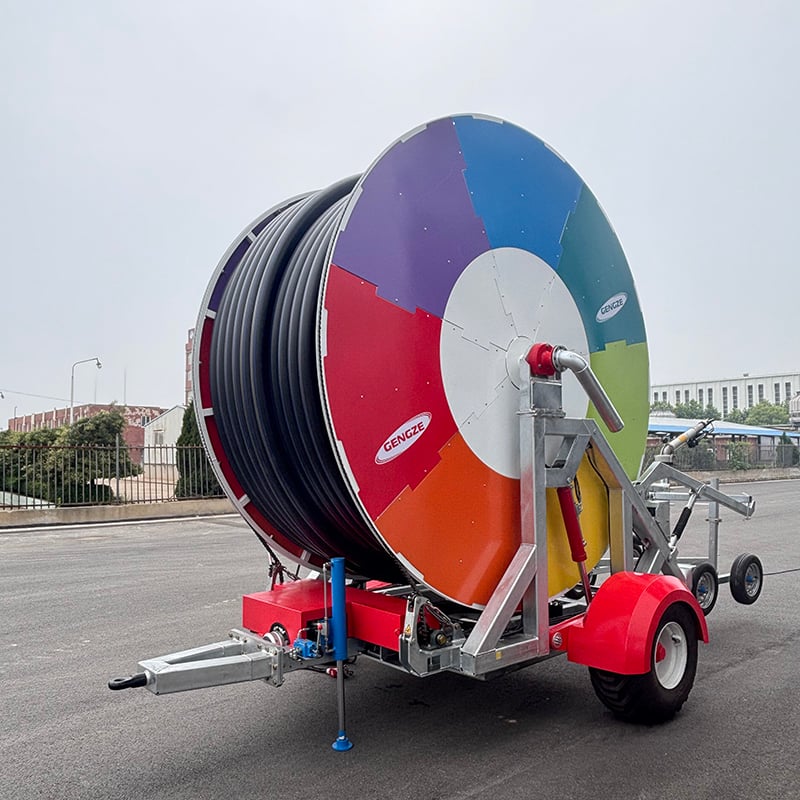
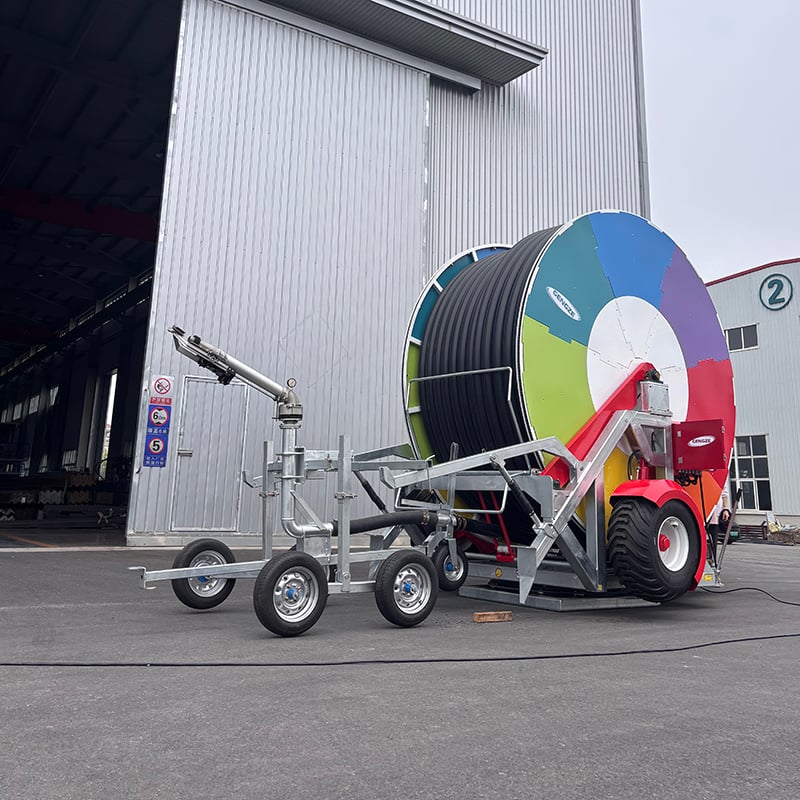
Like any machinery, large Hose Reel Irrigation can encounter common issues that may affect performance. One frequent problem is clogging, which often occurs when the material being processed is too wet or contains too many contaminants. To mitigate this, ensure that the input material is pre-processed to remove excess moisture and foreign objects.
Another common issue is blade wear. The cutting blades must be regularly inspected and sharpened or replaced to maintain grinding efficiency. Keeping a maintenance schedule can help prevent unexpected downtimes.
Overheating is also a concern, particularly in high-load situations. Ensure that the grinder has adequate cooling systems and that the bearings are well-lubricated. Implementing regular checks can help identify potential overheating issues before they escalate.
Lastly, vibration problems can lead to mechanical failures. This can often be resolved by ensuring that the machine is properly anchored and that all components are correctly aligned. Consulting with the manufacturer for operational guidelines can also help in troubleshooting these issues effectively.
Proper installation of a large tub grinder is essential for optimal performance and longevity. Before installation, assess the site to ensure adequate space for operation, maintenance access, and material handling. The grinder should ideally be positioned on a stable, level surface to prevent vibration issues and ensure safety during operation.
During installation, follow the manufacturer's guidelines closely. This includes connecting all hydraulic and electrical systems as specified. It’s advisable to have trained personnel conduct the installation to avoid potential errors that could lead to costly repairs.
Once installed, conduct a thorough inspection to ensure all components function properly. Initial tests should include verifying the feeding mechanism, grinding efficiency, and safety features. Providing training for operators on proper use and maintenance can further enhance performance and reduce the risk of accidents.
When purchasing a large tub grinder, buyers should be prepared to provide detailed information to ensure they receive the most suitable machine for their needs. Relevant specifications include the desired throughput, type of materials to be processed, and specific customization requirements.
It’s also beneficial to ask about the manufacturer's production capabilities, including available models, lead times, and the potential for custom features. Understanding the manufacturer's quality control processes can give you insight into the reliability and durability of the equipment you are considering.
Finally, always request references or case studies from the manufacturer. Speaking with other companies that have purchased the same model can provide valuable insights into the grinder's performance and any challenges they may have faced. This information can be instrumental in finalizing your decision and ensuring that you invest in a large tub grinder that aligns with your operational needs.

Dalian Gengze Agricultural Equipment Manufacturing Co.,Ltd
Copyright © Dalian Gengze Agricultural Equipment Manufacturing Co.,Ltd All Rights Reserved | Blog | Privacy Policy
 EN