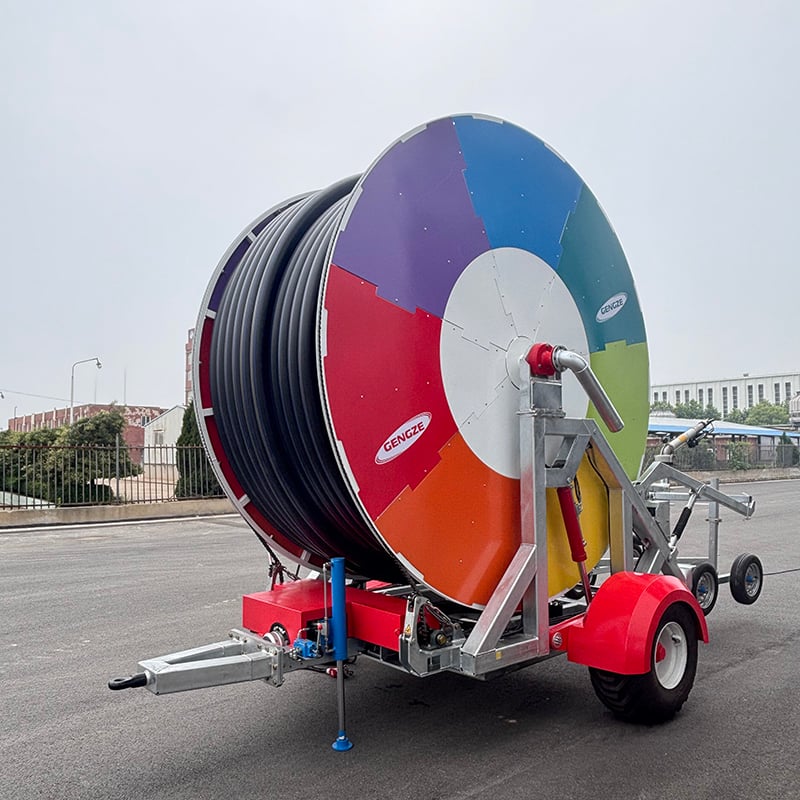
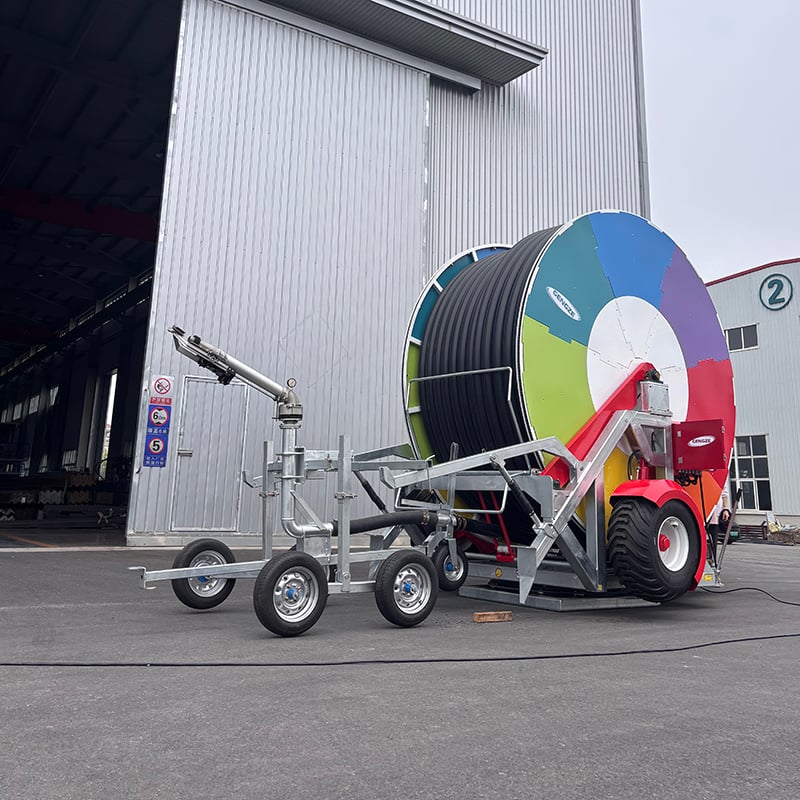
Requesting a Call:
Online Support
Lateral irrigation equipment plays a crucial role in efficient agricultural water management, enabling farmers to achieve optimal crop yields while minimizing water waste. As a B2B buyer, you may be concerned about product specifications, application suitability, quality control processes, and supplier reliability. This article will guide you through the essential aspects of lateral irrigation systems, helping you make informed purchasing decisions.
When considering lateral irrigation equipment, it’s important to evaluate several key factors:
Specifications: Look for equipment that meets your specific requirements in terms of size, capacity, and compatibility with existing systems. Key specifications may include the length of the lateral lines, flow rates, and pressure requirements.
Material Selection: Durable materials are essential for ensuring longevity and performance. Common materials include high-density polyethylene (HDPE) and PVC, which are resistant to UV degradation and corrosion.
Customization Options: Many manufacturers, including Dalian Gengze Agricultural Equipment Manufacturing Co., Ltd, offer customizable solutions to meet unique operational needs. Consider your specific irrigation layout and crop types when discussing options with suppliers.
Quality Assurance: Verify the manufacturer's quality control processes and certifications to ensure product reliability. This may include ISO certifications or compliance with local agricultural standards.
Pricing and MOQ: Understand the pricing structure and minimum order quantities (MOQ) that suppliers require. Factors affecting pricing may include material costs, production methods, and customization levels.
By focusing on these areas, buyers can make more informed decisions that align with their oIrrigation Systemperational needs.
When investing in Center Pivot Irrigation equipment, expect a comprehensive process from initial discussions to final installation. Here’s what typically happens:
Initial Consultation: Engage with suppliers to discuss your requirements, including crop types, field sizes, and existing infrastructure. This helps in selecting the right equipment.
Quotation and Proposal: After the initial discussion, suppliers will provide detailed quotations based on your specifications. Ensure that the proposal includes all relevant costs, including shipping and installation.
Sample Approval: Before mass production, request a sample to assess the quality and suitability of the equipment. This step is crucial to confirm that the equipment meets your expectations in terms of performance and fit.
Production and Quality Control: Once the sample is approved, the manufacturer will begin production. Regular quality checks should be in place to ensure that the final product adheres to the agreed specifications.
Installation and Training: Upon delivery, expect to receive guidance on installation and operation. Manufacturers may offer training sessions to ensure proper usage of the equipment.
Post-Sales Support: Reliable suppliers will provide ongoing support, including maintenance tips and troubleshooting assistance.
By understanding this process, buyers can set realistic expectations and ensure a smoother purchasing experience.
Assess Needs: Determine the specific irrigation needs based on crop types and field conditions. Involve agronomists if necessary to optimize your irrigation strategy.
Research Suppliers: Look for manufacturers with a proven track record in Hose Reel Irrigation systems. Evaluate their production capabilities and customer reviews.
Request Quotes: Contact multiple suppliers to gather quotes and compare offerings. Be clear about your specifications to receive accurate proposals.
Evaluate Samples: If possible, review samples or case studies of previous installations. This will help you assess the quality and effectiveness of the systems.
Finalize Orders: Once you’ve selected a supplier, finalize the order and confirm details such as delivery schedules and payment terms.
Installation and Testing: After installation, carry out thorough testing to ensure the system functions as expected. Monitor performance over time to identify any issues.
Following these steps will enhance your purchasing process and ensure that you select the right lateral irrigation equipment for your needs.
While lateral irrigation systems are highly effective, they can encounter several common issues. Understanding these problems and their solutions can help you maintain optimal performance:
Clogged Drippers: Clogging can occur due to debris or mineral buildup. Regular maintenance, including cleaning filters and flushing the system, is essential to prevent this issue.
Uneven Water Distribution: This can result from poor system design or variations in pressure. To address this, conduct hydraulic assessments to ensure uniformity and adjust sprinkler heads or emitters as needed.
Leakage: Leaks can arise from damaged pipes or fittings. Regular inspections and prompt repairs are crucial. Using high-quality materials can also minimize the risk of leaks.
System Compatibility: New equipment may not integrate well with existing systems. Ensure compatibility by consulting with manufacturers about system specifications before making a purchase.
Pressure Fluctuations: Inconsistent water pressure can lead to inefficient irrigation. Installing pressure regulators can help maintain stable pressure levels throughout the system.
By proactively addressing these common issues, buyers can enhance the reliability and efficiency of their Lateral Move Irrigation systems.
Lateral irrigation systems offer versatile applications across various agricultural settings:
Row Crops: Ideal for crops like corn, soybeans, and vegetables, lateral irrigation ensures that each row receives adequate water, promoting uniform growth and higher yields.
Fruits and Vegetables: These systems are particularly beneficial for high-value crops that require precise moisture management. They help in reducing water stress and improving produce quality.
Greenhouses: Lateral irrigation is effective in greenhouse environments, where controlling moisture levels is critical for plant health. The systems can be adapted to fit various greenhouse layouts.
Orchards: In orchard settings, lateral irrigation promotes efficient water use while minimizing runoff, making it a sustainable option for fruit growers.
Horticultural Applications: For ornamental plants and flowers, lateral irrigation systems provide the precision needed to maintain ideal soil moisture levels without overwatering.
Understanding these applications helps buyers recognize the versatility and benefits of lateral irrigation systems in enhancing agricultural productivity.

Dalian Gengze Agricultural Equipment Manufacturing Co.,Ltd
Copyright © Dalian Gengze Agricultural Equipment Manufacturing Co.,Ltd All Rights Reserved | Blog | Privacy Policy
 EN